
Key Takeaways
Checking accounts offer safety and convenience that cash simply can’t match for everyday transactions.
Different account types exist for different needs, so choosing wisely prevents unnecessary fees and headaches.
Knowing both benefits and drawbacks helps make smarter banking decisions that fit personal financial goals.
What is a Checking Account and its Features?
A checking account is a bank account people use for daily transactions.
It’s where paychecks go, and bills get paid from.
You can think of it as a financial hub for everyday money needs.
Key features include:
- Easy access: Withdraw money anytime through ATMs or debit cards
- Bill payments: Set up automatic payments for utilities and rent
- Direct deposits: Employers can send paychecks straight to the account
- Online banking: Check balances and transfer funds from a phone
Most banks offer checking accounts with minimal fees.
Benefits of a Checking Account
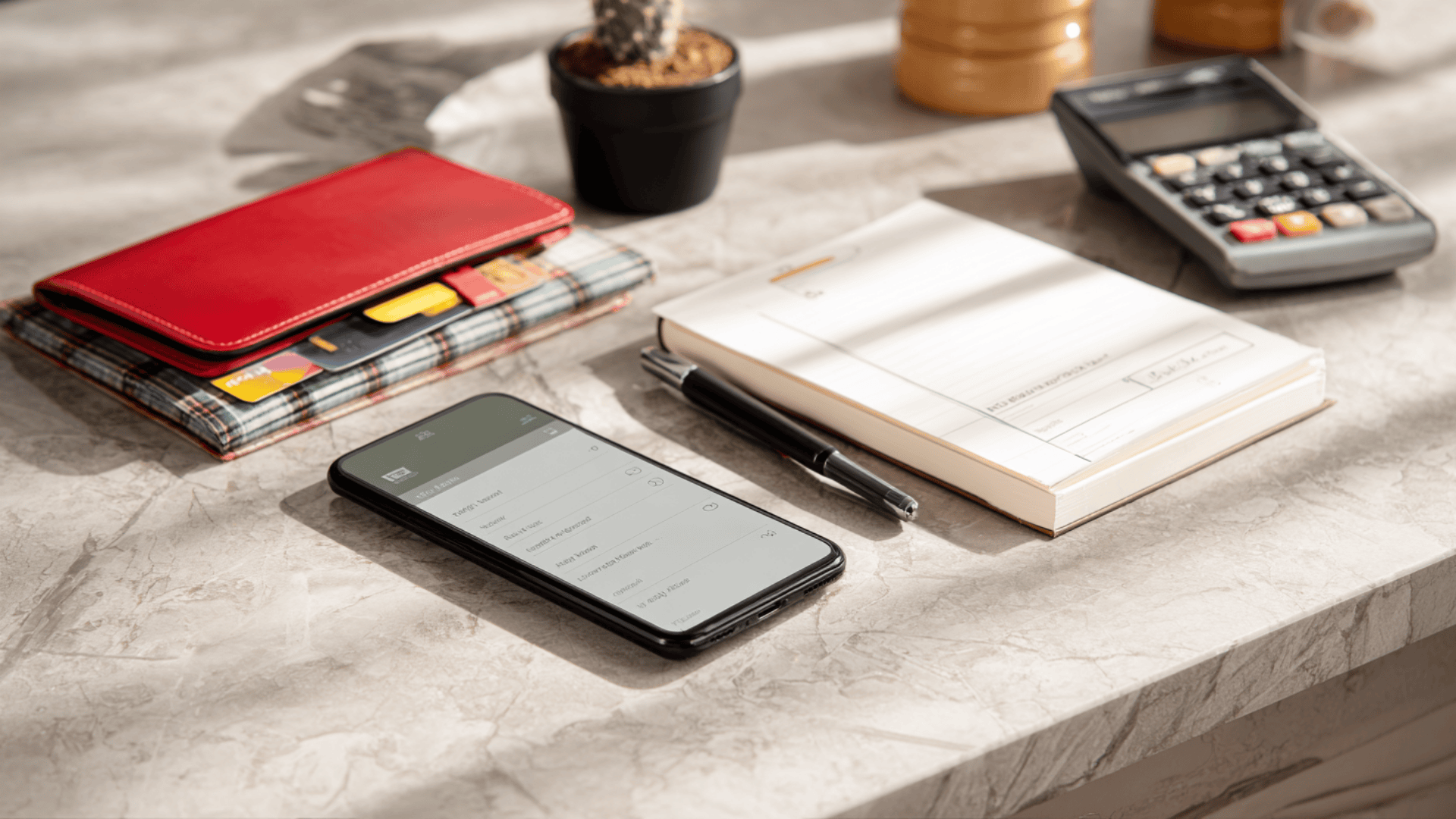
Opening a checking account comes with perks that make handling money simpler. These benefits go beyond just storing cash in a bank.
Daily Money Management
Managing daily expenses becomes less stressful with a checking account.
Bills get paid on time. Groceries purchased. Rent never slips through the cracks.
Bank statements track every transaction. This visibility helps manage finances better without extra effort.
Convenience of a Checking Account
Nobody wants to visit a bank for every small transaction. Debit cards work at millions of stores.
ATMs dispense cash 24/7. Mobile apps transfer money instantly.
Need to pay someone back? Done in seconds.
Ease of Transactions and Payments
Checks work great for landlords and contractors.
Automatic payments handle utilities without lifting a finger. Direct deposit gets paychecks in faster. Wire transfers are used to move larger amounts when needed.
Everything lives under one roof.
Financial Safety and Security Benefits
Carrying cash feels risky. FDIC coverage is up to $250,000, and lost cards are canceled immediately under the insurance.
Fraud monitoring catches suspicious activity fast. Banks protect money better than mattresses do.
Better Control Over Spending
Impulse buying drains accounts fast. Statements reveal spending patterns clearly.
Categories show where money goes the most. This awareness makes cutting back easier.
Budgeting tools track expenses automatically. Knowing balances prevents overdrafts.
Additional Features That Add Value
Many banks add extra perks worth having. Cashback rewards pile up over time.
Overdraft protection prevents declined transactions.
Some accounts pay interest. Mobile deposits eliminate branch visits completely.
Types of Checking Accounts
There are various types of checking accounts that are designed for different purposes.
These are the most common types, along with their features and target users.
| Account Type | Main Feature | Target User |
| Standard | Basic features, low fees. | General daily use. |
| Interest | Earns modest APY. | High balance savers. |
| Premium | Extra perks/waived fees. | High net worth clients. |
| Student | No monthly fees. | Young adults (13–24). |
| Senior | Special discounts. | Users aged 55+. |
| Joint | Shared access/ownership. | Couples or partners. |
| Business | Payroll & tax tools. | Company owners. |
| Second Chance | Easy approval. | People rebuilding credit. |
How to Choose the Right Checking Account?
All checking accounts don’t work the same way. Some drain money through fees, while others actually help save it.
Follow these steps to choose the best option for your requirements.
Step 1: Check Monthly Fees and Balance Requirements
Some banks charge monthly maintenance fees. Others waive them with minimum balances or direct deposits.
Look for accounts that match spending habits to avoid unnecessary costs and penalties.
Step 2: Compare ATM Access and Network Size
ATM fees add up quickly when using out-of-network machines. Choose banks with ATMs nearby or ones that reimburse withdrawal fees.
Convenient access saves money and hassle in the long term.
Step 3: Review Overdraft and Fee Policies
Overdraft fees can hit hard and drain accounts fast. Some banks offer protection programs.
Others link checking to savings for automatic transfers. Understanding these policies prevents expensive surprises down the road.
Step 4: Evaluate Online and Mobile Banking Features
Good apps make banking easier every single day. Check if the bank offers mobile deposits, bill pay, and instant notifications.
These features save trips to branches and time overall.
Step 5: Read Customer Reviews and Bank Reputation
Other customers regularly share honest experiences online.
Reviews reveal how banks handle problems and the quality of their customer service. This insight helps avoid banks with poor reputations or slow support.
Checking vs. Savings vs. Fixed Account
People often confuse checking accounts with other bank accounts. Here’s how they differ:
| Feature | Checking Account | Savings Account | Fixed Deposit Account |
|---|---|---|---|
| Main Purpose | Daily transactions | Store money and earn interest | Lock money for higher returns |
| Access to Money | Unlimited withdrawals | Limited withdrawals per month | No access until maturity |
| Interest Rate | Low or none | Moderate | Highest |
| Best For | Paying bills, everyday spending | Emergency funds, short-term goals | Long-term savings |
| Debit Card | Yes | Sometimes | No |
Downsides to a Checking Account
Checking accounts solve many problems, but they also come with drawbacks. These issues sometimes catch people off guard.
- Monthly maintenance fees eat into balances if minimum requirements aren’t met.
- Overdraft charges can be costly when spending exceeds available funds.
- Money earns little to no interest while inflation reduces buying power.
- Minimum balance requirements lock up cash for emergencies.
- Identity theft and fraud risks exist despite bank security measures.
Disclaimer: This content is for educational purposes only and not financial advice. Banking products and fees vary by institution, so verify details with your bank before opening an account.
Wrapping Up
Opening a checking account changes how you manage money daily. The safety and convenience it provides beat carrying cash around.
Learning what the benefits of a checking account are helps avoid common pitfalls. The right account fits personal needs without draining funds.
It’s not about how much money you make, but how well you manage it.
Money management starts with smart choices. A good checking account makes those choices easier.
Ready to open an account? Start comparing banks today.
Frequently Asked Questions (FAQ’s)
1. Can Someone Have Multiple Checking Accounts at Once?
Yes, people can open accounts at different banks. Multiple accounts make it easy to separate funds for bills, savings goals, or business expenses.
2. Do Checking Accounts Affect Credit Scores Directly?
No, checking accounts don’t impact credit scores. However, unpaid overdraft fees sent to collections can damage credit if left unresolved long enough.
3. Can Someone Steal My Money if They Have My Account and Routing Number?
Yes, someone with your bank account and routing number can potentially steal money from your account.