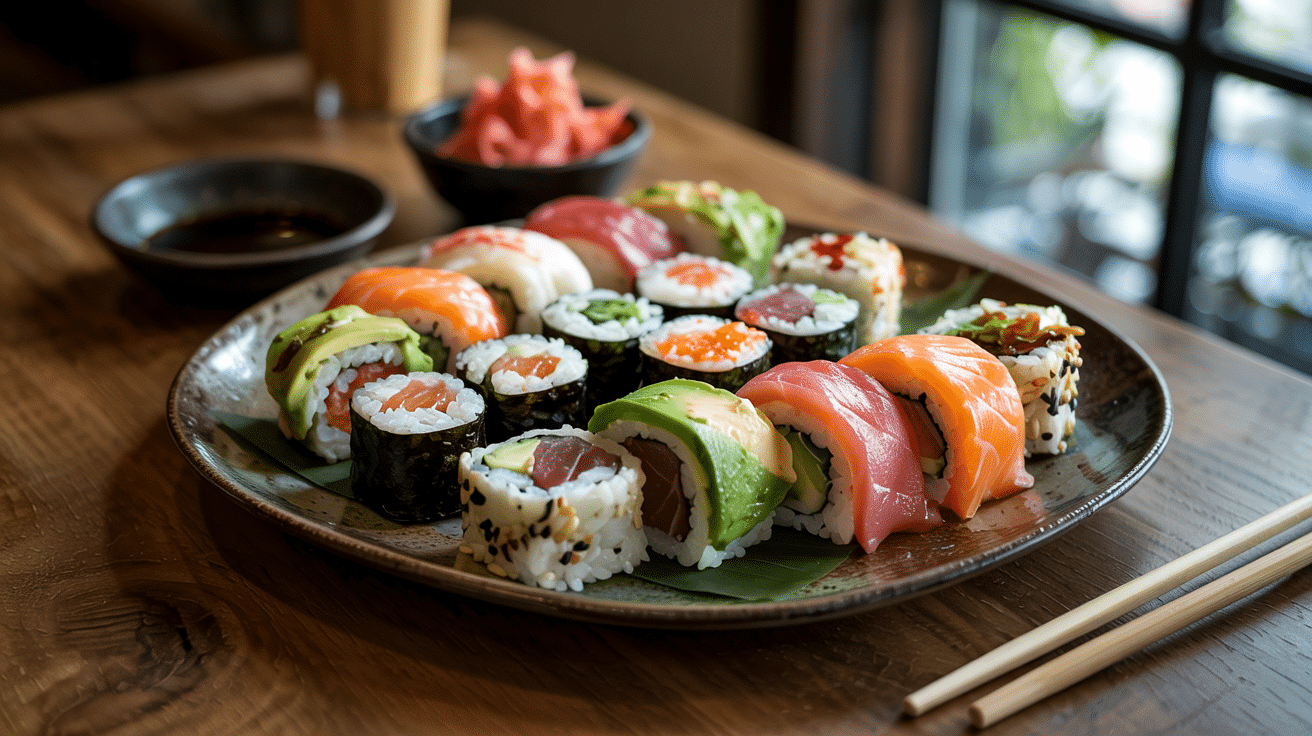
You ordered sushi last night. Now it’s sitting in the fridge. Can someone eat it today?
Most people think sushi stays fresh for days. They’re wrong. Raw fish spoils faster than anyone thinks.
One bad piece can ruin a whole day.
This blog shows exactly when to eat it and when to toss it. Readers will learn storage tricks that work.
How Long is Sushi Good for in the Fridge?
Fresh sushi doesn’t keep well. The type of ingredients determines how long it lasts.
Storage times by type:
- Raw fish rolls: 24 hours maximum
- Cooked seafood rolls: 3 to 4 days
- Vegetable only rolls: 5 to 7 days
- Sashimi (sliced raw fish): 24 hours
Temperature plays a critical role. Keep the fridge at 40°F or colder. Warmer temperatures let bacteria multiply quickly.
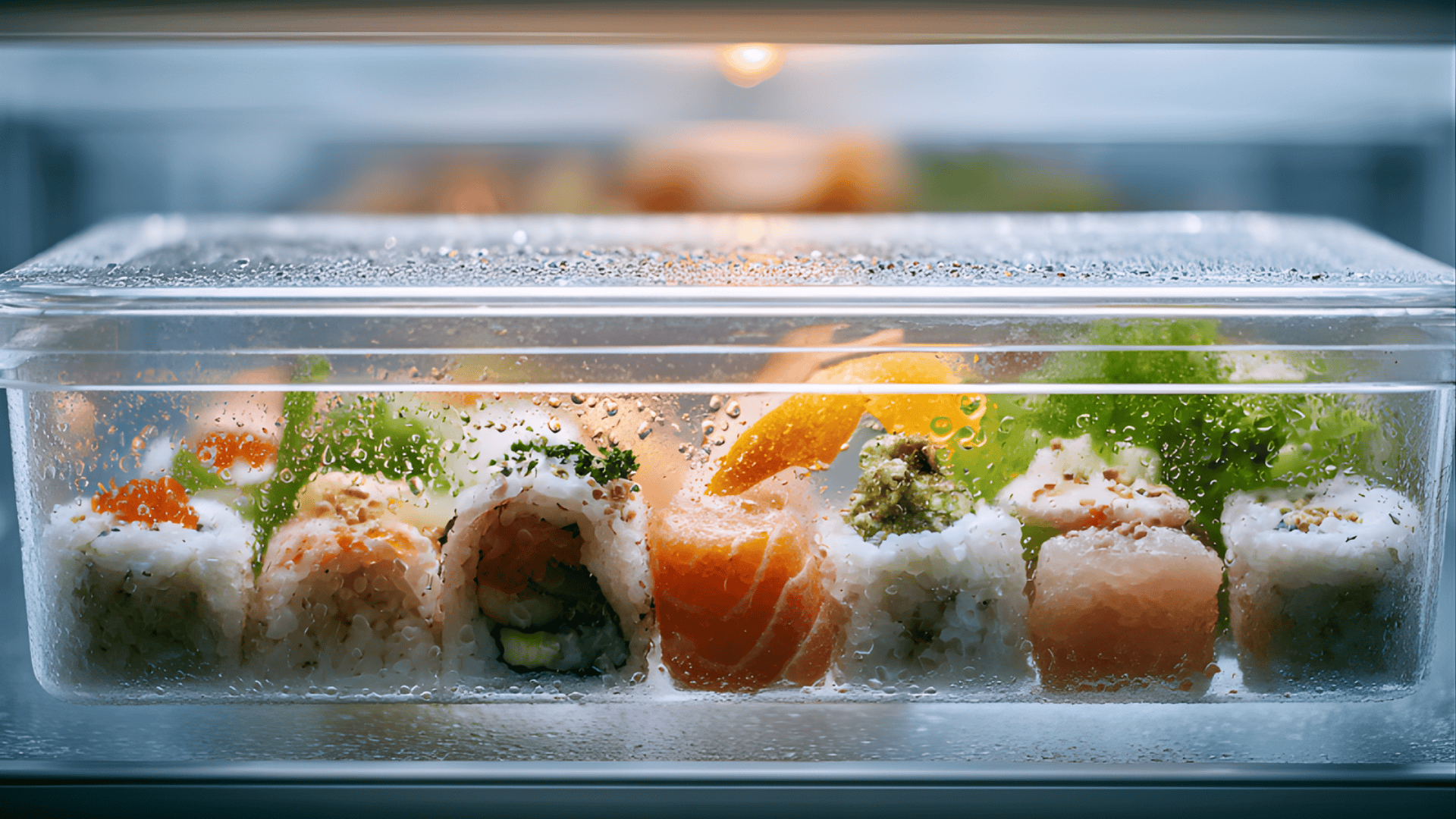
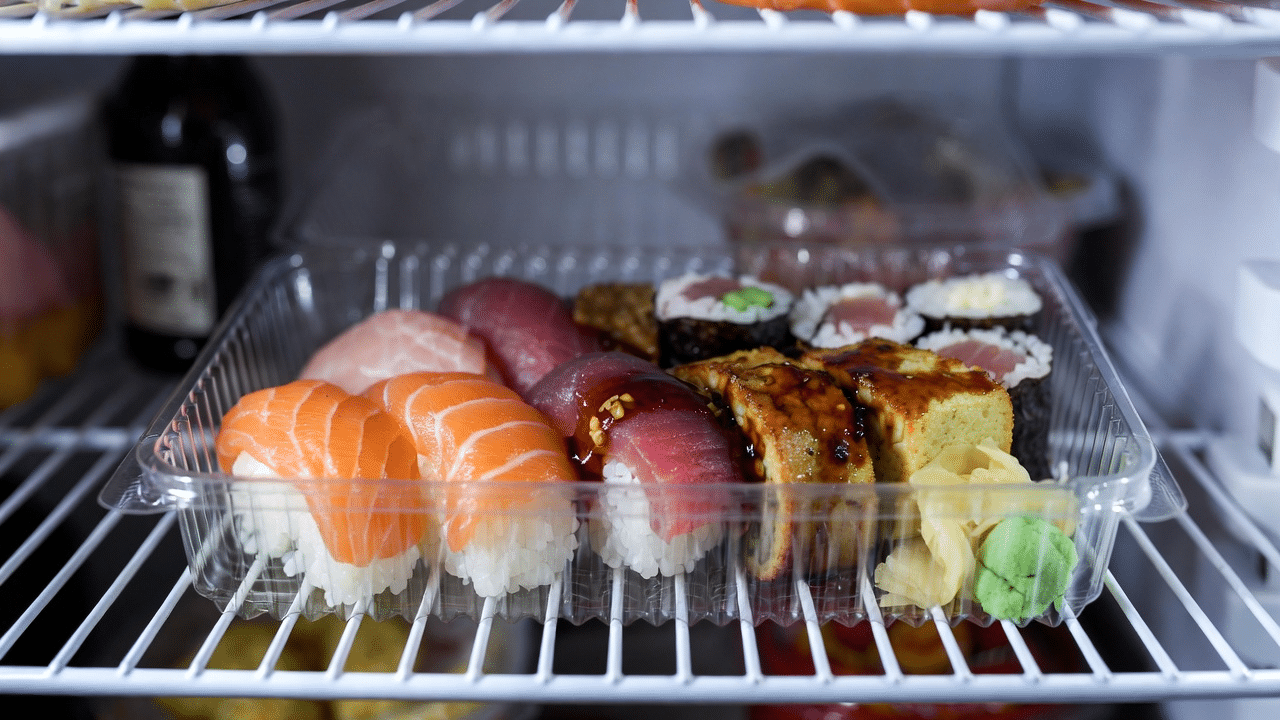
Use airtight containers for storage. This prevents the rice from drying out.
Place containers on the back shelf where it’s coldest.
Store-bought sushi stays fresh for 24 hours from purchase. Never leave sushi at room temperature for more than 2 hours, or 1 hour in hot weather above 90°F.
Sushi Storage Do’s and Don’ts
Proper storage makes all the difference between safe sushi and spoiled food.
DOs :
- Wrap sushi tightly in plastic wrap before placing it in a container.
- Store it on the coldest shelf in the fridge, usually at the back.
- Label containers with the date and time.
- Keep the fridge temperature at 40°F or below.
Dont’s:
- Don’t leave sushi uncovered in the fridge as the rice dries out.
- Don’t store it in the fridge door where temperatures change.
- Never reheat raw sushi rolls or leave them in water.
Can You Freeze Sushi?
Freezing sushi isn’t ideal, but it works for some types. Cooked rolls freeze better than raw ones.
The rice becomes hard and loses its texture after thawing.
Raw fish sushi turns mushy and unappetizing when frozen. Vegetarian rolls handle freezing the best.
Wrap them tightly in plastic and foil before freezing.
Thaw frozen sushi in the fridge overnight, never at room temperature. Fresh sushi always tastes better than frozen.
How to Tell if Sushi Has Gone Bad?
- A strong fishy or sour smell means the sushi is spoiled.
- The rice turns hard, dry, or develops a slimy film.
- The fish looks dull, discolored, or has brown spots on it.
- The seaweed wrapper becomes soggy and falls apart easily.
- Any off taste or unusual texture means it’s time to throw it out.
- Mold or fuzzy growth appears on any part of the roll.
- The sushi feels warm or was left out too long.
Eating spoiled sushi can lead to serious food poisoning.
Symptoms include nausea, vomiting, stomach cramps, and fever that can last several days.
Is it Safe to Eat Sushi the Next Day?
It depends on what type of sushi it is. Raw fish sushi stays safe for only 24 hours in the fridge.
Eating it the next day is fine if stored properly right after purchase.
Cooked sushi rolls last longer and remain safe for several days. Vegetarian options are the safest choice for the next day’s eating.
Always check how long the sushi has been sitting before eating it. Proper refrigeration at 40°F or below is essential. When stored correctly, next-day sushi can be perfectly safe to eat.
Eating spoiled sushi can lead to serious food poisoning.
Symptoms include nausea, vomiting, stomach cramps, and fever that can last several days.
How Sushi Ingredients Affect Shelf Life
Different components determine freshness timelines. Some ingredients spoil within hours, while others stay safe for days.
Raw Fish (Salmon, Tuna): Spoils within 24 hours due to quick protein breakdown.
Fatty Fish (Mackerel): Deteriorates faster than lean fish varieties.
Vinegared Sushi Rice: Stays fresh for 1 to 2 days before drying out.
Avocado: Turns brown within a few hours of preparation.
Cucumber: Stays crisp longer than most other vegetable fillings.
Imitation Crab: Lasts longer than real crab in refrigerated storage.
Pickled Ginger: Remains fresh for weeks when stored in the fridge.
Sushi vs Similar Foods: Storage Comparison
| Food Type | Fridge Life | Room Temp Limit | Freezer Option |
|---|---|---|---|
| Raw fish sushi | 24 hours | 2 hours | Not recommended |
| Cooked sushi | 3-4 days | 2 hours | Up to 3 months |
| Vegetarian sushi | 5-7 days | 2 hours | Up to 3 months |
| Sashimi | 24 hours | 1 hour | Not recommended |
| Poke bowls | 1-2 days | 1 hour | Not recommended |
| Ceviche | 2 days | 1 hour | Not recommended |
| Smoked salmon | 5-7 days | 2 hours | 2-3 months |
| California rolls (imitation crab) | 2-3 days | 2 hours | 1-2 months |
Sushi spoils faster than most prepared seafood dishes. The combination of rice and raw fish creates conditions where bacteria grow quickly.
Wrapping Up
Sushi doesn’t wait around. Freshness has a timer, and knowing how long sushi is good for takes the guesswork out of leftovers.
Store it correctly, eat it within the safe window, and those rolls can still deliver great flavor the next day.
Miss that window? Better to toss it than deal with the aftermath.
Bookmark this blog and share it with anyone who loves sushi as much as you do.
FAQs
Does Wasabi or Soy Sauce Help Preserve Sushi Longer?
No. While wasabi has antimicrobial properties, it won’t extend shelf life. Condiments don’t preserve fish. Proper refrigeration remains the only effective method for maintaining freshness.
Can I Eat Sushi that Was Delivered but Arrived Warm?
Toss it immediately. Warm sushi has been in the danger zone too long. Bacteria multiply rapidly at room temperature, making it unsafe regardless of appearance.
Is Grocery Store Sushi Less Fresh than Restaurant Sushi?
Not necessarily. Many grocers make sushi fresh daily with clear labels. Some restaurants prep hours ahead, too. Always check preparation dates instead of assuming quality based on the source.