Key Takeaways
Rye bread offers distinct nutritional advantages compared to standard wheat and white bread options.
The fiber content and unique grain structure affect digestion and blood sugar differently.
Not everyone can safely include rye bread in their diet due to specific health conditions.
Knowing rye’s benefits helps you make informed choices about your daily bread selection.
What is Rye Bread?
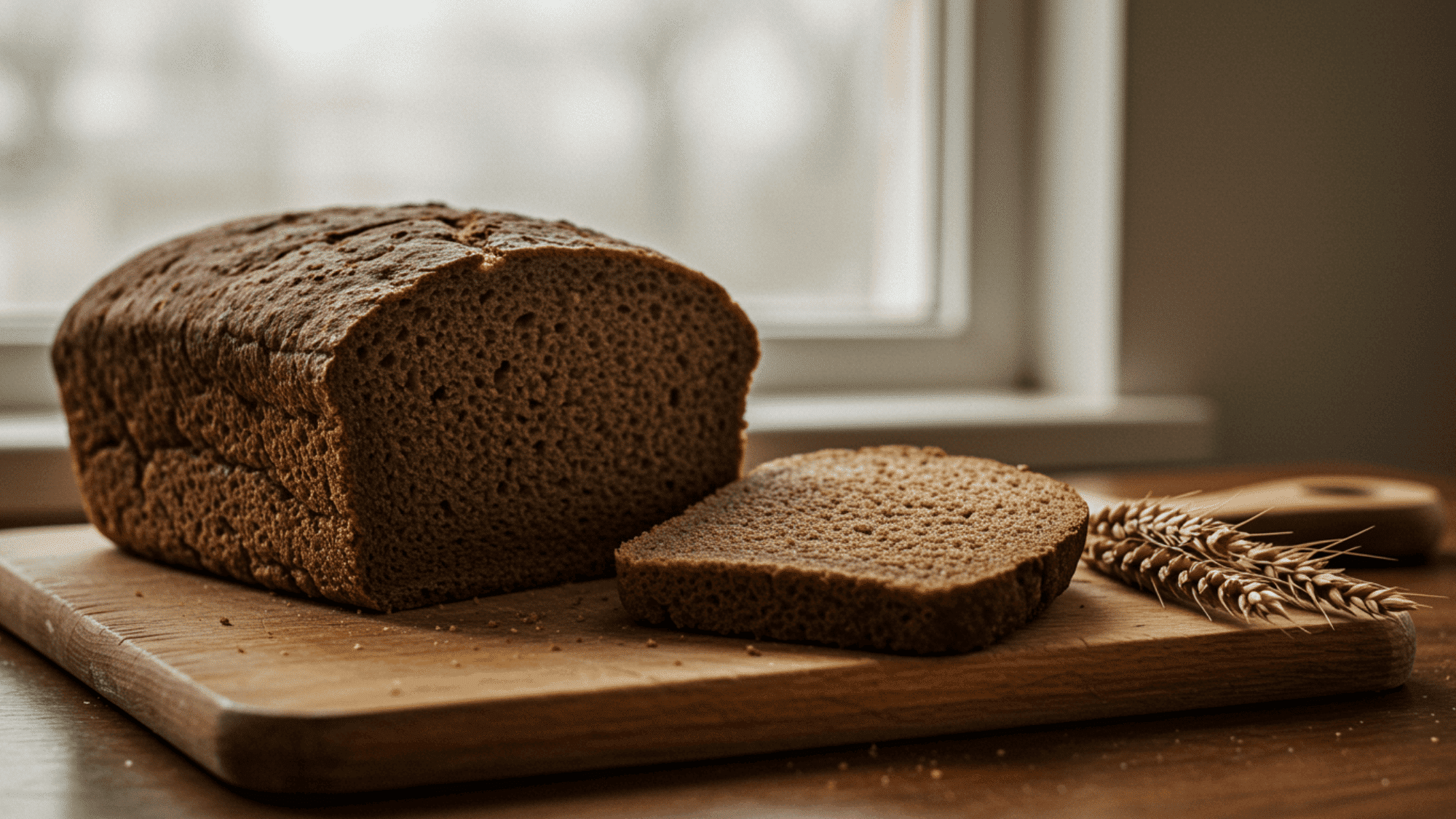
Rye bread comes from rye flour instead of wheat flour. Rye is a grain that grows well in cold climates.
It’s been a staple in Northern and Eastern Europe for centuries. The bread is darker than white bread. It tastes slightly sour and earthy. Some loaves mix rye flour with wheat flour, while others use pure rye.
You’ll find different types at the store. Light rye uses refined flour. Dark rye includes the whole grain.
The texture feels denser and heavier. Rye dough doesn’t rise as much as wheat dough.
That’s because rye has less gluten. This gives the bread its signature compact crumb.
Health Benefits of Eating Rye Bread
Is rye bread healthy for you? This bread does more than fill your stomach. Here are the key benefits:
Helps Control Blood Sugar Levels
It has a lower glycemic index than white bread. Your blood sugar rises slowly after eating it.
This steady release keeps your energy stable throughout the day.
Supports Healthy Digestion
The high fiber content in rye helps your digestive system run smoothly. It prevents constipation and supports healthy gut bacteria.
Regular bowel movements become easier.
Keeps You Fuller Longer
Rye bread satisfies hunger better than wheat bread. The fiber and protein work together to curb your appetite.
You’ll snack less between meals and feel content.
Promotes Heart Health
Regularly eating rye can lower your cholesterol levels.
The soluble fiber binds to cholesterol in your digestive tract. This reduces your risk of heart disease over time.
Aids Weight Management
Rye bread helps you maintain a healthy weight. It’s filling but not overly high in calories.
The fiber slows digestion, so you eat less overall during the day.
Nutritional Value of Rye Bread
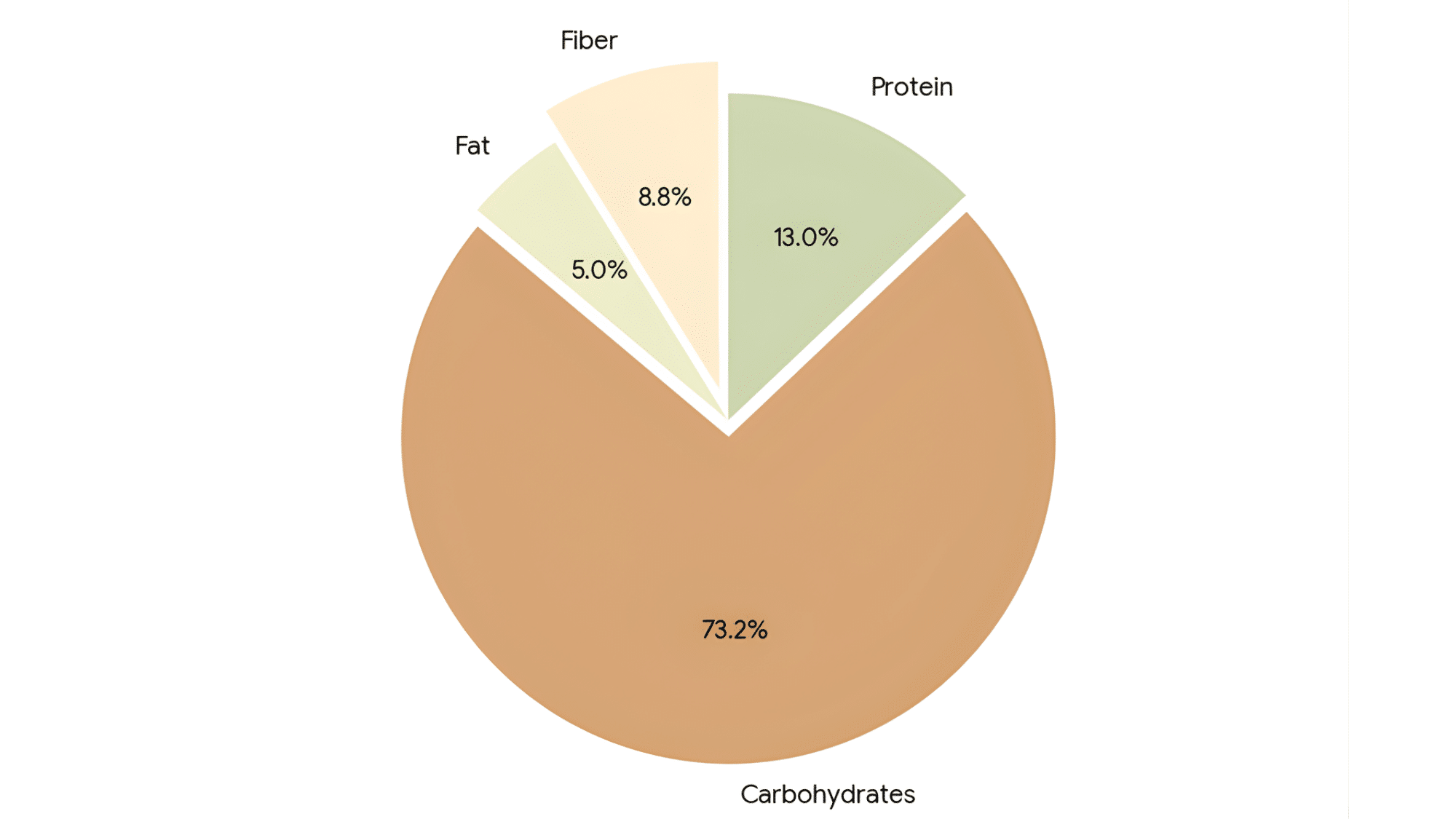
Here’s what you get in a slice of rye bread. These numbers are based on one slice weighing about 32 grams.
| Nutrient | Amount | Main Benefit |
| Calories | 259 kcal | Sustained energy release |
| Carbohydrates | 48g | High in complex starches |
| Fiber | 5.8g | Supports digestive health |
| Protein | 8.5g | Aids muscle maintenance |
| Fat | 3.3g | Mostly heart-healthy fats |
| Manganese | 41% DV | Boosts metabolism |
| Selenium | 20% DV | Supports immune function |
Is Rye Bread Good for You in Weight Loss
Yes, rye bread can support your weight loss goals. The high fiber content keeps you satisfied for hours.
You won’t feel hungry as quickly after eating it. It also has fewer calories than many other bread types.
It slows digestion, helping control your appetite. Studies show people who eat rye consume less food throughout the day. However, portion control still matters.
Eating too much of any bread can add extra calories. Stick to one or two slices per meal for best results.
Rye Bread and Gut Health
Rye bread plays a big role in keeping your gut healthy and functioning well.
- Feeds beneficial gut bacteria that improve digestion and strengthen your immune system.
- Contains prebiotics that help good bacteria thrive in your intestinal tract.
- Reduces inflammation in the digestive system and eases symptoms of bloating.
- Promotes regular bowel movements and prevents uncomfortable constipation issues naturally.
- Increases stool bulk, making waste elimination easier and more comfortable daily.
- Supports a balanced gut microbiome, which affects your overall health and mood.
- It may reduce symptoms of irritable bowel syndrome in some people who eat it regularly.
Rye Bread vs Other Popular Breads
Not all breads are created equal. Let’s compare rye bread to other common types you’ll find at the store.
Rye Bread vs White Bread
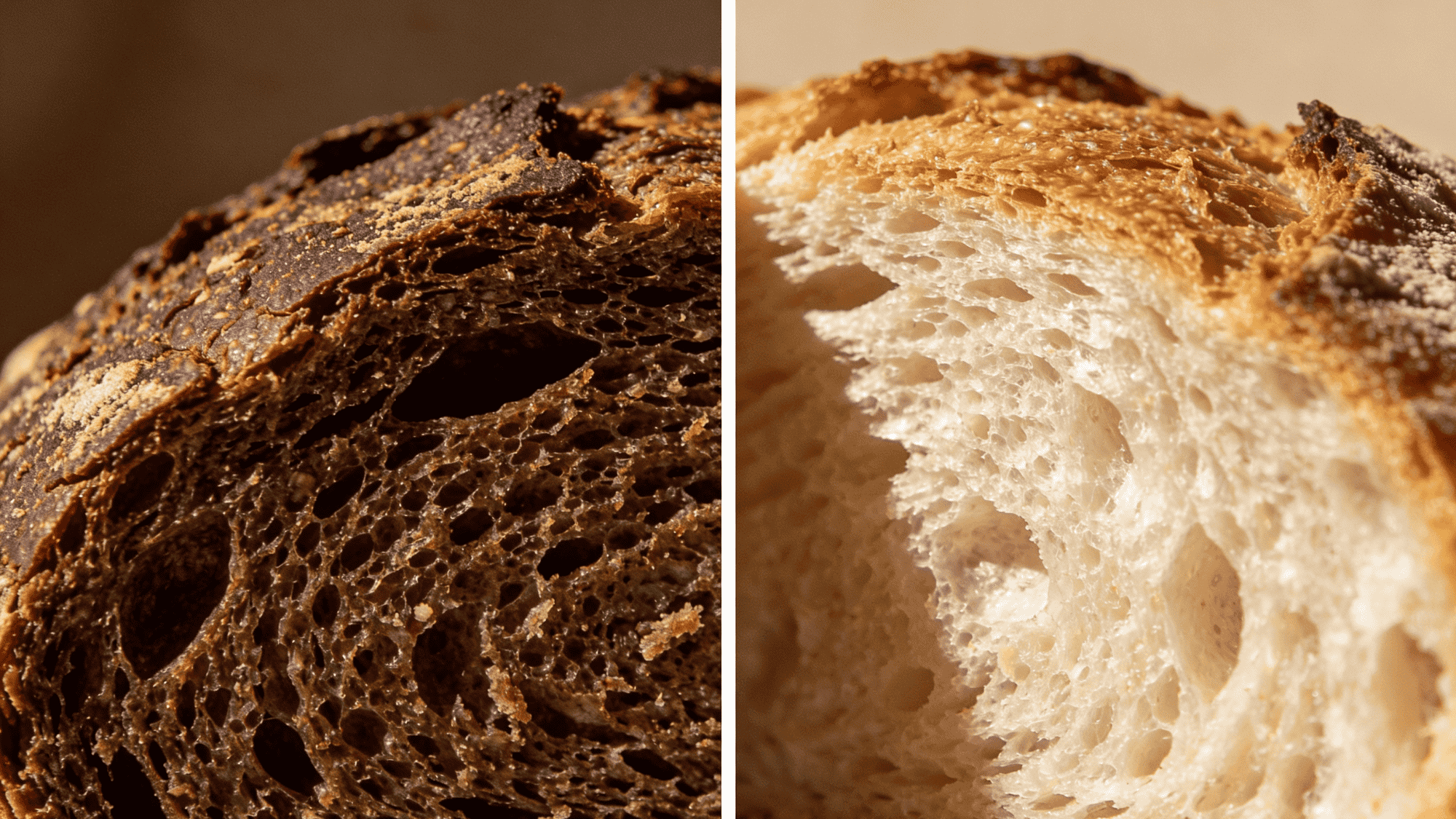
White bread uses refined flour that strips away most nutrients. Rye keeps more of the grain intact.
Rye has three times more fiber and a lower glycemic index. White bread spikes your blood sugar quickly.
Rye releases energy slowly and keeps you full longer. The nutritional gap between them is important.
Rye Bread vs Whole Wheat Bread
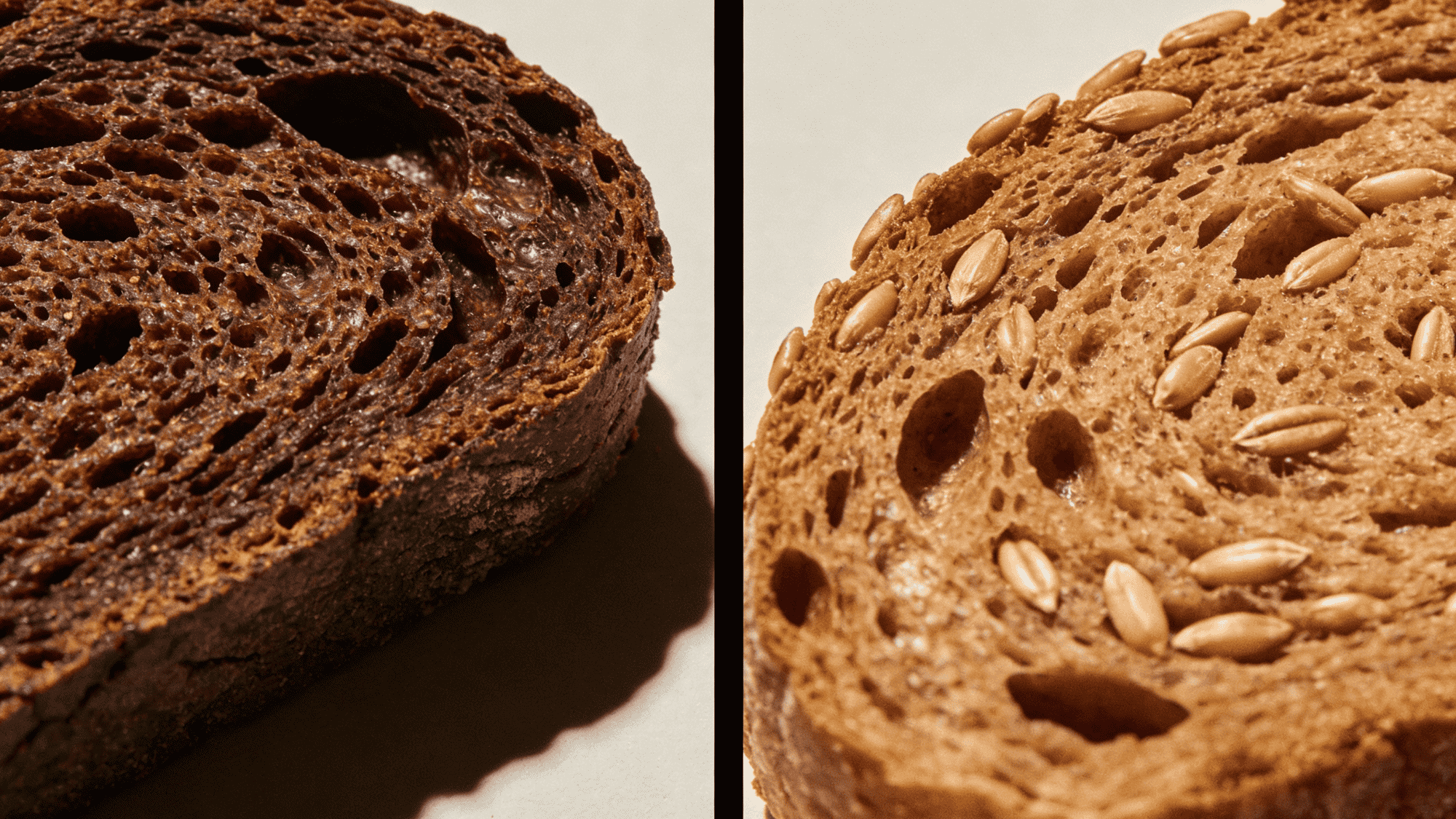
Both are healthy choices, but they differ in key ways. Whole wheat has more gluten and rises higher. Rye contains more fiber per slice and tastes earthier. Whole wheat offers slightly more protein.
Rye controls blood sugar better due to its unique fiber structure. Both support health and digestion effectively.
Rye Bread vs Sourdough Bread
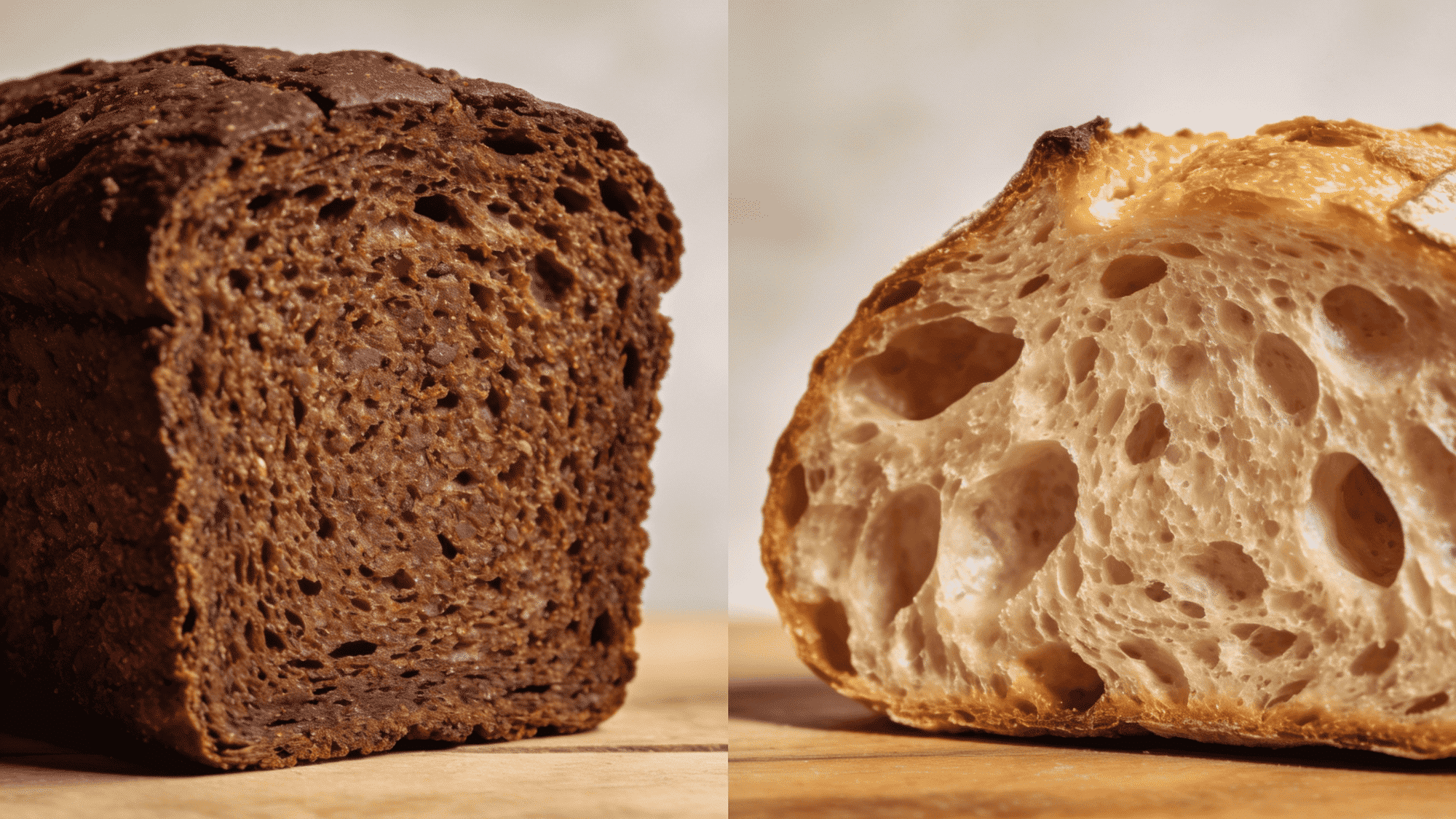
Sourdough uses fermented dough, which makes it easier to digest. Rye can also be made as sourdough for extra benefits. Regular sourdough typically uses wheat flour.
Rye sourdough combines both fermentation and rye’s natural advantages.
The fermentation process increases nutrients in both types. Rye sourdough offers superior blood sugar control.
Rye Bread vs Multigrain Bread
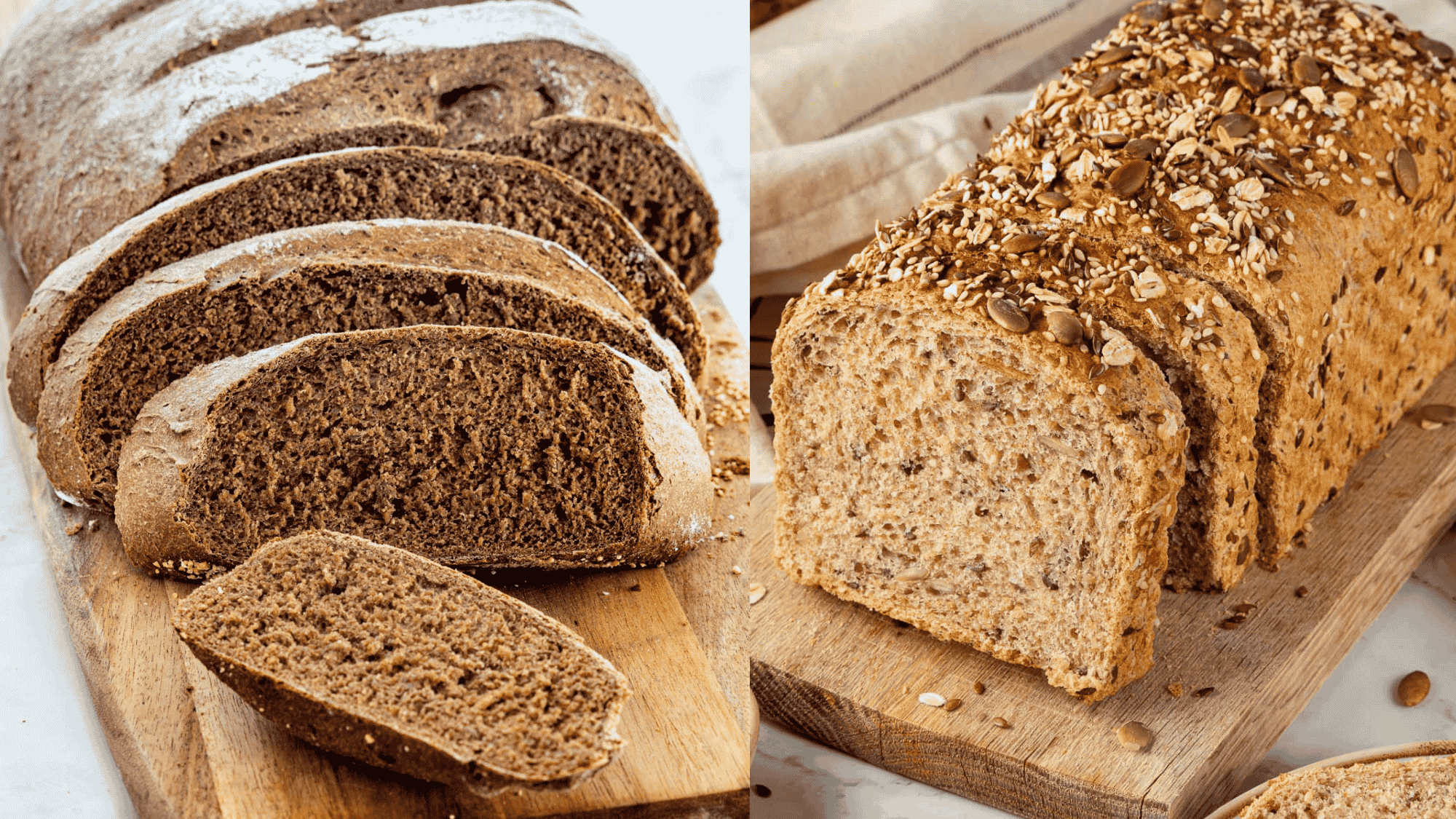
Multigrain bread mixes several grain types together for variety. It sounds healthy, but it often contains refined flours. Rye bread focuses on one grain with consistent benefits.
Multigrain may have seeds and oats for added texture.
Check labels carefully, multigrain doesn’t always mean whole grain. Pure rye delivers more reliable fiber content.
Who Should Be Careful Eating Rye Bread?
- People with celiac disease must avoid rye completely since it contains gluten.
- Those with gluten sensitivity may experience bloating, stomach pain, or digestive discomfort.
- Individuals with irritable bowel syndrome might find rye worsens their symptoms temporarily.
- Anyone with a rye allergy should stay away to prevent allergic reactions.
- People on low-carb or keto diets need to limit rye due to its carbohydrate content.
- Individuals with thyroid issues may need to monitor their rye intake carefully.
- People new to high-fiber foods should introduce rye slowly to avoid gas or cramping.
How to Make Rye Bread at Home?
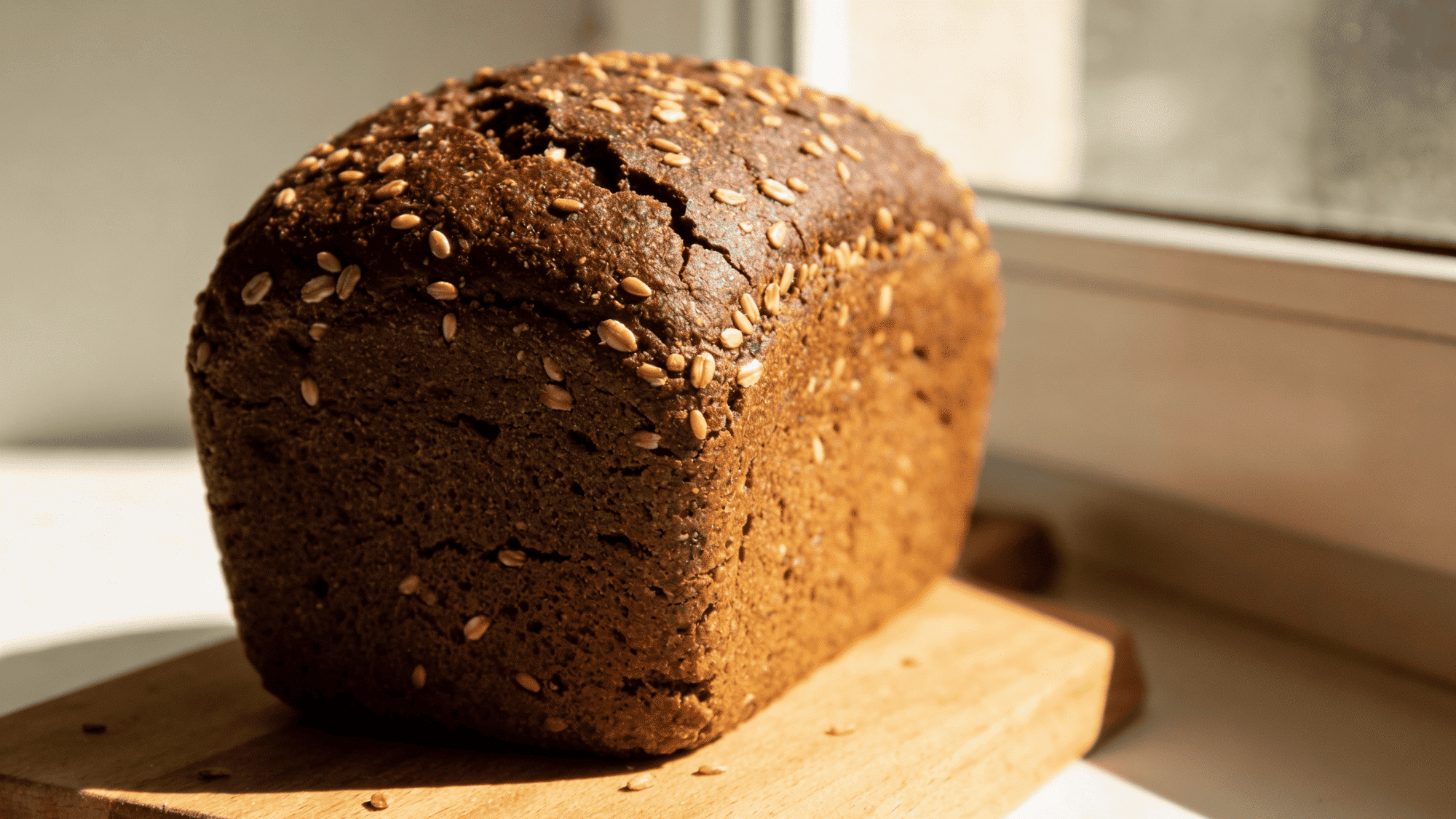
Making this bread at home is simpler than you think. Here’s a basic recipe to get you started.
Ingredients:
- 2 cups rye flour
- 1 cup wheat flour
- 1½ cups hot water
- 2 teaspoons yeast
- 1 tablespoon honey
- 1 teaspoon salt
- 2 tablespoons oil
Steps:
Mix yeast with hot water and honey. Let it sit for 5 minutes. Add both flours, salt, and oil.
Knead the dough for 10 minutes until smooth. Place in a greased bowl and cover. Let it rise for 90 minutes. Shape into a loaf and put in a bread pan.
Let it rise again for 45 minutes. Bake at 375°F for 35-40 minutes.
Cool before slicing.
Final Thoughts
Is rye bread good for you? Absolutely.
It offers more fiber, better blood sugar control, and keeps you satisfied longer than regular white bread. Your gut health improves, and your heart benefits too.
Some people need to avoid it due to gluten. But for most of us, rye is a smart choice.
Start with one or two slices a day. See how your body responds.
You might find you feel fuller and have more stable energy.