Key Takeaways
Different types of sushi have vastly different storage times in your fridge.
Temperature control and proper storage methods directly impact sushi safety.
Recognizing spoilage signs can protect you from serious food poisoning.
Raw fish requires much stricter handling than cooked or vegetarian options.
Store-bought and homemade sushi follow different safety guidelines.
What Affects Sushi Shelf Life?
Several factors determine how long sushi lasts in the fridge. First, its the type of fish.
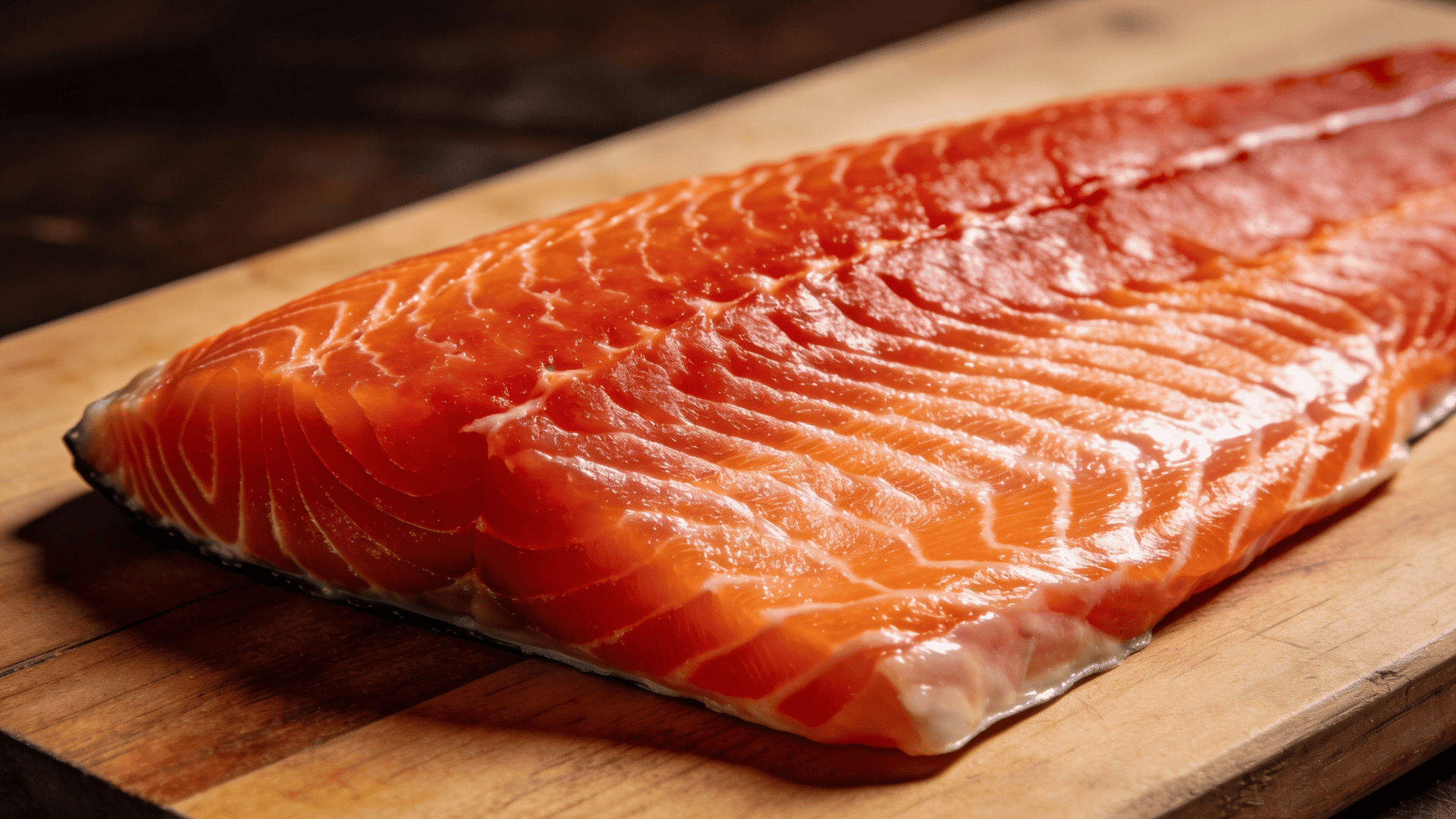
Raw sushi goes bad faster than cooked ingredients. Tuna and salmon are more delicate than shrimp tempura or California rolls with imitation crab.
Temperature matters a lot. Your fridge needs to stay at 40°F or below.
In hot temperatures, bacteria multiply quickly. How the sushi was handled before you bought it also matters.
If it sat out at room temperature for hours, it’s already on its way to spoiling.
The ingredients also matter. Rice can dry out. Vegetables get soggy. Seaweed loses its crunch.
And finally, packaging makes a difference. Airtight containers keep sushi fresh longer than loose wrapping.
How Long Does Sushi Last in the Fridge?
The storage time depends on what’s inside your sushi roll.
1. Raw Sushi
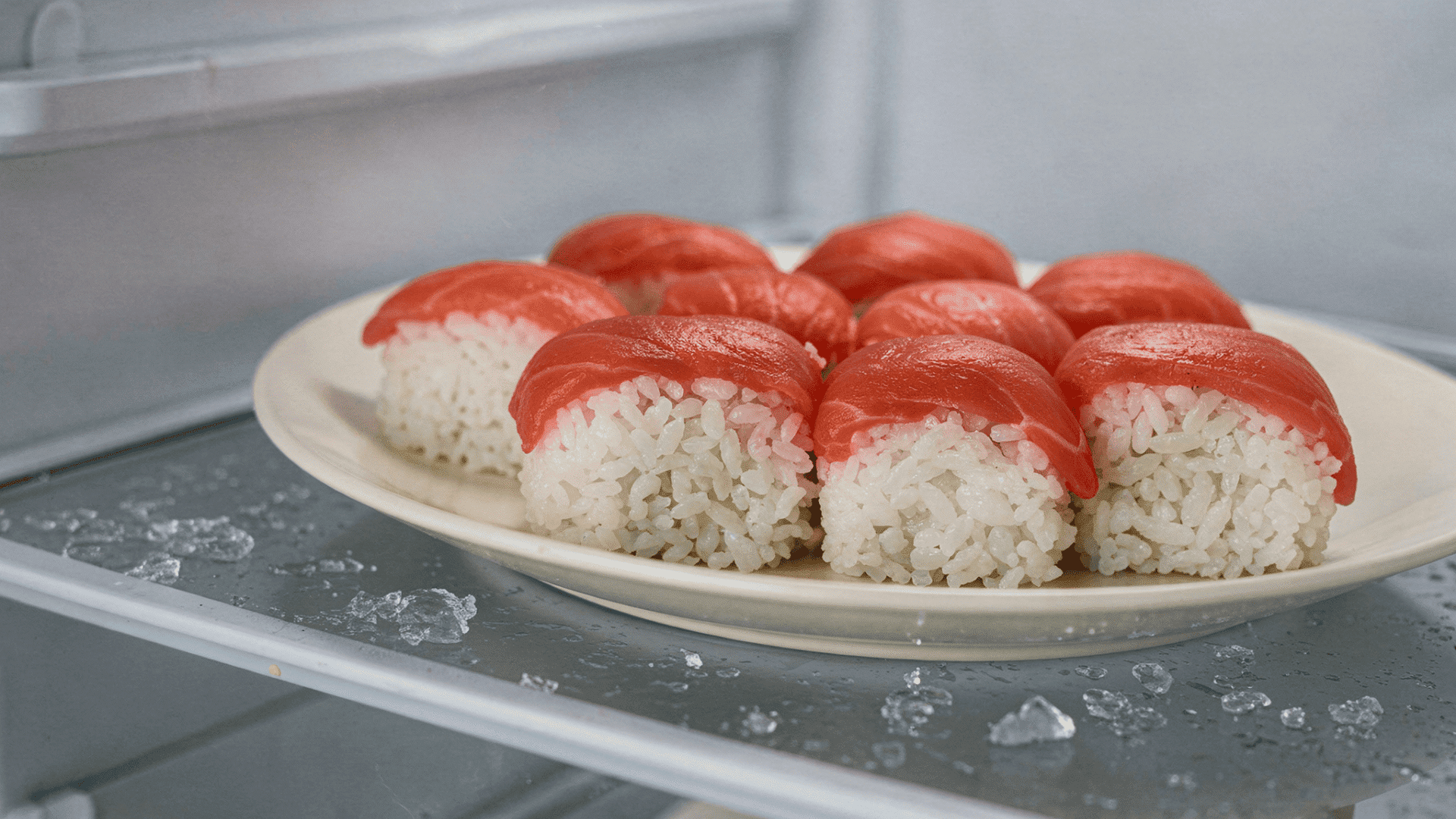
Raw fish sushi only lasts 24 hours in the fridge at 40°F or below. Never push it past one day.
The fish begins to break down quickly, and bacteria grow rapidly. After 12 hours, you’ll notice the texture changes.
The fish becomes mushy, weakens, and smells worse. Discard after 24 hours.
2. Cooked Sushi Rolls
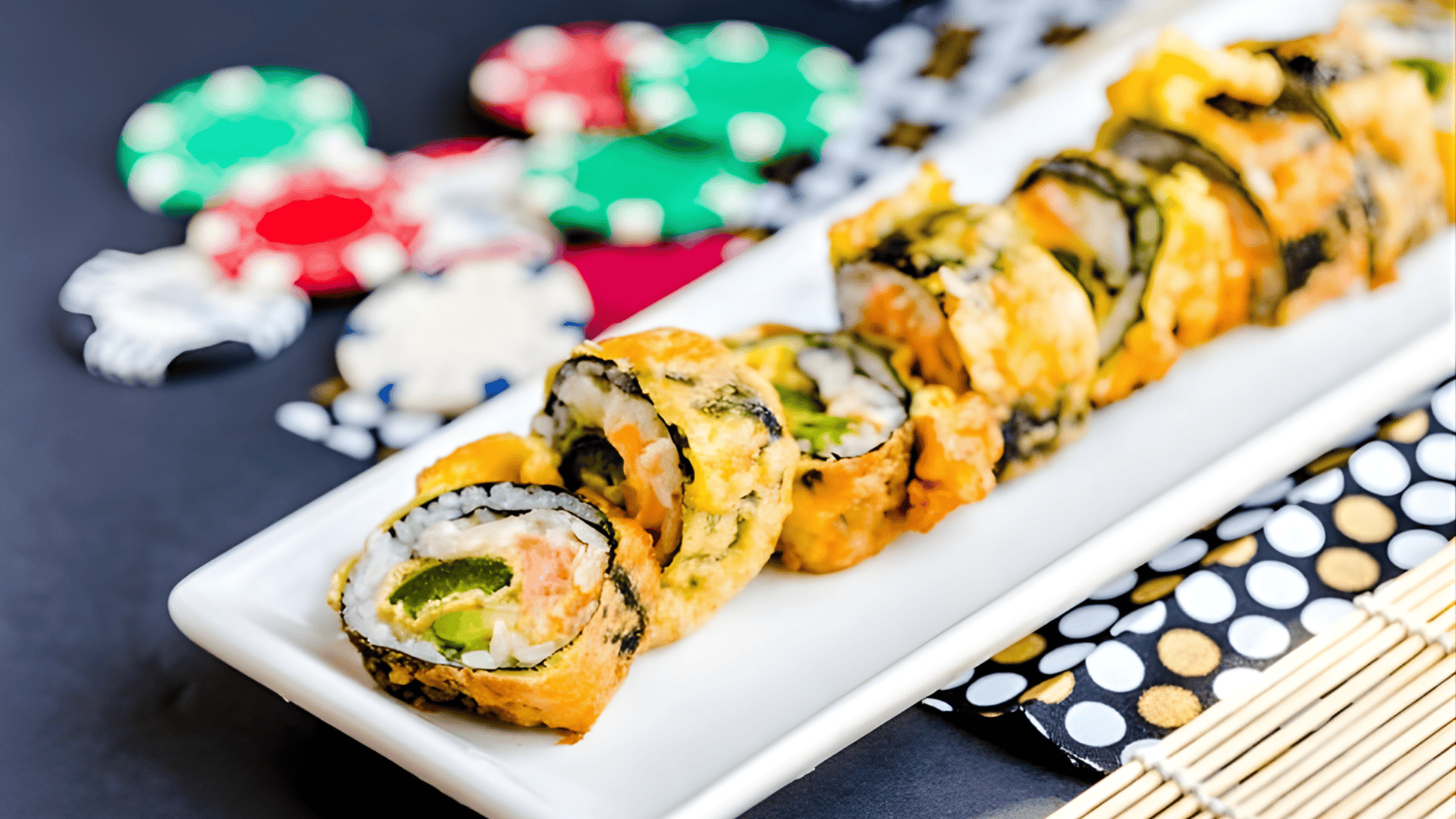
Cooked sushi can last 3 to 4 days when stored properly at 40°F or below.
Rolls with cooked shrimp, crab, eel, or tempura hold up much better than raw varieties. The rice might get hard, and the seaweed softens, but it’s still safe.
California rolls, shrimp tempura rolls, and spider rolls fall into this category. Just keep them sealed tight.
3. Vegetarian Sushi
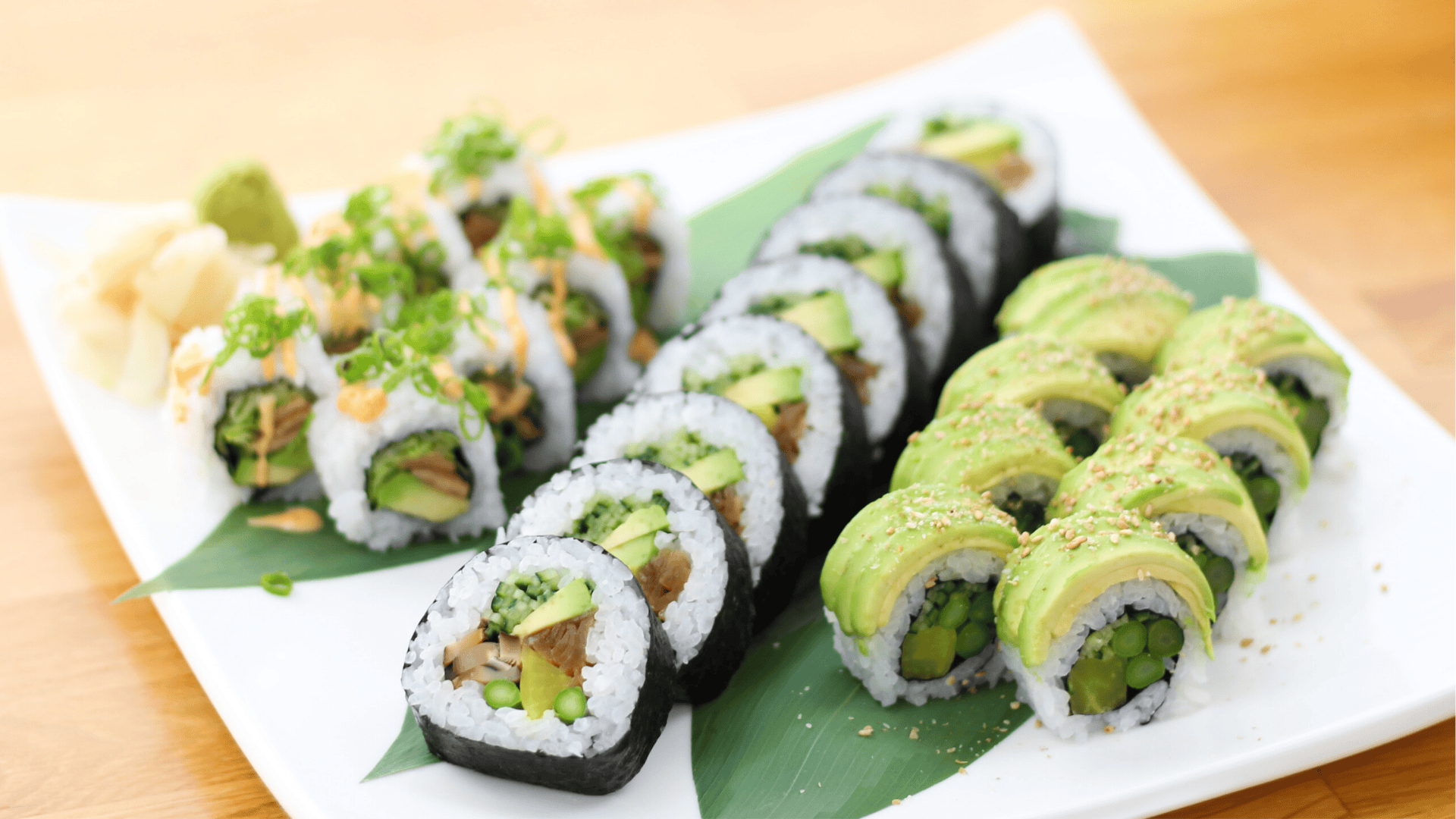
Vegetarian rolls last about 5 to 7 days in the fridge at 40°F or below. Since there’s no fish or seafood, they stay fresh longer.
Cucumber, avocado, and pickled vegetable rolls are pretty sturdy.
The main issue is the rice drying out and avocado browning. But they won’t make you sick like old fish would.
Store-Bought Sushi vs Homemade Sushi – Which Lasts Longer?
| Factor | Store-Bought Sushi | Homemade Sushi |
|---|---|---|
| Shelf Life | 24 hours for raw fish types | The same 24-hour rule applies |
| Freshness | Depends on when it was made | You know exactly when you made it |
| Quality Control | Follows strict food safety standards | Depends on your handling practices |
| Storage Temperature | Kept at proper temps until purchase | May sit out during prep |
| Expiration Date | Clearly labeled on the package | You must track it yourself |
| Fish Source | Usually from certified suppliers | Quality varies by where you bought it |
| Risk Level | Lower if from a reputable store | Higher if the fish wasn’t sushi-grade |
| Best Practice | Check the date before buying | Eat it the same day you make it |
Signs Sushi Has Gone Bad
Here’s how to tell if your sushi is no longer safe to eat:
- The fish smells sour, fishy, or like ammonia, rather than fresh and mild.
- Rice has become hard, crusty, or completely dried out.
- The fish looks dull or discolored, or has a slimy coating.
- There’s visible mold growing on any part of the sushi.
- The texture feels mushy or falls apart when you touch it.
- Seaweed has turned from crisp to soggy and wet.
- You notice a strange or off taste even after one bite.
- The color of the fish has changed to gray or brown.
- There’s excess liquid pooling at the bottom of the container.
- Your gut tells you something’s not right, trust that feeling.
Is It Safe to Eat Sushi After One Day
It depends on the type of sushi. Raw fish sushi? Don’t risk it after 24 hours.
Bacteria multiply quickly, increasing the risk of food poisoning. Even if it looks fine, harmful bacteria can be growing.
Cooked sushi is a different story. If you stored it properly in an airtight container at 40°F or below, it’s usually safe for 3 to 4 days. Vegetarian rolls can last up to a week when stored correctly.
The real question is quality versus safety. Even cooked sushi loses its texture and taste after a day.
The rice gets hard, and the seaweed turns chewy.
My rule? Eat raw fish sushi the same day. Everything else, use your judgment within the safe window
Here’s How to Store Sushi in the Fridge Properly
Proper storage can extend your sushi’s freshness and keep it safe to eat.
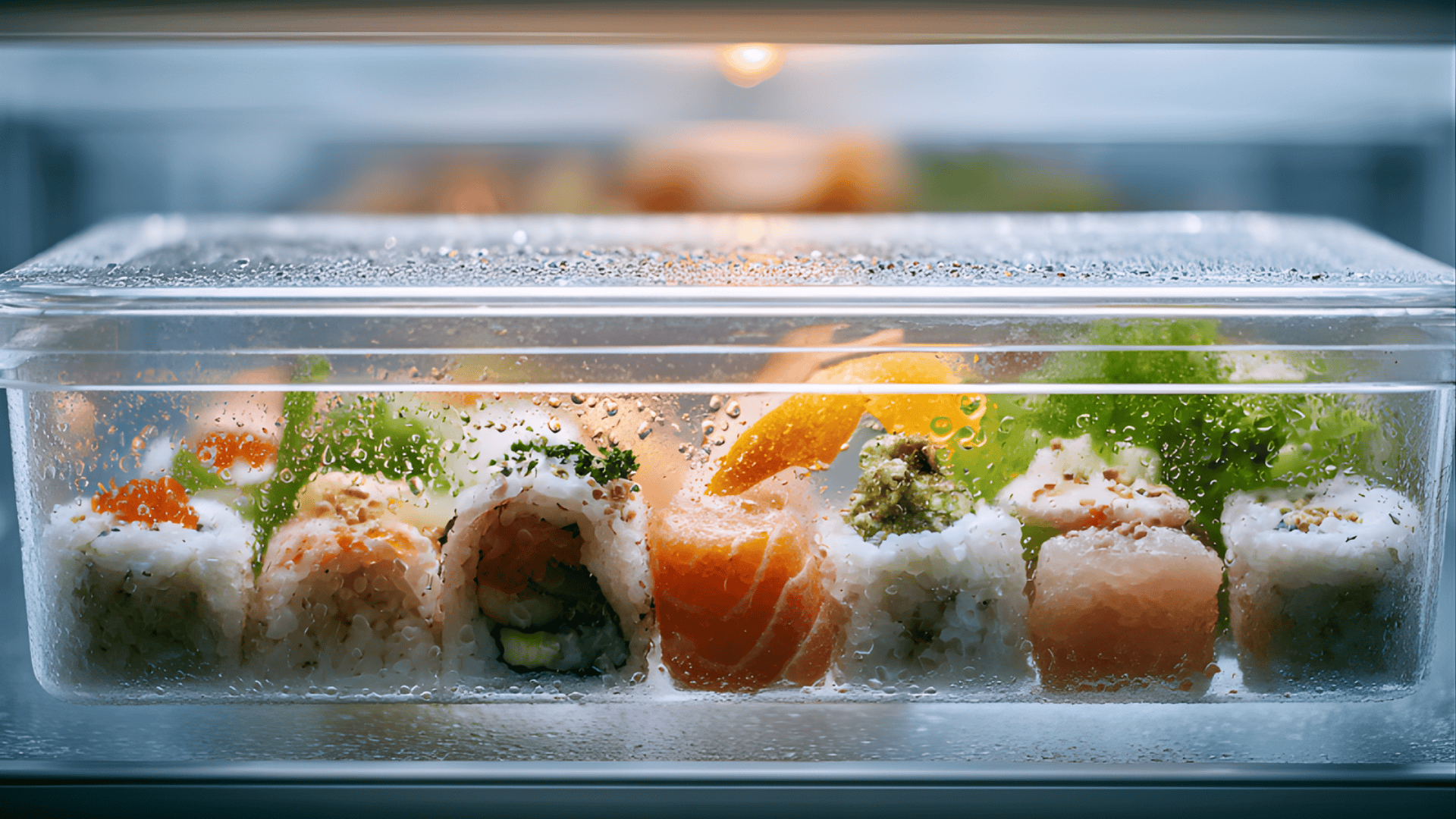
Use an airtight container
Place sushi in a sealed container to prevent air from entering, slow drying, and keep odors from spreading.
Refrigerate as soon as possible
Put sushi in the fridge within one hour to reduce bacteria growth and food safety risks.
Keep the temperature cold
Store sushi at or below 40°F so the fish stays fresh and the rice does not spoil quickly.
Separate sauces and toppings
Keep soy sauce, ginger, and wasabi separate to prevent soggy rice and changes in texture.
Wrap rice gently
Lightly cover the sushi with plastic wrap to keep the rice moist without crushing the rolls.
Place on the top shelf
Store sushi above raw meats to lower the chance of contamination from leaking juices. Sushi tastes better and stays safer when eaten the next day, not stored longe
Food Safety Tips for Leftover Sushi
- Always refrigerate sushi within two hours of purchase or preparation.
- Label your container with the date you stored it.
- Wash your hands before handling any leftover sushi.
- Use clean utensils and plates when serving leftovers.
- Smell and inspect it carefully before taking a bite.
- Never reheat raw fish sushi, it won’t make it safe.
- Keep sushi away from raw meat and poultry in the fridge.
- If you got sick from a restaurant, report it to the health authorities.
Wrapping It up
These timelines only work if you store everything properly at 40°F or below.
Trust your senses. If the smell is off, the texture is weird, or the color has changed, don’t eat it.
No sushi is worth getting food poisoning over. Always label containers with dates now.
It takes two seconds and saves me from having to guess later.
Store your sushi properly, check it before eating, and enjoy every bite safely.
Frequently Asked Questions (FAQ’s)
1. Can You Eat 3-Day-Old Sushi?
Only if it’s cooked or vegetarian sushi, never raw fish.
2. Can You Refrigerate Sushi Rice Separately?
Yes, rice lasts 4 to 6 days when stored separately.
3. Can You Freeze Sushi?
Freezing changes the texture badly, but cooked rolls freeze better than raw ones.