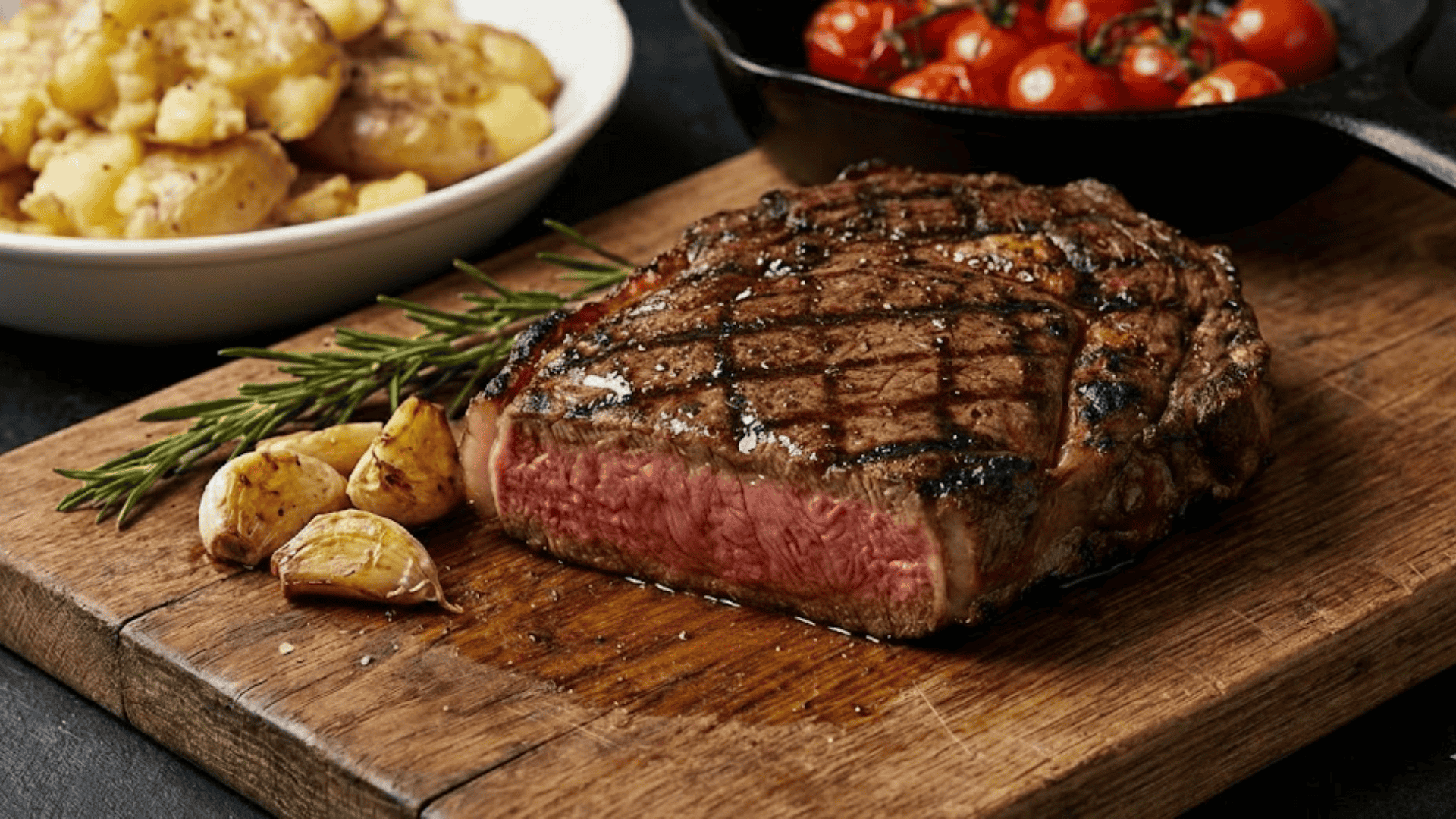
Is sirloin healthy?
That simple question sends people down a confusing path. They find conflicting advice about red meat.
Calorie counts vary wildly between sources. Some praise it while others condemn it.
Meanwhile, the nutrition label at the grocery store only tells part of the story. It’s frustrating when you just want straight facts to make an informed choice.
This blog cuts through the confusion with clear, factual information about what’s actually in a serving of sirloin steak.
Where Does Sirloin Steak Come From?
Sirloin comes from the rear back portion of the cow, between the short loin and the round. This area lies near the hip and receives moderate exercise throughout the animal’s life.
The sirloin section breaks down into several cuts:
- Top sirloin – the most tender part, closest to the short loin
- Bottom sirloin – includes tri-tip and sirloin bavette
- Center-cut sirloin – balanced between tenderness and flavor
This location explains why sirloin offers leaner meat compared to ribeye, yet remains more tender than round cuts.
The muscle works just enough to develop flavor without becoming tough.
Sirloin Steak Nutrition Distribution
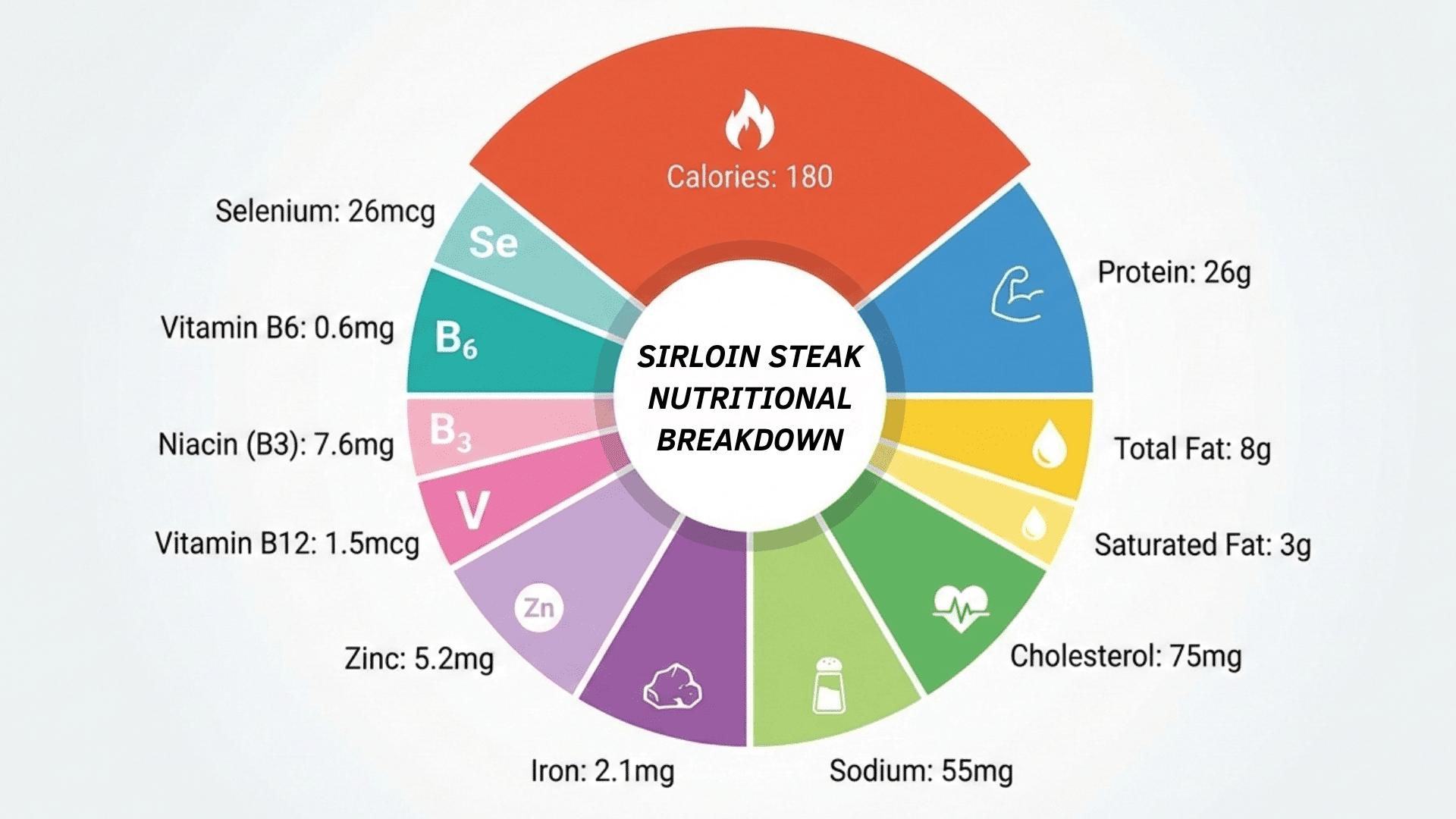
A 3-ounce serving of cooked sirloin provides about 180 calories.
Protein makes up the largest portion at roughly 26 grams per serving. Fat content sits around 8 grams for trimmed cuts.
The calorie breakdown is: protein accounts for 58% of total calories, while fat accounts for 40%. Carbohydrates are practically zero.
Sirloin contains no sugar or fiber.
Micronutrients fill the remaining nutritional profile. Iron, zinc, and B vitamins show up in significant amounts.
Selenium and phosphorus round out the mineral content in each serving.
Health Benefits of Sirloin Steak
Sirloin offers more than just taste. When eaten as part of a balanced diet, this cut provides nutrients that support various body functions.
Here’s what it brings to the table.
1. Builds and Repairs Muscle Tissue
The high protein content in sirloin helps build new muscle fibers after workouts.
It contains all nine essential amino acids that the body can’t produce on its own. These amino acids work together to repair damaged tissue and support muscle growth.
It makes sirloin a solid choice for people who exercise regularly or need extra protein.
2. Boosts Iron Levels
Sirloin provides heme iron, the type the body absorbs most efficiently.
This form of iron is better than plant-based sources. Just one serving provides about 15% of the daily iron requirement.
Adequate iron levels prevent fatigue and support healthy red blood cell production, which carries oxygen to organs and tissues throughout the body.
3. Supports Immune Function
Zinc in sirloin plays a key role in immune system health.
A 3-ounce serving provides roughly 30% of the daily zinc requirement. This mineral helps white blood cells fight off bacteria and viruses.
It also supports wound healing and the body’s natural defense mechanisms against illness and infection.
4. Provides Energy Through B Vitamins
Sirloin contains several B vitamins, including B12, B6, and niacin. These vitamins convert food into usable energy at the cellular level.
B12 specifically supports nerve function and helps create DNA.
Since B12 is naturally found only in animal products, sirloin is an efficient way to meet daily requirements for this essential nutrient.
5. Maintains Bone Strength
The phosphorus in sirloin, along with calcium, helps build and maintain strong bones.
Each serving provides about 20% of daily phosphorus needs. This mineral also helps filter waste in the kidneys and supports tissue repair.
Combined with protein, phosphorus contributes to skeletal health and reduces the risk of bone-related issues over time.
Is Sirloin Steak High in Cholesterol?
A 3-ounce serving of sirloin contains roughly 75-80 milligrams of cholesterol. That’s about 25% of the recommended daily limit of 300 milligrams.
Compared to other cuts of meat, sirloin falls in the moderate range.
Chicken breast has slightly less at 70 milligrams. Ribeye carries more at 90 milligrams per serving.
People who are watching their cholesterol intake can still enjoy sirloin occasionally.
Trimming visible fat before cooking reduces the total amount.
Portion control matters too. Smaller servings naturally mean less cholesterol consumption while still providing protein and other nutrients.
Does Overconsuming Sirloin Steak Pose Health Risks?
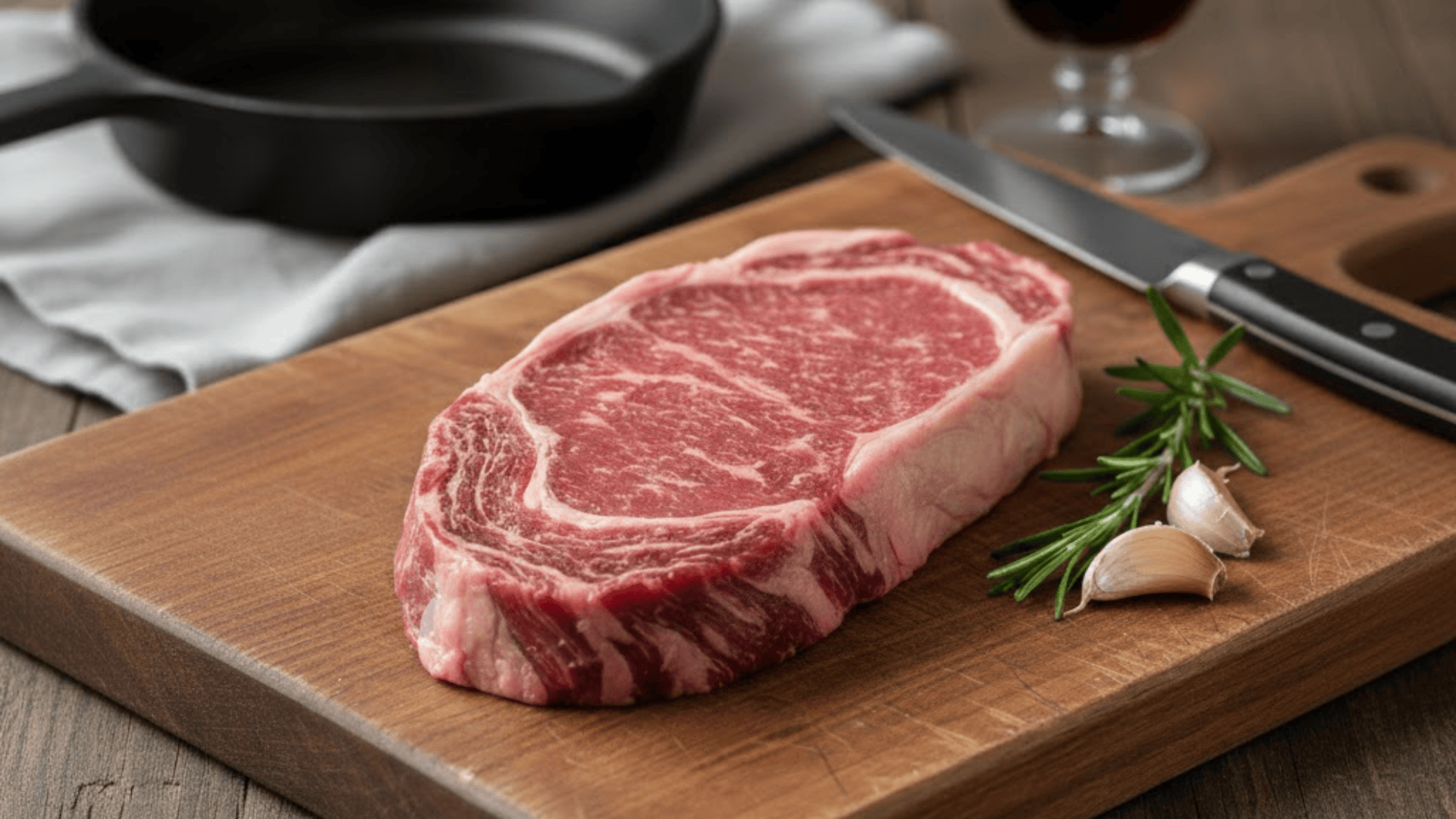
Eating sirloin in moderation fits most healthy diets. But too much of any single food can cause problems.
Here are the risks of eating sirloin too often.
1. Increases Saturated Fat Intake
Regular overconsumption raises saturated fat levels in the diet.
High saturated fat intake is linked to elevated LDL cholesterol, which may increase heart disease risk over time.
2. May Contribute to Weight Gain
Sirloin is calorie-dense compared to lean proteins like fish or chicken.
Eating large portions frequently without adjusting total calorie intake can lead to unwanted weight gain.
3. Strains Kidney Function
High protein consumption from daily red meat eating puts extra work on the kidneys.
People with existing kidney issues should carefully monitor their protein intake.
4. Raises Sodium Levels When Seasoned
Most sirloin preparations include salt and seasoned rubs.
Eating heavily seasoned steak regularly increases daily sodium intake, which may elevate blood pressure in sensitive individuals over time.
5. Limits Dietary Variety
Relying too heavily on sirloin can leave you missing nutrients from other protein sources.
Fish offer omega-3 fatty acids. Legumes provide fiber. Variety ensures a well-rounded nutritional profile.
6. May Increase Cancer Risk
Studies suggest that eating large amounts of red meat regularly correlates with higher colorectal cancer risk.
Moderation and balanced eating patterns help reduce this potential concern.
Who Should Avoid Sirloin Steak?
People with specific health conditions should limit or skip sirloin. Those with high cholesterol or heart disease need to closely monitor their saturated fat intake.
Their doctors often recommend reducing red meat consumption.
Individuals with kidney disease should closely monitor protein levels. Too much protein stresses already compromised kidneys.
People with gout may experience flare-ups from red meat. Purines in beef can trigger painful symptoms.
Those following plant-based diets obviously avoid all animal products.
And anyone with a red meat allergy must steer clear completely to prevent allergic reactions.
What are the Best Cuts for Sirloin Steak?
The sirloin section offers several cuts, each with different qualities. Choosing the right one depends on cooking method and preference.
Top sirloin ranks as the most popular choice. It balances tenderness with beefy flavor and costs less than premium cuts like ribeye.
Other quality sirloin cuts include:
- Tri-tip – triangular cut from the bottom sirloin, great for grilling
- Sirloin cap – also called picanha, tender with a fat cap
- Center-cut sirloin – uniform thickness, cooks evenly
Sirlonin Steak vs. Other Beef Cuts
Sirloin isn’t the only beef cut available. Different cuts like NY strip cut offer varying nutrition profiles, textures, and flavors.
| Beef Cut | Calories (3 oz) | Protein (g) | Fat (g) | Cholesterol (mg) | Tenderness | Best For |
|---|---|---|---|---|---|---|
| Sirloin | 180 | 26 | 8 | 75-80 | Moderate | Grilling, stir-fry |
| Ribeye | 210 | 23 | 13 | 90 | Very tender | Grilling, pan-searing |
| NY Strip | 195 | 24 | 11 | 80 | Very tender | Grilling, broiling |
| Tenderloin/Filet | 175 | 24 | 8 | 71 | Most tender | Special occasions |
| Chuck | 240 | 23 | 16 | 88 | Less tender | Slow cooking, stews |
| Round | 160 | 25 | 6 | 69 | Least tender | Roasting, lean dishes |
| Flank | 160 | 23 | 7 | 57 | Moderate | Marinating, fajitas |
| Brisket | 205 | 21 | 13 | 80 | Tough (needs cooking) | Smoking, braising |
How to Add Sirlonin Steak to your Diet?
Adding sirloin to meals doesn’t require fancy recipes or complicated techniques. Simple preparation methods work best.
The following are practical ways to include this protein in regular eating patterns.
1. Grilled Sirloin Steak
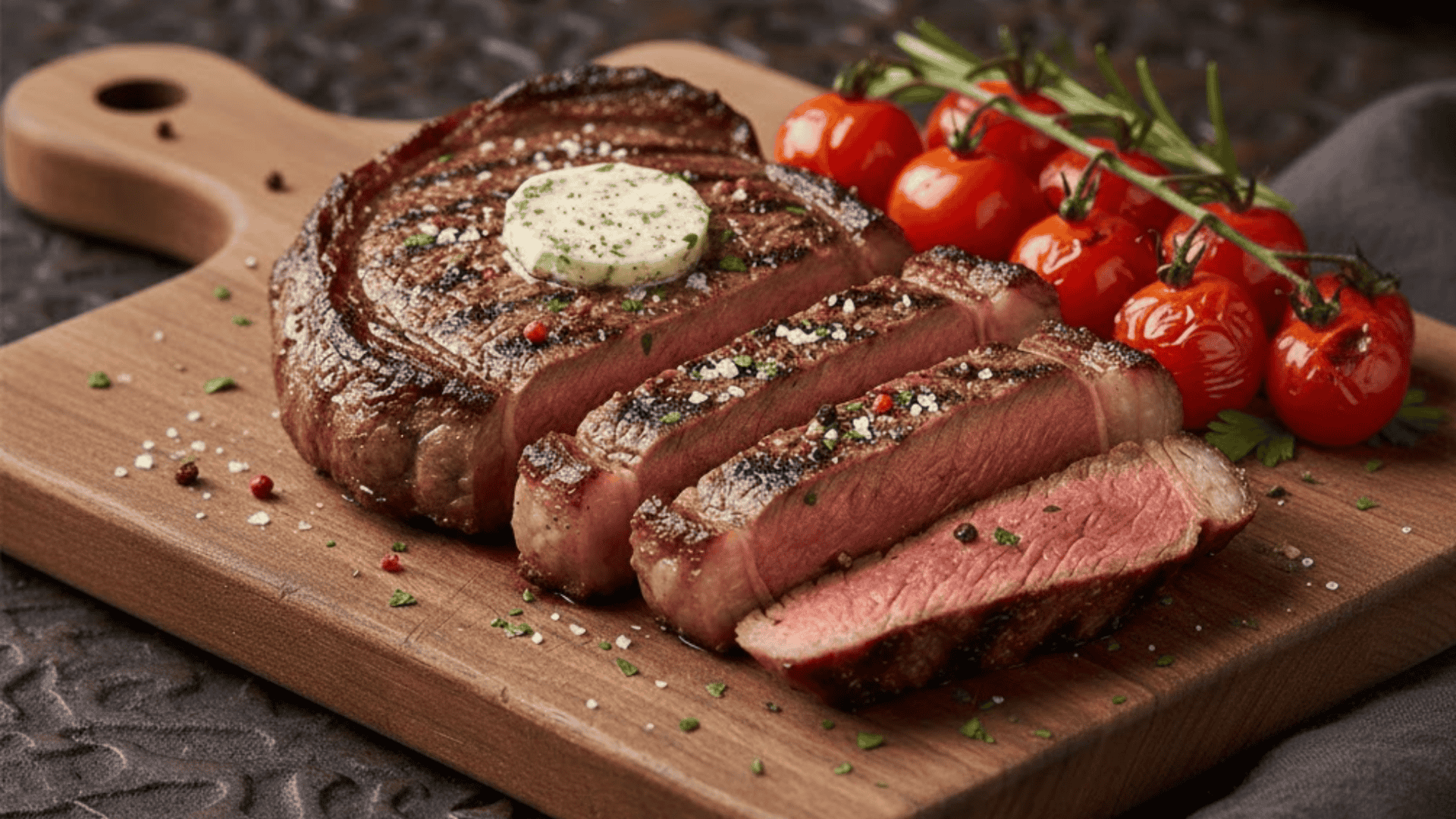
A classic preparation that lets the meat’s natural flavor stand out. Season with salt and pepper, then grill over high heat.
The char adds smoky notes while keeping the inside juicy and tender.
2. Steak Fajitas
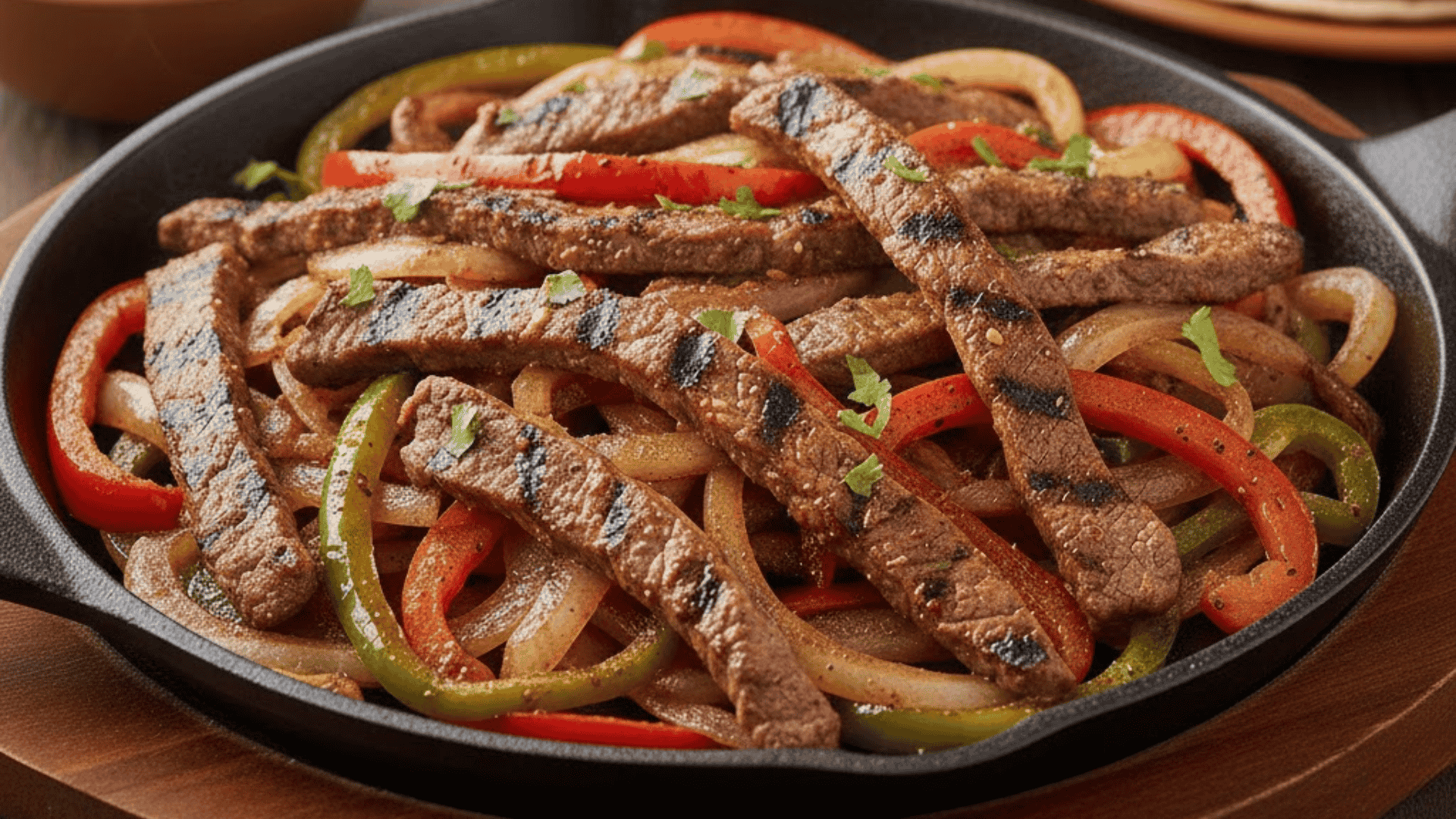
Sliced sirloin strips, mixed with sautéed peppers and onions, make this Tex-Mex favorite.
Serve in warm tortillas with toppings like sour cream, cheese, and salsa for a crowd-pleasing meal.
3. Beef Stir-Fry
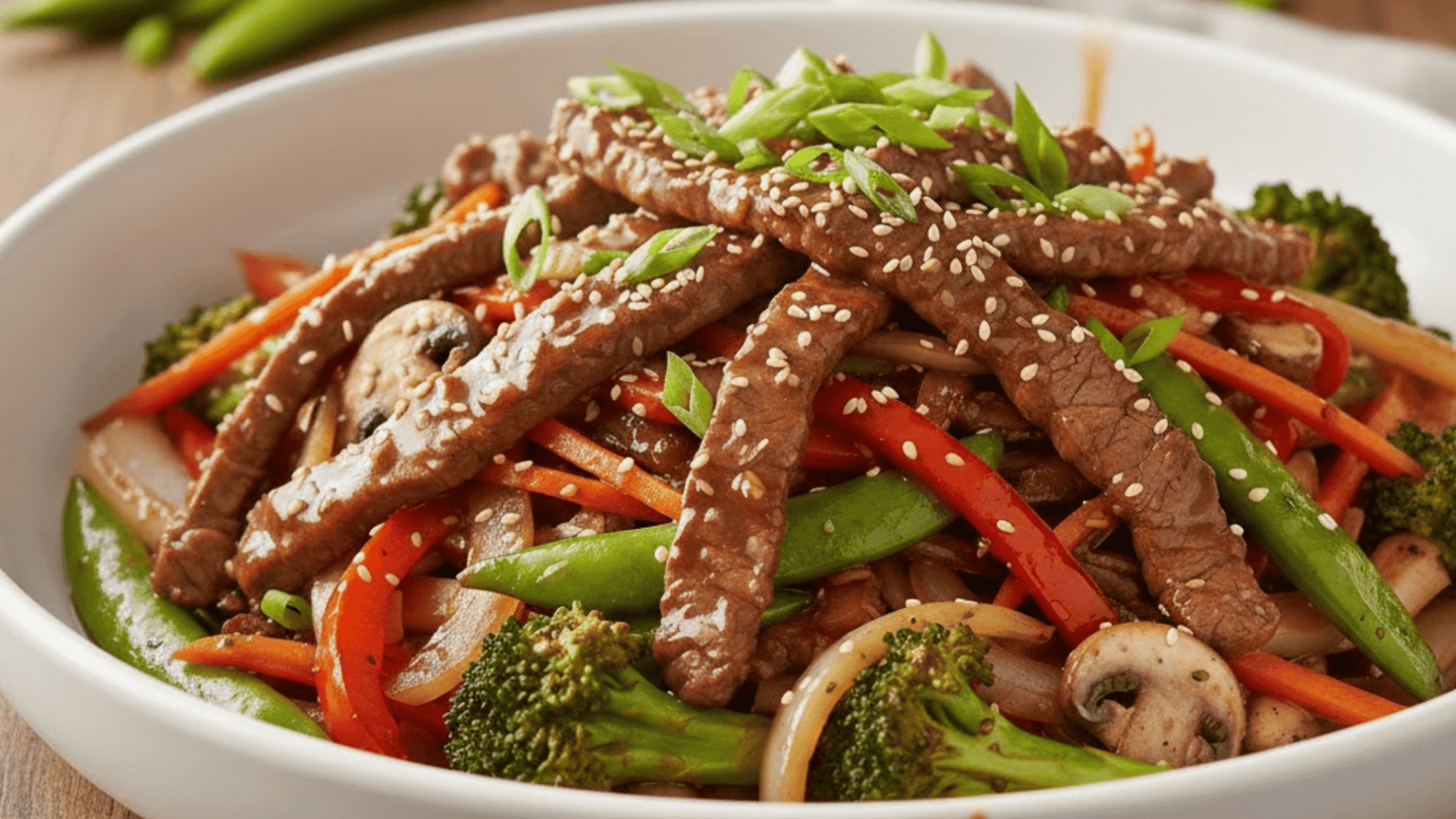
Thin sirloin strips cook quickly in a hot wok with vegetables and sauce.
This Asian-inspired dish comes together fast, making it perfect for weeknight dinners when time is limited.
4. Steak and Eggs
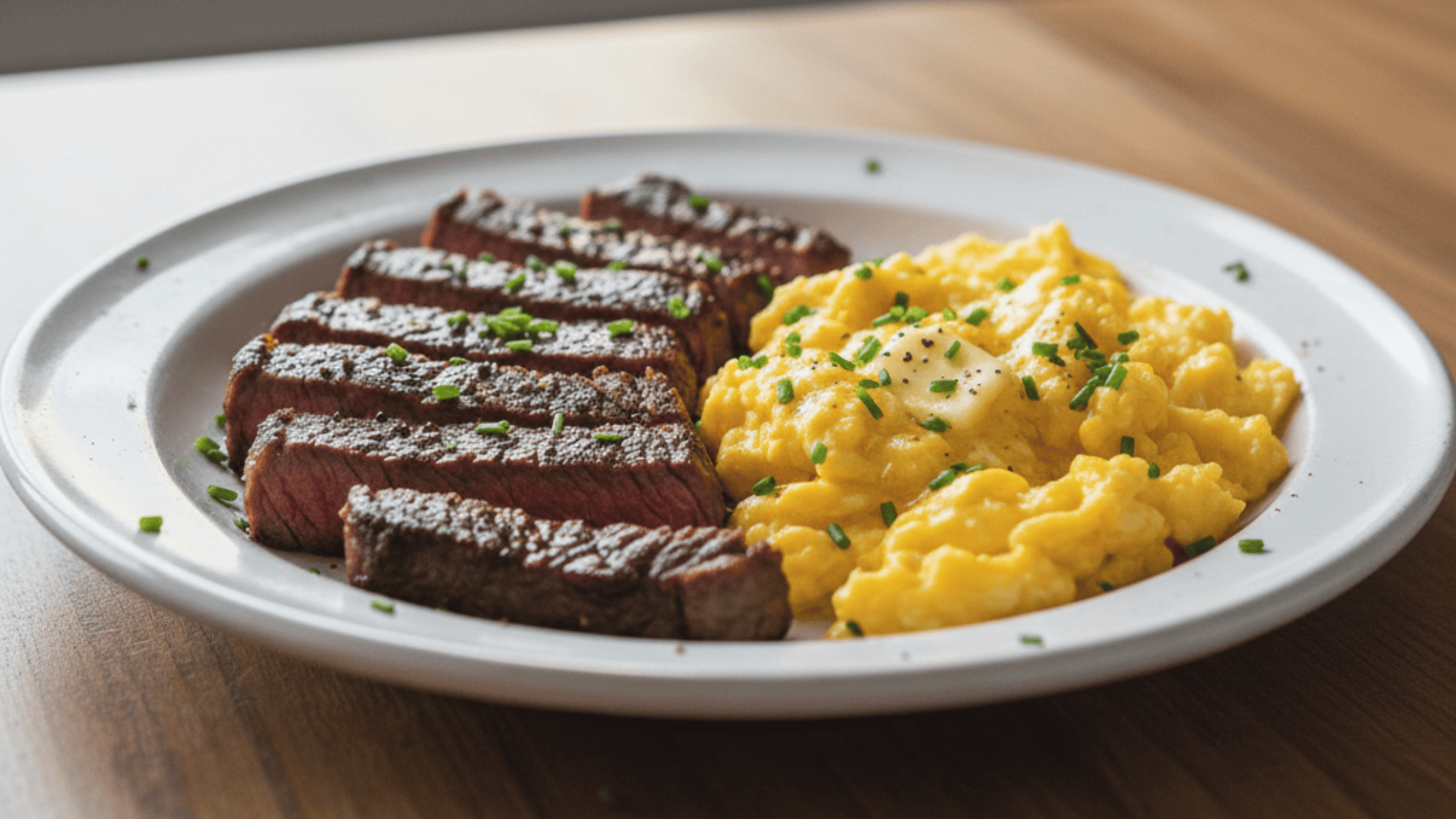
A hearty breakfast combining pan-seared sirloin with fried or scrambled eggs.
Hash browns or toast often accompany this protein-packed morning meal that keeps people full for hours.
5. Sirloin Kebabs
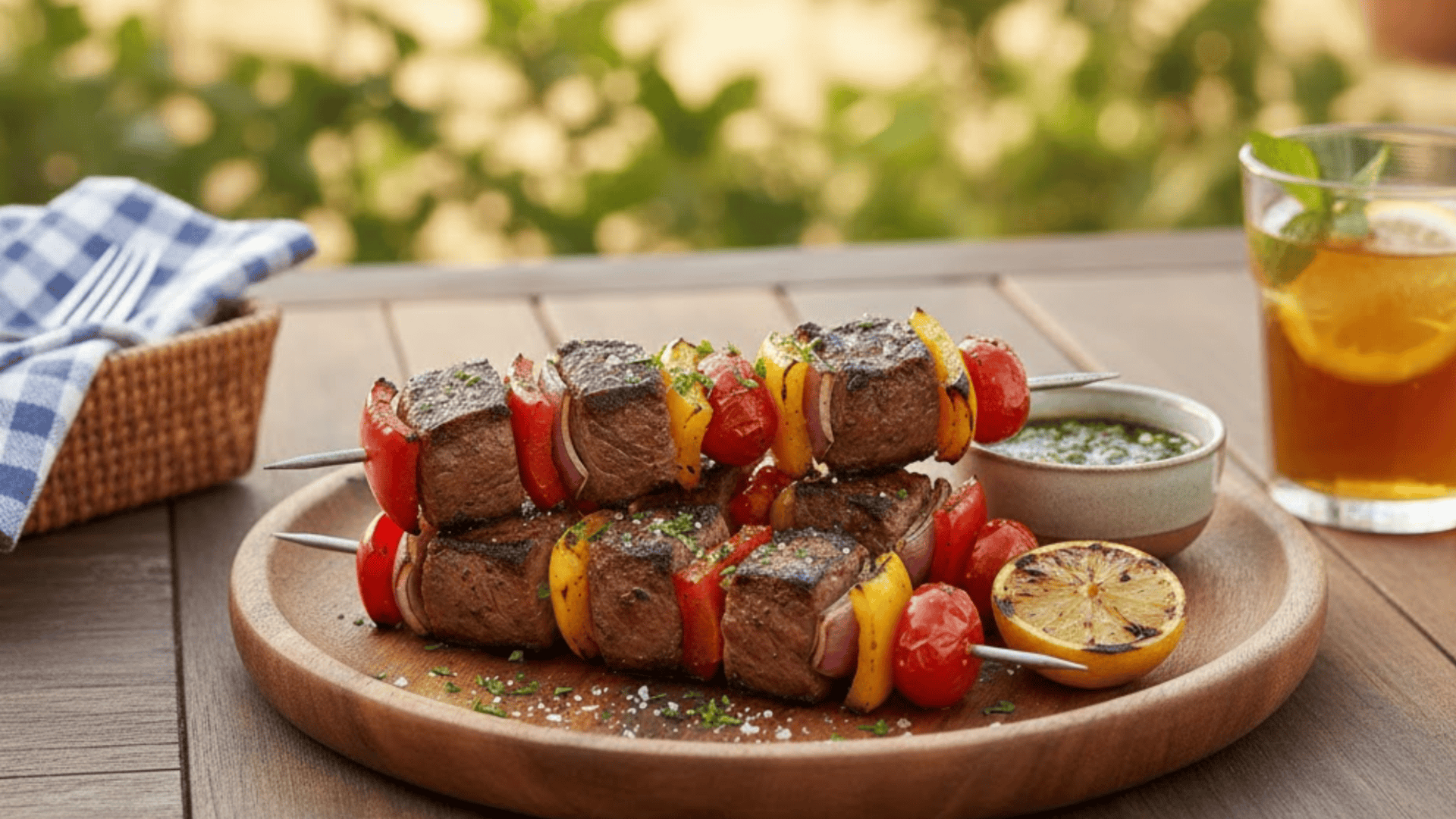
Cubed sirloin threaded onto skewers with vegetables like mushrooms, peppers, and onions. Marinate before grilling to add extra flavor.
The bite-sized pieces cook evenly and make great party food.
Concluding Thoughts
Sirloin steak brings solid nutrition to the dinner table. It packs protein, iron, zinc, and B vitamins into each serving.
The calorie and fat content stay reasonable when portions are controlled, and excess fat is trimmed.
Like most foods, moderation matters. Eating sirloin once or twice weekly fits into a balanced diet for most people.
But overdoing red meat carries risks that shouldn’t be ignored.
So is sirloin steak nutritious? Yes, when eaten as part of varied meals. It offers benefits without requiring daily consumption.