Key Takeaways
Tuna steak delivers 24 to 26g of protein per 3 oz serving with only 110 to 130 calories
Proper cooking methods help preserve the omega 3s and vitamins in tuna
Fresh tuna should look deep red or pink, not brown or dull
Tuna: The Lean Protein Champion
Tuna is a large ocean fish that lives in warm waters worldwide.
People eat several types, but yellowfin and ahi are the most common for steaks. This fish became popular because it offers lean protein without heavy fats.
Tuna steak nutrition makes it perfect for anyone trying to build muscle or lose weight.
Tuna Steak Nutrition Facts
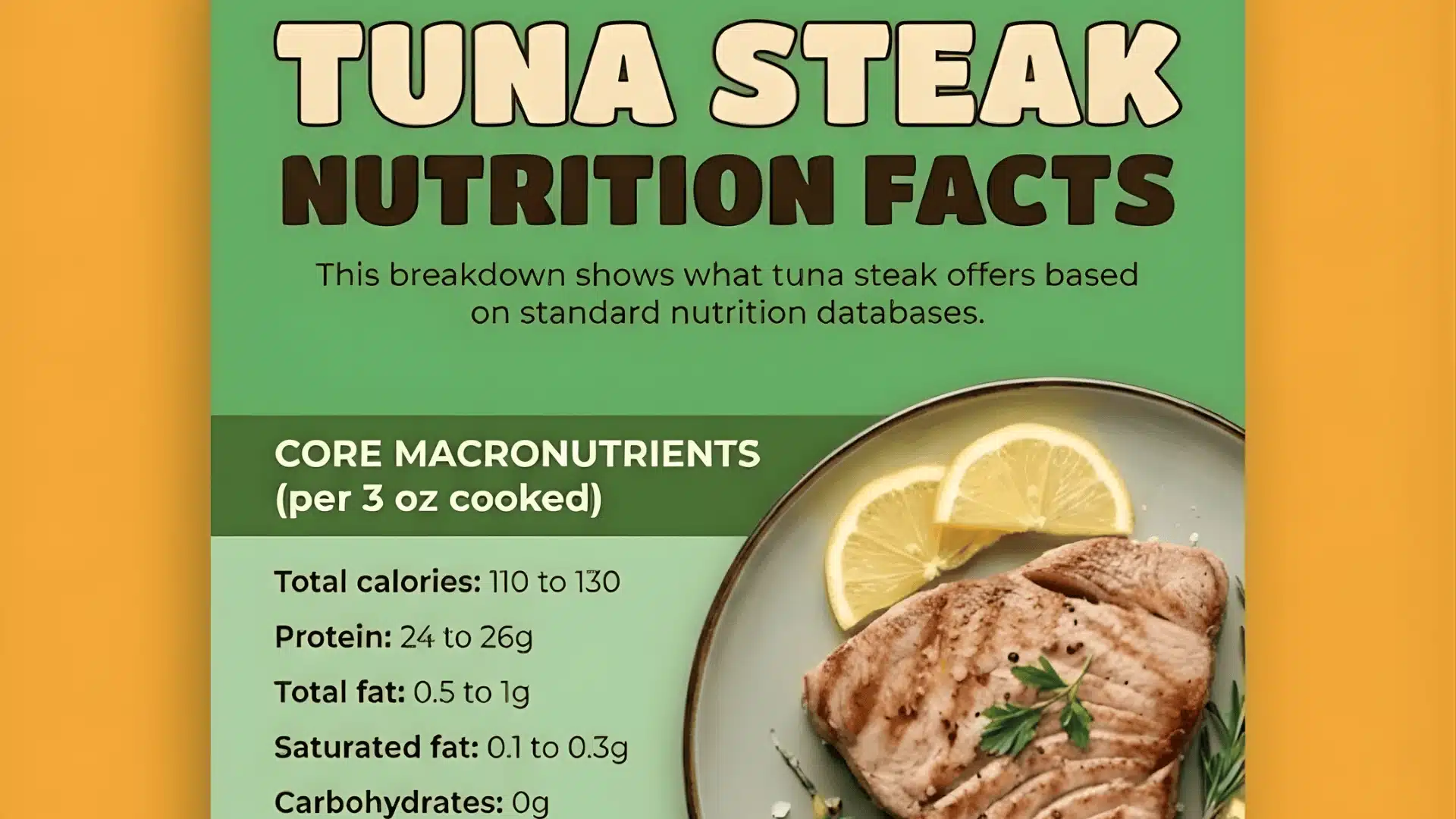
The zero-carb content makes tuna perfect for low-carb diets.
With such high protein, tuna steak nutrition supports weight loss while keeping muscles strong. Nutrient values vary based on species and cooking method.
Some other important Minerals and Vitamins are mentioned below
Other Essential Vitamins:
- Vitamin B12: Excellent source
- Niacin (B3): Good source
- Vitamin B6: Good source
- Vitamins present in varying amounts
Key Minerals:
- Selenium: High levels
- Phosphorus: Good source
- Potassium: Present
- Magnesium: Small amounts
Yellowfin Tuna Steak Nutrition
Yellowfin tuna is one of the best fish people can eat. It packs a serious protein punch without loading them up with calories.
A typical 3 oz cooked serving gives about 24 to 26 grams of protein.
Do you know what makes yellowfin tuna special? Read it out below:
Key Vitamins Included
- Excellent source of B12
- Good source of B6
- Contains niacin
Important Minerals
- High in selenium for immune health
- Phosphorus for bones
- Potassium for heart function
The tuna steak nutrition profile stays strong across different types.
Yellowfin and ahi are actually the same fish. People use both names, but they mean the exact same thing.
Ahi Tuna Steak Nutrition
Ahi tuna steak nutrition matches yellowfin exactly because they’re the same fish.
The name “ahi” comes from Hawaii, where local fishermen have used this term for generations.
People should always check the color when buying ahi. Fresh cuts look deep red or pink. Brown or dull colors mean the fish sat too long.
One thing to remember: ahi cooks fast. Overcooking destroys nutrients and makes the meat dry.
4 oz Tuna Steak Nutrition
A 4 oz tuna steak gives more nutrition than the standard 3 oz serving. This size works well for most meals and keeps people full longer.
What You Get in 4 oz:
- 147 to 173 calories
- 32 to 35g protein
- 0.7 to 1.3g fat
Vitamin Boost
- Significant portion of daily B12 needs
- Good source of niacin
- Contains vitamin B6
Mineral Content
- High in selenium
- Good source of phosphorus
- Contains potassium
Most people eat 4 oz portions regularly. It gives enough protein without feeling stuffed. The tuna steak nutrition at this size helps build muscle after workouts.
6 oz Tuna Steak Nutrition
A 6 oz tuna steak is a larger portion that works great for active people or bigger appetites.
Nutrition Breakdown for 6 oz:
- 220 to 260 calories
- 48 to 52 g of protein
- 1 to 2 g fat
Enhanced Vitamin Levels
- Excellent source of B12
- High in niacin
- Good source of B6
Boosted Minerals
- Very high in selenium
- Good source of phosphorus
This size works well after intense gym sessions or long runs. Muscles need extra protein to recover properly. Some restaurants serve this as their standard cut.
8 oz Tuna Steak Nutrition
An 8 oz tuna steak is a serious meal. This portion size works best for people with high calorie needs or those doing heavy training.
Complete 8 oz Breakdown:
- 293 to 347 calories
- 64 to 70g protein
- 1.3 to 2.7g fat
Maximum Vitamin Content
- Very high in B12
- Excellent source of niacin
- High in B6
Peak Mineral Levels
- Extremely high in selenium
- High in phosphorus
Most people split an 8-oz steak between two meals.
The body can only use so much protein per meal anyway. People should watch their mercury intake if they regularly eat portions this big.
Health Benefits of Tuna vs. Steak: An In-Depth Nutrition Comparison
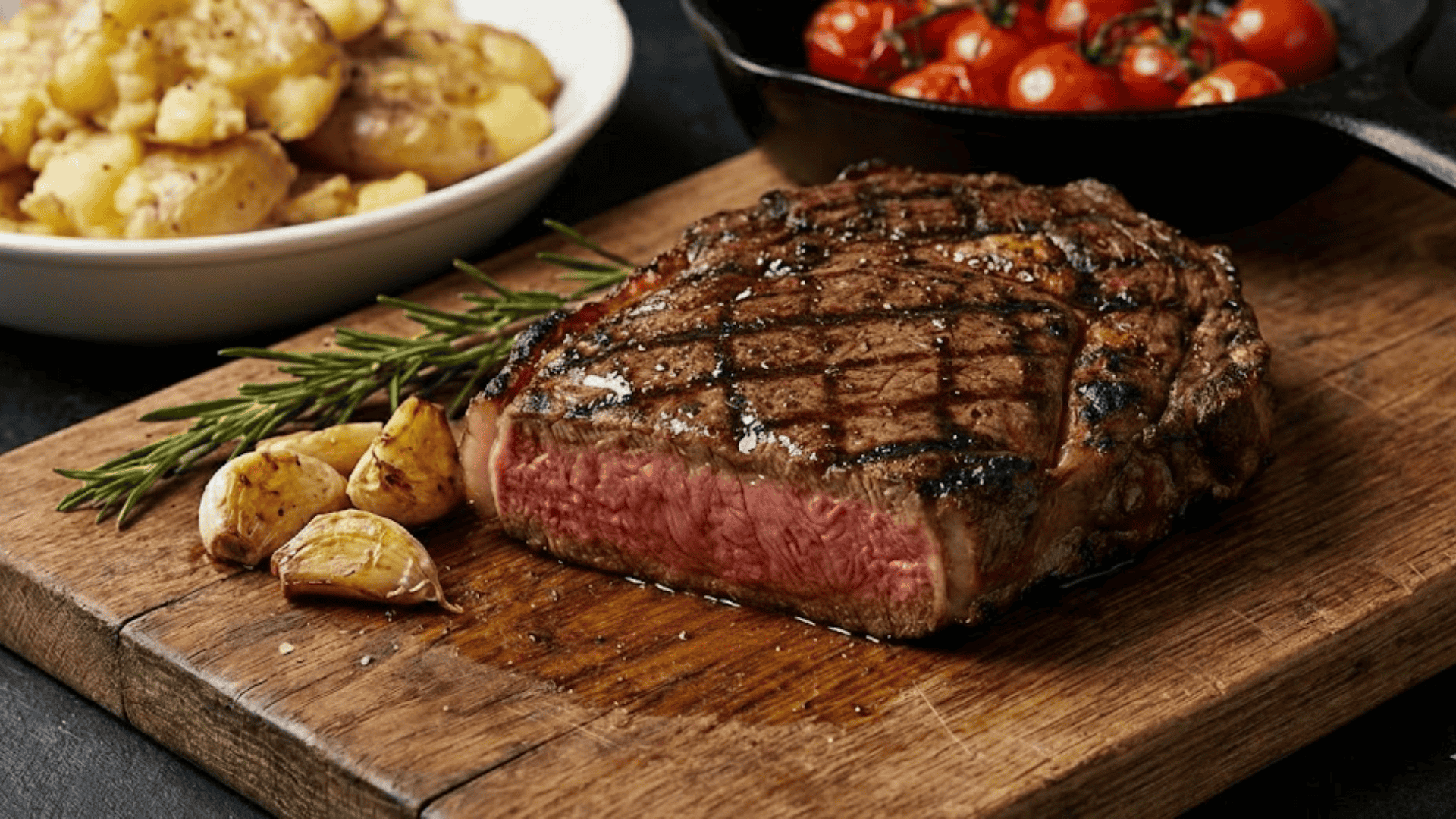
People often ask which is healthier: tuna steak or beef steak. Both offer great protein, but the tuna steak nutrition profile wins in several key areas.
| Nutrition Factor | Tuna Steak (3 oz) | Beef Sirloin (3 oz) |
|---|---|---|
| Calories | 110 to 130 | 180 |
| Protein | 24 to 26g | 26g |
| Total Fat | 0.5 to 1g | 8g |
| Fat Type | Omega 3s | Saturated |
| B12 | Very High | Medium |
| Selenium | Very High | Low |
| Niacin | High | Medium |
| Iron | Low | High |
| Zinc | Low | High |
Calorie Efficiency: Tuna gives almost the same protein as beef but with 50 to 70 fewer calories. That matters when people are watching their weight.
Heart Health Factor: Tuna contains beneficial omega-3 fatty acids (EPA and DHA), which help lower inflammation. Beef contains saturated fats that can raise cholesterol levels when consumed too often.
Most health experts recommend eating tuna more often than beef. The lighter fat content means people can eat it several times per week.
Beef should be limited to once or twice per week due the its saturated fat content.
How to Add Tuna Steak to Your Diet?
Adding tuna steak to a regular diet is easier than most people think. This fish fits into almost any meal plan.
Simple Meal Ideas:
- Grill a 4-oz steak and serve it with brown rice and vegetables
- Slice cooked tuna over a fresh salad for lunch
- Add chunks to whole-grain pasta with olive oil and garlic
- Make tuna tacos with corn tortillas and avocado
Weekly Planning
People should aim for two to three servings per week.
This provides enough tuna steak nutrition without overdoing mercury intake. Space out meals every two or three days for best results.
Prep Tips
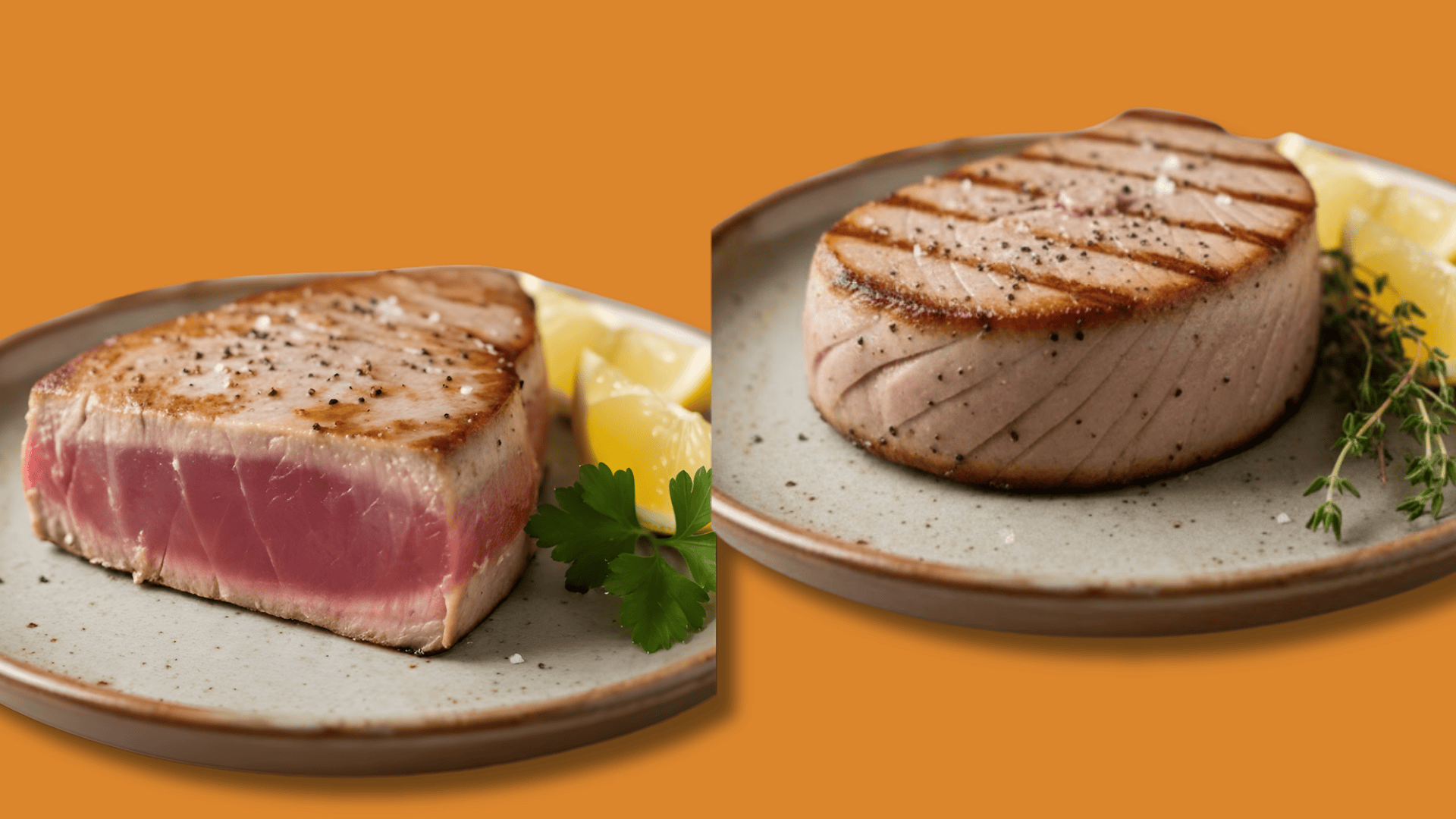
Season tuna with simple spices like black pepper, garlic powder, or lemon juice. Cook it on high heat for just two to three minutes per side.
The center should stay pink for maximum nutrients.
Pairing Suggestions
Tuna works well with foods high in vitamin C. This helps the body absorb iron better. Try it with bell peppers, broccoli, or citrus fruits on the side.
Starting small makes it easier. People new to tuna can begin with one 4 oz serving per week. Then gradually increase as they get comfortable with cooking and eating it.
Conclusion
People now know how to get the most from their tuna meals.
The nutritional value of the tuna steak depends on portion size and cooking method. Starting with 4-oz servings works well for those new to this fish.
Cooking it medium rare keeps those nutrients intact.
The body will feel the difference fast.
Frequently Asked Questions
Is Tuna Steak Good for You?
Yes, tuna steak is excellent. It provides high protein, low calories, and beneficial omega-3 fatty acids. People should watch their mercury intake and eat it two to three times weekly.
Is Tuna Steak Healthier than Salmon?
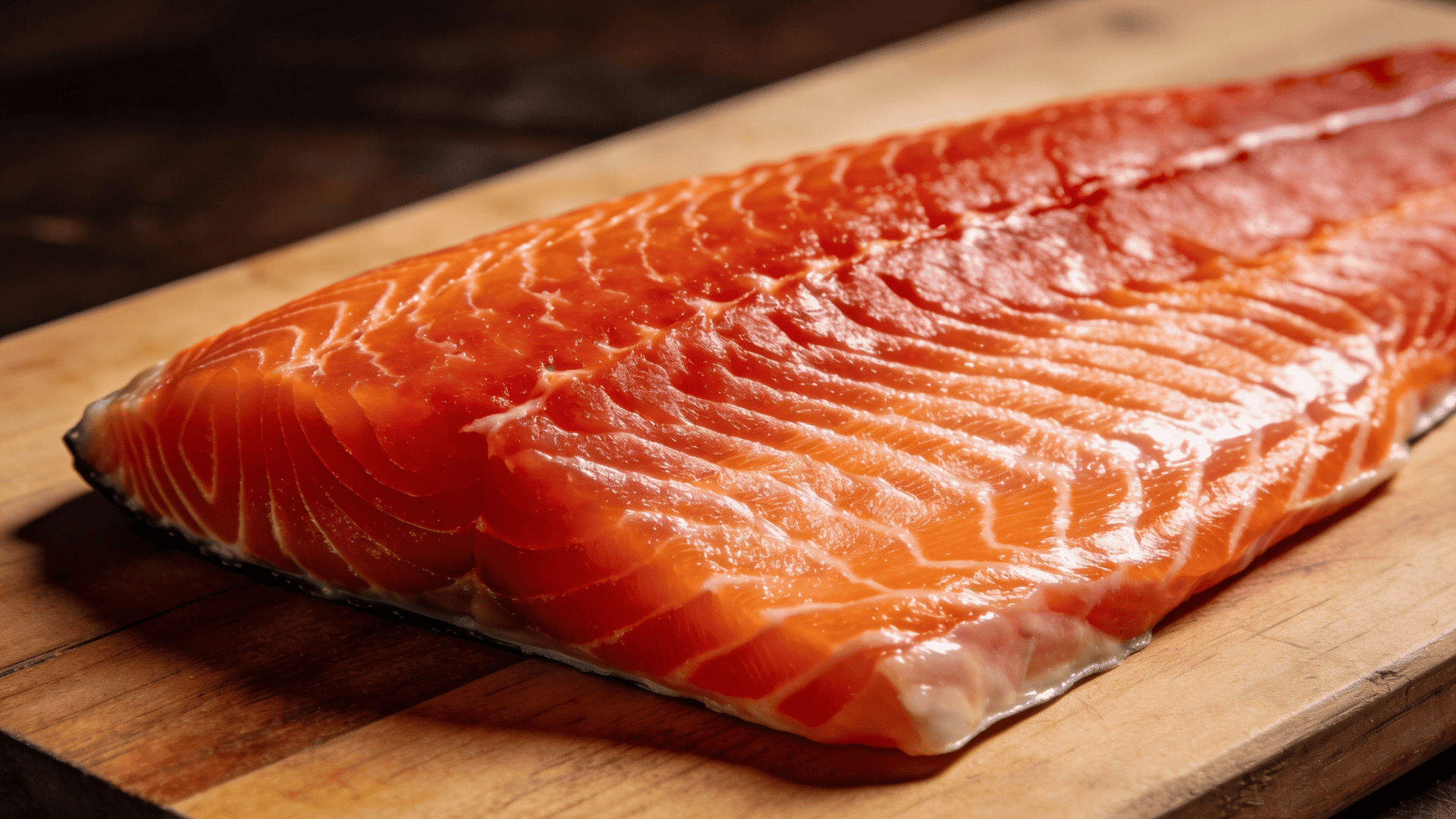
Both are healthy choices. Tuna has more protein and fewer calories. Salmon contains higher amounts of omega-3s. People can rotate between both fish for balanced tuna steak nutrition benefits.