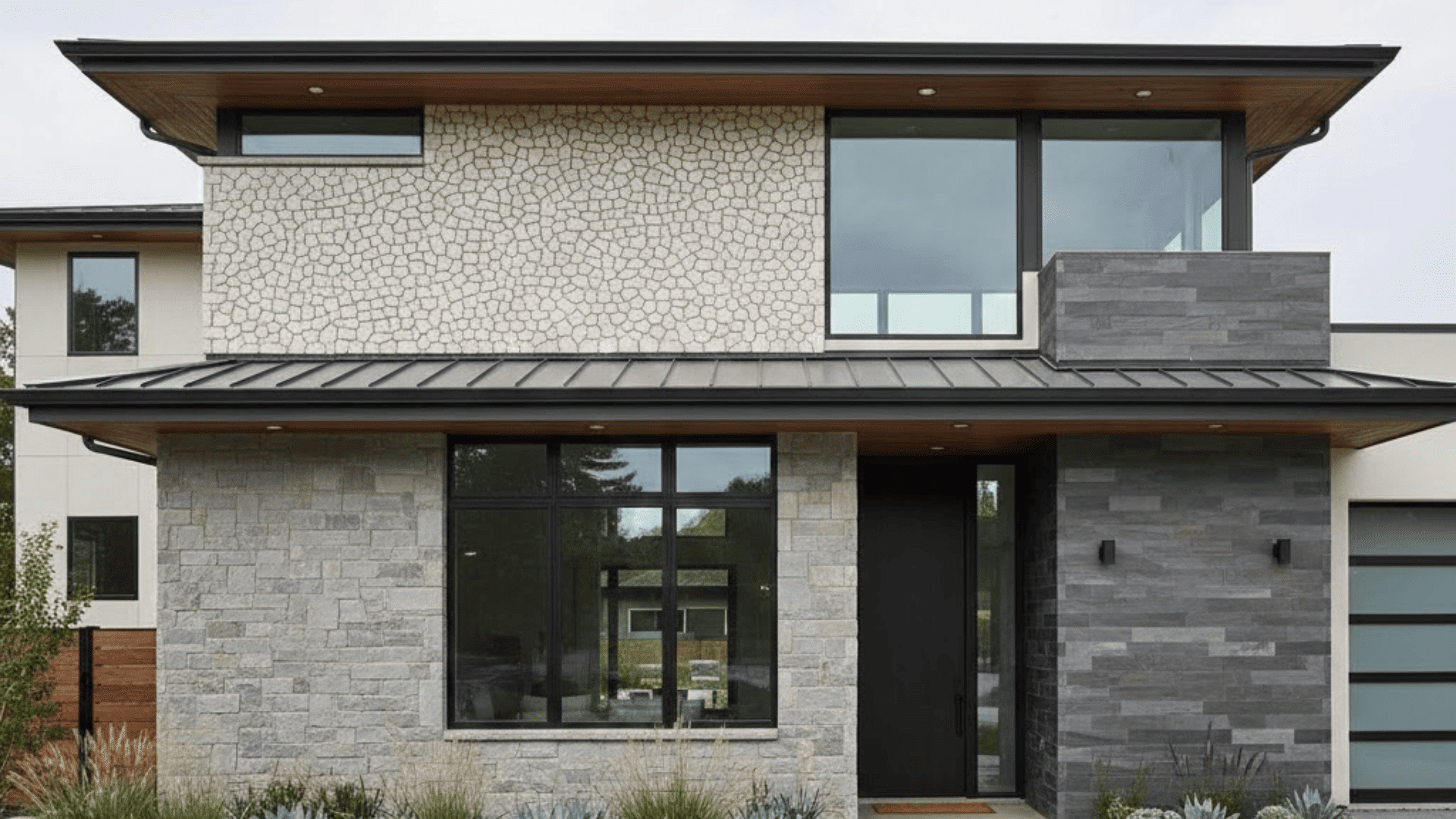
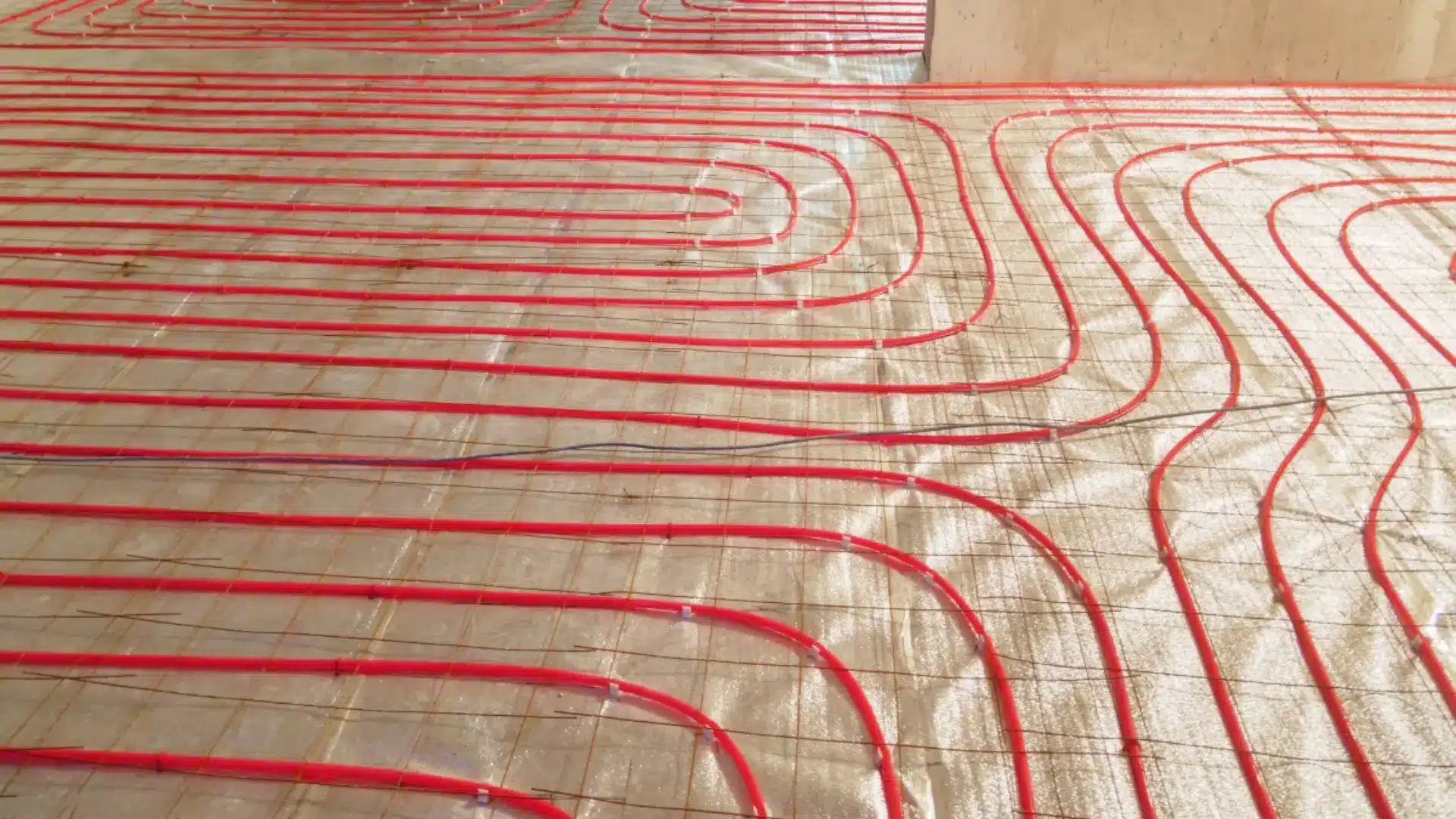
Cold floors in winter are the worst.
You wake up, step out of bed, and that icy shock hits you before your morning coffee does.
It’s something we all have faced every winter morning. But there’s something that can help you; your floor itself can be your heat source.
No vents. No radiators. Just warm, even heat rising right from the ground up.
Types of Floor Heating
Floor heating is installed beneath your floor, warming your space from the ground up.
It works in small bathrooms and large open living rooms alike. It skips the need for bulky radiators or wall vents.
The heat just comes up quietly and evenly.
Electric Floor Heating
Electric floor heating uses thin heating cables or mats installed under your floor.
These are used most often in bathrooms and small rooms. They’re relatively easy to install and don’t need much space.
You simply plug them into your home’s electrical system and control them with a thermostat.
Radiant Floor Heating (Hydronic)
Radiant floor heating runs warm water through pipes laid beneath your floor. This system works in larger homes, and the warmth it delivers is steady and consistent.
It connects to a boiler that heats the water and pushes it through the pipes.
It costs more upfront, but it works very efficiently over time.
Disadvantages of Radiant Floor Heating
Radiant floor heating keeps your home warm from the ground up. It feels great, but it comes with some real downsides.
The following are a few you should know before making a decision
1. High Upfront Installation Cost
Installing radiant floor heating costs significantly more than a standard heating system, but you may be surprised by the initial quote.
The materials, labor, and system setup all add up quickly.
For larger homes, the installation bill can run quite high before you even turn the system on.
2. Slow Heat Response Time
Radiant floor heating takes longer to warm up than forced air systems, especially in hydronic setups.
You can’t just switch it on and expect instant warmth.
It takes time for the floor surface to heat up before you start feeling the difference in the room.
3. Difficult and Costly Repairs
If something goes wrong beneath your floor, repairing it becomes quite complicated.
There are cases where entire sections of a floor had to be removed just to fix a pipe or cable, and accessing it wasn’t easy.
Repair costs can add up quickly depending on the extent of the problem.
4. Not Ideal for Every Flooring Type
Radiant floor heating doesn’t pair well with every flooring material.
The thick carpets and solid hardwood significantly reduce the system’s efficiency.
The heat struggles to pass through certain materials evenly. This limits your flooring choices, which can conflict with the specific look you have in mind.
5. No Cooling Capability
Radiant floor heating only heats; it cannot cool your home.
So if you live somewhere with hot summers, you’ll still need a separate cooling system.
That means extra equipment, extra cost, and more things to maintain. It’s not a complete solution on its own.
6. Heat Loss Into Ground
Some heat from radiant systems escapes downward into the ground instead of warming your room.
This happens especially when the floor insulation is poor or missing. You end up paying to heat the ground beneath you.
That’s wasted energy and wasted money, which adds up fast.
7. Unexpected Energy Use
Radiant floor heating can use more energy than you expect.
The system takes time to warm up, and many people leave it running longer to feel comfortable.
If you’re not careful with the thermostat, your energy bill can climb higher than planned. Small habits lead to high costs.
8. Extended Planning Needed
You can’t just install radiant floor heating over a weekend.
It needs careful planning before the work even starts; things like floor type, insulation, and layout all matter.
Getting these details wrong can hurt the system’s performance. So take your time and plan everything properly upfront.
Flooring Types Suitable for Radiant Floor Heating
Not every flooring type works well with radiant heat. Some materials conduct heat better than others, and it really affects the even heating of the floor.
Tile and Stone
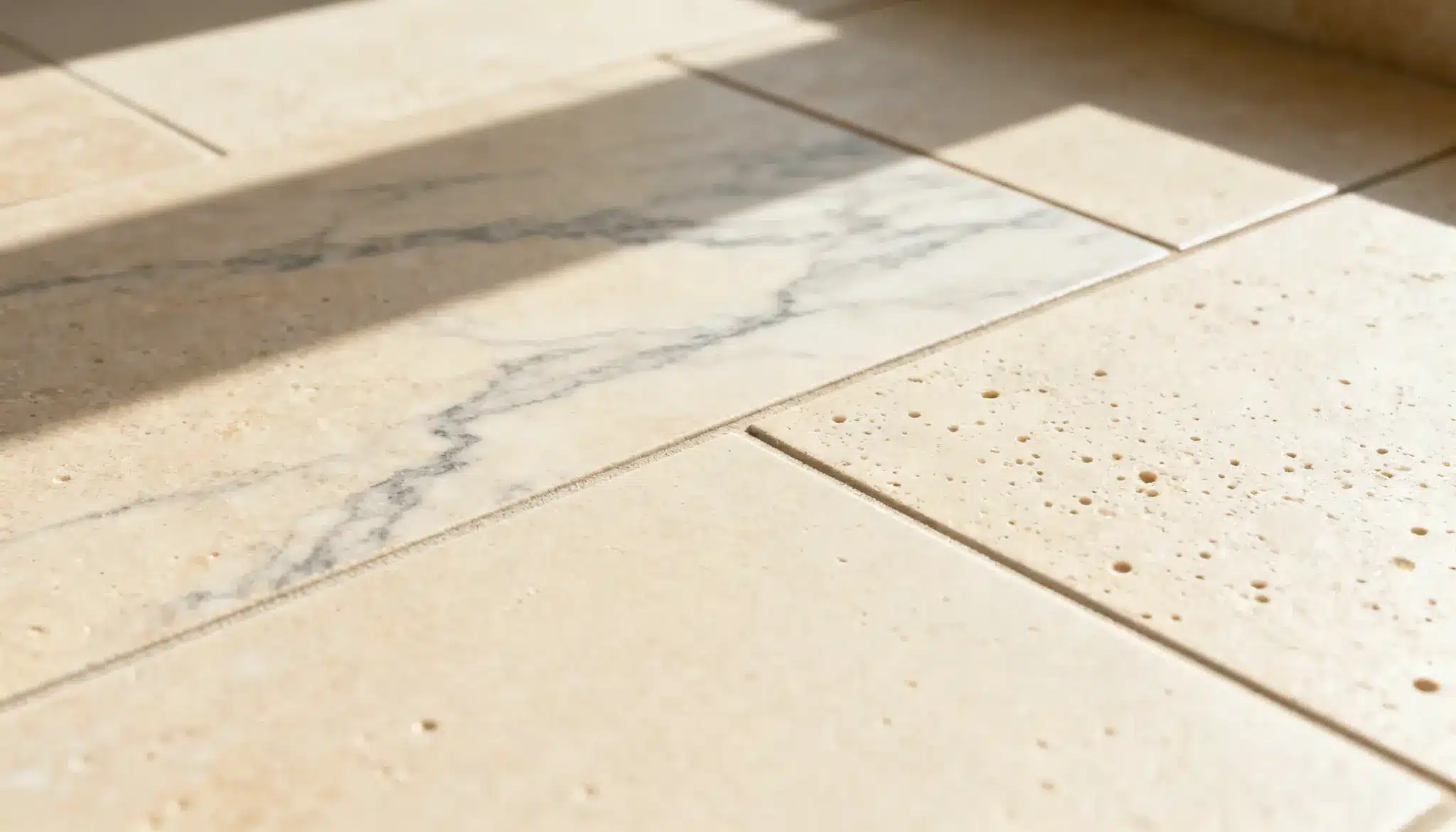
Tile and stone are the best options for radiant floor heating.
They conduct heat well and retain it longer. Your floor stays warm even after the system cycles off.
Bathrooms and kitchens are perfect candidates for this combination.
Engineered Wood
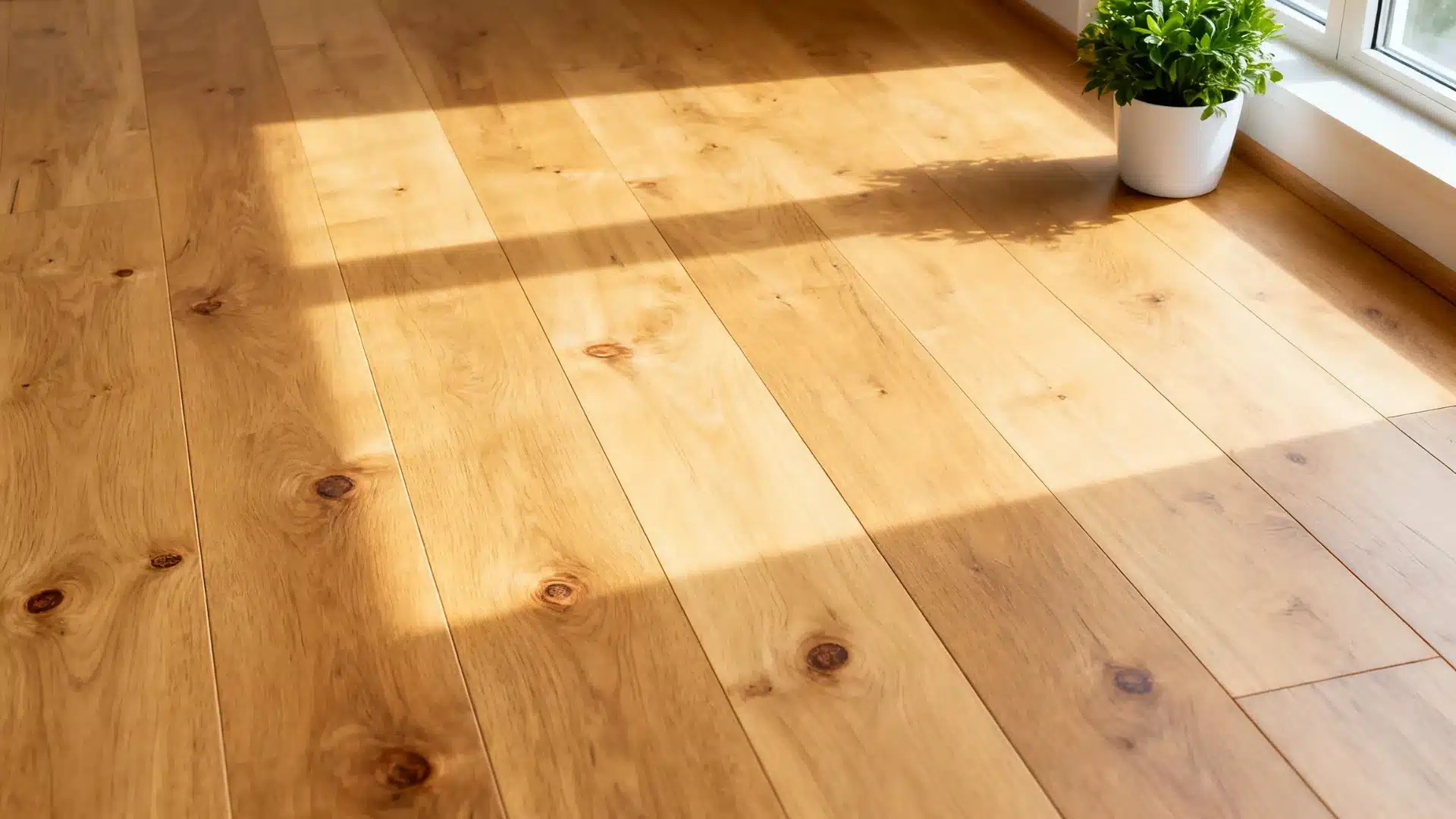
Engineered wood works well, too, but you need to be careful with it, especially in living rooms and bedrooms.
It handles heat better than solid hardwood because of its construction.
Just remember to pick a product that’s rated for use with radiant heating systems.
Advantages of Radiant Floor Heating
Despite the disadvantages, radiant floor heating has some real benefits that are hard to ignore.
Once you experience it, it’s difficult to go back to traditional heating.
Even Heat Distribution
Radiant floor heating evenly distributes warmth throughout your entire floor.
You’ll never experience cold spots with a properly installed system. The heat rises steadily from the ground, reaching every corner of the room.
Energy Efficient
Radiant floor heating uses less energy than most traditional heating systems.
You will notice a real drop in their energy bills after switching. Because the heat comes directly from the floor, the system doesn’t need to work as hard.
Wasted energy costs more over time.
Improved Air Quality
Unlike forced air systems, radiant floor heating doesn’t blow air around your room, which makes a big difference for people with allergies.
No air movement means less dust, pollen, and allergens circulating through your space.
Your indoor air stays cleaner and fresher throughout the heating season.
Installation Tips for Radiant Floor Heating
Installing radiant floor heating requires careful planning from the start.
Get this part right and everything else follows. The type of system you choose, your floor layout, and your home’s insulation all play a role.
Rushing through installation decisions often leads to problems down the line.
- Always lay a proper insulation layer beneath the system. This stops heat from escaping downward into the ground.
- Check your floor type before you start. Not all flooring materials work well with radiant systems.
- Plan your thermostat placement carefully. A poorly placed thermostat can give you inaccurate temperature readings.
- Keep the pipe or cable spacing even throughout. Uneven spacing creates hot and cold spots on your floor.
- Hire a qualified installer for the job. Mistakes made during installation are costly and hard to fix later.
- Test the system fully before laying the final floor covering. Finding a fault after everything is sealed is a nightmare.
Final Thoughts
Radiant floor heating is a solid investment once you understand what it is.
It works efficiently in the right homes with the right flooring. Yes, the upfront cost is high. But the even warmth, lower energy bills, and cleaner air make it worth considering.
Think about your flooring choice, plan your zones, and get a professional opinion before you start.
Done right, this system can keep your home comfortably warm for years to come.
Frequently Asked Questions (FAQs)
1. Is It Okay to Leave Heated Floors on All the Time?
Yes, you can leave them on continuously. Most systems are designed for that. However, using a thermostat to regulate temperature saves energy and reduces wear on the system over time.
2. What Temperature Should I Set My Heated Floor in Winter?
Most people find 18°C to 22°C (65°F to 72°F) comfortable. Start low and adjust as your room feels. Every home heats differently, so give it a few days to settle.
3. Should I Turn Down Radiant Floor Heat at Night?
Yes, turning it down slightly at night saves energy. However, don’t drop it too low. Radiant systems are slow to reheat, so a small reduction is more effective than switching them off completely.