Key Takeaways
Wood type determines furniture design, durability and maintenance needs
Hardwoods offer strength, engineered woods provide stability, and softwoods deliver affordability
Visual inspection and seller questions help identify quality wood
Why Wood Choice Matters in Furniture Design?
Wood selection affects every aspect of a furniture piece.
Different types of wood determine how long the furniture lasts, how much maintenance it requires, and how much it costs.
The right wood does three important things:
- Matches the furniture’s purpose
- Fits the budget
- Delivers the desired look
Weather conditions matter too. Humid climates need stable woods that won’t swell. Dry areas require woods that resist cracking.
Main Types of Wood for Furniture
Furniture makers use three main categories of wood. Each has distinct properties and uses.
Hardwood: Durable Choice
Hardwoods come from deciduous trees. These trees lose their leaves seasonally. Oak, maple, and walnut fall into this category.
These woods are dense and heavy.
They resist dents and scratches better than other options. Furniture made from such types of wood can last for a long time with proper care.
The downsides are the higher cost and heavier weight. But for heirloom pieces, these types of furniture wood deliver unmatched value.
Engineered Wood: Modern Solutions
Engineered woods are manufactured products. Layers of wood veneers, fibers, or particles get bonded together with adhesives.
Common types include plywood, MDF, and blockboard.
These materials offer consistency that natural wood can’t match. Every sheet has uniform thickness and strength.
They’re also more affordable. And they resist warping better than solid wood in many cases.
I used plywood for my garage shelving project. It cost half the price of pine and stayed perfectly flat even in summer heat.
Softwood: Budget-Friendly Options
Softwoods come from coniferous trees – pines, cedars, and firs. Despite the name, they’re not always softer than hardwoods.
These types of wood grow faster, which makes them less expensive.
They’re lighter in weight and easier to work with. Such types of wood for furniture are perfect where cost matters more than extreme durability.
At a Glance: Hardwood vs Engineered Wood vs Softwood
| Criteria | Hardwood | Engineered Wood | Softwood |
|---|---|---|---|
| Durability | Very high, resists dents and scratches perfectly | Moderate, resists warping well in certain situations | Lower, dents more easily due to less strength |
| Cost | Most expensive | Mid-range | Most affordable |
| Weight | Heavy | Moderate | Light |
| Best Used For | Heirloom and long-term furniture | Shelving, cabinets, flat surfaces | Budget furniture and basic builds |
| Maintenance | Needs regular care and finishing | Low maintenance | Needs sealing to last longer |
Best Hardwood Types of Wood for Furniture Design
Hardwoods represent the premium tier of furniture materials.
These five options stand out for their strength, beauty, and longevity. Each brings uniqueness to furniture making.
Maple
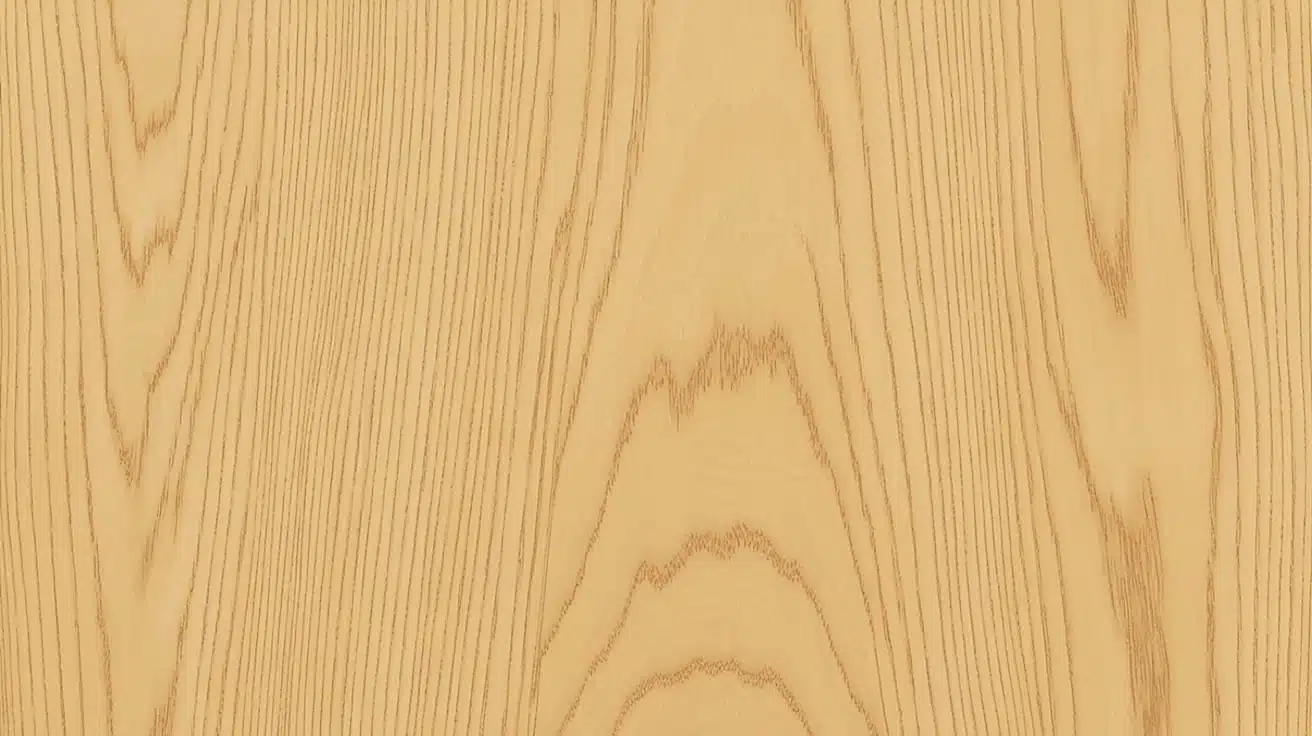
Maple offers incredible hardness and fine-grain patterns. The wood ranges from creamy white to light reddish-brown.
Best for: Kitchen cabinets, dressers, tabletops
Key benefits:
- Resists wear and tear exceptionally well
- Takes stains evenly for uniform color
- Dense surface withstands daily use
The tight grain means fewer places for dirt to hide. This makes maple furniture easy to clean and maintain.
Teak
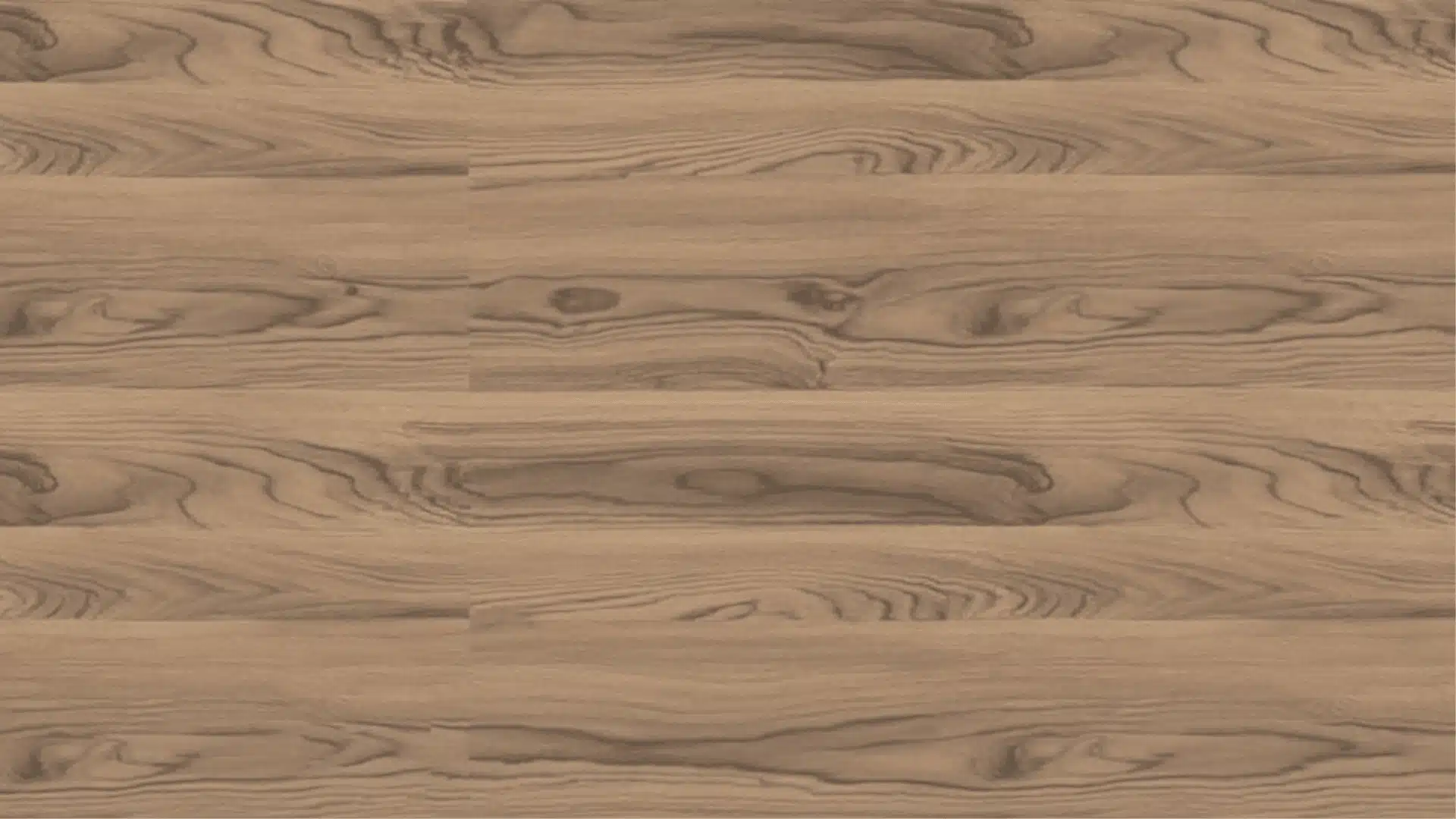
Teak contains natural oils that repel water and insects. This golden-brown wood is prized for outdoor and bathroom furniture.
Best for: Outdoor furniture, bathroom vanities, boat decking
Key benefits:
- Naturally weather-resistant
- Doesn’t rot even in wet conditions
- Ages to beautiful silver-gray patina
The high oil content means teak needs low maintenance. A simple cleaning keeps it looking good for decades.
Oak
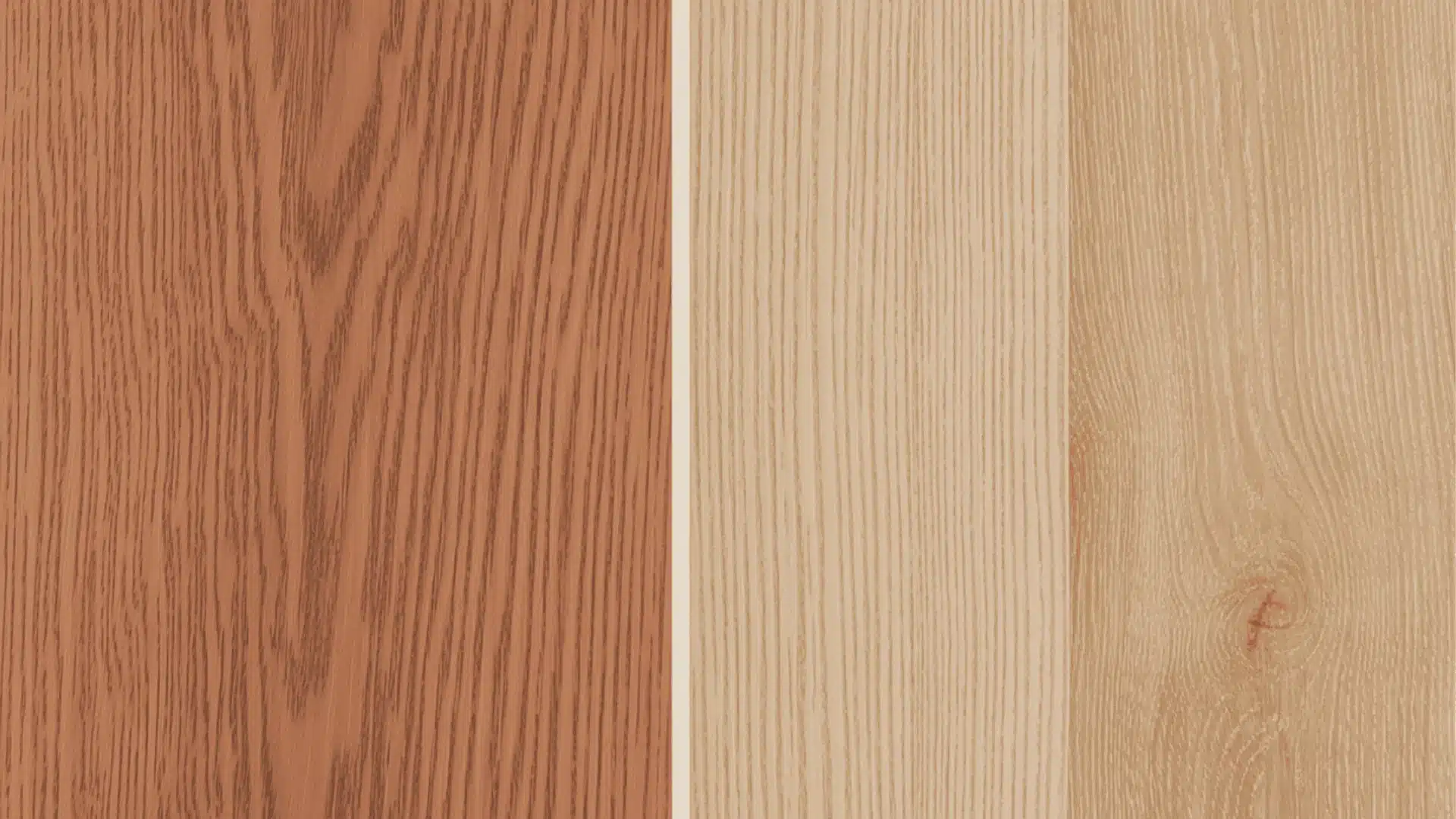
Oak comes in two varieties – red oak and white oak. Both types of furniture wood offer strength and distinctive grain patterns.
Best for: Dining tables, bookshelves, flooring
Key benefits:
- Extremely strong and impact-resistant
- Prominent grain adds character
- Widely available at reasonable prices
White oak has better moisture resistance. Red oak shows more dramatic grain patterns. Both handle heavy loads without complaint.
I have seen an oak library table from 1980. It had been functional for a century without a single crack or a sag.
Walnut
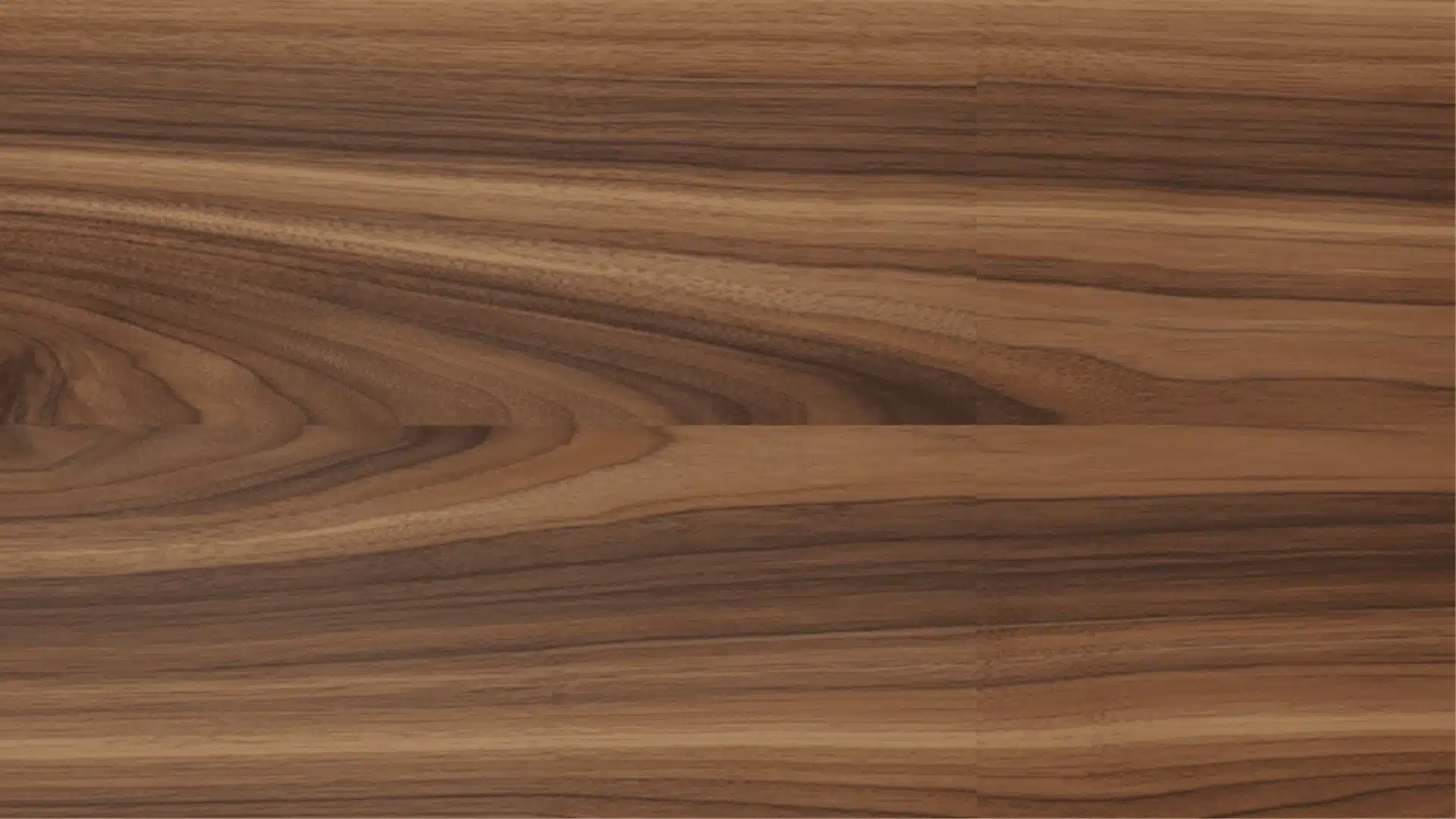
Walnut delivers rich chocolate-brown tones and smooth grain. It’s softer than oak or maple but still durable enough for furniture.
Best for: Bed frames, coffee tables, accent pieces
Key benefits:
- Stunning natural color needs no stain
- Works easily with hand and power tools
- Develops beautiful patina over time
The darker color hides minor scratches better than lighter woods. This makes walnut great for pieces that see regular handling.
Sheesham
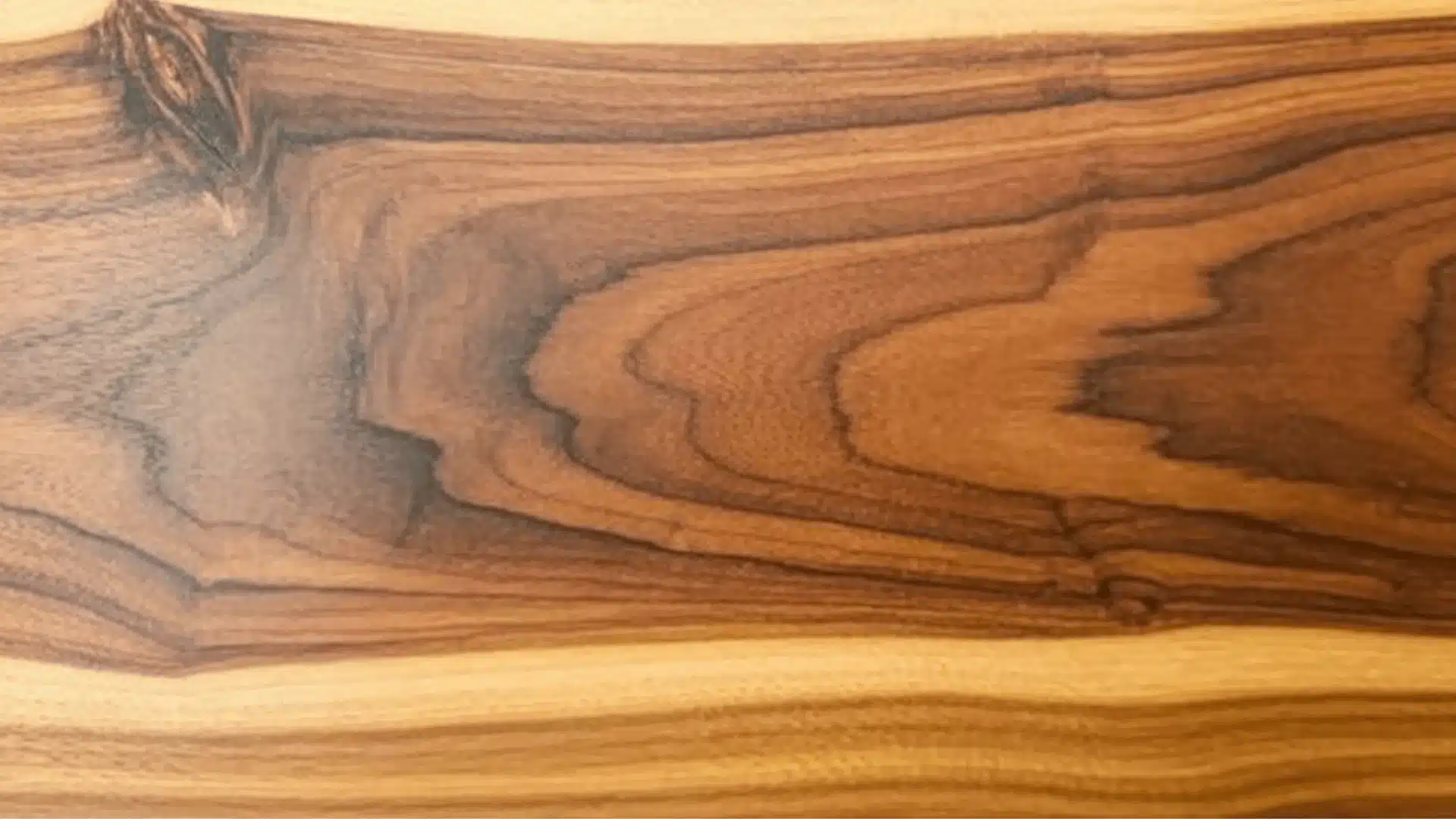
Sheesham, also called Indian rosewood, offers durability at a lower price point than teak. It shows golden to dark brown streaks.
Best for: Dining sets, storage units, decorative furniture
Key benefits:
- Naturally termite-resistant
- Rich grain patterns create visual interest
- More affordable than many hardwoods
My cousin bought a sheesham dining furniture, and it lived up to the expectations of durability for 3 straight monsoon seasons.
Best Engineered Types of Wood for Furniture Design
Engineered woods combine affordability with performance. They offer consistency and stability that solid wood sometimes can’t match.
Plywood
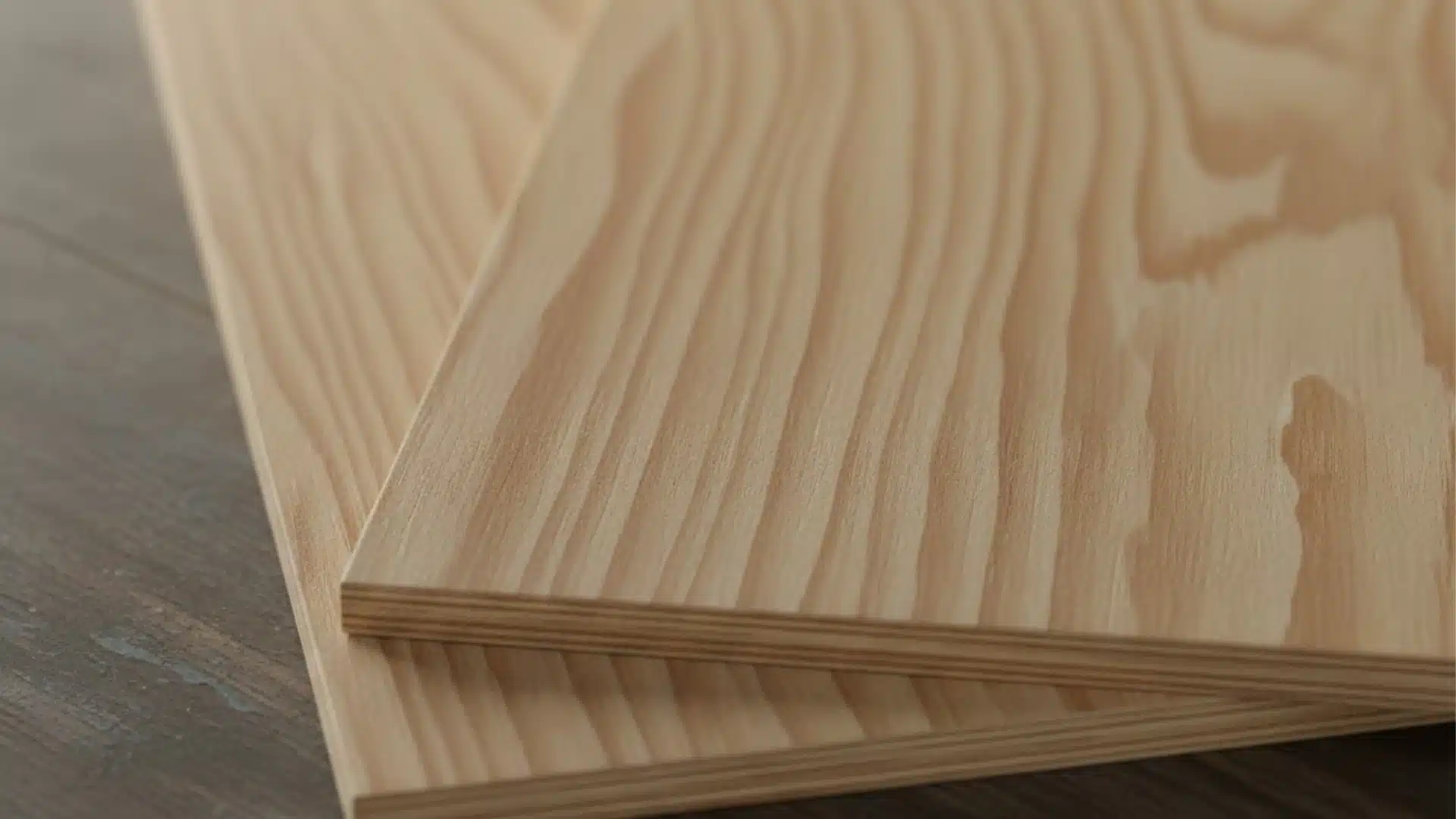
Plywood consists of thin wood layers glued together. Each layer’s grain runs perpendicular to the grain of the adjacent layers.
Best for: Cabinet backs, drawer bottoms, shelving
Key benefits:
- Won’t split when nailed near edges
- Resists shrinking and warping
- Available in various grades and thicknesses
Blockboard
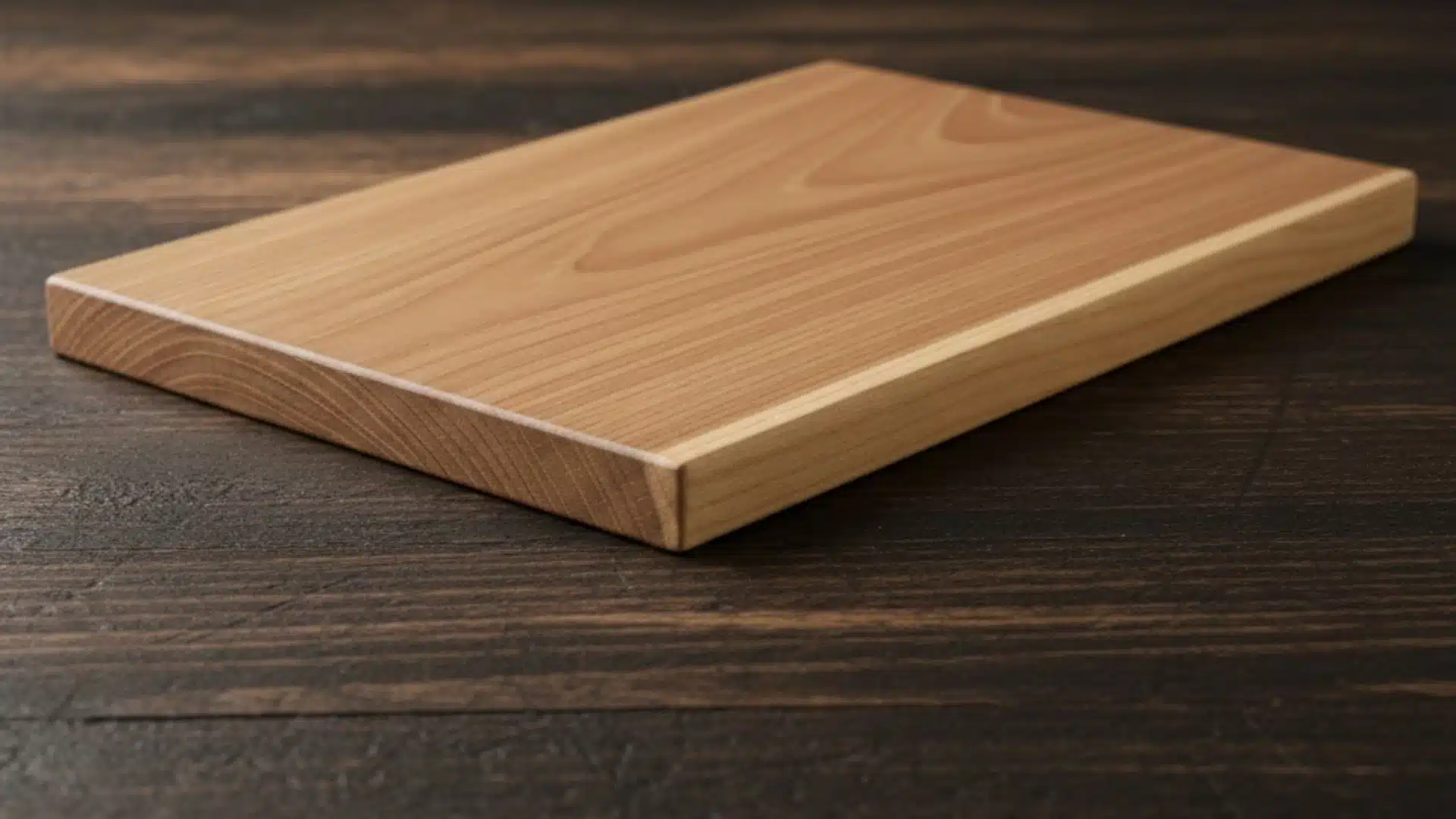
Blockboard has a core of wooden strips sandwiched between veneer layers. This creates a strong, stable panel.
Best for: Doors, tabletops, partition walls
Key benefits:
- Lightweight yet strong structure
- Holds screws better than other engineered woods
- Less likely to sag over long spans
The solid wood core makes blockboard stiffer than other furniture-grade woods. This matters for horizontal surfaces that carry weight.
Medium-Density Fiberboard
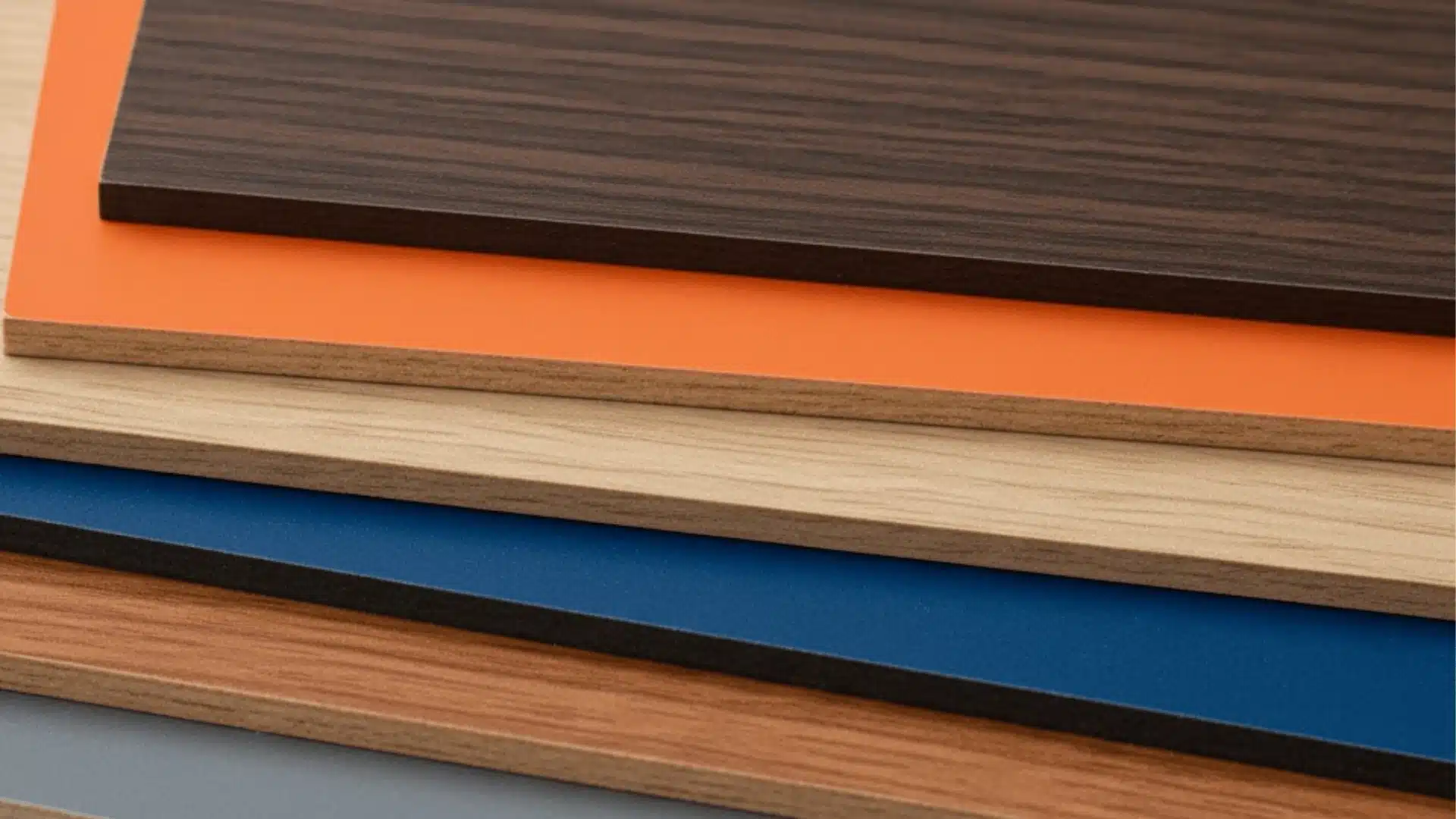
Medium-Density Fiberboard (MDF) is made from wood fibers compressed with resin. It creates a smooth, uniform surface.
Best for: Painted furniture, cabinet doors, moldings
Key benefits:
- Perfectly smooth surface ideal for painting
- No grain means no splitting or cracking
- Machines cleanly for precise cuts
MDF is a type of wood used for furniture that is only suitable for indoor use. It doesn’t handle moisture well.
I installed MDF cabinets in my bathroom.
After two years, the bottom panels near the shower swelled like sponges and began to crumble, as MDF is highly porous.
Best Softwood Types of Wood for Furniture Design
Softwoods provide budget-conscious options without sacrificing quality.
These two woods are furniture-making staples. They work particularly well for casual and rustic designs
Pine
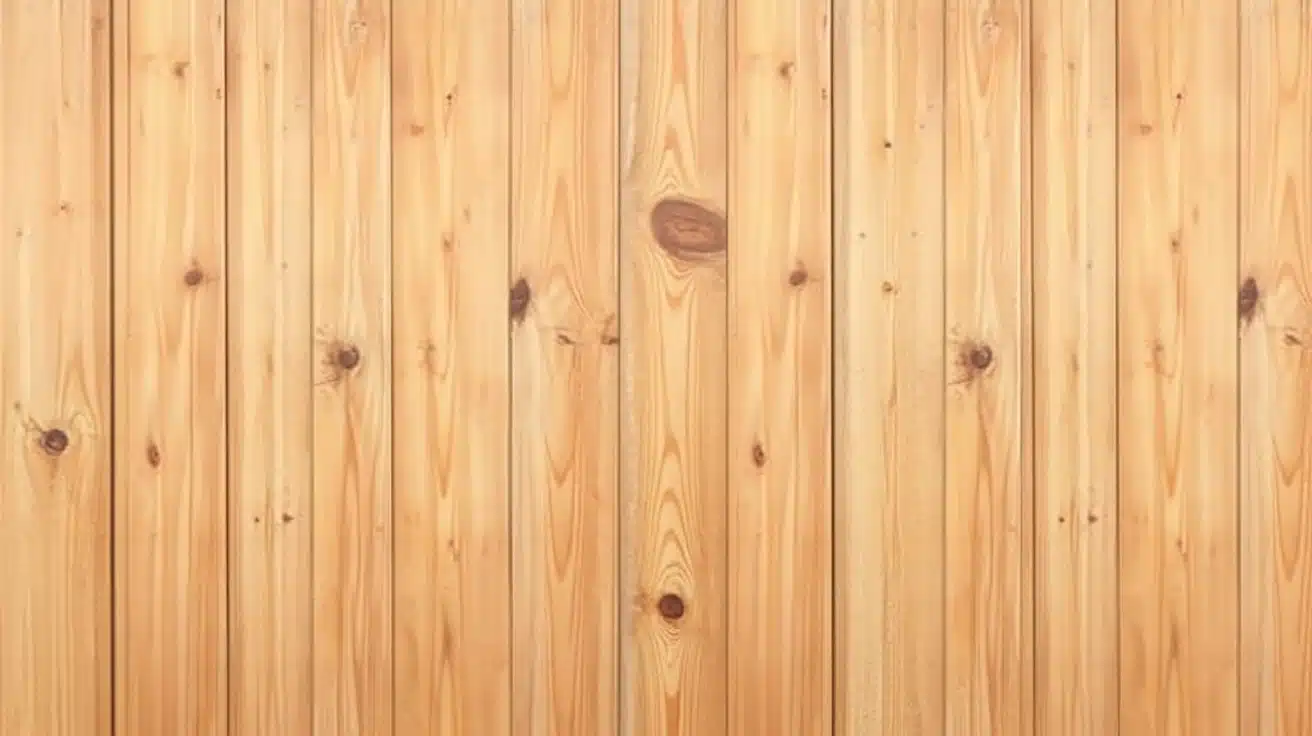
Pine grows abundantly and costs less than most hardwoods. The light color and visible knots give it a rustic look.
It develops a warm honey color as it ages.
Best for: Bedroom furniture, children’s furniture, farmhouse-style pieces
Key benefits:
- Easy to cut and shape
- Takes stain and paint readily
- Lightweight for easy moving
Cedar
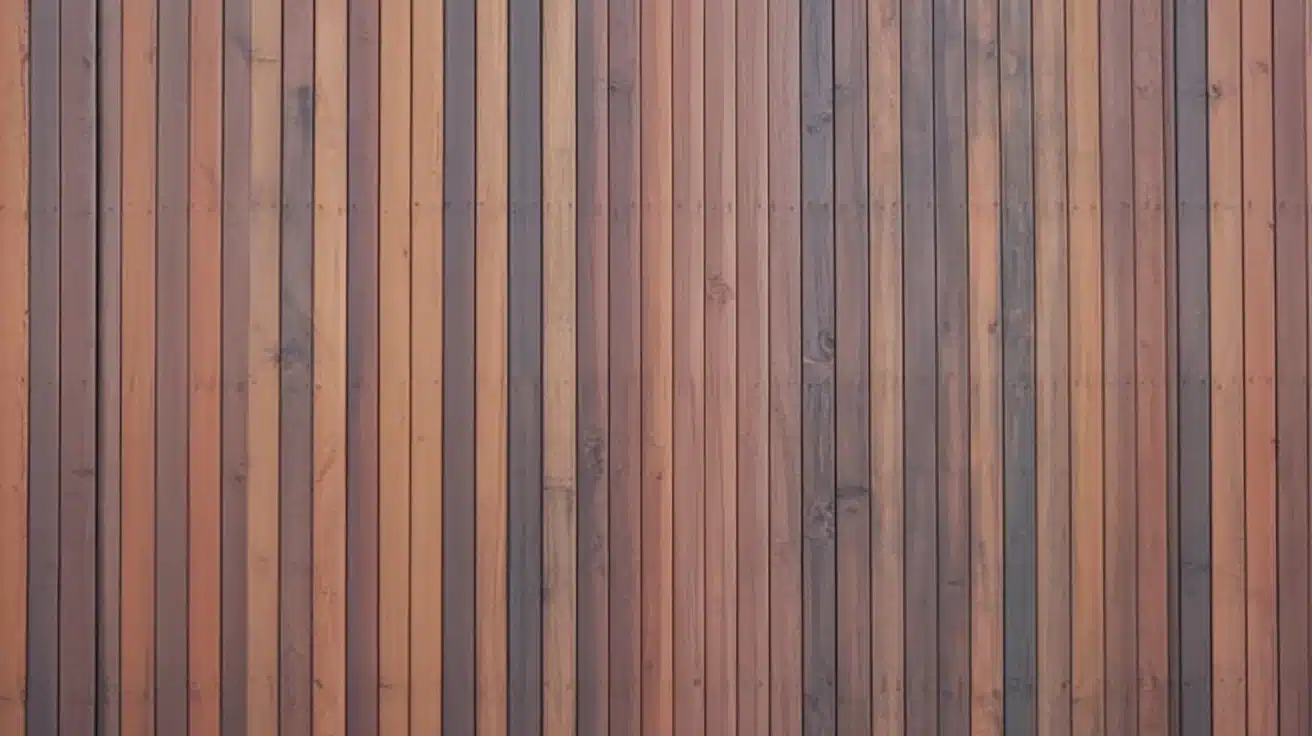
Cedar’s aromatic oils repel moths and insects naturally. The reddish wood has a distinctive scent.
Best for: Closet linings, chests, outdoor furniture
Key benefits:
- Natural insect repellent properties
- Resists decay and rot
- Pleasant, lasting fragrance
The oils that protect cedar also mean it needs no finish.
Which Type of Wood Has The Highest Score on the Janka Scale?
The Janka Scale measures how well a wood resists dents and surface damage. It directly states that the higher the score, the harder the wood.
Maple sits at the top of the list among common furniture woods. It has a Janka score of around 1,450 lbf.
That makes it one of the toughest choices available for everyday furniture use.
This hardness makes maple a top choice for high-traffic surfaces such as dining tables, kitchen counters, and flooring.
It takes years of daily use without showing much wear. For long-lasting furniture, maple is hard to beat.
How to Identify Quality Wood?
Identifying the ideal type of wood for furniture requires knowing how to spot good wood.
Two approaches help make better decisions.
Visual Signs
Quality wood shows specific characteristics. Look for these indicators:
Grain patterns:
- Consistent grain indicates proper cutting and drying
- Wild, irregular grain may signal weakness
- Straight grain generally means stronger wood
Color uniformity:
- Even color suggests proper seasoning
- Extreme variations might indicate moisture problems
- Natural color variation is normal and adds beauty
Surface quality:
- Smooth surface with no raised fibers
- Tight joints with no visible gaps
- No warping, cupping, or twisting
Defects to avoid:
- Cracks or splits in the wood
- Signs of insect damage (small holes, powder)
- Water stains or discoloration
Ask Questions to the Furniture Seller
Good sellers know their products and answer questions confidently. Ask these questions to identify the best types of wood for furniture.
About the wood type:
- “What specific wood species is this made from?”
- “Where does this wood come from?”
About construction:
- “How is this piece joined together?” (Look for dovetails, mortise-and-tenon, not just glue)
- “What’s the wood’s moisture content?”
About finishing:
- “How many coats of finish does it have?”
- “Can I refinish this later if needed?”
About durability:
- “What warranty do you offer?”
- “Will this wood work in my climate conditions?”
Vague answers or refusal to provide details are obvious to doubt. Quality furniture makers and sellers gladly share information about their products.
Wrapping Up
Wood selection shapes every piece of furniture you build or buy. The best types of wood for furniture are those that last, look good, and fit your budget.
What’s your next furniture project? Start by matching wood type to your specific needs.
Consider your climate, budget, and how much wear the piece will handle, and let me know in the comments how it went.
Frequently Asked Questions (FAQ’s)
1. What Type of Wood is Used in Cheap Furniture?
Cheap furniture typically uses pine, particleboard, or MDF with a thin wood veneer over pressed wood.
2. How Do I Tell What Type of Wood My Furniture is?
Check grain patterns, weight, and color, and ask the seller. Look for maker’s marks or labels on the underside of pieces.
3. What Wood Lasts the Longest for Furniture?
Teak and oak last longest due to density, natural oils, and resistance to rot, insects, and daily wear.
4. What Wood is Used for High-End Furniture?
High-end furniture is made from walnut, teak, and other woods for their beauty, durability, and rich natural colors.