

Key Takeaways
Behavioral psychology focuses on observable actions rather than hidden thoughts and feelings.
All behaviors are learned through environmental interactions and can be modified through reinforcement or punishment.
Famous psychologists like Watson, Skinner, and Pavlov established the foundation through groundbreaking experiments.
The approach has practical applications in therapy, education, parenting, and workplace settings.
What is Behavioral Perspective Psychology?

Behavioral perspective psychology studies how people act based on what they can observe and measure.
It focuses on external behaviors rather than on internal thoughts or feelings.
This approach suggests that all behaviors are learned through interaction with the environment.
Psychologists using this perspective focus on stimulus and response patterns. They believe behaviors can be shaped through reinforcement and punishment.
The main idea is simple: actions that get rewarded tend to repeat, while actions that bring negative consequences tend to stop.
This makes behavior predictable and changeable through proper conditioning techniques.
Principles of Behavioral Perspective Psychology
Behavioral perspective psychology rests on specific principles that guide how psychologists understand human actions.
1. Observable Behavior Matters Most
Behaviorists focus only on actions they can see and measure.
Internal thoughts and feelings don’t count because they can’t be observed directly. This makes the approach scientific and testable.
Researchers record what people actually do, not what they claim to think or feel.
2. Environment Shapes Behavior
People learn behaviors through their surroundings and experiences.
The environment provides cues that trigger certain actions. Every interaction with the world teaches something new.
This means behavior isn’t fixed or predetermined. It changes based on environmental conditions and the consequences that follow actions.
3. Reinforcement Increases Behavior
Actions followed by positive outcomes tend to happen again. This is called reinforcement.
When behavior gets rewarded, people repeat it more often. The reward can be anything from praise to tangible benefits.
Consistent reinforcement creates strong behavioral patterns that last over time.
4. Punishment Decreases Behavior
Negative consequences make behaviors less likely to occur. Punishment teaches people to avoid certain actions.
However, it works best when paired with reinforcement of better alternatives. Punishment alone rarely creates lasting change.
It simply suppresses unwanted behavior temporarily without teaching what to do instead.
5. Conditioning Creates Associations
Behaviors become linked to specific triggers through repeated pairings.
Classical conditioning connects automatic responses to new stimuli. Operant conditioning links voluntary actions to their consequences.
These associations form quickly and can last a lifetime. They explain many learned responses, from fears to habits.
6. Behavior Can be Modified
Since behaviors are learned, they can also be unlearned or changed. This principle gives hope for treating problematic actions.
Therapists use behavioral techniques to help people develop healthier patterns. The process requires consistent practice and proper reinforcement.
Change happens gradually through the systematic application of behavioral principles.
The History of Behavioral Psychology

Behavioral perspective psychology emerged in the early 1900s as a reaction to introspective methods.
John B. Watson founded behaviorism in 1913, rejecting the study of consciousness. He argued that psychology should focus only on observable behavior.
Ivan Pavlov’s experiments with dogs laid the groundwork for classical conditioning. His research showed how reflexes could be trained through association.
Later, B.F. Skinner expanded the field with operant conditioning in the 1930s. He demonstrated how consequences shape voluntary behaviors.
These pioneers transformed psychology into an experimental science. Their work influenced education, therapy, and child-rearing practices for decades.
Strengths of Behavioral Psychology
Behavioral psychology offers several advantages that make it valuable in research and practice.
These strengths explain why the approach remains popular today.
1. Scientific and Measurable
Behavioral psychology uses objective methods that can be tested and verified.
Researchers collect concrete data on actions, making results reliable and replicable across different studies.
2. Practical Applications
The principles work in real-world settings like schools, homes, and therapy offices.
People can apply behavioral techniques to solve everyday problems and change unwanted habits effectively.
3. Clear Cause and Effect
Behaviorism shows direct relationships between actions and consequences.
This makes it easy to understand why behaviors happen and how to modify them through environmental changes.
4. Effective Treatment Methods
Behavioral therapy helps treat phobias, anxiety, and addictions successfully.
Techniques like exposure therapy and behavior modification produce measurable results that improve lives significantly.
5. Focus on Change
The approach emphasizes that behaviors can be learned and unlearned.
This gives hope to people struggling with problems, showing that change is always possible through effort.
6. Works Across Ages
Behavioral principles apply to children, adults, and elderly individuals equally well.
Teachers use them in classrooms while parents apply them at home with consistent positive outcomes.
The Limitations of Behavioral Psychology
Despite its strengths, behavioral psychology has notable limitations that critics point out. These weaknesses show where the approach falls short.
Ignores Mental Processes
Behavioral psychology overlooks thoughts, emotions, and internal experiences completely.
This narrow focus misses important factors that influence how people act and make decisions in complex situations.
Oversimplifies Human Nature
People are more complicated than stimulus-response patterns suggest.
Behaviorism reduces humans to simple machines, ignoring creativity, free will, and the uniqueness that makes each person different.
Neglects Biology and Genetics
The approach assumes all behavior comes from learning alone.
It dismisses genetic influences, brain chemistry, and biological factors that clearly affect how people behave and respond to environments.
Ethical Concerns Arise
Using rewards and punishments to control behavior raises moral questions.
Critics argue this manipulation treats people like objects rather than respecting their autonomy and personal choices.
Limited Cultural Understanding
Behavioral psychology developed in Western settings with specific cultural values.
It doesn’t account for how different cultures shape behavior through unique beliefs, traditions, and social norms.
Dehumanizes Individual Experience
The focus on observable actions strips away subjective human experiences.
It can’t explain feelings like love, hope, or despair that make life meaningful beyond mechanical responses.
Best Behavioral Perspective Psychologists
Several psychologists shaped behavioral perspective psychology through groundbreaking research and theories.
Their contributions established the foundations that guide modern practice.
1. John B. Watson
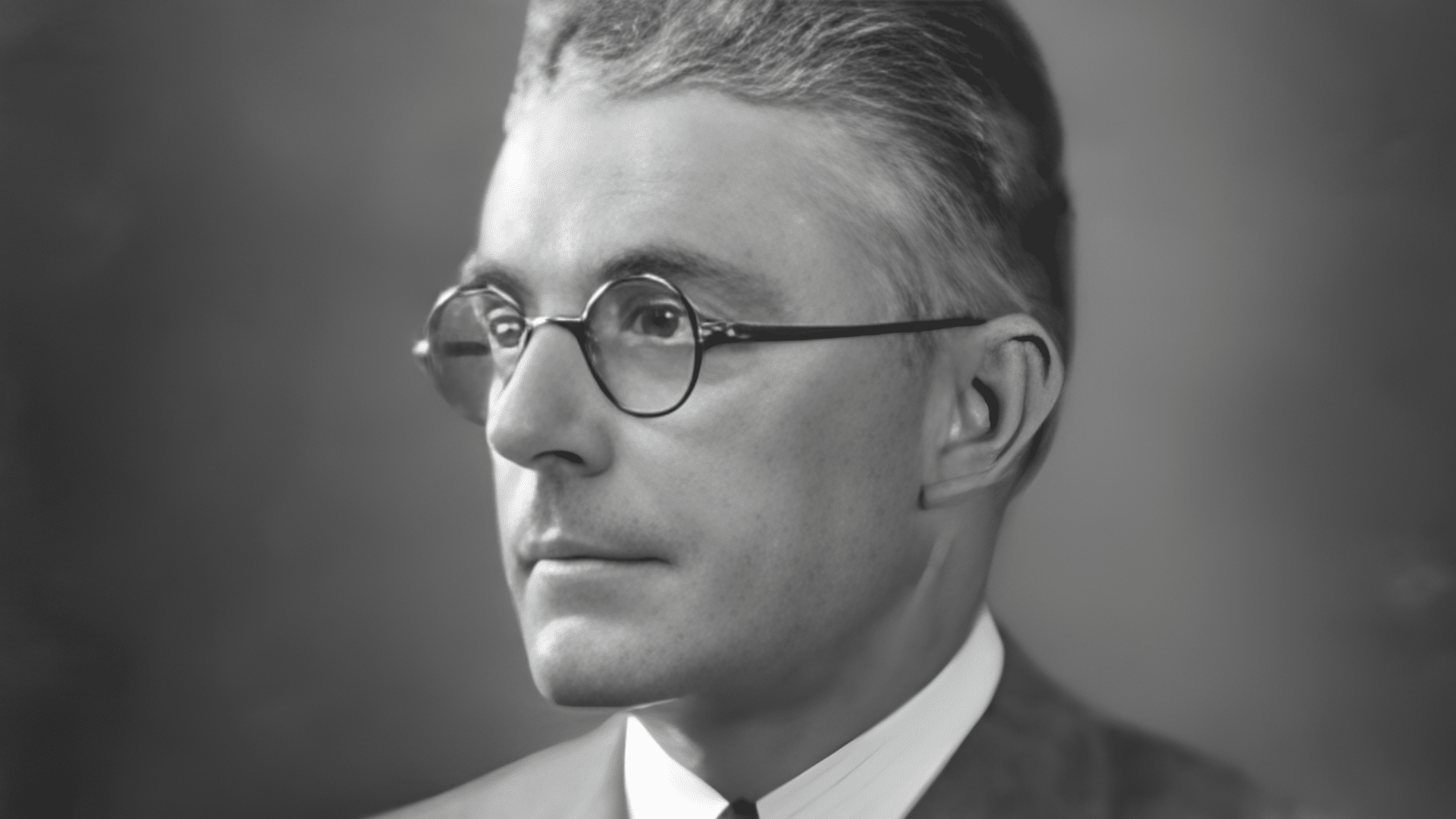
Watson founded behaviorism in 1913 and rejected studying consciousness entirely. He believed psychology should focus only on observable actions.
His famous Little Albert experiment demonstrated how fears could be conditioned in humans.
Watson’s work established behavior as psychology’s proper subject matter, making the field more scientific and objective.
2. B.F. Skinner
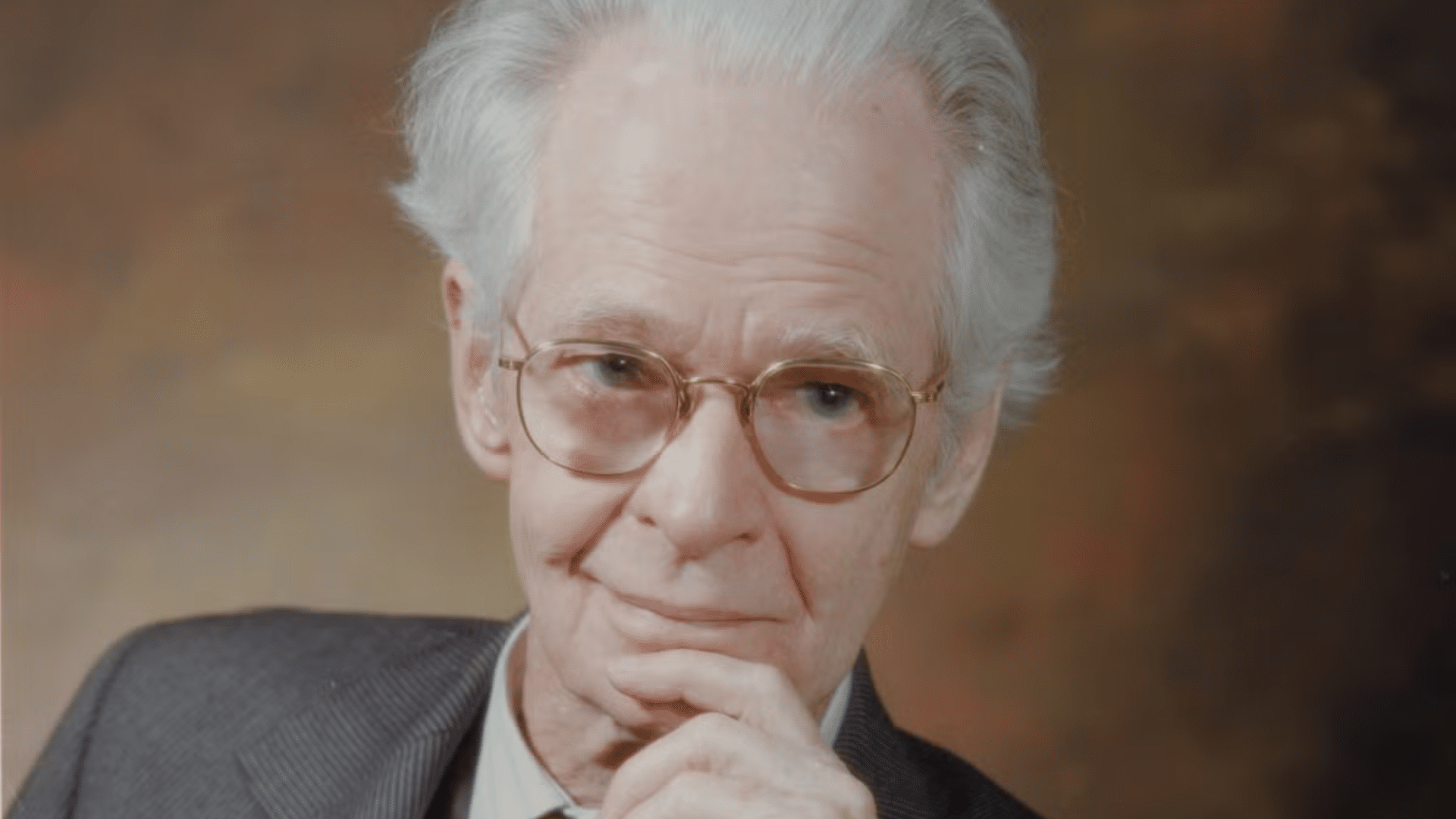
Skinner developed operant conditioning theory, showing how consequences shape voluntary behavior.
He invented the Skinner Box to study how rats and pigeons learned through reinforcement. His research proved that behavior could be controlled and predicted through environmental manipulation.
Skinner’s principles revolutionized education, therapy, and the understanding of human motivation throughout his career.
3. Ivan Pavlov
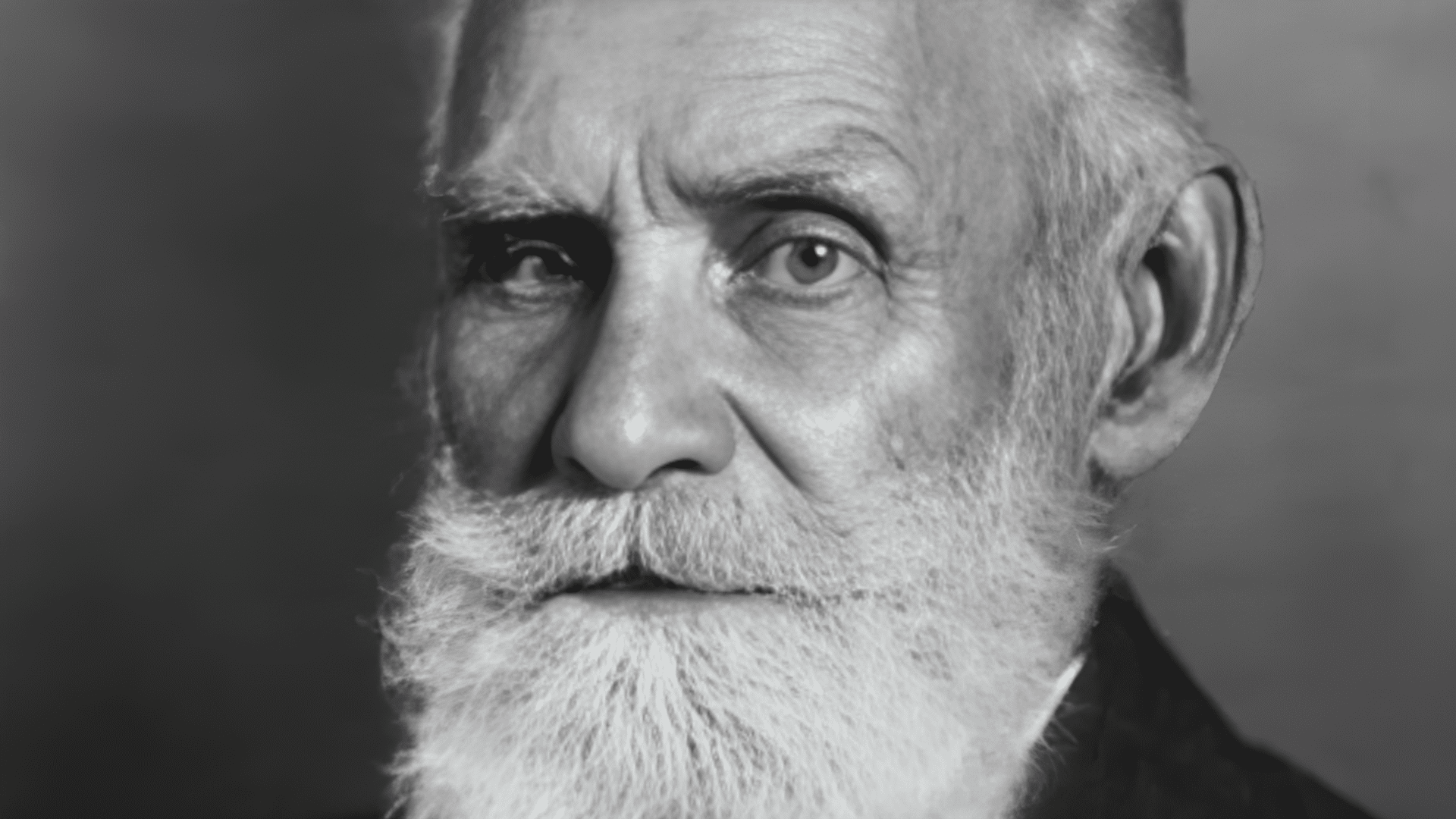
Pavlov discovered classical conditioning through experiments with dogs and digestion. He noticed dogs salivated before food appeared, responding to associated signals.
His research showed how neutral stimuli could trigger automatic responses through repeated pairings.
Pavlov’s findings laid the groundwork for understanding learned reflexes and associations that influence behavior daily.
4. Edward Thorndike
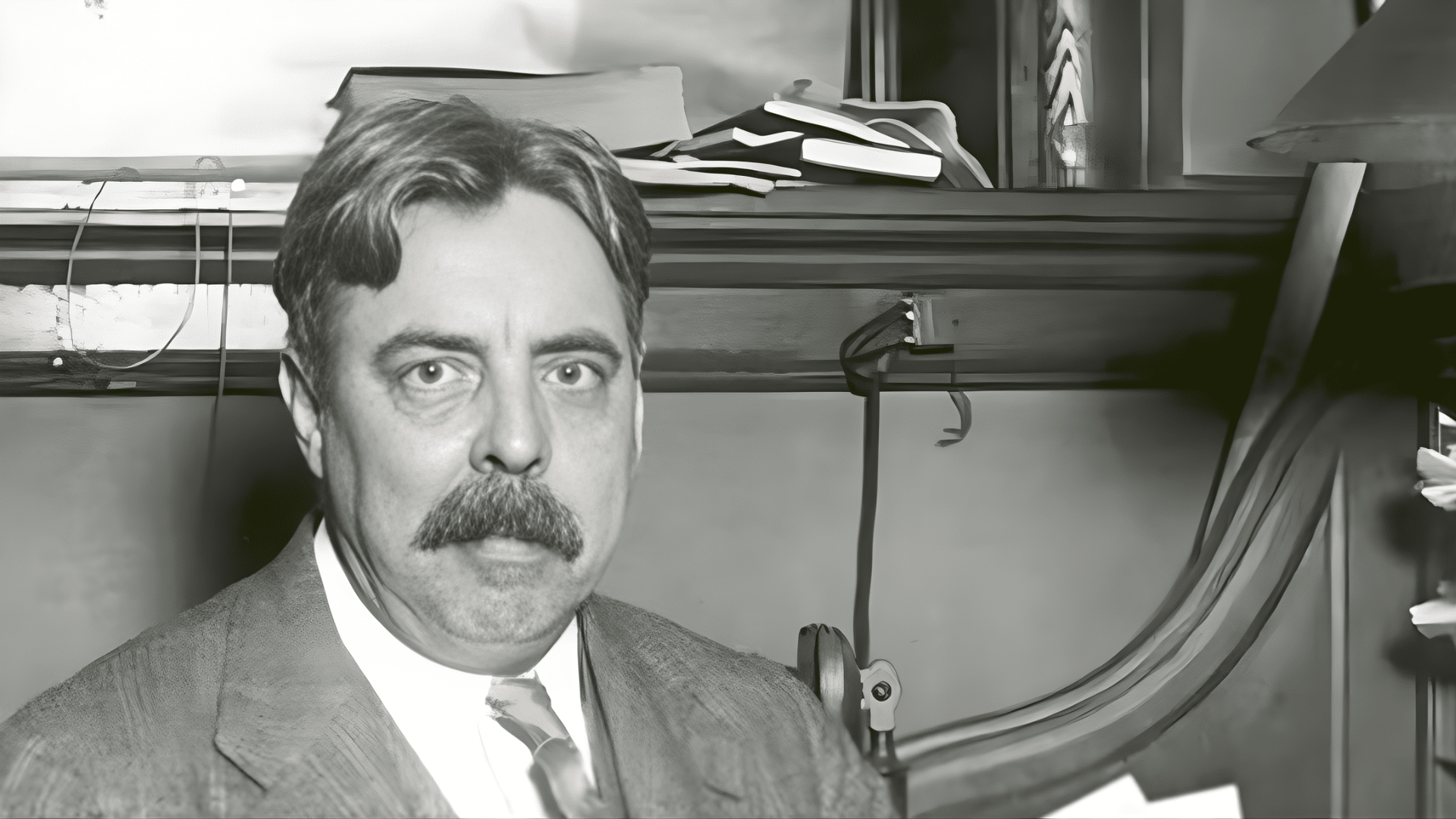
Thorndike formulated the Law of Effect, stating that behaviors followed by satisfaction get repeated.
He studied cats escaping puzzle boxes to understand trial-and-error learning. His work showed that consequences strengthen or weaken behaviors over time.
Thorndike’s research preceded Skinner’s operant conditioning and influenced educational psychology significantly throughout the twentieth century.
5. Albert Bandura

Bandura expanded behaviorism by including observational learning in his social learning theory.
His Bobo Doll experiments proved that children learn behaviors by watching others. He demonstrated that reinforcement isn’t always necessary for learning to occur.
Bandura bridged behavioral and cognitive psychology, showing mental processes matter alongside environmental factors.
Applications of Behavioral Perspective Psychology
Behavioral perspective psychology extends beyond theory into practical everyday use. Mental health professionals, educators, and parents apply these principles regularly.
Classroom Management
Teachers use behavioral techniques to maintain order and encourage learning.
They reward good behavior with praise or privileges while discouraging disruptions through consequences. Token economy systems motivate students to complete assignments and participate actively.
These methods create structured environments where children thrive academically and socially.
Therapy and Counseling
Therapists treat phobias, anxiety disorders, and obsessive behaviors using behavioral methods.
Exposure therapy gradually introduces feared objects or situations until anxiety decreases. Systematic desensitization pairs relaxation techniques with anxiety triggers.
These evidence-based treatments help clients overcome debilitating fears and regain control over their lives effectively.
Parenting Strategies
Parents shape children’s behavior through consistent reinforcement and consequences.
Time-outs discourage misbehavior while praise encourages positive actions. Reward charts track progress toward goals like completing chores or homework.
These techniques help children learn responsibility, self-control, and appropriate social behavior from an early age.
Addiction Treatment
Behavioral programs help people overcome substance abuse and harmful habits.
Contingency management rewards sobriety with vouchers or privileges.
Aversion therapy creates negative associations with addictive substances. Support groups reinforce recovery behaviors through social encouragement.
These interventions address the behavioral patterns that maintain addiction.
Animal Training
Pet owners and professional trainers use behavioral principles to teach commands and tricks.
Clicker training marks desired behaviors with sounds followed by treats. Positive reinforcement builds trust while shaping complex behavior sequences.
These humane methods work better than punishment-based approaches for training dogs, cats, and other animals.
Workplace Productivity
Businesses apply behavioral psychology to improve employee performance and motivation.
Performance bonuses reinforce goal achievement and quality work. Recognition programs celebrate accomplishments publicly.
Clear feedback helps workers understand expectations and correct mistakes. These strategies boost morale, reduce turnover, and increase organizational success.
Famous Studies
Landmark experiments demonstrated how behavioral principles work in controlled settings.
These famous studies provided evidence for conditioning theories.
Little Albert Experiment
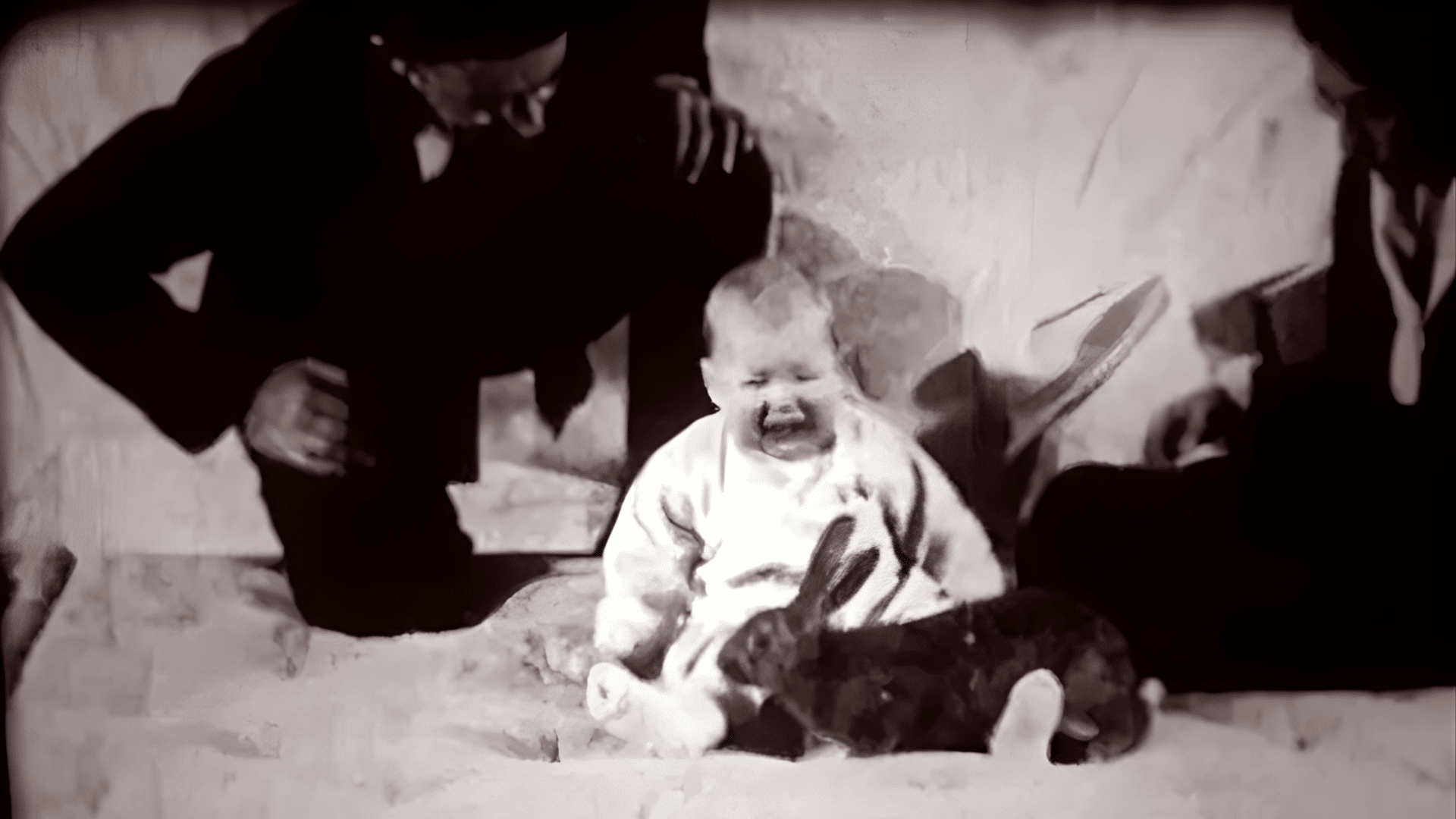
John Watson and Rosalie Rayner conditioned a baby to fear white rats in 1920.
They paired a loud noise with the rat until Albert showed fear responses. The fear generalized to similar furry objects like rabbits and dogs.
This controversial study proved emotional responses could be learned, though it raised serious ethical concerns.
Pavlov’s Dogs Classical Conditioning
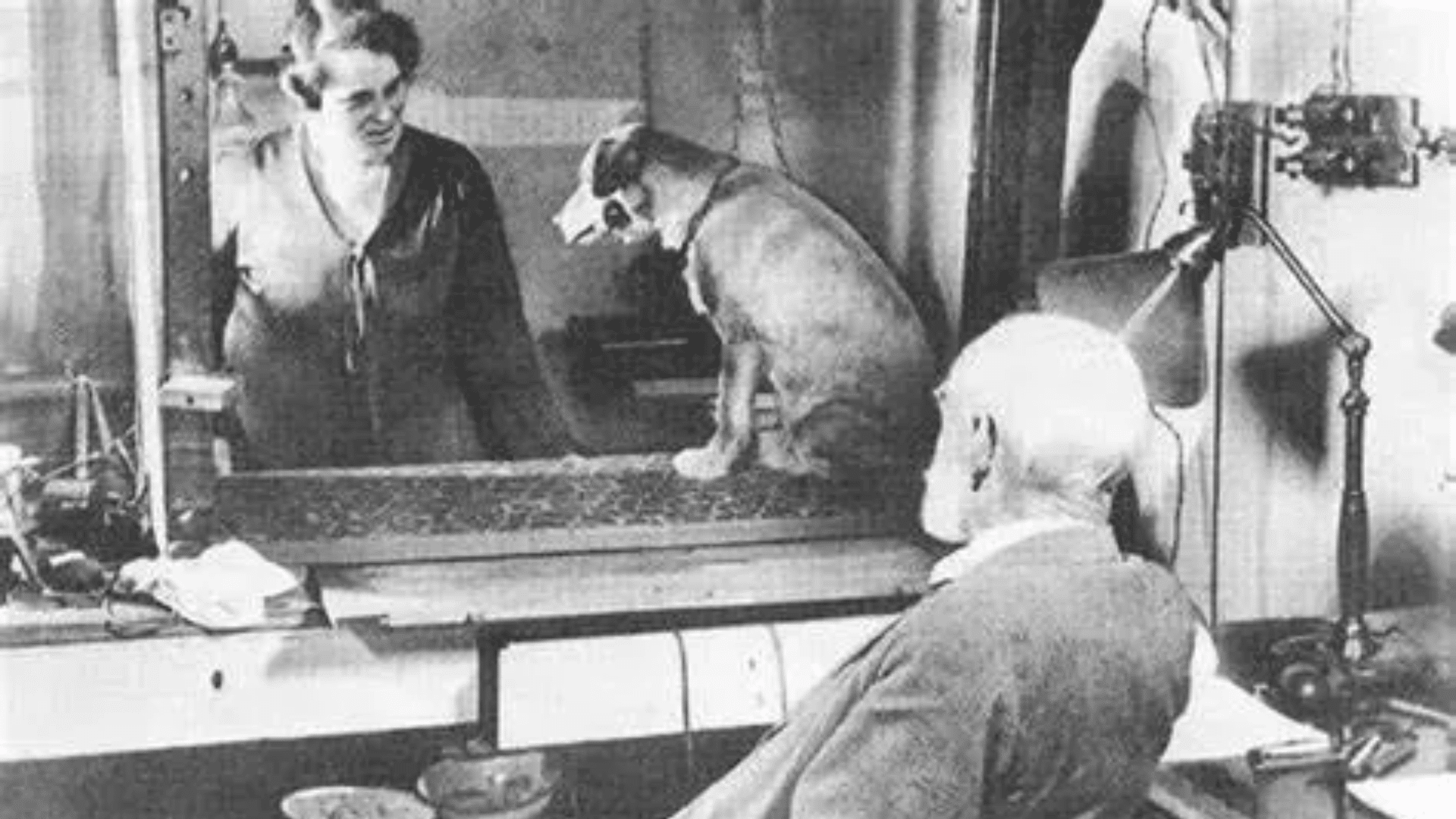
Ivan Pavlov rang a bell before feeding the dogs in his laboratory.
Eventually, dogs salivated at the bell sound alone without food present. This demonstrated how neutral stimuli become conditioned triggers through association.
Pavlov’s research established classical conditioning as a fundamental learning process in animals and humans alike throughout their lives.
Skinner’s Box Operant Conditioning

B.F. Skinner placed rats and pigeons in controlled boxes with levers or buttons.
Animals learned to press levers when actions produced food rewards. He studied how different reinforcement schedules affected behavior rates and patterns.
This research proved that consequences shape voluntary actions, forming the basis for operant conditioning theory.
Thorndike’s Puzzle Box
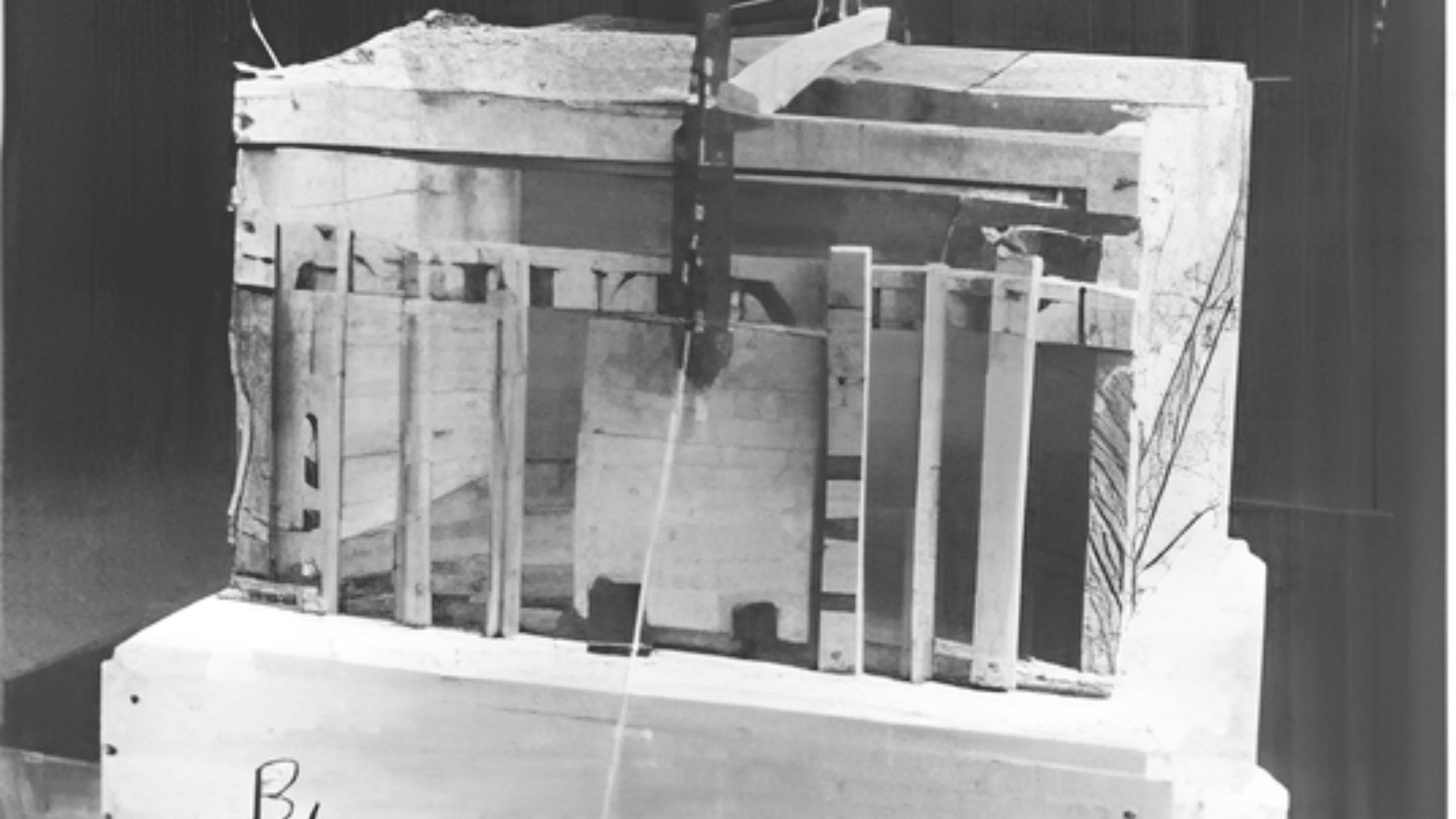
Edward Thorndike locked cats inside boxes requiring specific actions to escape.
Cats initially tried random behaviors before finding the correct solution. With repetition, they escaped faster as unsuccessful actions decreased.
His observations led to the Law of Effect, showing that satisfying consequences strengthen behaviors while annoying ones weaken them.
Watson’s Behaviorist Manifesto Study
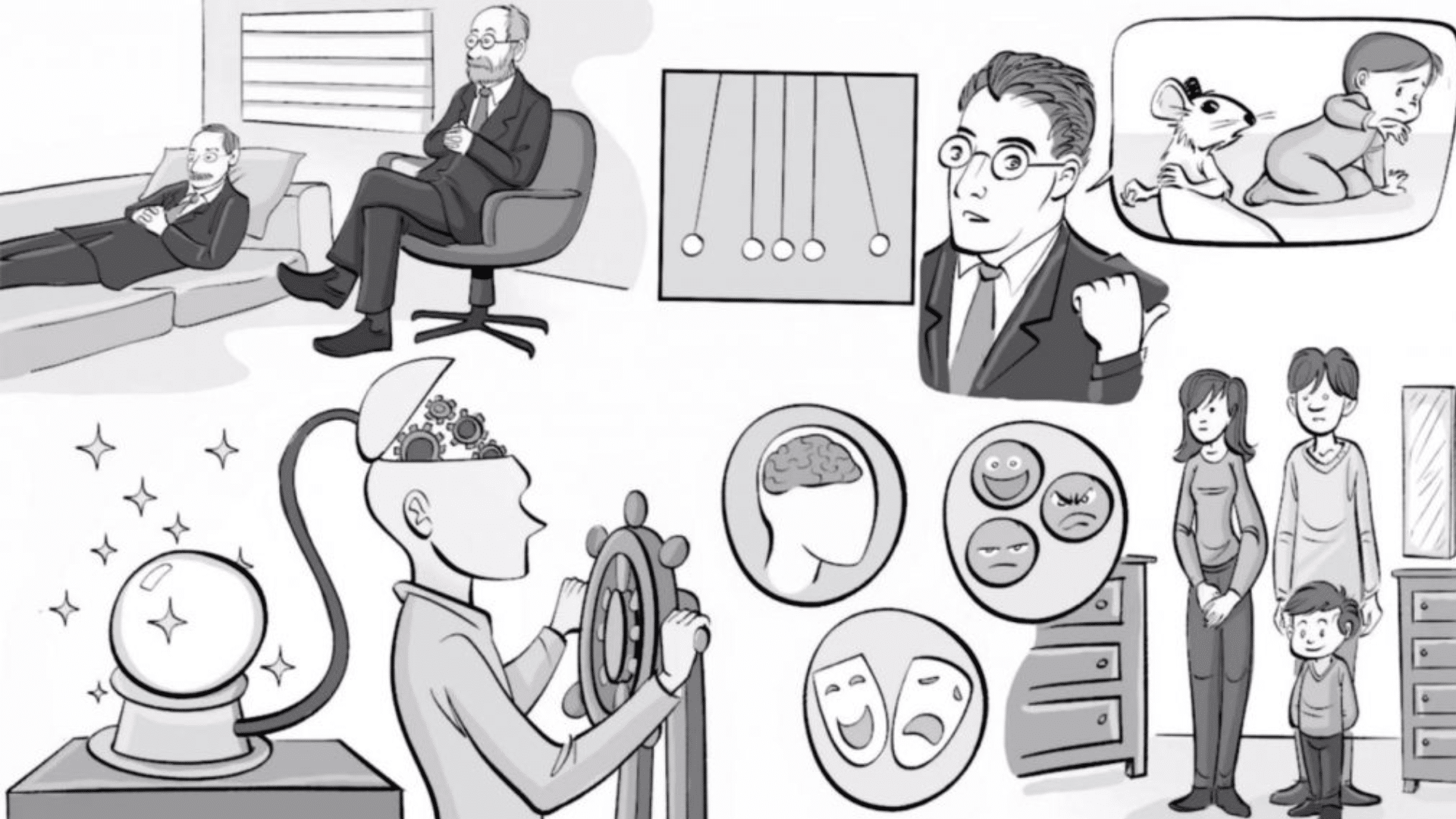
John Watson published his manifesto in 1913, declaring that psychology should study observable behavior only.
He rejected introspection and consciousness as unscientific methods of investigation. His paper outlined how researchers could measure stimuli and responses objectively.
This work redirected psychology toward experimental methods, establishing behaviorism as a dominant force.
Wrap Up
Behavioral perspective psychology changed how scientists study human actions and learning patterns.
However, critics rightly point out its limitations. Ignoring thoughts and emotions leaves gaps in understanding human complexity. Biology and culture matter too.
Want to apply these principles in your life? Start small. Notice what consequences follow your actions.
Change your environment to support better habits. Behavioral psychology offers tools anyone can use to improve their daily lives.