
Key Takeaways
Natural repellent recipes use common household ingredients.
Different methods work better for specific situations and exposure levels.
Safety testing on skin patches prevents allergic reactions.
How do Homemade Mosquito Repellents Work?
Homemade mosquito repellents work by masking your scent or creating odors that mosquitoes dislike.
Natural ingredients, such as essential oils, confuse mosquito sensors. Citronella oil, eucalyptus oil, and lavender oils emit strong fragrances that repel these insects.
These oils are typically mixed with a carrier oil, water, or other ingredients, which I will talk about further in this blog.
While generally safer than chemical alternatives, natural repellents may need more frequent reapplication to maintain their effectiveness.
Pros and Cons of Homemade Mosquito Repellents
The following are the pros and cons of mosquito repellents that I have personally experienced:
| Pros | Cons |
|---|---|
| Made from plant-based and kitchen items without harsh chemicals. | Requires reapplication every 30–60 minutes to stay effective. |
| Cheaper than store-bought repellents using common household ingredients. | Doesn’t protect as well as DEET-based products. |
| Adjust scents and strengths to match your preferences and skin sensitivity. | Takes effort to gather ingredients, mix solutions, and store them properly. |
| Less likely to cause irritation or allergic reactions. | Effectiveness varies with ingredient quality, mixing ratios, and body chemistry. |
Things to Remember Before Making the Repellent
The following are some essential safety tips that you should keep in mind before making a homemade mosquito repellent:
- Always use clean containers and utensils when mixing ingredients.
- Test essential oils on a small patch of skin first to check for allergic reactions due to the essential oils.
- Label each bottle clearly with the contents and the date it was made.
- Store homemade sprays in cool, dark places away from direct sunlight.
Types of Homemade Mosquito Repellents
I’ve tested most of these repellents regularly, both in my garden and on camping trips, so the shelf-life and reapplication notes come from actual use, not just research
If you have sensitive skin, do a patch test first.
1. Burn Coffee Grounds and Egg Cartons

This method works well, and you probably throw away these items every day.
The smoke from burning coffee grounds naturally repels mosquitoes. I often try this in my backyard during barbecue. I usually sit for 2-3 hours without a single bite.
This is one of the best homemade mosquito sprays for the yard.
What You’ll Need:
- Used coffee grounds (dried out)
- Empty egg cartons
- Matches or lighter
How to Make and Use It:
First, spread used coffee grounds on a plate. Let them dry completely for a few days. Wet grounds won’t burn properly. I also made this mistake the first time.
Once they’re dry, place the grounds into egg carton cups for easier handling.
Light the edge of the grounds or carton. They’ll smolder, producing smoke that repels mosquitoes.
Shelf Life & Storage: Store dried coffee grounds in an airtight jar. They stay usable for up to 2 weeks.
2. Lemon Eucalyptus Oil Repellent
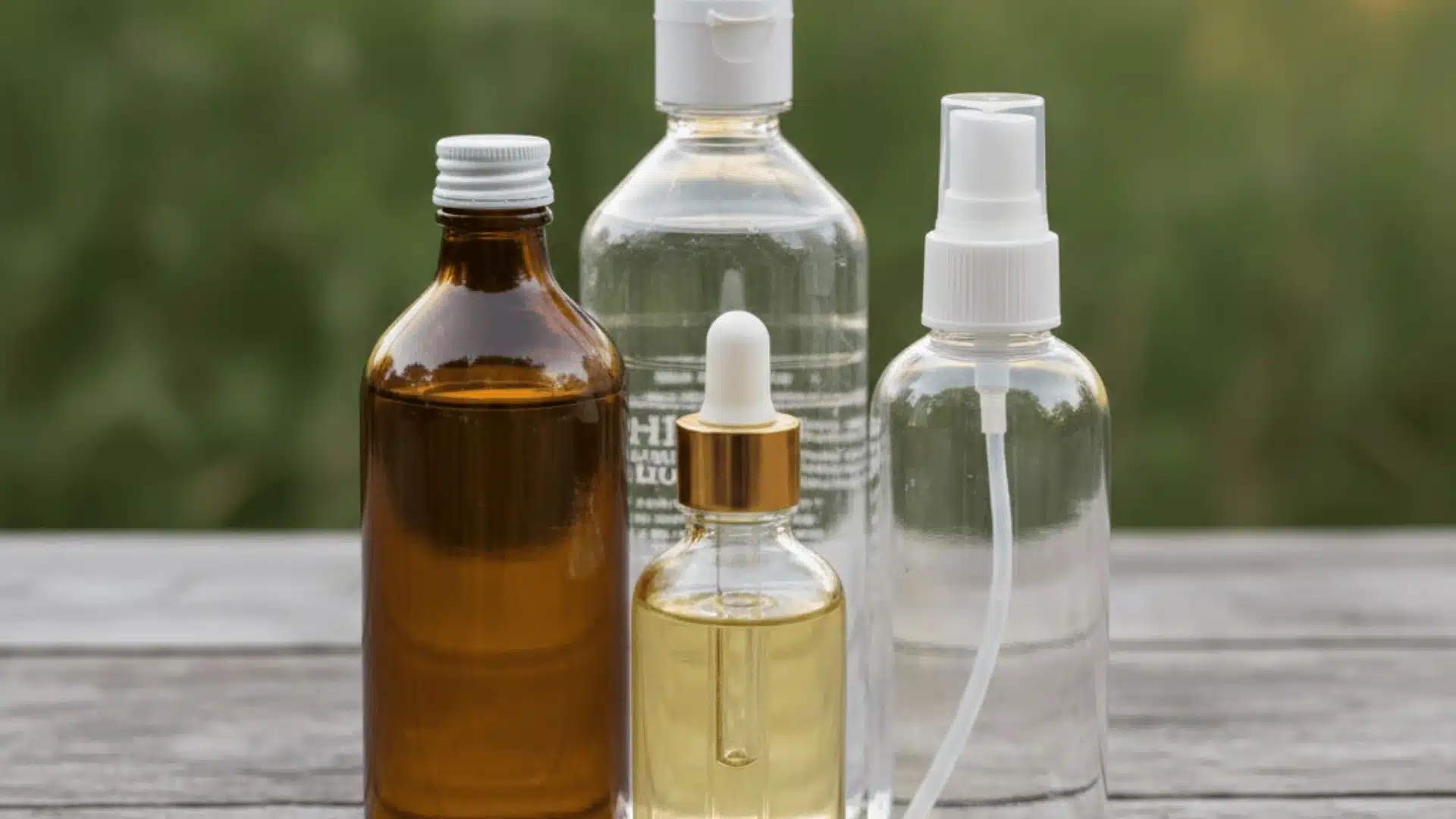
Lemon eucalyptus smells fresh and clean, not like those harsh chemical sprays. My skin actually feels better after using it, rather than being irritated.
The CDC actually recognizes OLE (oil of lemon eucalyptus) as an effective repellent, it’s one of the few plant-based options with that distinction.
What You’ll Need:
- 1 tablespoon of lemon eucalyptus oil
- 10 tablespoons of witch hazel or rubbing alcohol
- A spray bottle to mix both
Steps to Make and Apply:
Pour the witch hazel or rubbing alcohol into the spray bottle first.
Add the lemon eucalyptus oil directly into the bottle.
Shake well before each use. Spray on exposed skin and clothes. Avoid the eyes and mouth. Reapply every few hours for the best results.
Shelf Life & Storage: Keep in a cool, dark place. The spray stays fresh for up to 6-12 months.
3. Neem Oil Bug Barrier
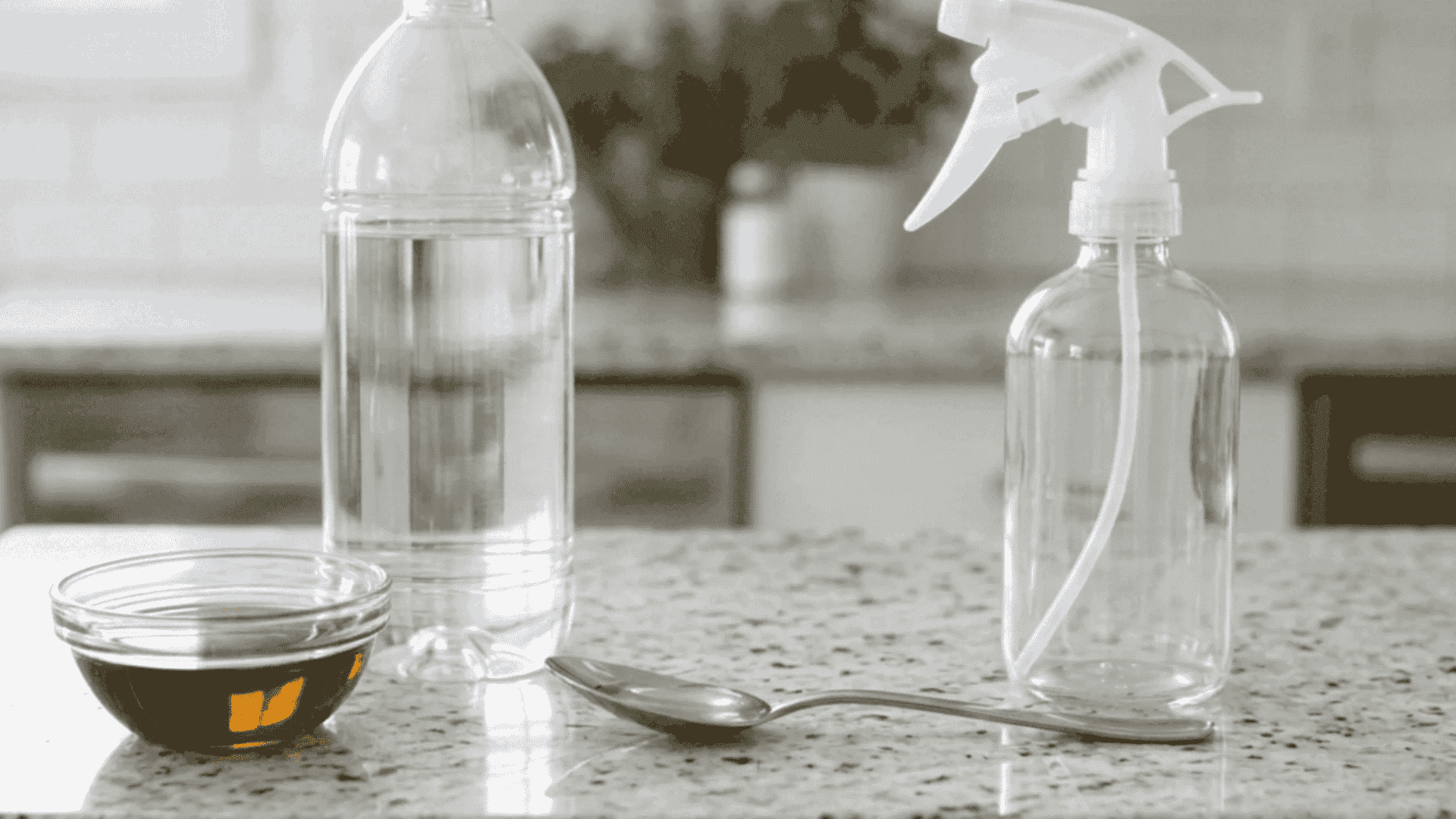
Neem oil has been used for centuries to repel insects. It’s safe, natural, and works on many types of bugs.
Use this spray in the evening when mosquitoes are most active. It creates a barrier they won’t cross.
What You’ll Need:
- 1 tablespoon of neem oil
- 1 bottle of water
- 1 teaspoon of mild dish soap
- A spray bottle
The soap acts as an emulsifier, without it, oil and water separate within minutes and the spray loses contact with skin.
How to Prepare and Apply it:
Mix the water and dish soap in a spray bottle. The soap helps the oil blend with water.
Add the neem oil and shake vigorously.
Spray on skin, clothes, and around doorways. It can also be misted around patios or decks.
The smell might be strong at first, but after 15 minutes it will vanish.
Shelf Life & Storage: Store this homemade mosquito repellent in a glass bottle away from sunlight. Use within 1 to 2 months; discard if separated.
4. Apple Cider Vinegar Mosquito Spray
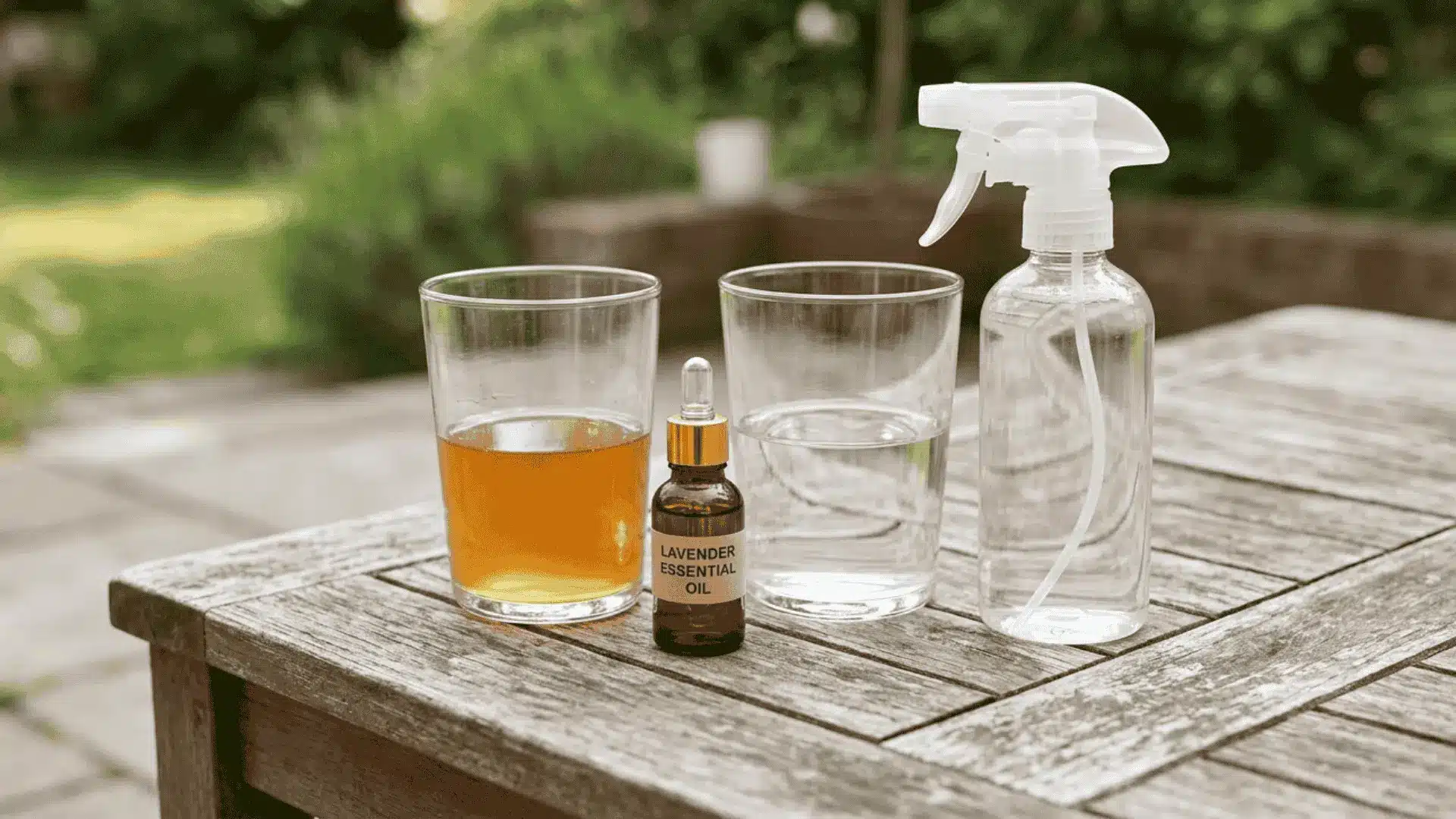
Apple cider vinegar does more than just season salads. Mosquitoes hate the smell, making it perfect for a homemade mosquito repellent.
What You’ll Need:
- 1/2 glass of apple cider vinegar
- 1/2 glass of water
- 20-30 drops of essential oils (optional: lavender or tea tree)
- A spray bottle
Prep and Apply:
Combine the vinegar and water in a spray bottle. For a better scent, add a few drops of your favorite essential oil.
Shake well to mix everything together.
Apply to skin and clothing before going outside.
The vinegar smell disappears as it dries, but mosquitoes will still stay away.
This spray works great in gardens as well. Mist it around plants where mosquitoes like to hide.
I noticed the spray works noticeably better on clothing than on skin; the fabric seems to hold the scent longer.
Shelf Life & Storage: Refrigerate for best results. This spray lasts up to 1 month.
5. Coconut Skin Protector
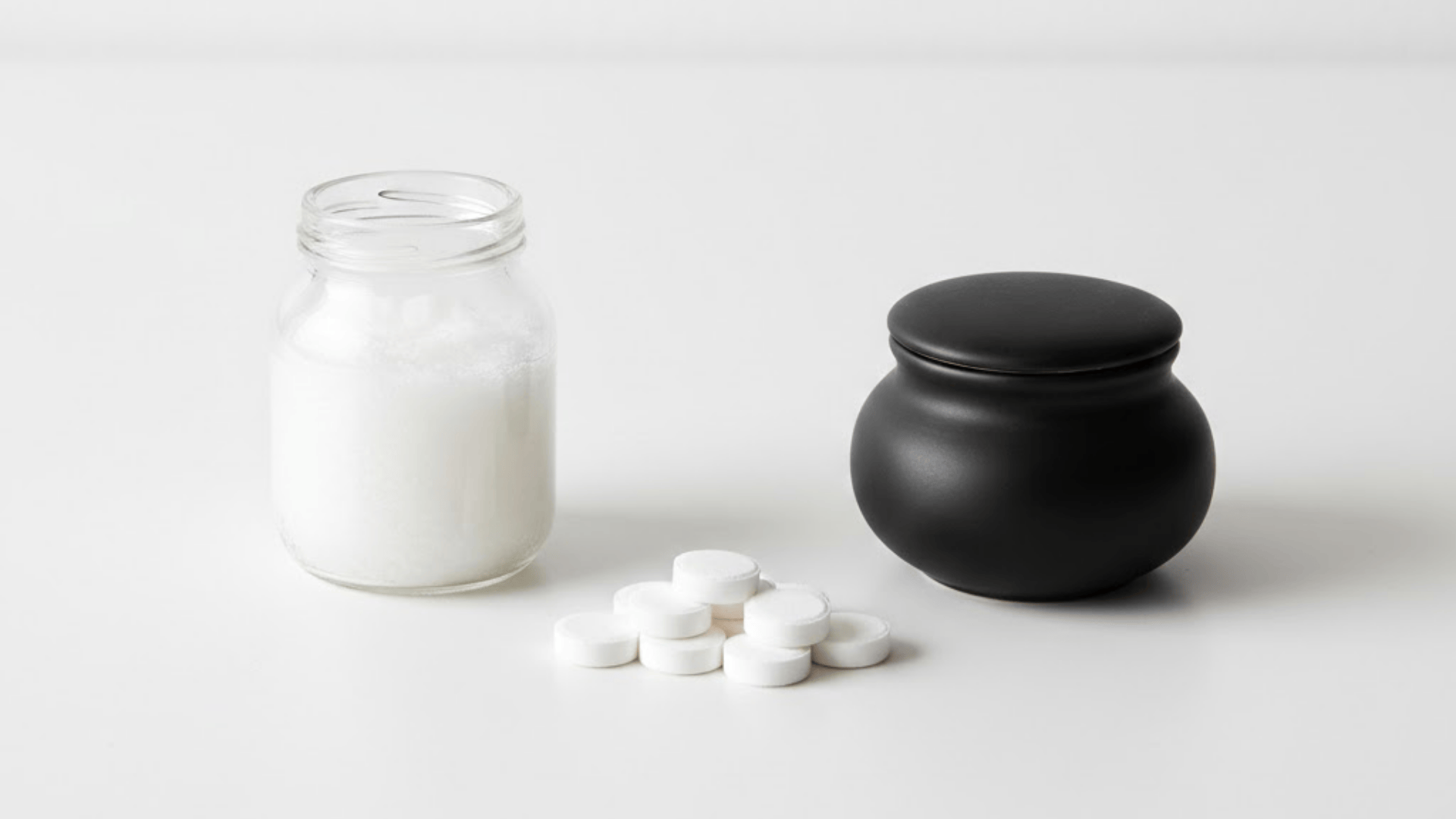
This rub creates a protective layer on the skin. It feels good and keeps mosquitoes from landing.
What You’ll Need:
- 2 tablespoons of coconut oil
- 4-6 camphor tablets (crushed into powder)
- A small container with a lid
How to Put it Together and Use it:
Melt the coconut oil. If the coconut oil is solid, melt it gently until it turns liquid.
Crush the camphor tablets into a fine powder using the back of a spoon. Stir the camphor powder into the melted coconut oil until fully combined.
Pour into a small container and let it cool. Rub a thin layer on exposed skin before heading outdoors.
A quick note for parents: Keep this homemade mosquito repellent away from young children’s hands. The camphor can cause an immediate reaction if it reaches the mouth.
Shelf Life & Storage: Store in an airtight jar at room temperature, keeping it away from direct sunlight. Good for around 6 months.
6. Cinnamon Oil Spray
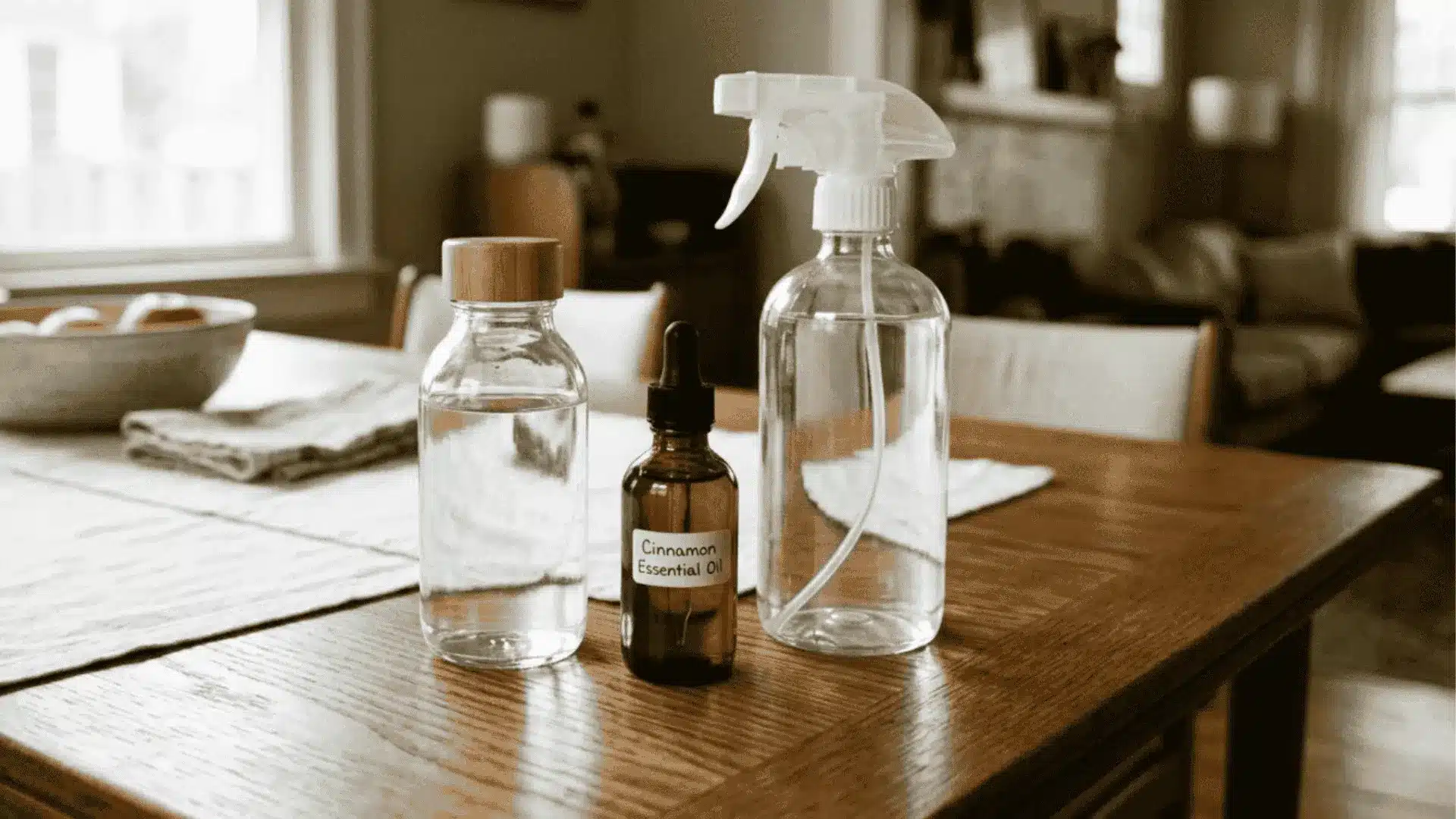
Cinnamon isn’t just for baking. Studies show that cinnamon oil kills mosquito larvae and repels adult mosquitoes.
The warm, spicy smell is actually quite pleasant outdoors, unlike most other sprays.
What You’ll Need:
- 10-20 drops of cinnamon oil
- 1 cup of water
- A spray bottle
I keep it at 10 drops for anyone with fair or reactive skin, since cinnamon oil has a low sensitization threshold compared to most other essential oils.
How to Mix and Use It:
Add the correct amount of cinnamon oil. It should not be more than 20 drops per cup of water. Too much can irritate or redden the skin.
Pour the water into the spray bottle and add the cinnamon oil.
Shake well before every use. Spray lightly on skin, clothes, and around outdoor seating areas.
It also works well around window edges and door frames.
Shelf Life & Storage: Keep in a cool, dry spot. Use within 2 weeks for the best results.
7. Mouth Wash Spray
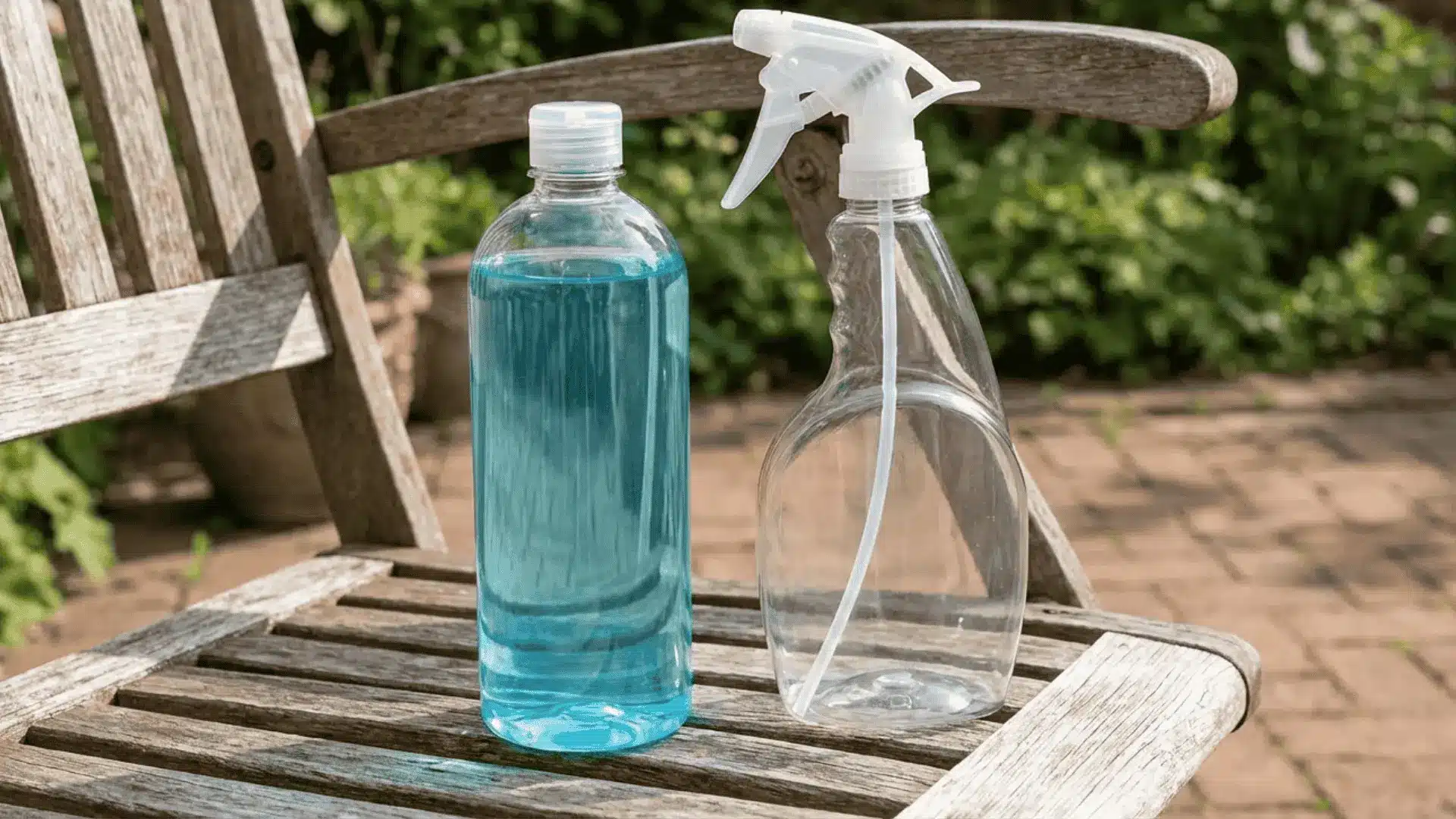
This one surprised me the first time I heard about it. A simple bottle of mouthwash can work well as a homemade mosquito repellent.
The mint and eucalyptus in most mouthwashes are natural bug repellents.
What You’ll Need:
- 1 cup of mint-based mouthwash
- A spray bottle
From Mixing to Application:
Pour the mouthwash directly into a spray bottle. No mixing or diluting needed. Shake it once, and it’s ready to use.
Spray it around your patio, lawn chairs, and outdoor table. You can also lightly spray it onto clothing. Don’t spray it directly on the face or near the eyes.
Stick to clothes and surroundings for the best results.
This works as a perimeter spray, but I wouldn’t rely on it alone for more than 30–40 minutes outdoors.
Shelf Life & Storage: Store in the spray bottle at room temperature. Check the mouthwash expiry date before use.
8. Citronella Spray

Citronella is also a well-known natural mosquito repellent. It comes from lemon grass and has a strong, sharp scent that mosquitoes can’t stand.
The smell takes some getting used to. But after a few uses, you would actually start to like it.
What You’ll Need:
- 20 drops of citronella essential oil
- 1/4 cup of witch hazel
- 1/4 cup of water
- A spray bottle
Steps to Make and Apply:
Pour the witch hazel and water into the spray bottle first.
Add the citronella oil. Drop in the citronella oil and close the bottle firmly.
Shake well before every use. Spray on exposed skin and around outdoor spaces.
Shelf Life & Storage: Store in a cool, dark place. The spray remains effective for 3-6 months.
9. Peppermint Oil Rub

Peppermint oil has a sharp scent that mosquitoes really dislike. It also cools the skin, which feels great in the heat.
What You’ll Need:
- 10-15 drops of peppermint essential oil
- 2 tablespoons of olive oil
- A small glass jar
How to Make it Work:
Mix the peppermint oil with the carrier oil in a glass jar. Stir well until fully combined. Apply a small amount to exposed skin before going outside.
The cooling feeling is an unexpected bonus on hot days.
You can also add a few drops of peppermint oil to a diffuser near your patio. The scent spreads and keeps mosquitoes at bay.
Shelf Life & Storage: Keep in a sealed glass jar away from heat. Lasts up to 3 months easily.
Quick Repellent Guide
| Option | Expected Staying Power | Reapply Cue | Skin Sensitivity Risk |
|---|---|---|---|
| Coffee Grounds Burner | 2–3 hours | When the smoke stops | None (no skin contact) |
| Lemon Eucalyptus Spray | 2–3 hours | When you feel bites | Low to moderate |
| Neem Oil Spray | 3–4 hours | Strong smell fades | Low |
| Apple Cider Vinegar Spray | 1–2 hours | Vinegar smell gone | Very low |
| Camphor Coconut Rub | 2–3 hours | Oil absorbed fully | Very low |
| Cinnamon Oil Spray | 1–2 hours | Spicy scent fades | Moderate (use sparingly) |
| Mouthwash Spray | 1–2 hours | Fresh scent disappears | Very low (avoid face) |
| Citronella Spray | 2–3 hours | Sharp scent fades | Low |
| Peppermint Oil Rub | 2–3 hours | Cooling feeling fades | Low (patch test first) |
Choose Your Best Match
Not all situations need the same level of protection.
Here’s which homemade mosquito repellent works best for different settings:
Backyard Dinner (Short Exposure)
When people are outside for an hour or two, the Coffee Grounds Burner or Camphor Coconut Rub will do the job.
These methods work well when staying in one spot.
Walks and Hikes (Moderate Exposure)
When moving around for a while, go with Lemon Eucalyptus Spray or Apple Cider Vinegar Spray. They’re easy to carry and reapply on the go.
I take a small spray bottle on walks. I even reapply it every hour during my morning jogs.
High Mosquito Pressure or Disease-Risk Areas
In areas with high mosquito pressure or dengue or malaria risk, skip the DIY options.
Use EPA-registered repellents with DEET or picaridin; homemade solutions aren’t effective in high-risk zones.
Where to Apply?
Different repellents work better for different applications:
On Skin
- Lemon Eucalyptus Spray
- Apple Cider Vinegar Spray
- Camphor Coconut Rub
Apply these directly to exposed areas like your arms, legs, and neck.
On Clothes and Gear
- Neem Oil Spray
- Apple Cider Vinegar Spray
Spray these on shirts, pants, hats, and backpacks. They won’t stain most fabrics.
Around the Patio (Non-Contact Option)
- Coffee Grounds Burner
- Neem Oil Spray
These create a mosquito-free zone without coming into contact with skin. Perfect for those with sensitive skin or who prefer not to apply anything.
Can Mosquito Repellent Help with Bugs?
Homemade mosquito repellent works on more than just mosquitoes.
Most repellents effectively deter ticks, gnats, flies, and even some spiders. The active ingredients mask your scent or create odors that repel multiple bug species.
The homemade lemon eucalyptus spray kept mosquitoes away as expected, but I also noticed gnats and small flies stayed away.
However, effectiveness varies by bug type. Repellents work best on biting insects that locate prey through scent.
They’re less effective against wasps, bees, or ants because these insects don’t primarily rely on smell to hunt.
Homemade Mosquito Repellents vs Pest Control Service
Each approach has its own advantages and trade-offs worth considering.
| Feature | Homemade Repellents | Commercial Repellents | Pest Control Service |
|---|---|---|---|
| Cost | Low | Moderate | High |
| Effectiveness | Mild | Moderate–High | Very High |
| Duration | Short-term | Hours–Days | Weeks–Months |
| Safety | Natural/Gentle | Chemical-based | Professional-grade |
| Convenience | DIY effort | Easy to use | Hassle-free |
| Best For | Sensitive skin | Everyday use | Severe infestations |
A good starting point is using natural remedies for daily use and calling in professionals only when the problem gets out of hand.
Say Goodbye to Mosquito Bites
Now you have methods that use ingredients you can find at home or buy cheaply at any store.
Remember to test any new mixture on a small area of skin first.
And if heading to high-risk mosquito zones, use EPA-registered products instead.
Share which homemade mosquito repellent works best for you in the comments below.
Frequently Answered Questions (FAQ’s)
1. Which is the Best Homemade Mosquito Repellent?
Lemon eucalyptus oil spray works best, offering protection nearly as effective as commercial DEET products.
2. How to Make Mosquitoes go Away Naturally?
Use citronella candles, remove standing water, and plant lavender or basil around your home to keep mosquitoes away naturally.
3. Can I Spray Vinegar to Keep Mosquitoes Away?
Yes, apple cider vinegar mixed with water and essential oils can temporarily repel mosquitoes.