Key Takeaways
Safe weight loss happens at a steady pace, not through extreme restrictions
Combining smart nutrition with regular movement gives the best outcomes
Home workouts and simple meal plans work just as well as expensive programs
How to Lose Weight Fast?
Fast weight loss sounds good. It rarely works long term, though.
Your body needs time to adjust. When you drop pounds too quickly, you often lose muscle instead of fat.
That slows down your metabolism. You end up gaining it all back, sometimes more.
So what’s the right speed?
Aim for 1 to 2 pounds per week. I know that seems slow. But think about it this way. In six months, that adds up to 24 to 48 pounds. That’s real change.
Here’s what works:
- Cut 500 to 1000 calories from your daily intake
- Add 30 minutes of movement most days
- Drink more water and less soda
- Get 7 to 9 hours of sleep each night
- Track what you eat in a simple journal
How Much Weight Can You Lose in 6 Months?

Let’s talk numbers. This is what you came here to find out.
In 6 months, you can realistically lose between 24 and 48 pounds. That’s based on losing 1 to 2 pounds each week.
Some weeks you’ll drop more. Other weeks the scale won’t budge. That’s completely normal.
Your starting weight matters a lot. If you’re carrying extra pounds, you might see faster initial drops. Someone with less to lose will progress more slowly. Both situations are fine.
The key is setting realistic targets. Aim for steady progress instead of perfection.
Can You Lose 60 Pounds in 6 Months with Exercise?
Sixty pounds in six months. That’s about 2.5 pounds per week. It’s aggressive but possible for some people.
The actual truth is exercise alone won’t get you there. You need to combine workouts with smart eating choices.
Think of it as a team effort between your fork and your sneakers.
Who can hit this target?
Usually people who start with significant weight to lose. If you’re 100 pounds or more overweight, your body may respond faster at first.
But for someone closer to their goal weight, 60 pounds becomes unrealistic and unhealthy.
How to reach this goal:
- Strength training three to four times weekly
- Cardio sessions five to six days per week
- A calorie deficit of 1200 to 1500 calories daily
- Protein, like beef or fish, at every meal to preserve muscle
- Consistent tracking of food and activity
Talk to your doctor before attempting such an ambitious target.
How Much Weight Can You Lose in 3 Months?
Three months typically yield 12 to 24 pounds when following safe guidelines. This quarter-year timeframe works well for beginners building their first healthy routines.
Visible changes appear around week eight.
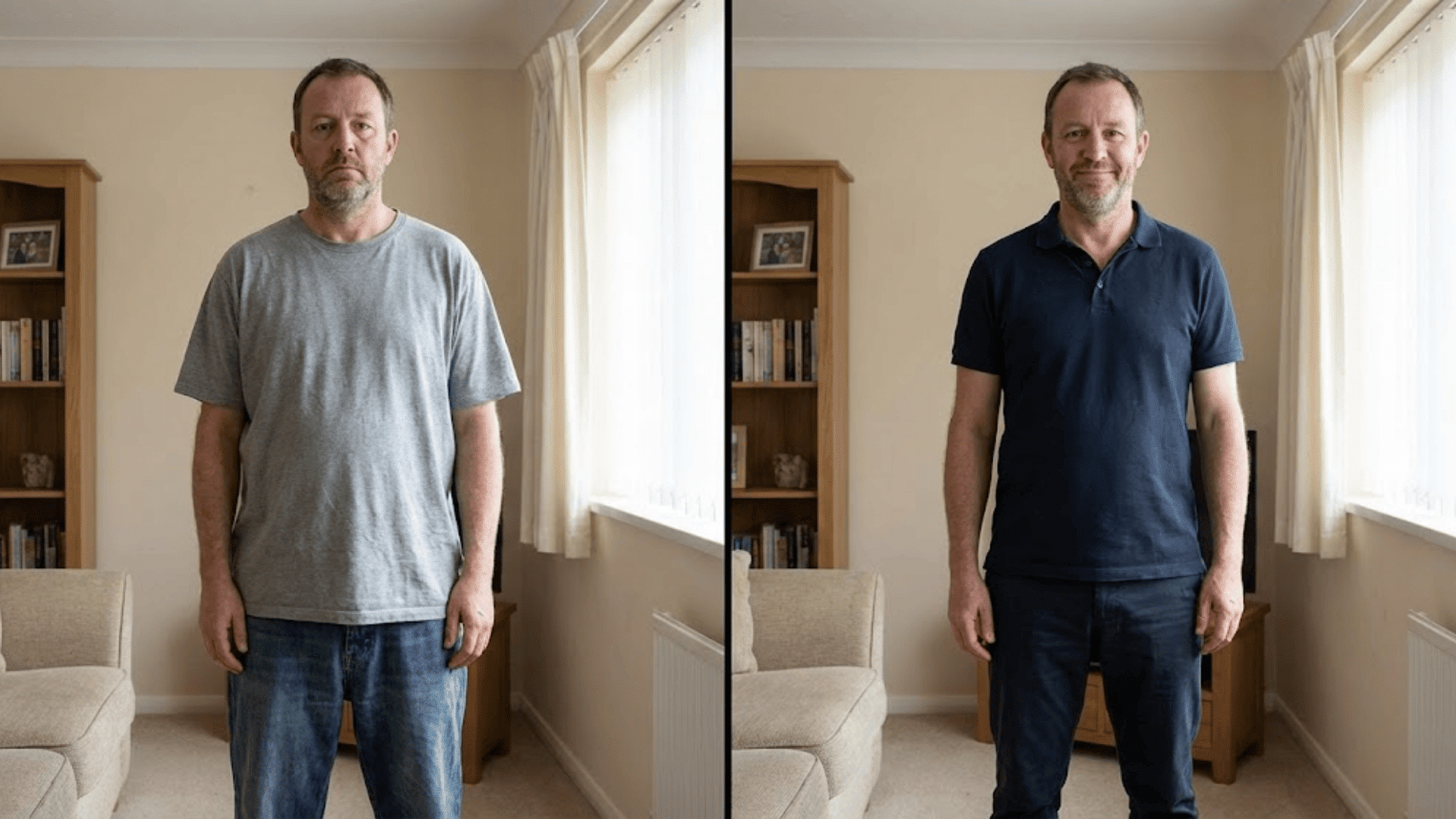
Clothing fits differently. Stamina improves during daily tasks. Blood pressure often drops into healthier ranges.
This duration strikes a balance. It’s long enough to form lasting habits yet short enough to maintain high motivation levels throughout the process
The habits you form now set the foundation for long-term results. Keep pushing forward.
How Much Weight Can You Lose in 12 Months?
A full year allows for 50-100 pounds of safe weight loss. This extended timeframe reduces pressure and prevents burnout.
12 months offers advantages that shorter periods can’t.
Multiple diet adjustments become possible.
The extended commitment also allows the body to adapt gradually. Skin tightens naturally. Metabolism stabilizes at new levels.
How to Safely and Effectively Lose Weight Over a 6-Month Timeframe?
Safety and effectiveness go hand in hand. Here’s the approach that works best.
Calculate daily calorie needs first. Then subtract 500 to 750 calories. This creates a deficit without causing fatigue or muscle loss.
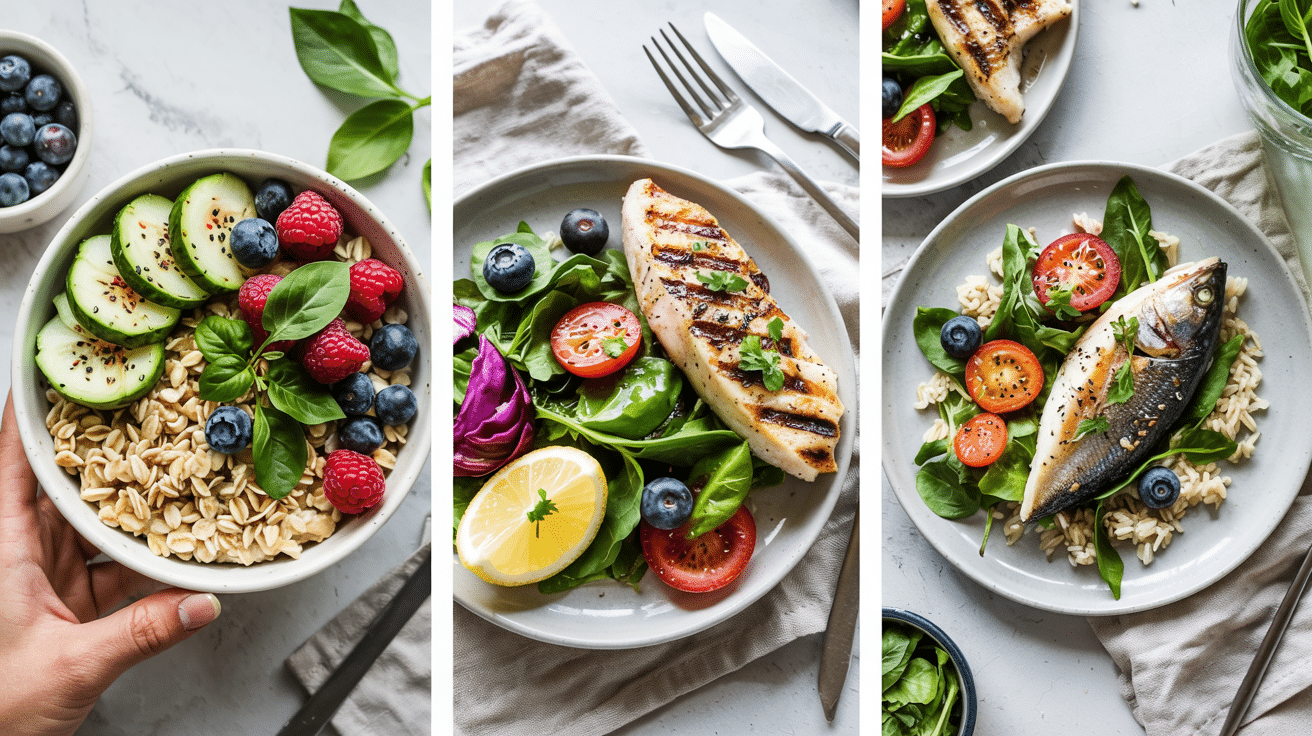
Balance each meal with protein, healthy fats, and vegetables. Whole grains work better than refined carbs. This keeps satisfaction high and cravings low.
The monthly breakdown:
- Month 1 to 2: Establish consistent eating patterns and portion control
- Months 3 to 4: Increase physical activity that feels enjoyable
- Months 5 to 6: Adjust intensity based on progress and energy levels
Take weekly measurements beyond just scale weight. Body measurements show progress when numbers plateau.
Simple Exercises to Lose Weight in 6 Months at Home
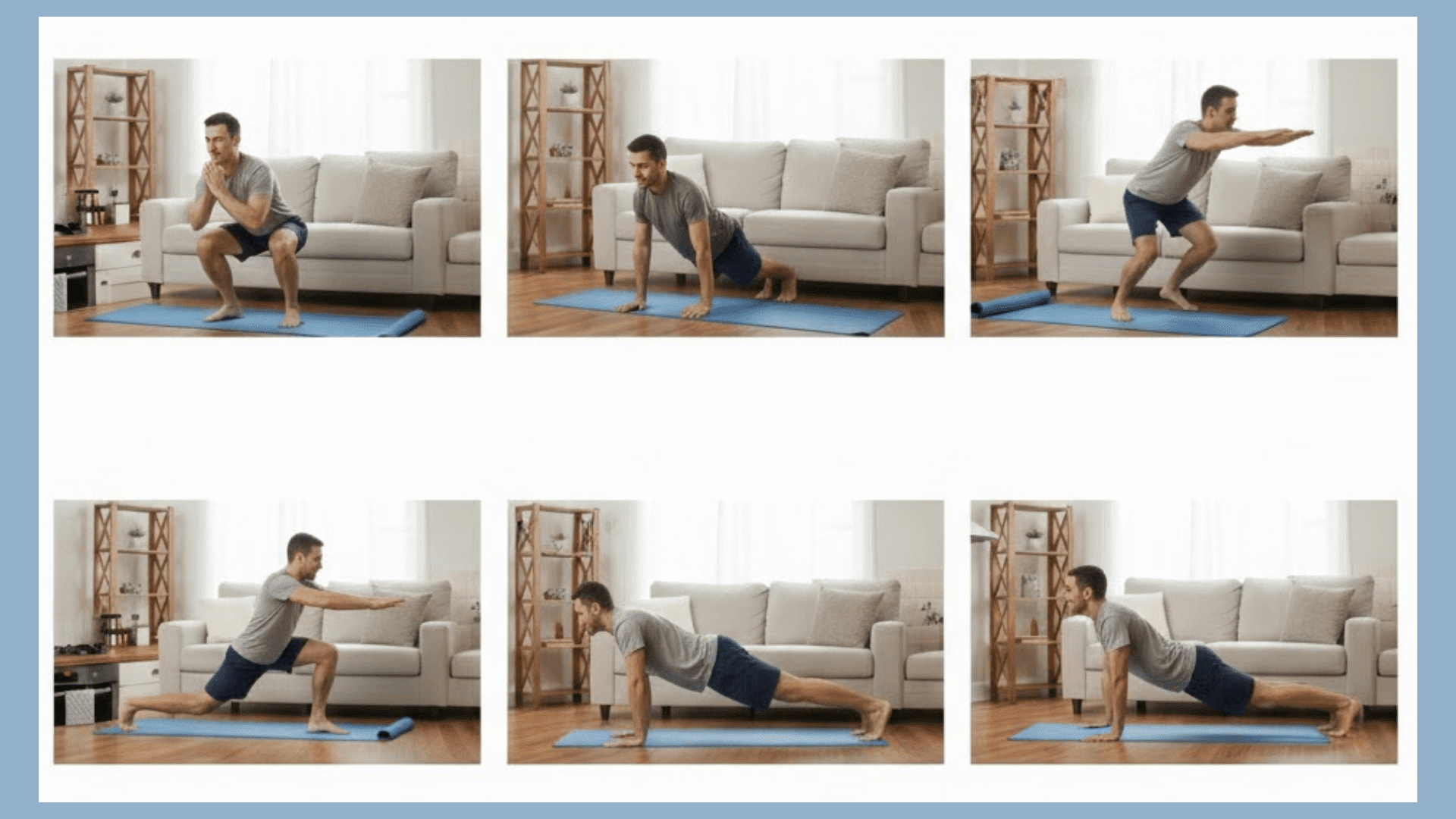
You don’t need a gym membership to get fit. Your living room works just fine.
Here are exercises that burn calories and build muscle right at home.
Bodyweight squats: Stand with feet shoulder-width apart. Lower yourself like you’re sitting in a chair. Push back up. Do three sets of 15 reps. Your legs and glutes will thank you later.
Push-ups: Start on your knees if regular push-ups feel too hard. Work your chest, arms, and core all at once. Aim for three sets of 10 to start.
Jumping jacks: Remember these from school? They’re still effective. Do them for 60 seconds to get your heart pumping. Take a 30-second break. Repeat five times.
Lunges: Step forward with one leg. Lower your back knee toward the floor. Alternate legs. These torch calories while toning your lower body.
Plank holds: Get in push-up position but rest on your forearms. Keep your body straight. Hold for 30 seconds. Build up to a minute of overtime.
Mountain climbers: Start in plank position. Bring one knee to your chest. Switch legs quickly. This move combines cardio with core work.
Dancing: Put on your favorite music and move. Twenty minutes of dancing burns serious calories. Plus it’s actually fun.
The Power of Self-Monitoring for Weight Loss Success
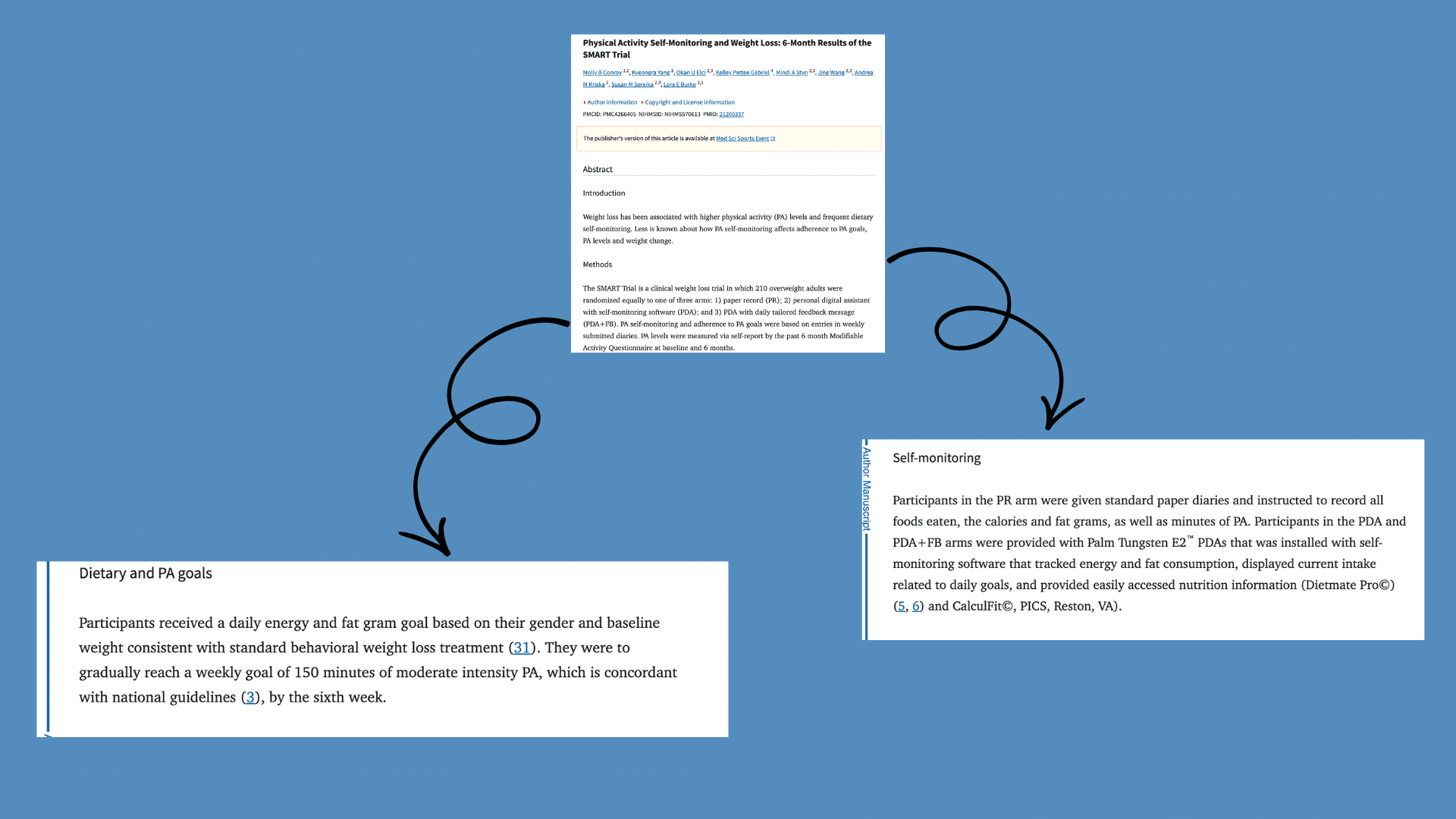
According to a 6 month clinical study published in the National Institutes of Health journal database, people who consistently tracked their physical activity experienced better weight loss results and higher activity levels.
The study followed adults who were trying to lose weight and observed how often they recorded their daily movement.
What the Research Found
- People who logged their physical activity consistently were more likely to meet weekly movement goals.
- This steady tracking habit helped maintain routine and focus, which supported gradual and steady weight loss.
- Participants who used digital tracking tools showed stronger consistency than those using paper records alone.
- Regular feedback helped them stay aware of daily activity levels and make small adjustments when needed.
- Another important finding was that tracking behavior itself encouraged movement.
- Writing activity down made people more mindful of their choices throughout the day.
Simple Takeaway: The more consistently activity and habits are recorded, the higher the chances of reaching weight loss goals.
How Can Diet Help You in Weight Loss?
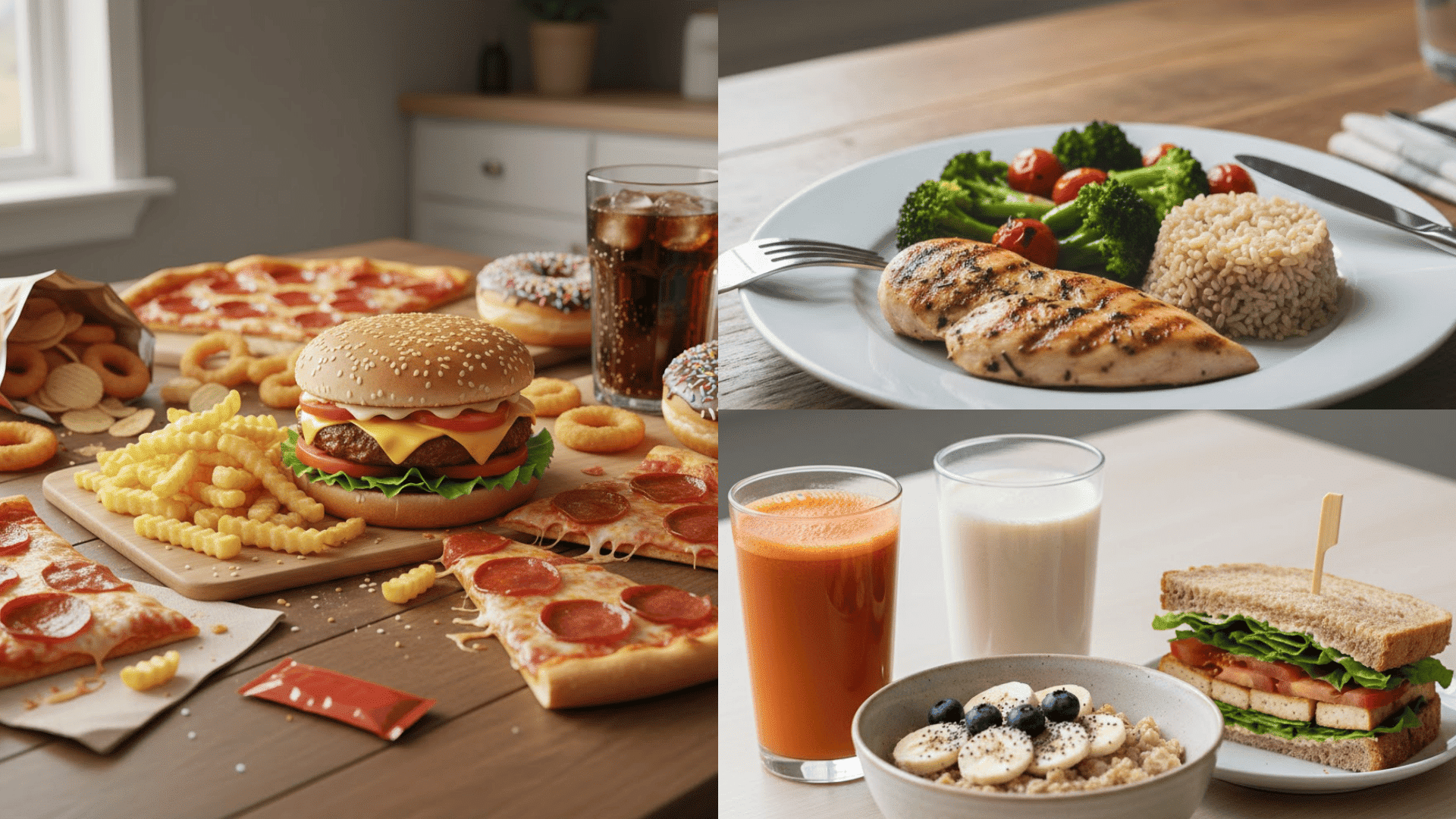
Diet plays a crucial role in shedding pounds. What gets eaten matters more than how much exercise is done. In fact, 80% of weight loss comes from nutrition choices.
A good diet creates the calorie deficit needed for fat loss.
The right food choices stabilize blood sugar and prevent cravings.
Here’s how diet supports weight loss goals:
- Controls calorie intake more effectively than exercise alone
- Reduces inflammation that can block fat loss
- Keeps energy levels stable throughout the day
- Builds lean muscle when paired with protein
- Prevents the sluggish feeling from poor food choices
Want to get started right away? Grab a printable one-week sample diet plan PDF that fits personal preferences and dietary needs.
Important tips for this plan:
- Drink eight glasses of water daily
- Keep protein portions palm-sized.
- Fill half your plate with veggies
- Prep meals on Sunday to save time
- Swap foods you dislike for similar options
- Listen to your body and adjust portions as needed
- This plan provides 1500 to 1800 calories daily
Effective Strategies for Weight Loss
Let me share the strategies that actually deliver results. These aren’t fads or gimmicks. They’re proven methods.
1. Prioritize Protein at Breakfast
Starting your day with eggs, Greek yogurt, or lean meat keeps hunger at bay. You’ll eat less throughout the day without even trying.
2. Plan Your Meals Ahead
Sunday meal prep saves you during busy weekdays. When healthy food is ready to go, you won’t grab junk. Cook big batches and portion them out.
3. Use Smaller Plates
This sounds silly but it works. Your brain thinks you’re eating more when the plate looks full. You feel satisfied with less food.
4. Fill Half Your Plate with Vegetables
Veggies are low in calories and high in fiber. They fill you up without adding pounds. Plus they give you nutrients your body craves.
5. Keep a Food Diary
Write down everything you eat. You’ll spot patterns you never noticed before. That late night snacking? The extra cream in your coffee? It all adds up.
6. Find an Accountability Partner
Tell someone about your goals. Check in with them regularly. You’re less likely to skip workouts when someone’s counting on you.
Remember, different strategies work for different people. Try these out and keep what fits your lifestyle.
Wrapping Up
Losing 24 to 48 pounds in six months is realistic with consistent effort. Start with one small change today.
Pick a strategy from this guide and stick with it.
Share your progress in the comments below. Your transformation begins right now.
Frequently Asked Questions
Is Losing 40 Lbs in 6 Months Realistic?
Yes, losing 40 pounds in six months is realistic and safe. That equals about 1.5 pounds weekly. Combine calorie control with regular exercise for best results.
How Many Calories Do you Need to Burn to Lose Fat?
You need to burn 3500 calories to lose one pound of fat. Creating a daily deficit of 500 to 1000 calories helps you lose weight steadily.