Key Takeaways
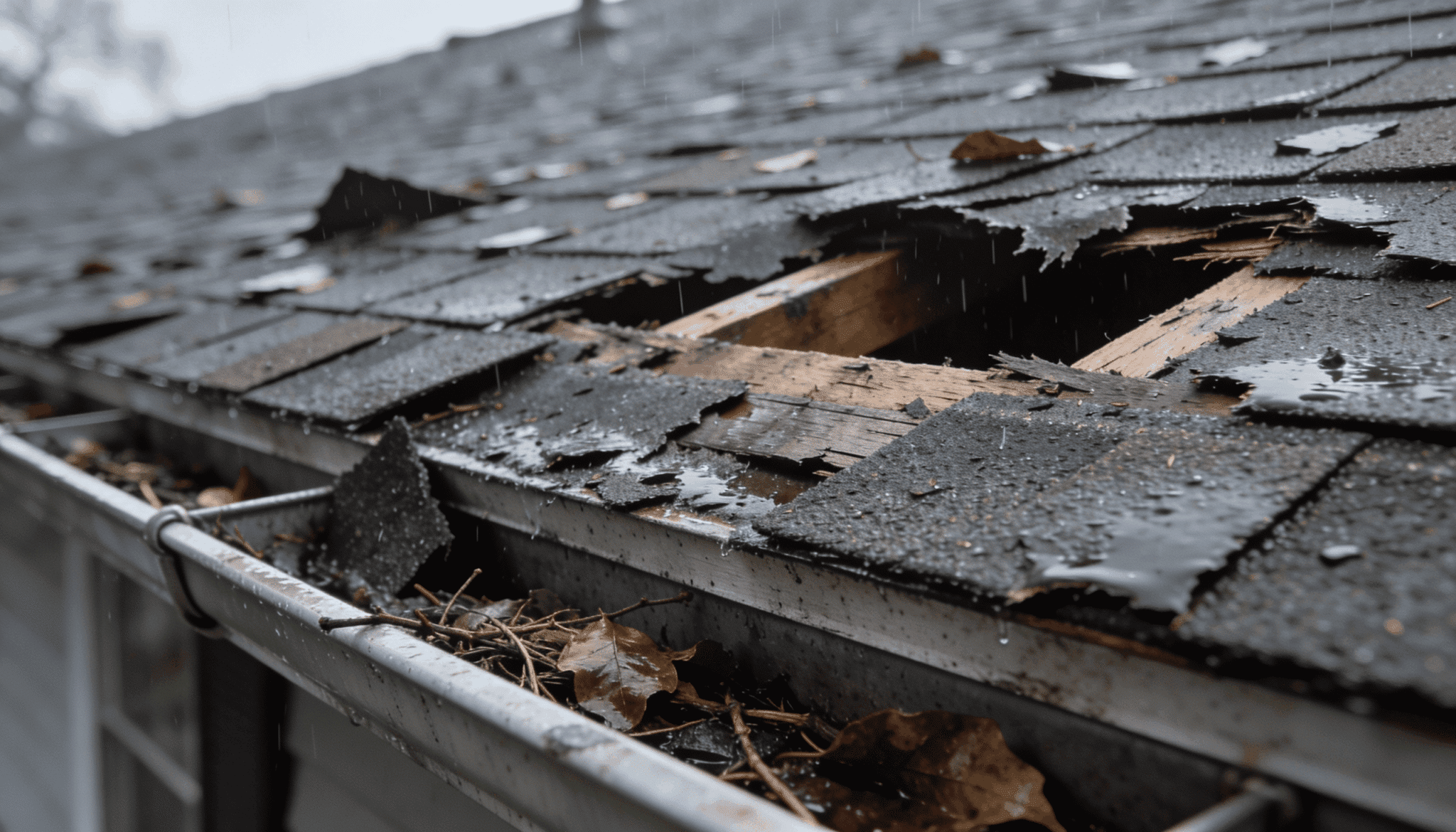
Storm damage to roofs can take many forms, requiring urgent attention.
Repair costs vary from a few hundred dollars for minor fixes to over $15,000 for full roof replacement.
Most insurance policies cover storm damage, but prompt claims and documentation are essential.
Choosing repair or replacement depends on roof age, damage extent, and long-term costs.
Regular maintenance and preventive measures can greatly reduce severe storm damage to roofs.
What is Storm Damage?
People across the country face weather challenges throughout the year.
Last spring, storms tore through neighborhoods nationwide. Trees came down. Roofs lost shingles.
Fences were completely destroyed. Storm damage is any harm that severe weather causes to property.
It happens when high winds, heavy rain, hail, or lightning strike. Homes, cars, or yards can all take a hit.
The damage might be obvious, like a broken window. Or it could be hidden, like water seeping into an attic.
Either way, it’s real. And it often costs money to fix.
Knowing what counts as storm damage helps people protect their property. It also makes filing insurance claims easier when bad weather rolls through.
Common Signs of Roof Storm Damage
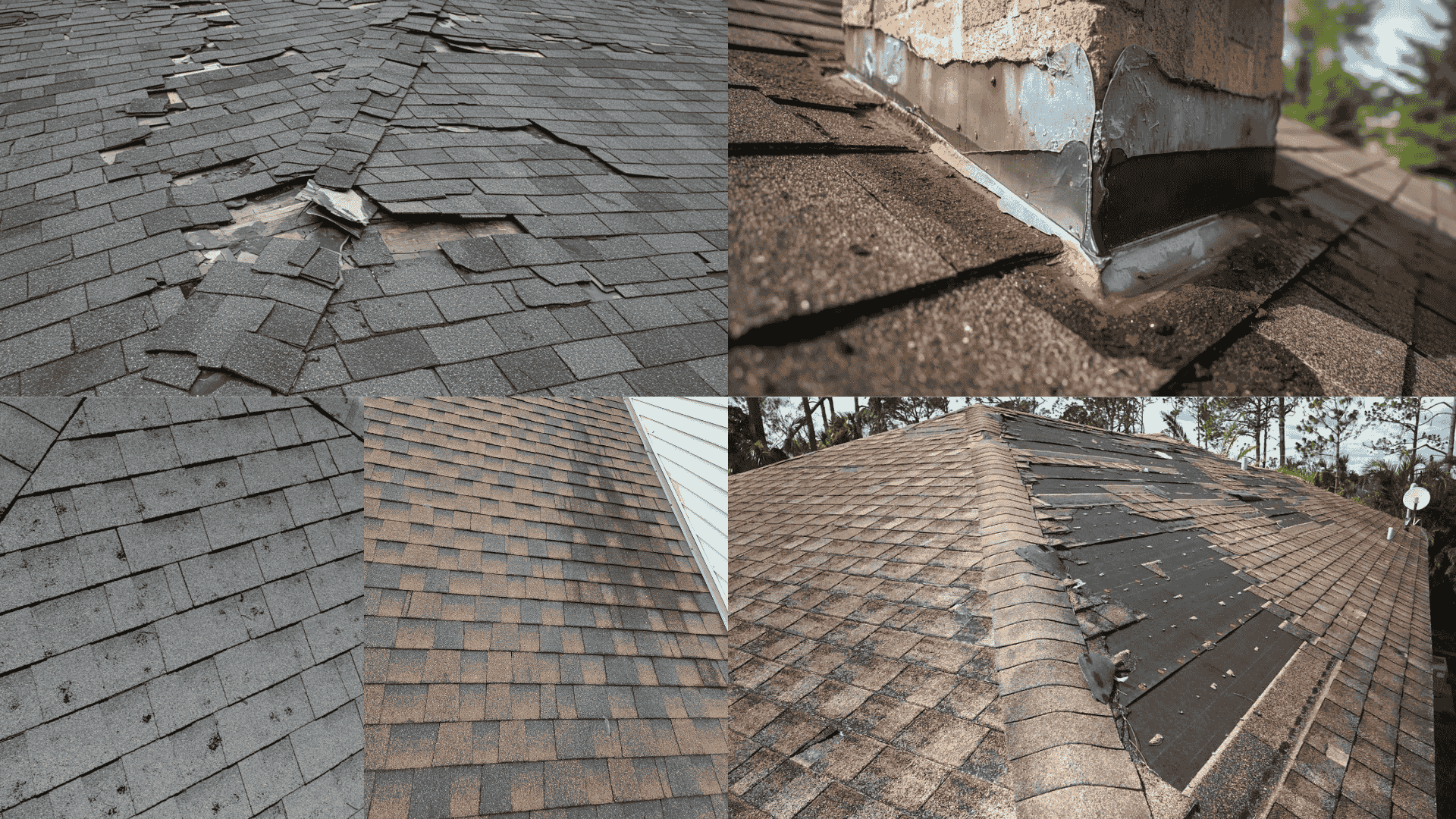
After a storm passes, roof damage is most often the result, and ignoring it can lead to bigger problems.
Missing or Damaged Shingles
Shingles might be cracked, curled, or completely gone.
Sometimes they’re just loose and flapping. This exposes the underlayment to rain and moisture, which can lead to leaks inside the home within a short time.
Dents and Dings from Hail
Hail leaves round dents on shingles, gutters, and vents. Gently pressing on shingles to check for soft spots helps identify damage.
Metal flashing often shows obvious dings. Even small hail can cause damage that weakens a roof’s protection.
Water Stains on Ceilings
Brown or yellow spots on ceilings mean water got through.
This happens when storms push rain under damaged shingles.
The stains might appear days after the weather clears. Checking attics for wet insulation or wood is also important.
Granule Loss on Shingles
Asphalt shingles have tiny granules that protect them from the sun and weather. Check gutters for these granules.
They look like coarse sand. Too much granule loss means shingles are wearing out and need replacement soon.
Damaged Flashing Around Chimneys
Flashing seals the gaps where roofs meet chimneys, vents, and skylights.
High winds can bend or tear this metal. These spots need careful inspection because damaged flashing lets water pour straight into homes.
Here’s When Roof Storm Damage Needs Immediate Attention
Some roof problems can wait a few days.
But others demand fast action to prevent serious harm to the home’s interior and structure.
Large Holes or Openings:
When storms create visible holes in the roof, rain pours directly inside.
These openings need immediate tarping to prevent further water damage.
Sagging Roof Sections:
A sagging roofline indicates structural problems beneath it.
The weight of water or damaged supports could cause a collapse if left unaddressed.
Active Leaks During Rain:
Active water dripping into living spaces indicates the roof’s protection has failed.
Quick repairs prevent damage to walls, floors, and personal belongings.
Exposed Roof Decking:
When large sections of shingles blow off completely, the wooden decking sits exposed.
This material absorbs moisture rapidly and deteriorates without protection.
Hanging or Loose Debris:
Tree branches or other objects hanging from the roof create safety risks.
They can fall unexpectedly or cause additional damage in the next storm.
Common Types of Roof Storm Damage
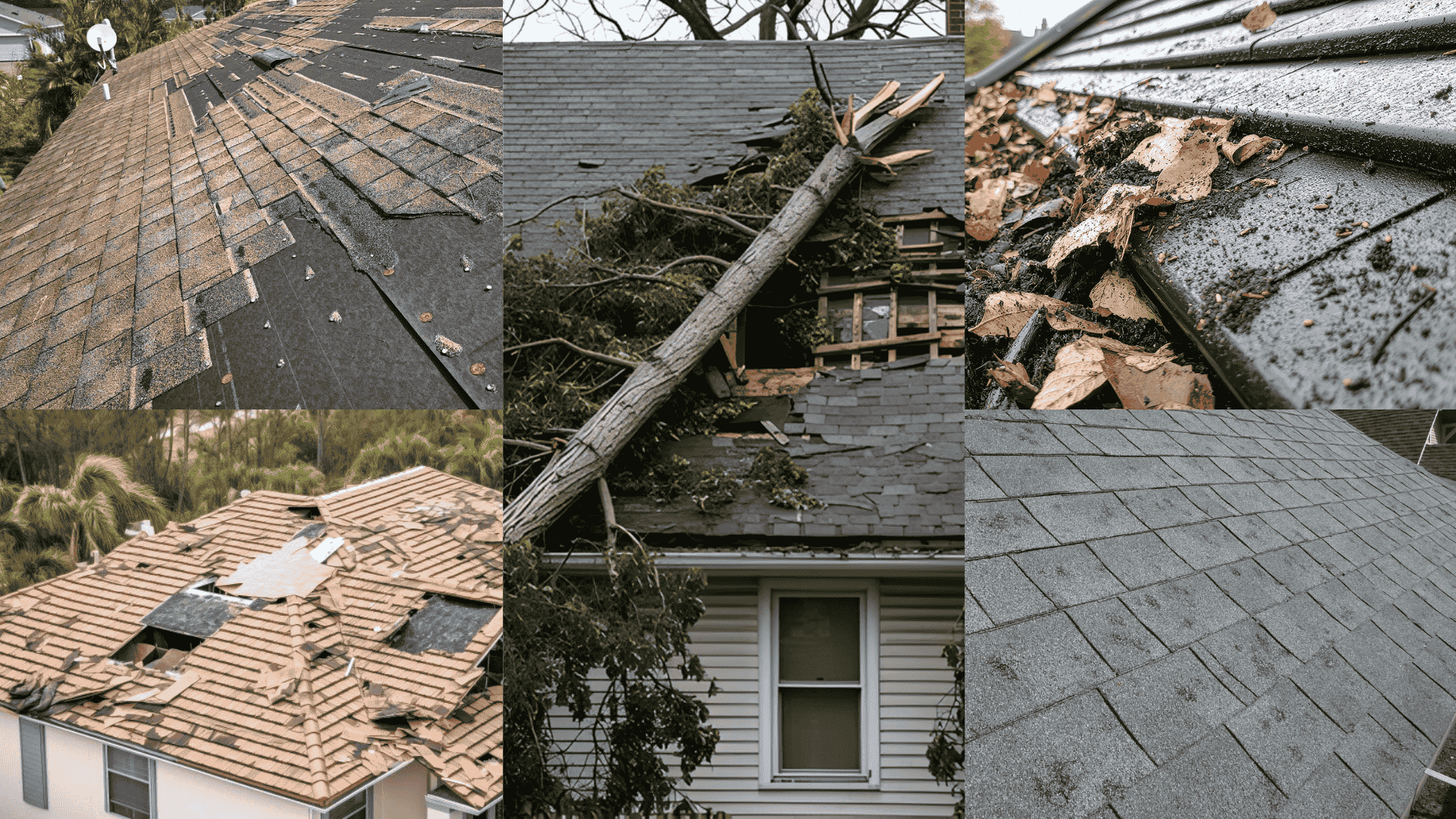
Different weather conditions cause distinct types of roof damage.
Wind Damage
Strong winds lift shingles from the roof, peeling or ripping them off.
Ridge caps and edges are most affected, with corners and peaks taking the hardest hits due to increased air pressure.
Hail Damage
Hailstones hit roofs with force during storms, creating dents and cracking shingles.
Larger hail can puncture roofing, bruise asphalt shingles, and shorten their life, even if holes don’t form right away.
Rain and Water Damage
Heavy rainfall dominates gutters and drainage, causing water pooling and seepage under shingles, leading to wood rot in the decking and mold in attics.
Moisture penetrates insulation, reducing its effectiveness over time.
Lightning Damage
Lightning strikes generate intense heat that can ignite roofing materials.
The electrical current travels through wiring and metal, splitting beams and cracking shingles.
Near misses cause power surges, damaging electrical systems. Scorch marks show where lightning struck.
Fallen Tree Limbs
Trees near homes drop branches during storms, causing damage. Large limbs puncture shingles and harm structures, while smaller branches scrape protective granules.
Overhanging trees pose a risk during severe weather, with fallen limbs that may crack rafters and supports.
Storm Damage Roof Repair Options
People have options for fixing storm-damaged roofs, depending on the extent and location of damage.
- Partial Replacement: The slope of the roof is rebuilt when damage is concentrated in a specific area.
- Full Replacement: The entire roof is removed and reinstalled when damage spans multiple areas of the roof.
- Flashing Repair: This around penetrations is resealed or replaced to restore waterproofing at vulnerable joints.
- Gutter System Repair: These are repaired or replaced to ensure proper water drainage on the roof.
- Emergency Tarping: Temporary tarps quickly cover damaged areas to prevent water entry until permanent repairs are scheduled.
- Shingle Replacement: Individual shingles are replaced when only small sections are damaged, ensuring a color and style match with the roof.
- Underlayment Patching: The protective layer under shingles is repaired when moisture damages it, but the decking stays solid.
- Structural Beam Reinforcement: Damaged rafters and supports are sistered or replaced after storms weaken the roof.
Roof Storm Damage Repair Cost
Costs vary based on damage severity, required materials, and labor. Here’s what you can typically expect to pay.
| Repair Type | Average Cost | Notes |
|---|---|---|
| Emergency Tarping | $200 – $600 | Temporary solution until permanent fix |
| Shingle Replacement | $150 – $1,500 | Depends on the number of shingles affected |
| Flashing Repair | $200 – $500 | Seals gaps around chimneys and vents |
| Partial Roof Replacement | $2,000 – $7,000 | One section or slope only |
| Full Roof Replacement | $5,000 – $15,000+ | Entire roof removal and reinstallation |
| Structural Repairs | $1,500 – $5,000 | Fixes damaged beams or rafters |
Working with Insurance for Roof Damage
Most owner insurance policies cover roof storm damage caused by wind, hail, lightning, and falling trees.
However, coverage depends on the policy terms and the roof’s condition before the storm hits.
Insurance typically won’t pay for damage from neglect or normal wear and tear.
If a roof was already old and deteriorating, the claim might get denied. But sudden storm damage to a well-maintained roof usually qualifies for coverage.
Key steps for filing a claim:
- Document all damage immediately with photos and videos from multiple angles.
- Contact the insurance company as soon as possible after the storm passes.
- Wait for an adjuster to visit and assess what damage is covered under the policy.
- Keep all repair estimates, receipts, and invoices, including temporary tarping costs.
- know whether the policy pays actual cash value or replacement cost coverage.
- Work with a roofing contractor experienced in insurance claims for accurate estimates.
Choosing the Right Roof Repair Professional
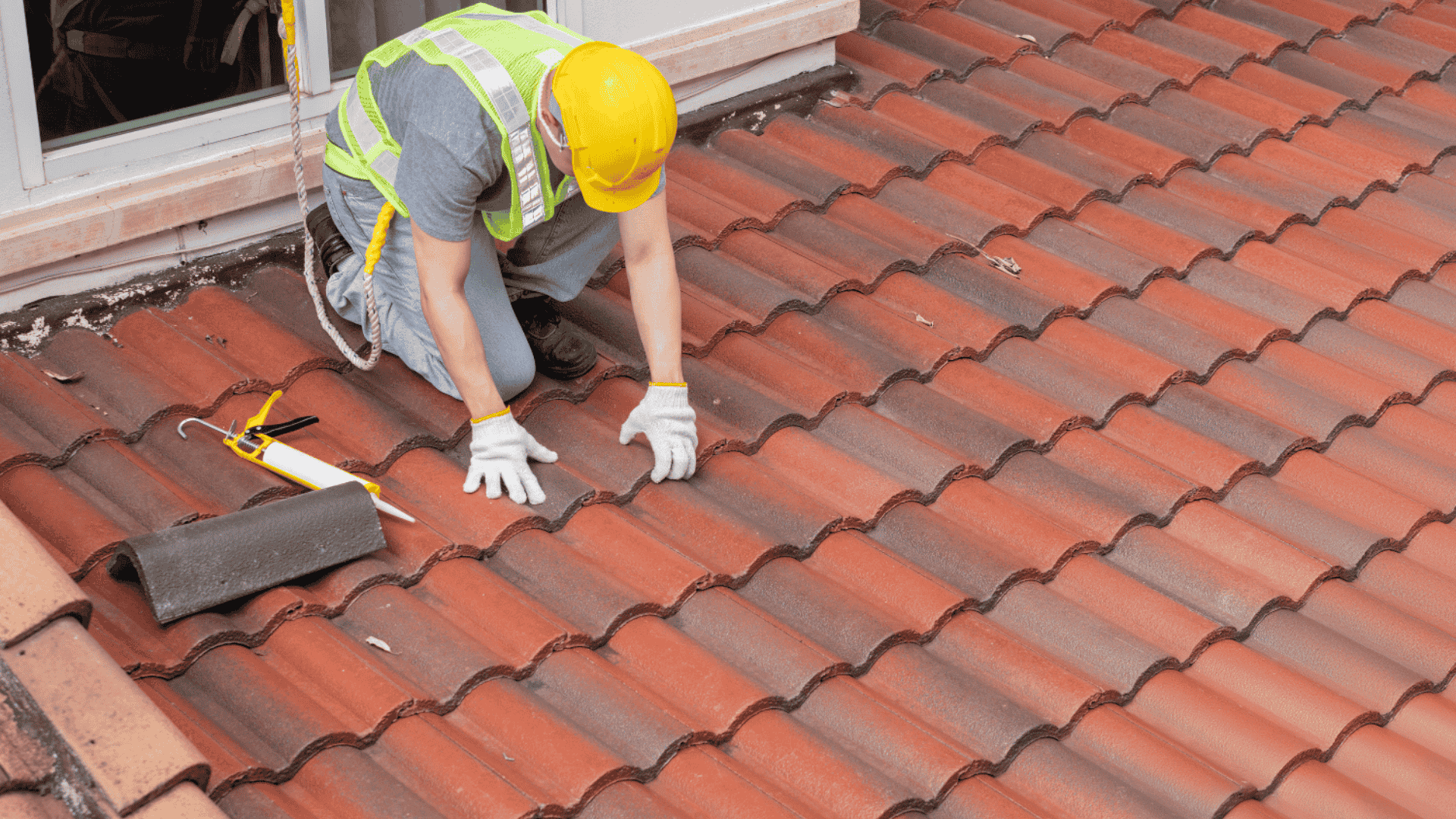
Selecting a qualified contractor makes a huge difference in repair quality and cost.
Start by checking local licensing and insurance requirements. The contractor should carry liability coverage and workers’ compensation for their crew. Visit completed projects, if possible, to see the work quality firsthand.
Check online reviews on multiple platforms, but watch for patterns rather than single complaints.
Get written estimates from at least three contractors. Compare what each quote includes and excludes.
The lowest bid isn’t always the best choice if it cuts corners on materials or warranties.
Verify how long the company has operated in the area. Established local businesses have reputations to protect and will be around for warranty issues later.
Roof Storm Damage Replacement vs. Repair
Deciding between repair and replacement depends on several factors. This comparison helps you make the right choice.
| Factor | Repair | Replacement |
|---|---|---|
| Cost | $150 – $2,000 | $5,000 – $15,000+ |
| Time Required | 1-3 days | 3-7 days |
| Best For | Minor, localized damage | Widespread damage or old roofs |
| Roof Age | Under 15 years | Over 20 years |
| Damage Extent | Less than 30% of the roof | More than 30% of the roof |
| Long-term Value | Temporary fix | Permanent solution |
| Insurance Coverage | May cover specific damage | Often covered if a storm caused it |
| Warranty | Limited to the repaired area | Full roof warranty included |
How to Reduce Future Roof Storm Damage?
- Trim trees and remove dead branches that hang over or near the roof.
- Schedule annual professional roof inspections to catch weak spots early.
- Replace worn or damaged shingles before storm season arrives each year.
- Clean gutters and downspouts regularly to prevent water backup issues.
- Install impact-resistant shingles rated for high winds and hail protection.
- Secure loose flashing around chimneys, vents, and other roof penetrations.
- Add roof straps or clips in high-wind areas for extra hold.
- Ensure proper attic ventilation to prevent moisture buildup, which can weaken materials.
- Check and repair caulking and sealant around roof edges annually.
- Consider installing a secondary water barrier under shingles in vulnerable areas.
Frequently Asked Questions (FAQ’s)
1. How Long After a Storm Can You Claim Roof Damage?
Most insurance policies allow claims within one to two years of the storm.
2. Is it Worth Claiming Roof Damage on Insurance?
Yes, if repair costs exceed the deductible and won’t particularly raise future premium rates.
3. How Much Will Insurance Pay for Roof Storm Damage?
Insurance pays repair costs minus the deductible, based on policy coverage limits and type.