

Key Takeaways
Oil pulling is an ancient practice that has gained modern popularity but lacks strong scientific backing.
The method is generally safe for healthy adults when done correctly and not swallowed.
Results take time to appear and vary significantly from person to person .
Consistency matters more than frequency when trying to see any potential benefits.
What is Oil Pulling?
Oil pulling is an ancient oral hygiene practice. It originated in India thousands of years ago.
The technique involves swishing oil in the mouth for several minutes. People most commonly use coconut, sesame, or sunflower oil.
The oil moves between teeth and around gums. This process supposedly draws out bacteria and toxins.
Traditional Ayurvedic medicine considers it a cleansing ritual. Modern users practice it for dental health benefits.
The method has gained popularity in recent years. Despite its age, scientific research remains limited on effectiveness.
Potential Benefits of Oil Pulling
Oil pulling in the morning has gained attention in recent years. The practice offers surprising advantages. This ancient technique does more than clean teeth.
It supports oral health and overall wellness in multiple ways.
Reduces Harmful Bacteria
The mouth contains millions of bacteria daily. Many of these cause dental problems. Oil pulling traps harmful bacteria in the oil.
When someone spits it out, germs are left behind, too. People notice cleaner teeth within days.
Research confirms that this method effectively reduces bacterial counts.
Whitens Teeth Naturally
Coffee and tea stains affect many people. Oil pulling gradually removes these marks.
The oil lifts surface discoloration without chemicals. Teeth appear brighter over time. Results take patience, but they’re noticeable.
It works more gently than commercial whitening products do.
Strengthens Gums and Reduces Inflammation
Swollen gums create discomfort while eating. Oil pulling soothes irritated gum tissue. The practice reduces redness and swelling.
Gums become firmer with regular use. Bleeding often stops after consistent practice.
This supports better gum health naturally.
Freshens Breath Long-Term
Bad breath troubles many individuals. Oil pulling addresses the underlying cause. It removes odor-causing bacteria from the mouth.
Confidence improves during conversations.
The fresh sensation lasts longer than mouthwash. Clean breath continues throughout the day.
May Support Detoxification
Some practitioners believe oil pulling removes toxins.
The oil potentially draws impurities from the body. Many users report feeling better overall.
While scientists continue studying this benefit, anecdotal evidence remains strong. It has become part of wellness routines.
Risks Associated With Oil Pulling
In addition to the benefits, there are certain risks associated with it, too.
Accidental Swallowing
Swallowing the oil can cause stomach upset. The oil contains bacteria pulled from teeth. Nausea or diarrhea may occur.
Always spit the oil into trash, never down drains.
Jaw Pain and Fatigue
Swishing for 15-20 minutes strains jaw muscles. Some people experience soreness or discomfort.
The repetitive motion causes temporary aches. Start with shorter sessions to build tolerance.
Delays Proper Dental Care
Some people rely solely on oil pulling.
They skip professional dental appointments. This practice doesn’t replace brushing or flossing.
Regular dentist visits remain essential for health.
How Often Should You Oil Pull for Safe Results?
Frequency matters when trying this practice. Most experts suggest doing it three to four times per week.
Daily use is safe for healthy adults, but not necessary for results.
Some people prefer morning routines before breakfast. Others choose alternate days to better fit their schedule.
Beginners should start slowly. Try once or twice weekly for the first month.
This helps the body adjust without overwhelming the routine.
Consistency matters more than frequency. Doing it regularly at comfortable intervals works better than forcing daily sessions.
Which Oils are Best for Oil Pulling?
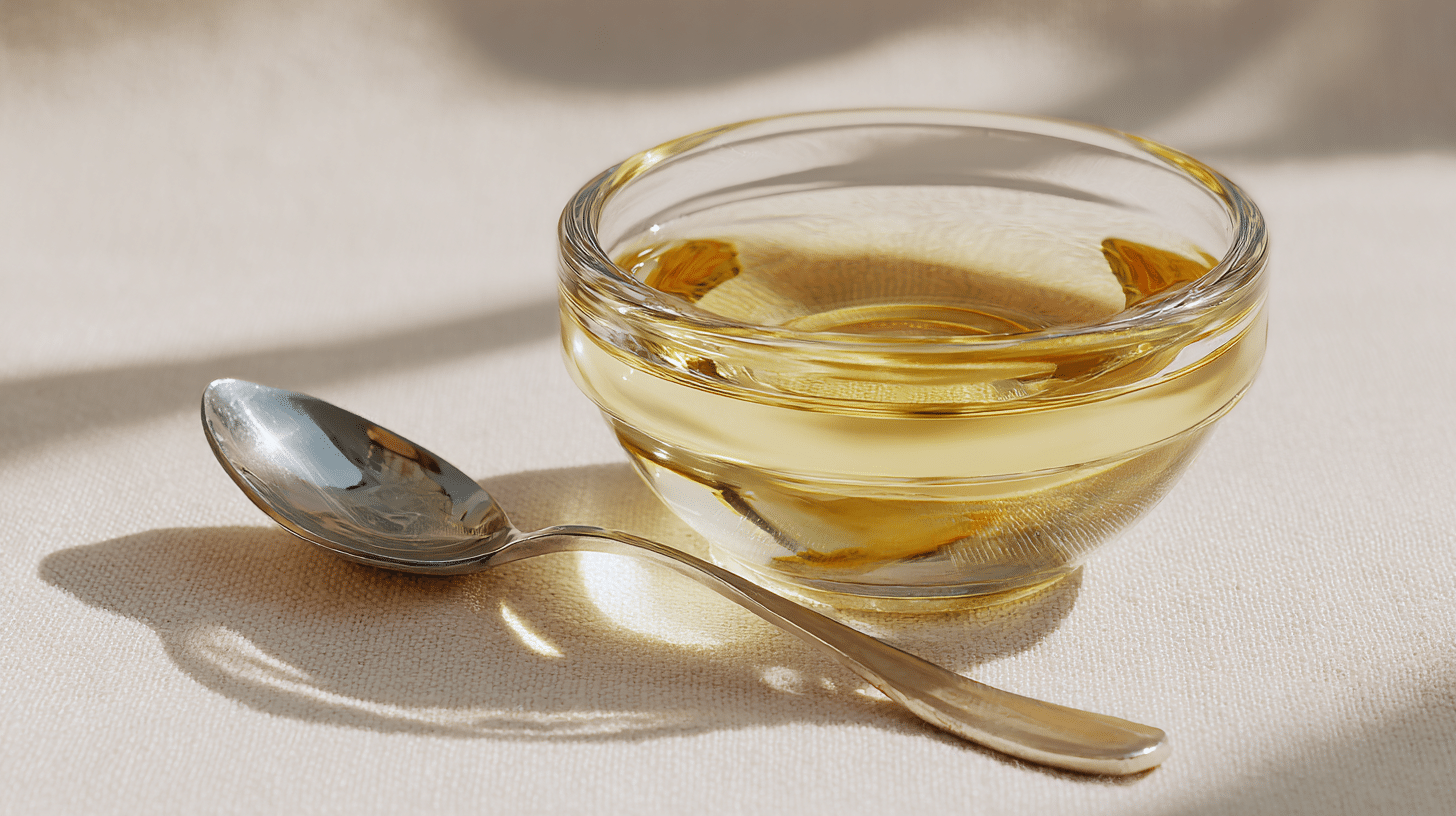
Not all oils work the same way. Here are the most common choices.
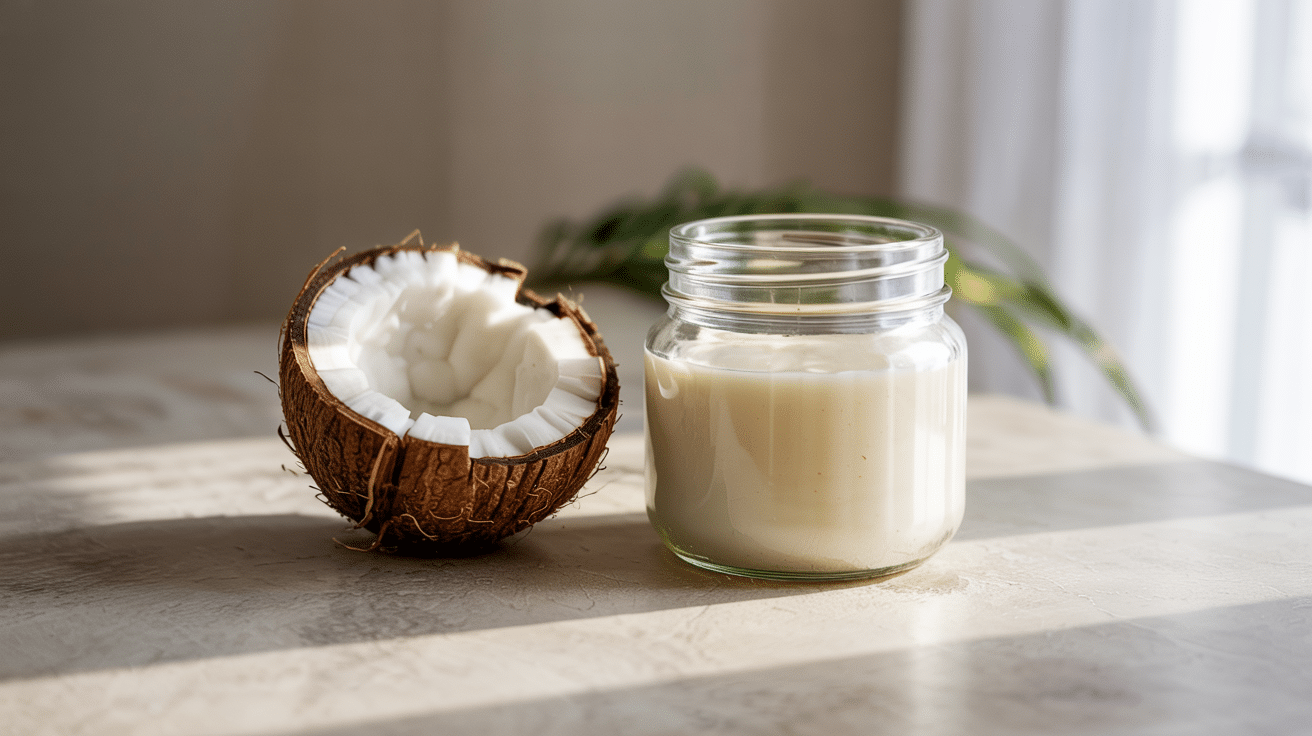
Coconut Oil: The most popular option. It has a pleasant taste and contains lauric acid, which effectively fights bacteria.
Sesame Oil: Traditional choice in Ayurvedic medicine. It has a stronger taste but works well for reducing inflammation.
Sunflower Oil: Milder flavor than sesame. Good for beginners who find other oils too strong or unpleasant.
Olive Oil: Less common but still effective. It’s gentle and already widely available in most kitchens.
Your Guide to Oil Pulling at Home
Tips for Safe and Effective Oil Pulling at Home
- Start with 5 minutes and gradually increase the time as the jaw gets used to it.
- Do it on an empty stomach, preferably first thing in the morning before eating.
- Keep the oil moving gently to avoid jaw fatigue or muscle strain.
- Never use oil pulling as a substitute for regular brushing and flossing.
- Stop immediately if any pain, discomfort, or allergic reactions occur.
Step-by-Step Instructions
Following the right steps makes the process easier and safer.
Step 1: Choose Your Oil
Pick coconut, sesame, or sunflower oil. Start with one tablespoon.
Beginners might want to use less at first. Coconut oil is the easiest for most people.
Step 2: Swish Gently
Put the oil in the mouth. Swish it around slowly for 15 to 20 minutes; avoid vigorous swishing.
This can quickly tire the jaw muscles.
Step 3: Spit It Out
Spit the oil into a trash can and never swallow it.
The oil now contains bacteria from the mouth. Don’t spit into the sink, as oil can clog pipes.
Step 4: Rinse Thoroughly
Rinse the mouth with warm water. Swish several times to remove oil residue.
This helps effectively clean out any remaining particles.
Step 5: Brush Normally,
Brush teeth as usual. Use regular toothpaste and technique. Follow standard oral care routines.
Oil pulling doesn’t replace this important step.
How Long Does it Take to See the Results?
Results vary from person to person. Some notice fresher breath within a few days of starting.
Others report changes after two to three weeks of consistent practice.
Teeth whitening takes longer to appear. Most people see slight changes after four to six weeks.
Gum health improvements may take one to two months of regular use. Plaque reduction happens gradually over time.
Expect at least three to four weeks before noticing smoother teeth. Keep in mind that individual results may vary depending on oral health conditions.
Consistency plays a bigger role than duration. Skipping sessions significantly delays any potential benefits.
Is Oil Pulling After Brushing Teeth Effective?
Oil pulling after brushing teeth works well for many people. Brushing removes food particles and surface debris first.
This allows the oil to focus on bacteria in hard-to-reach areas. The clean surface allows oil to penetrate more effectively between teeth and gums.
Some prefer doing it before brushing to remove toxins first. Both methods show benefits.
However, oil pulling after brushing may feel cleaner.
The oil can reach deeper into crevices. It also leaves a fresh coating on already-clean teeth.
Choose what feels most comfortable and fits your daily routines best.
Oil Pulling vs Traditional Oral Hygiene
| Factor | Oil Pulling | Traditional Oral Hygiene |
|---|---|---|
| Time Required | 15 to 20 minutes per session | 3 to 5 minutes total |
| Cost | Low, uses kitchen oils | Varies, toothpaste, and tools needed |
| Scientific Evidence | Limited research available | Decades of proven results |
| Plaque Removal | May help reduce some buildup | Removes plaque effectively |
| Cavity Prevention | No proven protection | Fluoride prevents cavities |
| Gum Disease | Some improvement reported | Clinically proven to prevent |
| Convenience | Requires dedication and time | Quick and easy daily routine |
| Dentist Recommendation | Not a primary method | Strongly recommended by all dentists |
Do Dentists Recommend Oil Pulling?
Dentists have mixed opinions about oil pulling.
Some support it as a supplementary practice. Others remain skeptical due to limited scientific evidence.
Most agree it shouldn’t replace traditional oral hygiene methods.
What dentists generally agree on:
- Oil pulling may reduce bacteria in the mouth
- It can complement brushing and flossing routines
- The practice poses minimal harm when done correctly
- It should never substitute professional dental care
Most dental professionals recommend sticking with proven methods first. Brushing twice daily, flossing, and regular checkups remain essential.
Oil pulling can serve as an additional step. Patients should consult their dentist before starting.
The Bottom Line on Oil Pulling
So, is oil pulling safe? For most people, yes, when done correctly and paired with regular oral care. The key is balance, not replacing brushing or flossing.
A quick chat with a dentist helps avoid mistakes.
Start slowly, choose quality oils, and pay attention to how your mouth responds before making it a daily routine.
Frequently Asked Questions (FAQs)
1. Can Oil Pulling Help with Cavities or Tooth Decay?
No. Oil pulling cannot reverse cavities or repair tooth decay. Only fluoride treatments and dental fillings address existing decay.
2. Is It Safe to Oil Pull with Braces or Dental Work?
Yes, but exercise caution. Oil pulling won’t damage braces, crowns, or fillings. However, consult your dentist first to ensure it won’t interfere with treatments.
3. Can Children Practice Oil Pulling Safely?
Not recommended for young children. Kids under five may accidentally swallow the oil, which can pose a choking risk. Older children can try under adult supervision.