

Key Takeaways
Your white blood cell count directly affects how well your body fights infections and heals.
Simple dietary changes and home remedies can naturally boost white blood cell production.
Certain vitamins and minerals play critical roles in maintaining healthy immune cell levels.
Lifestyle habits like sleep quality and stress management seriously impact your white blood cell count.
What are White Blood Cells and Why do They Matter?
White blood cells are your body’s security team. They patrol your bloodstream looking for trouble.
When viruses, bacteria, or other harmful invaders show up, these cells jump into action.
Your body makes different types of white blood cells. Each one has a specific job. Some attack infections directly. Others remember past threats, so you don’t get sick again.
When your white blood cell count drops too low, you’re in trouble. You get sick easily and take longer to recover.
Even a simple cold becomes a big deal. That’s why keeping these cells at healthy levels matters so much.
A strong white blood cell count means better protection and faster healing when you do fall ill.
Common Reasons for Low White Blood Cell Count
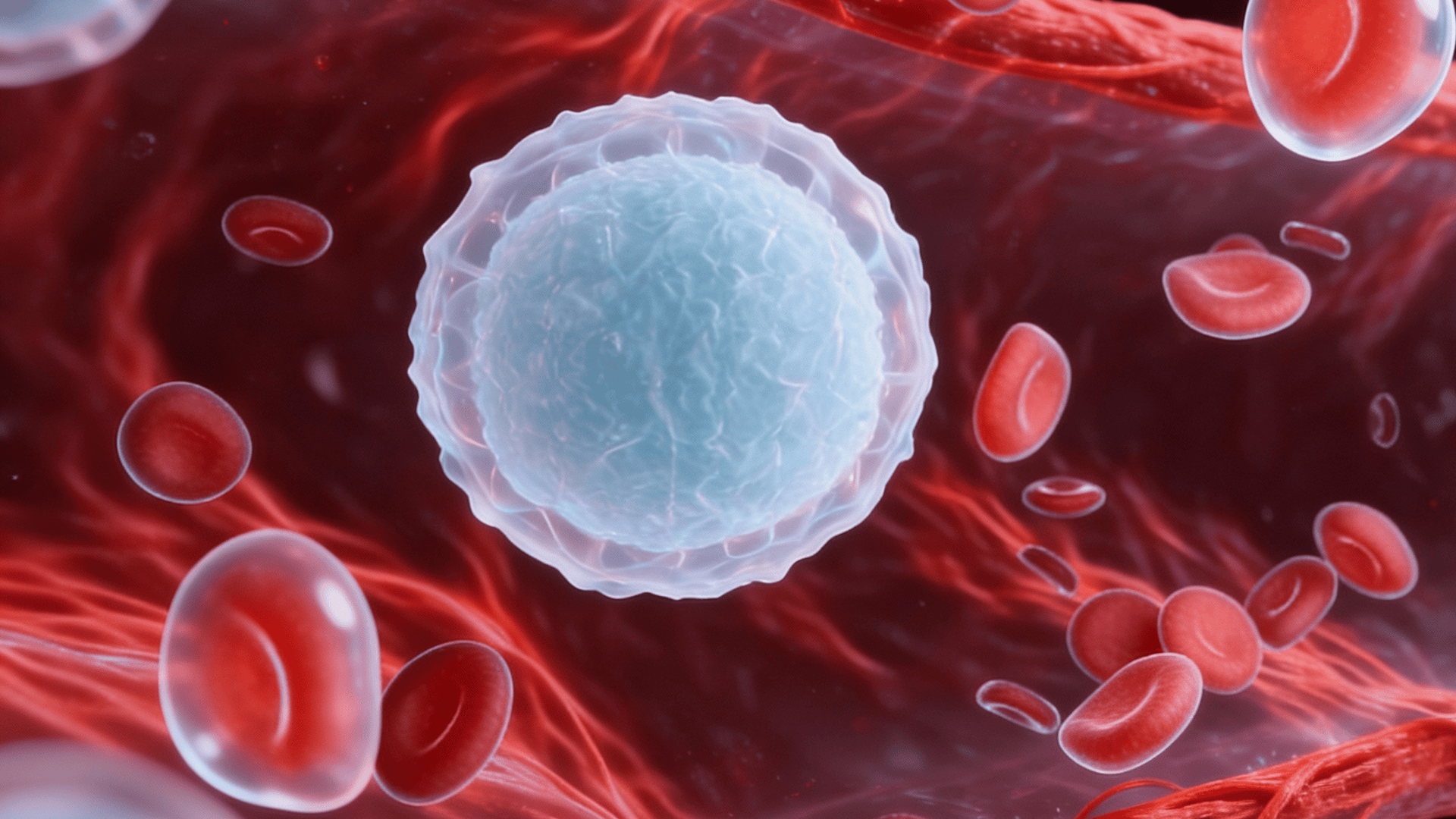
Several factors can cause your white blood cell count to drop. Let’s walk through the most common ones.
Nutritional Deficiencies: Your body needs certain vitamins and minerals to make white blood cells. When you lack vitamin B12, folate, or zinc, production slows down.
Infections and Illnesses: Some viral infections actually lower your white blood cell count temporarily. Your body uses up these cells fighting off the illness faster than it can replace them.
Certain Medications: Antibiotics and some other drugs can reduce white blood cell production. Chemotherapy treatments are particularly known for causing this problem in cancer patients.
Autoimmune Disorders: Conditions like lupus or rheumatoid arthritis confuse your immune system. It starts attacking your own white blood cells, mistaking them for threats.
Bone Marrow Problems: Your bone marrow creates white blood cells. When it’s damaged or not working properly, your body can’t produce enough of these protective cells.
How to Increase White Blood Cells Using Home Remedies: 13 Options to Chose From
These home remedies are simple, safe, and backed by research. You can start using them today.
1. Eat More Citrus Fruits

Oranges, lemons, and grapefruits are rich in vitamin C.
This helps your body produce more white blood cells, boosts their efficiency, and defends against infections. Eat at least one citrus fruit daily during the cold season.
Quick Win: Squeeze fresh lemon into your morning water for an easy vitamin C boost.
2. Add Garlic to Your Meals
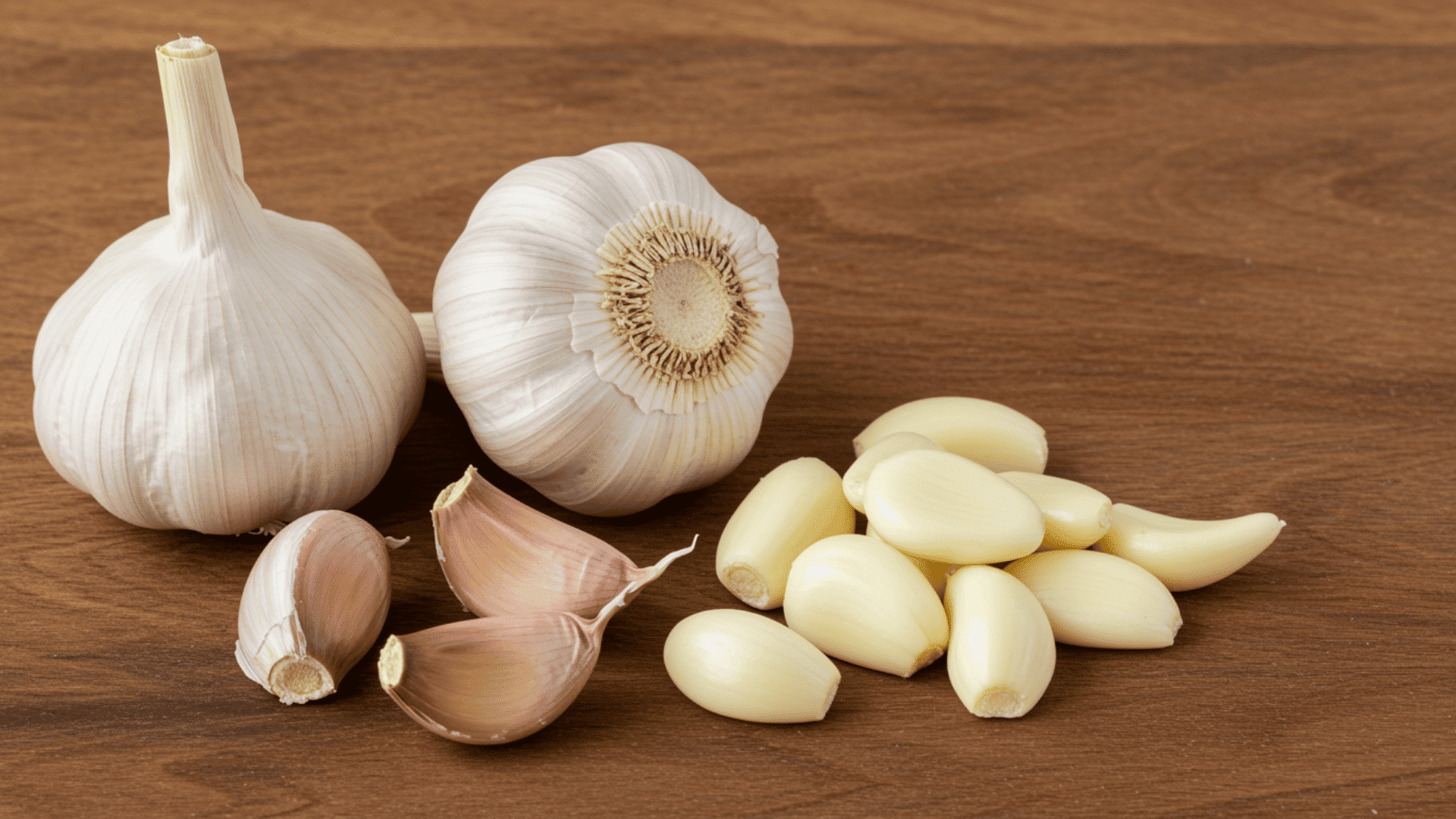
Garlic stimulates white blood cell production and has been used for centuries to fight infections and boost immunity.
Raw garlic works best, but cooked garlic also helps. Two cloves daily boost immunity.
Simple Start: Crush a garlic clove and add it to your salad dressing or soup.
3. Include Yogurt in Your Diet

Probiotics in yogurt support gut health, where most immune cells reside. Choose plain yogurt with live cultures for maximum benefits.
Gut bacteria communicate constantly with white blood cells, so a healthy gut improves immune function.
Daily Habit: Have a bowl of yogurt with breakfast or as an afternoon snack.
4. Drink Green Tea Regularly

Green tea contains antioxidants that boost white blood cells and improve immune function.
Drinking two cups daily can reduce colds. It also decreases inflammation that harms white blood cell production.
Easy Routine: Replace one coffee with green tea each day to start seeing benefits.
5. Use Turmeric in Cooking

Curcumin in turmeric boosts white blood cells and immunity, reducing inflammation.
Add to curries, smoothies, or milk. Pair with black pepper for better absorption.
Kitchen Trick: Mix turmeric into scrambled eggs or sprinkle it on roasted vegetables.
6. Eat Leafy Green Vegetables
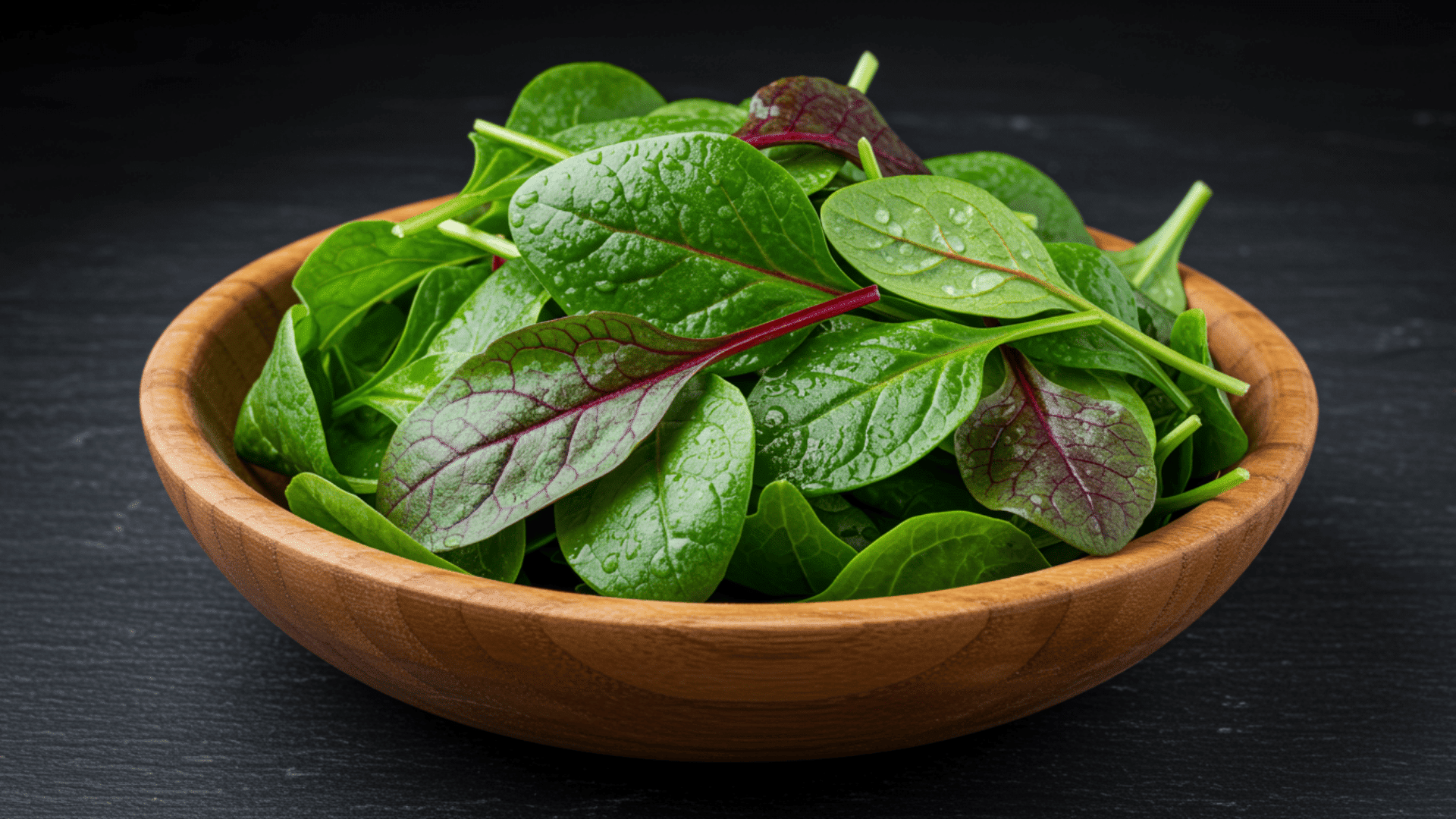
Spinach, kale, and other greens provide folate, antioxidants, and vitamin E to support your immune system, especially white blood cell production. Aim for one serving daily.
Meal Prep: Add a handful of spinach to your morning smoothie for easy nutrition.
7. Get Enough Quality Sleep

Your body produces and releases white blood cells during deep sleep.
Skimping on sleep reduces production and effectiveness, making you more vulnerable to infections. Aim for seven to eight hours nightly for better health.
Sleep Better: Set a consistent bedtime and stick to it, even on weekends.
8. Stay Physically Active

Moderate exercise increases white blood cell circulation throughout your body.
A thirty-minute walk boosts immune function, but avoid overdoing it, as intense workouts can temporarily lower white blood cells. Regular activity keeps your immune system alert.
Movement Goal: Take a daily walk around your neighborhood or do light stretching exercises.
9. Manage Your Stress Levels

Chronic stress lowers white blood cell production and weakens immunity.
Stress causes cortisol release, disrupting immune function.
Engage in calming activities like reading, meditation, or outdoor time. Reduced stress improves immune health.
Stress Relief: Practice deep breathing for five minutes when you feel crushed or anxious.
10. Eat Foods Rich in Omega-3
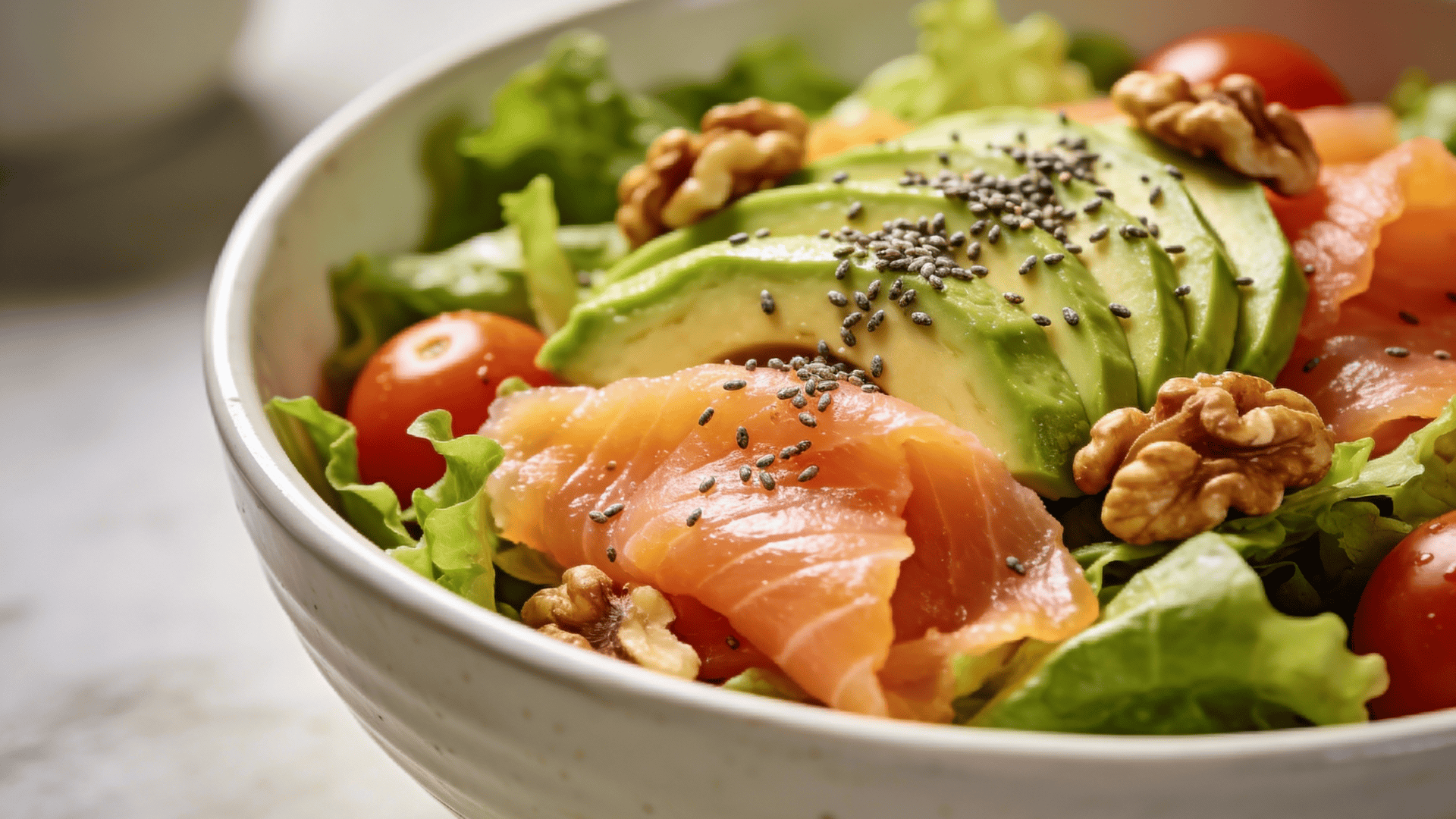
Include omega-3 sources in your meals several times a week.
Salmon, walnuts, and flaxseeds contain omega-3s that support immune health by helping white blood cells function better and reducing harmful inflammation.
Weekly Plan: Eat fatty fish twice a week or add ground flaxseed to your oatmeal.
11. Include Zinc-Rich Foods
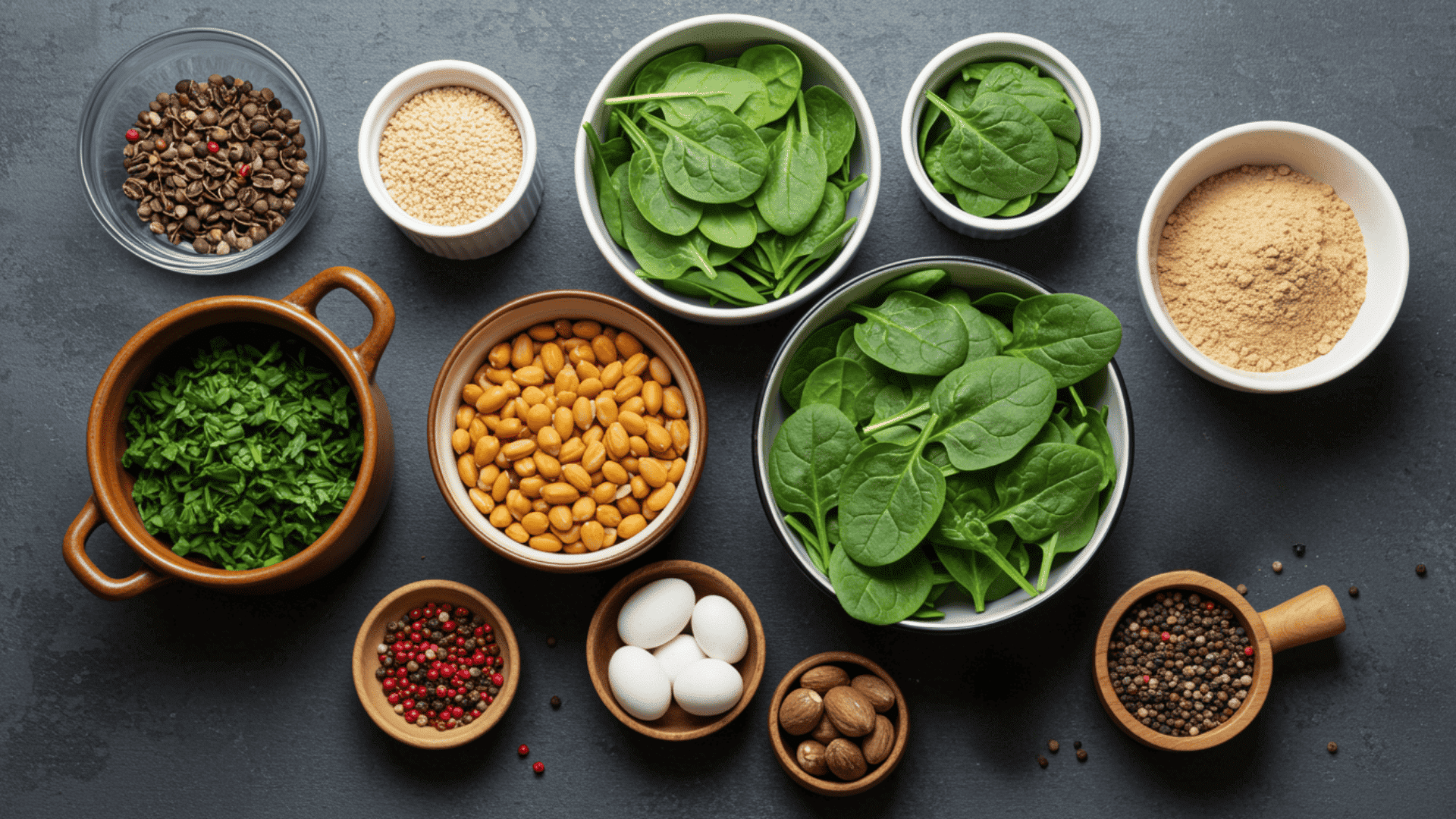
Zinc is vital for white blood cell development and immune function.
Foods like pumpkin seeds, chickpeas, and cashews are good sources.
Zinc deficiency hampers white blood cell production and weakens immunity, even in mild cases.
Snack Smart: Keep roasted pumpkin seeds handy for a zinc-rich snack between meals.
12. Drink Plenty of Water

Staying hydrated helps your body transport white blood cells and flush out toxins that can interfere with the immune system.
Keep a water bottle nearby and sip throughout the day. Dehydration hampers healthy white blood cell levels.
Hydration Reminder: Drink a full glass of water with each meal and snack.
13. Add Ginger to Your Routine
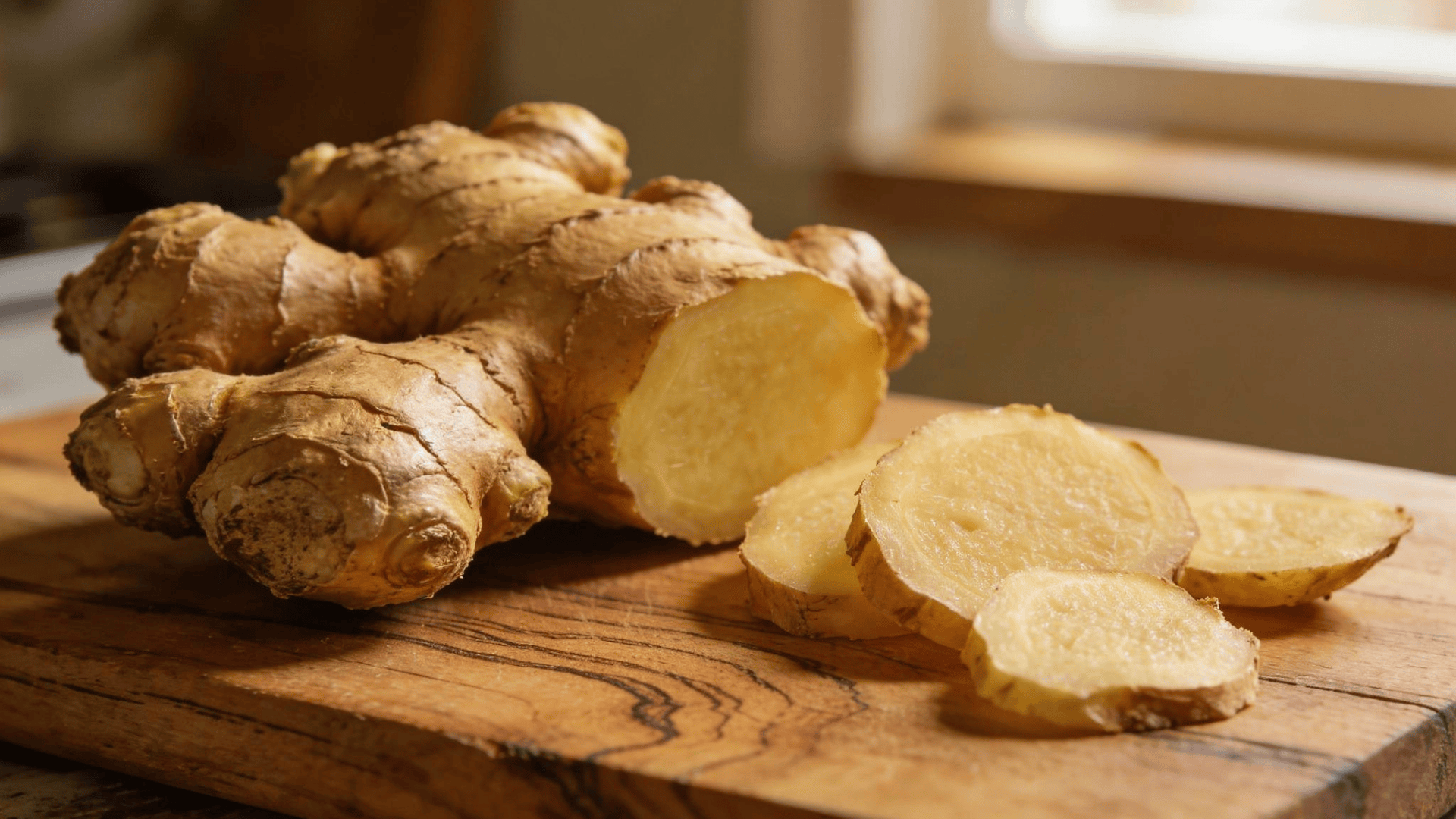
Ginger boosts immune function and increases white blood cell activity, with anti-inflammatory properties protecting your immune system.
Add fresh or grated ginger to stir-fries and soups. This root has been used medicinally for thousands of years.
Morning Boost: Grate fresh ginger into hot water with honey for a warming, immune-supporting drink.
What Foods Increase White Blood Cells?
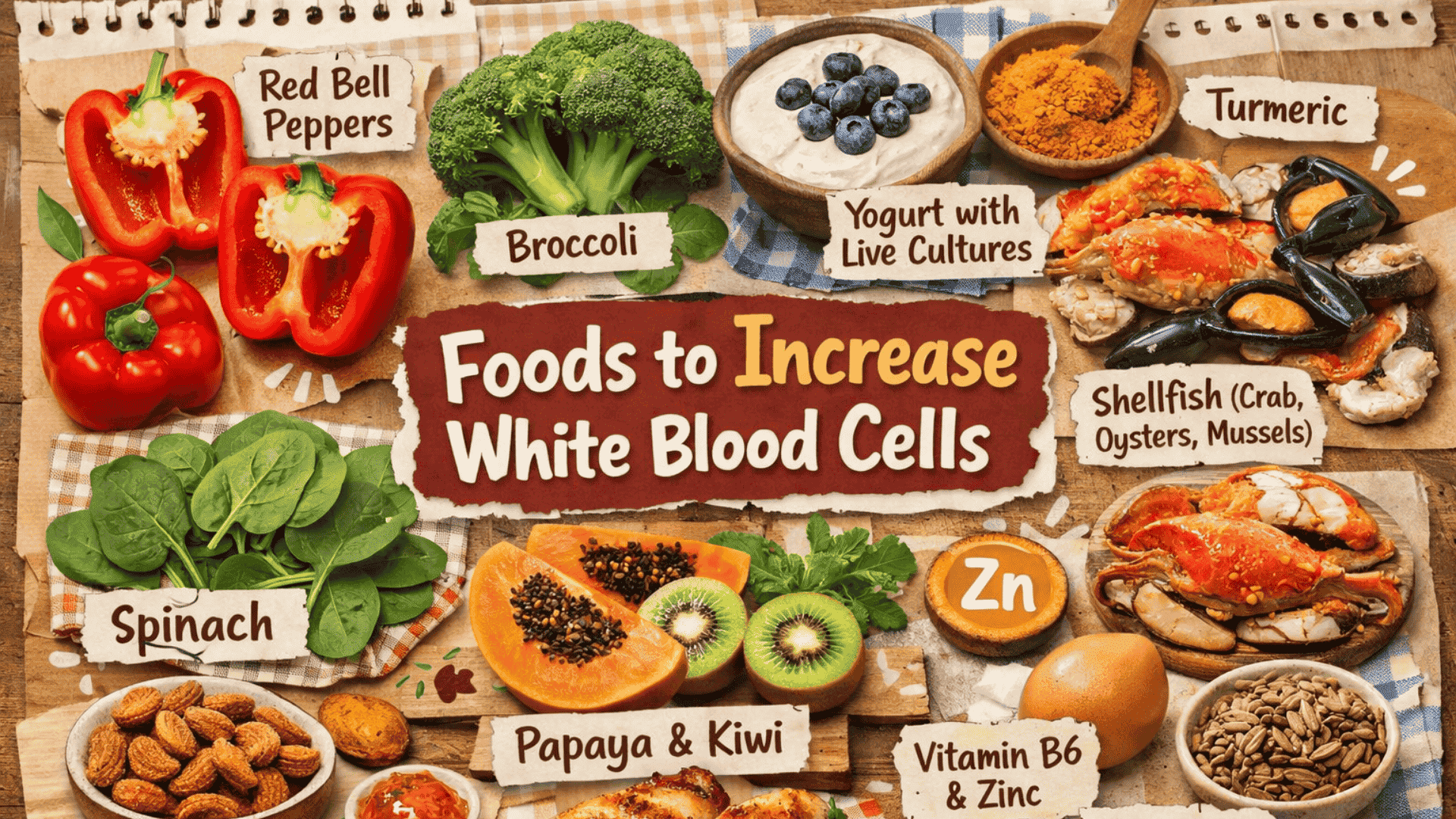
Your diet plays a huge role in maintaining healthy white blood cell levels. Here are the top foods that help.
- Red Bell Peppers: They provide beta-carotene, which supports overall immune function beautifully.
- Broccoli: Steam it lightly to keep all the immune-boosting nutrients intact.
- Spinach: Rich in folate, vitamin C, and antioxidants that support white blood cell creation.
- Yogurt with Live Cultures: Probiotics in yogurt strengthen your gut, where most immune cells develop.
- Almonds: Packed with vitamin E, which helps white blood cells fight infections effectively.
- Turmeric: This spice contains curcumin, which increases white blood cell count naturally.
- Papaya: Contains vitamin C, folate, and papain, which all support white blood cell production.
- Kiwi: One kiwi provides your full daily vitamin C requirement and more.
- Poultry: High in vitamin B6, which is essential for white blood cell formation.
- Shellfish (Crab, Oysters, Mussels): These are rich in zinc, which your body needs to create white blood cells.
- Sunflower Seeds: Full of vitamin E, selenium, and other nutrients that boost white blood cell activity.
Vitamins and Minerals that Support White Blood Cells
Your body needs specific vitamins and minerals to produce and maintain healthy white blood cells.
| Vitamin/Mineral | How It Helps | Food Sources |
|---|---|---|
| Vitamin C | Boosts white blood cell production and function. | Oranges, bell peppers, broccoli |
| Vitamin E | Protects white blood cells from damage. | Almonds, sunflower seeds, spinach |
| Vitamin B6 | Essential for white blood cell formation. | Chicken, fish, potatoes |
| Vitamin B12 | Creates new white blood cells. | Eggs, dairy, meat |
| Folate (B9) | Critical for white blood cell production. | Leafy greens, beans, lentils |
| Zinc | Activates and develops white blood cells. | Oysters, pumpkin seeds, cashews |
| Selenium | Boosts white blood cell activity. | Brazil nuts, tuna, eggs |
| Iron | Supports overall immune health. | Red meat, beans, spinach |
| Vitamin D | Helps white blood cells work properly. | Fatty fish, egg yolks, sunlight |
Simple Home and Lifestyle Habits that Support White Blood Cells
Small daily habits make a big difference in maintaining healthy white blood cell levels. Let me share practical habits you can start today.
Stick to a Regular Sleep Schedule
Go to bed and wake up at the same time daily. Your body produces white blood cells during deep sleep stages.
Consistency helps your immune system stay strong.
Spend Time in Sunlight
Morning sunlight helps your body make vitamin D naturally. This vitamin supports white blood cell function. Aim for fifteen to twenty minutes daily.
Practice Good Hygiene
Keep your living space clean to reduce exposure to germs. This prevents your white blood cells from getting overworked.
Regular cleaning makes a real difference.
Limit Sugar Intake
Too much sugar weakens white blood cell function for hours after consumption.
Choose whole fruits instead of sugary snacks. Your immune cells work better this way.
Keep Your Home Well-Ventilated
Fresh air reduces indoor pollutants that stress your immune system. Better air quality means healthier blood cells.
How Long Does it Take to See Changes?
Results vary from person to person based on your starting point.
Most people notice fewer infections within two to four weeks of following these remedies consistently.
Your body needs time to build up white blood cell levels naturally. Blood tests can confirm improvements after about six to eight weeks.
Stick with these habits long-term for lasting benefits.
Frequently Asked Questions
Does Milk Increase White Blood Cells?
Yes, milk provides vitamin D and protein that support white blood cell production.
What Drink Boost White Blood Cells?
Green tea, citrus juice, and bone broth all boost white blood cell levels effectively.
What Food to Avoid if White Blood Cell Count is Low?
Avoid raw foods, processed sugars, and alcohol when white blood cells are low.