Key Takeaways
Modern rustic interior design balances natural comfort with contemporary simplicity for home spaces
Success depends on mixing rustic statement pieces with modern elements throughout each room
Texture creates visual interest without clutter, replacing excessive decoration with material contrasts
This approach works across different rooms and home types, from urban apartments to country houses
Brief History of Rustic Interior Design
Rustic design has deep roots in rural living and farmhouse traditions. The style originally focused on raw, unfinished materials.
Traditional rustic interiors featured:
- Heavy wooden beams and rough-hewn furniture
- Stone walls and exposed construction elements
- Handmade textiles and meaningful decorative items
- Dark colors and dense, ornate arrangements
This approach emphasized function over form. However, spaces could sometimes appear cluttered or overly dark.
How Modern Rustic Emerged as a Hybrid Style?
This design was developed as a response to both extremes. It combines the essence of traditional rustic elements with contemporary simplicity.
After a decade of cold, all-white interiors dominating design magazines, people started craving warmth again – and modern rustic filled that gap in a way that pure minimalism never could.
This hybrid approach combines the natural materials and textures of rustic design to add character, while the clean lines or open spaces of modern style provide breathing room.
Key factors in its development:
- Growing interest in sustainable, natural materials
- Desire for authentic, handcrafted elements
- Need for calming, stress-free home environments
Key Elements of Modern Rustic Interior Design
Natural materials, clean lines, neutral colors, rich textures, and furniture choices combine to create warm, inviting spaces with a smooth feel.
Natural Materials With a Refined Finish
Natural materials such as wood, stone, and metal form the foundation of this interior design.
I installed raw barn wood on the wall of my bedroom, sanded and sealed it properly, and it gave the living room a different look.
The room immediately felt less like a rental and more like somewhere someone actually lived.
Note: Not all wood reads the same way.
Reclaimed barn wood adds age and story, white oak brings a cleaner Scandinavian edge, and walnut skews more sophisticated and warm. The one you choose shifts the entire mood of the room.
Balance Between Clean Lines and Organic Forms
This interior design thrives on contrast. Geometric furniture pieces pair with naturally shaped decoratives.
I saw a video showing a rectangular table with mismatched vintage chairs as a great example.
You can consider a few pairings, such as: straight-edged sofas with curved coffee tables, smooth walls with textured wood panels, and simple window frames overlooking natural landscapes.
Neutral Color Palettes With Earthy Depth
Color choices lean heavily toward neutrals. Whites, beiges, grays, and taupes dominate.
However, modern rustic interior design palettes include depth and prevent spaces from feeling cold.
Accent colors come from the nature:
- Terracotta and rust from clay and earth
- Deep browns from wood and leather
- Charcoal and slate from stone
Textures and Finishes for Depth and Interest
Texture does the heavy lifting in these spaces. Rough linen, chunky knit throws, matte stone surfaces, and brushed metal finishes all work together.
Layering different textures is the key. A smooth concrete countertop paired with a rough wooden shelf works well.
You can start small by adding a woven rug or a stone candle holder and see the difference right away.
Furniture Choices
I tend to choose furniture like a reclaimed-wood bench or a worn leather armchair that seems to have a history.
When choosing furniture, keep these two points in mind:
- Avoid overly ornate designs; they look out of place in this style
- Stick to simple, well-made pieces with natural finishes
In a city apartment without architectural bones, the approach shifts slightly.
You lead with materials like a reclaimed wood shelf, a stone vessel, a linen sofa – and let those do the structural work that beams and fireplaces do in a house.
Modern Rustic Interior Design Inspirations (Room by Room)
Applying the design to my own space has been a way of balancing raw natural beauty with simplicity.
Living Room
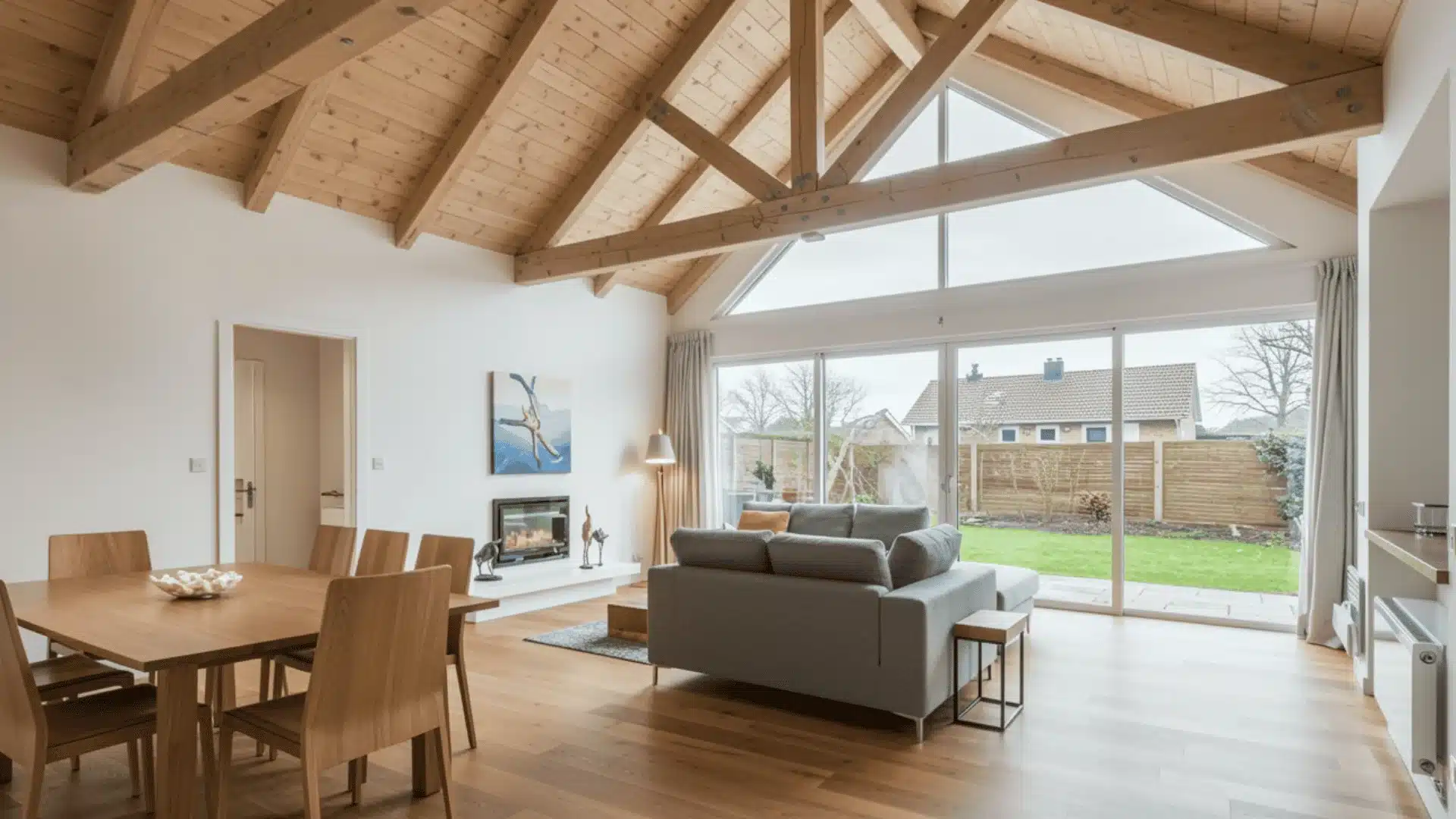
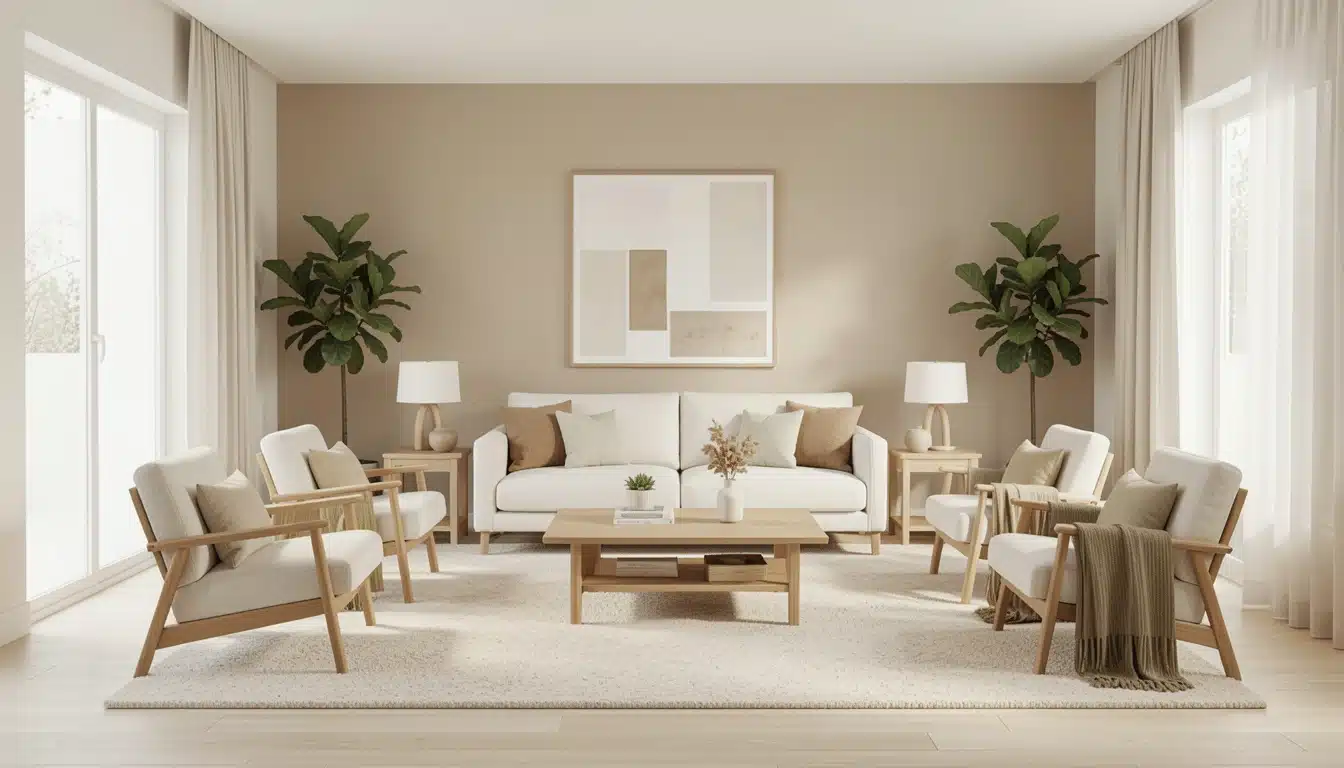
Go with a neutral sectional sofa and a reclaimed-wood coffee table. Add textured throws, natural fiber rugs, and exposed beams.
Large windows let in light, while stone accents add comfort and character.
I just added a live-edge coffee table and a jute rug to my living room, and it was enough to give that rustic yet modern look.
The two pieces softened the entire space.
Kitchen Design
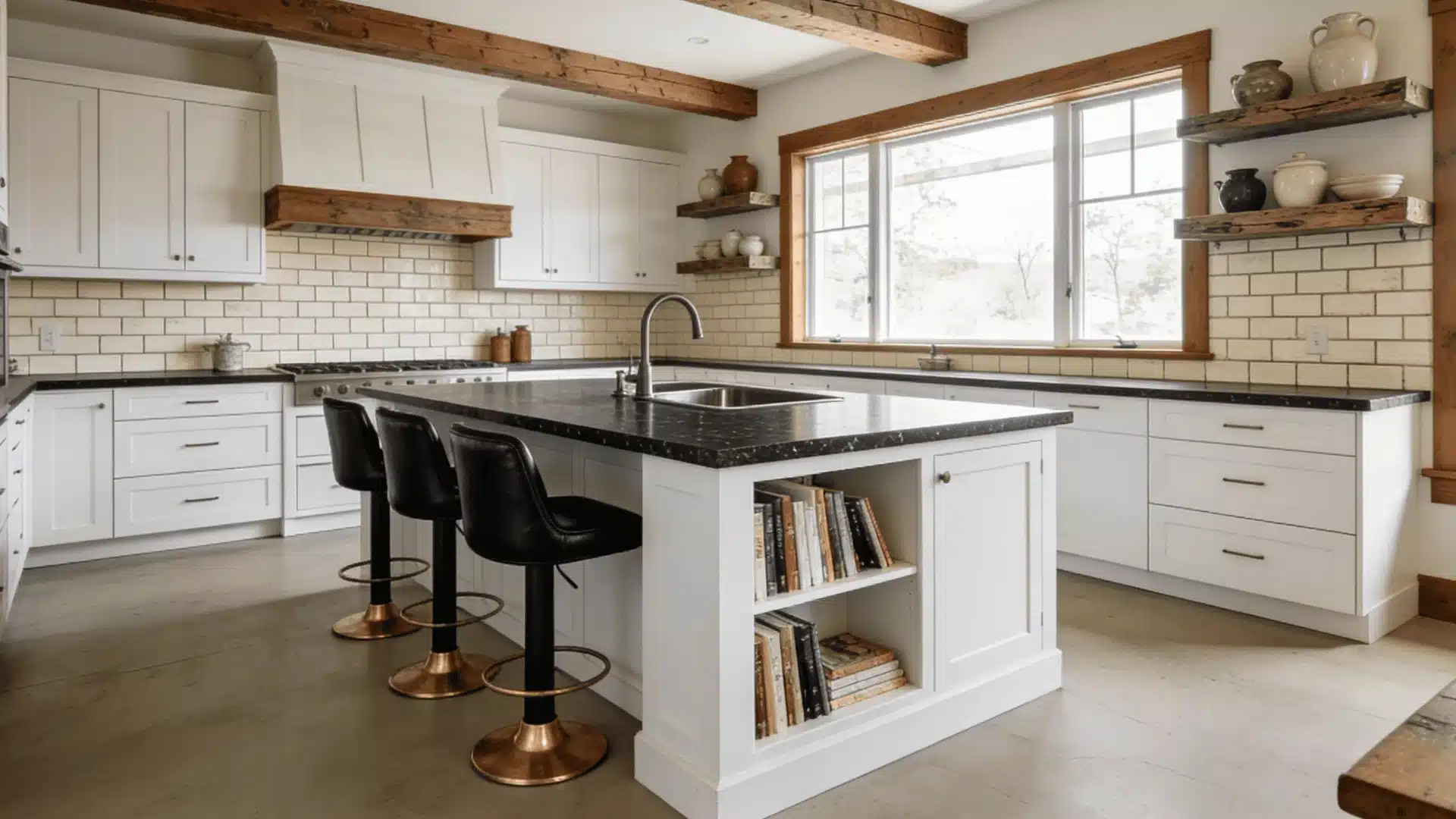
Mix flat-panel cabinets with open wooden shelving. Install farmhouse sinks alongside modern appliances.
Use butcher block islands, pendant lighting, and natural stone countertops for balanced, functional beauty.
Bedroom
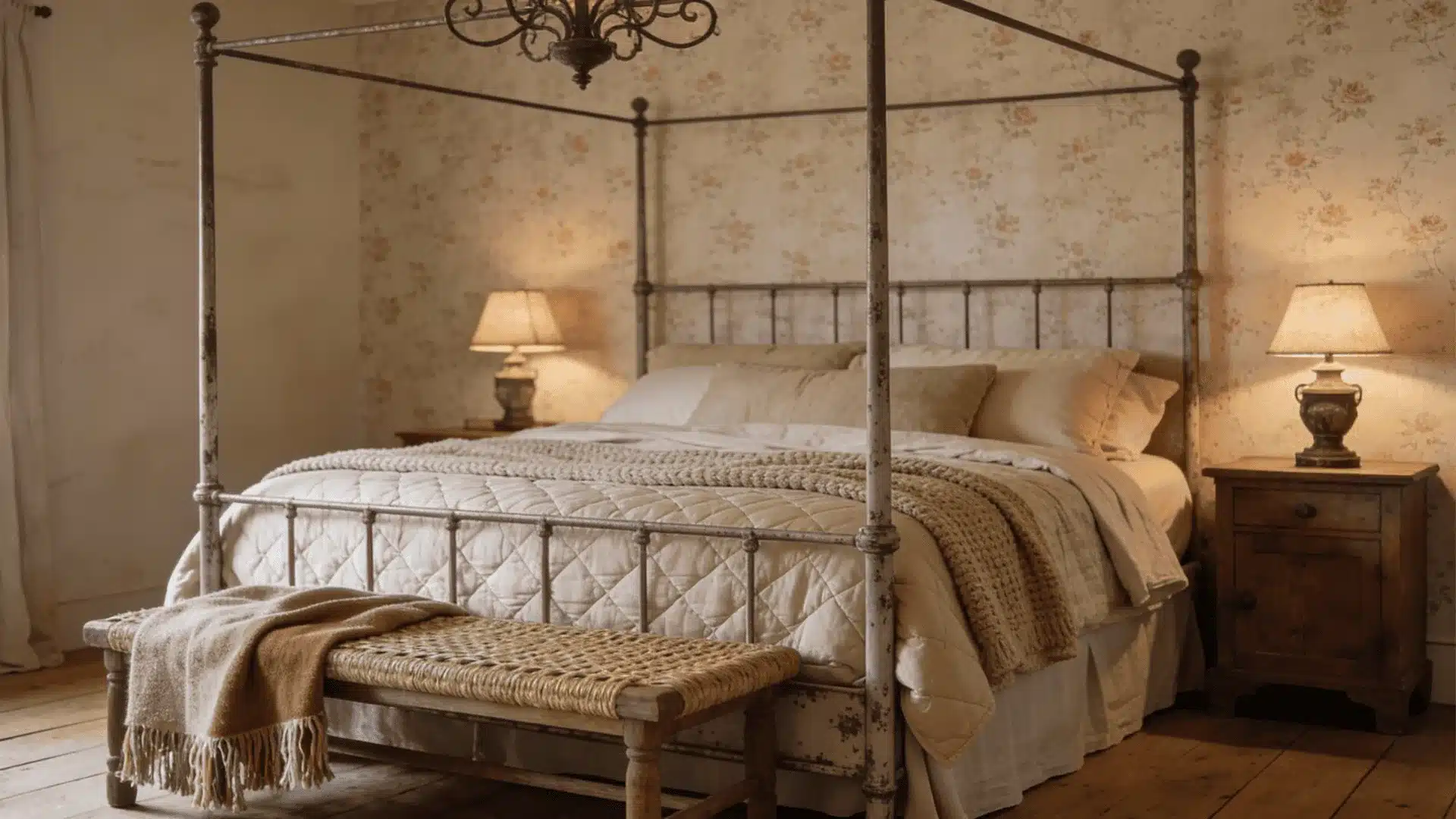
You can create calm retreats with wood accent walls behind the modern rustic bed.
Layer soft linens in neutral tones. Add vintage nightstands, simple lighting, and natural textures for cozy, restful spaces.
You can install a shiplap accent wall in your bedroom on a budget. It pairs well with all-white bedding.
This combination could turn a boring bedroom into something you’d see in a design magazine.
Bathroom Styling
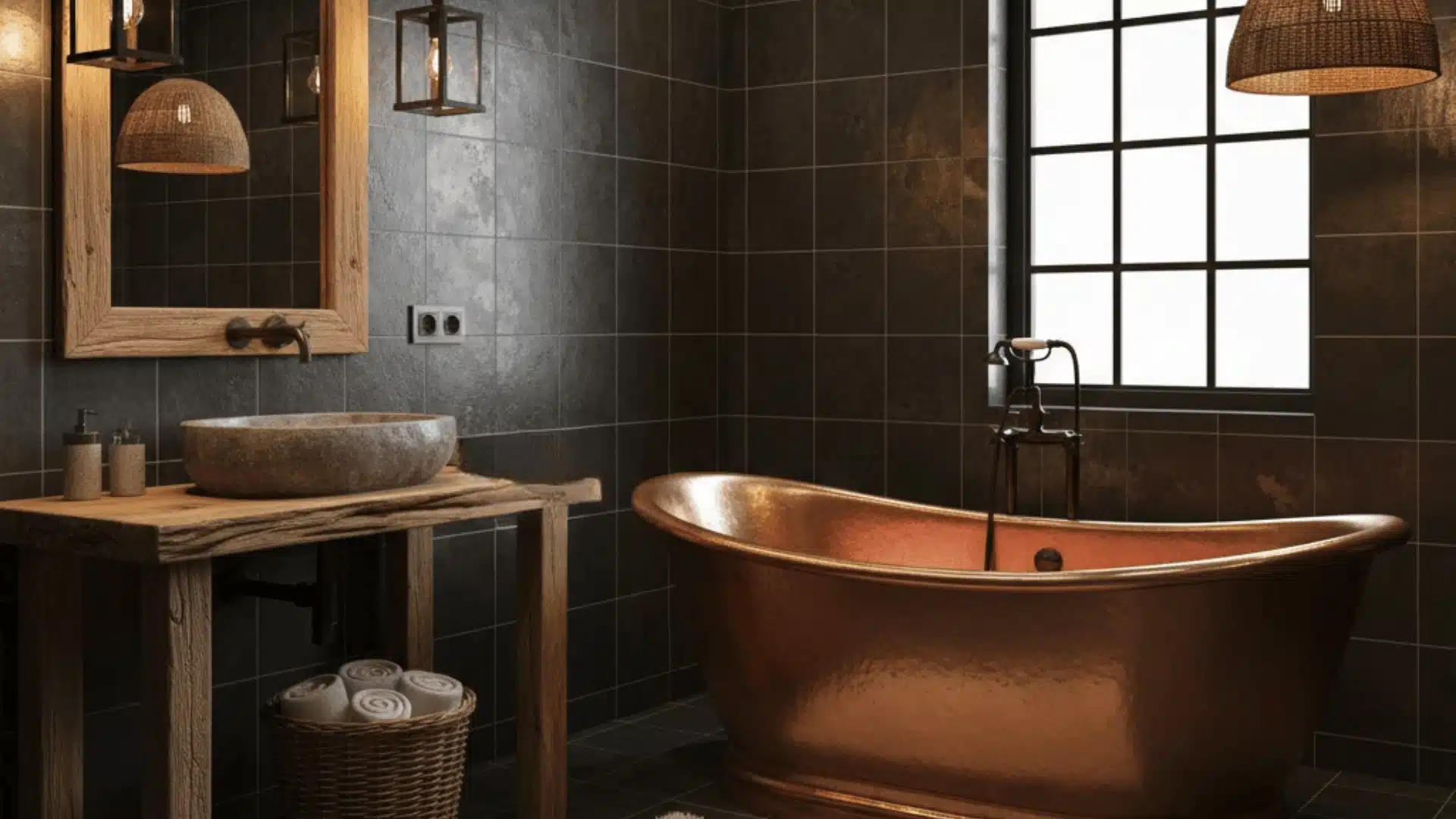
Blend clean white fixtures with wood vanities and stone tiles. Use natural materials like concrete or marble.
Add woven baskets, metal accents, and simple mirrors for a spa-like sense of tranquility.
Add Modern Rustic Design to Your Interior
The following ways have helped me add rustic elements to my space without cluttering it. Now, I am sharing these with you to help you with the same.
1. Contrast with Rustic Furniture
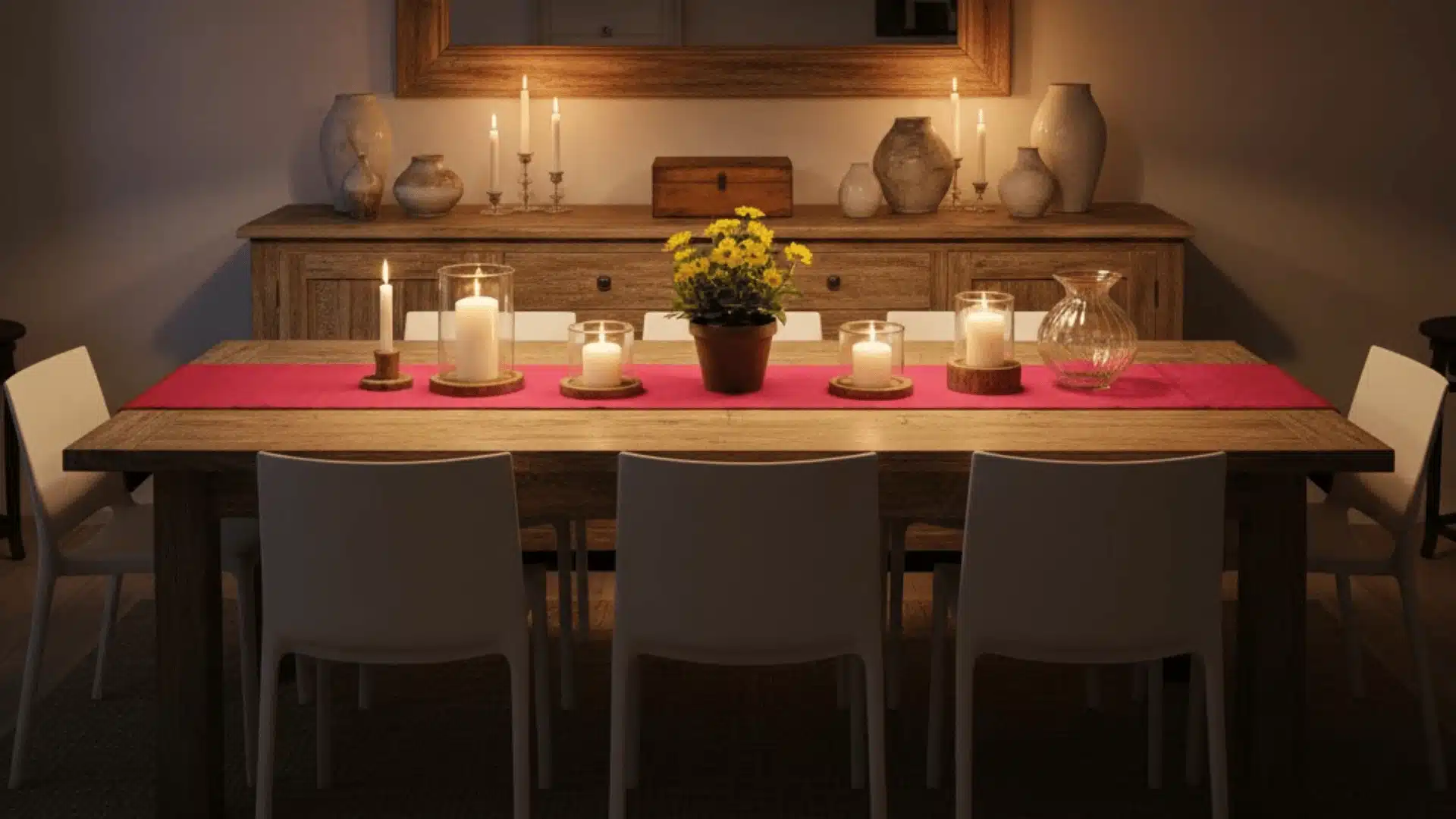
Start by selecting statement furniture with a clear rustic character.
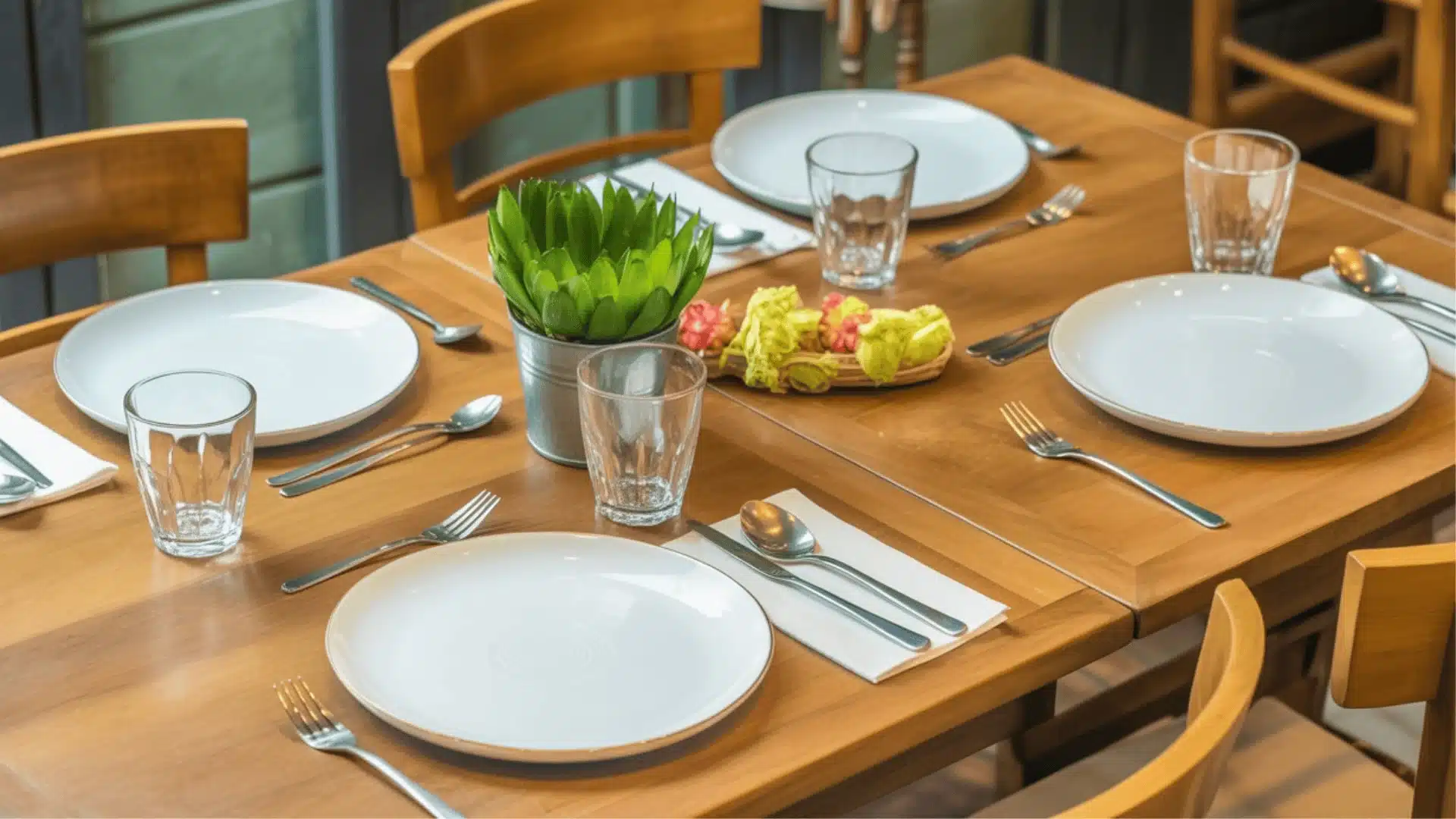
A reclaimed-wood dining table brings immediate coziness to a room.
Pair it with modern metal chairs for contrast. The combination highlights both styles effectively.
The key lies in proportion. Surround them with simpler, more refined elements.
2. Wood Accent Walls
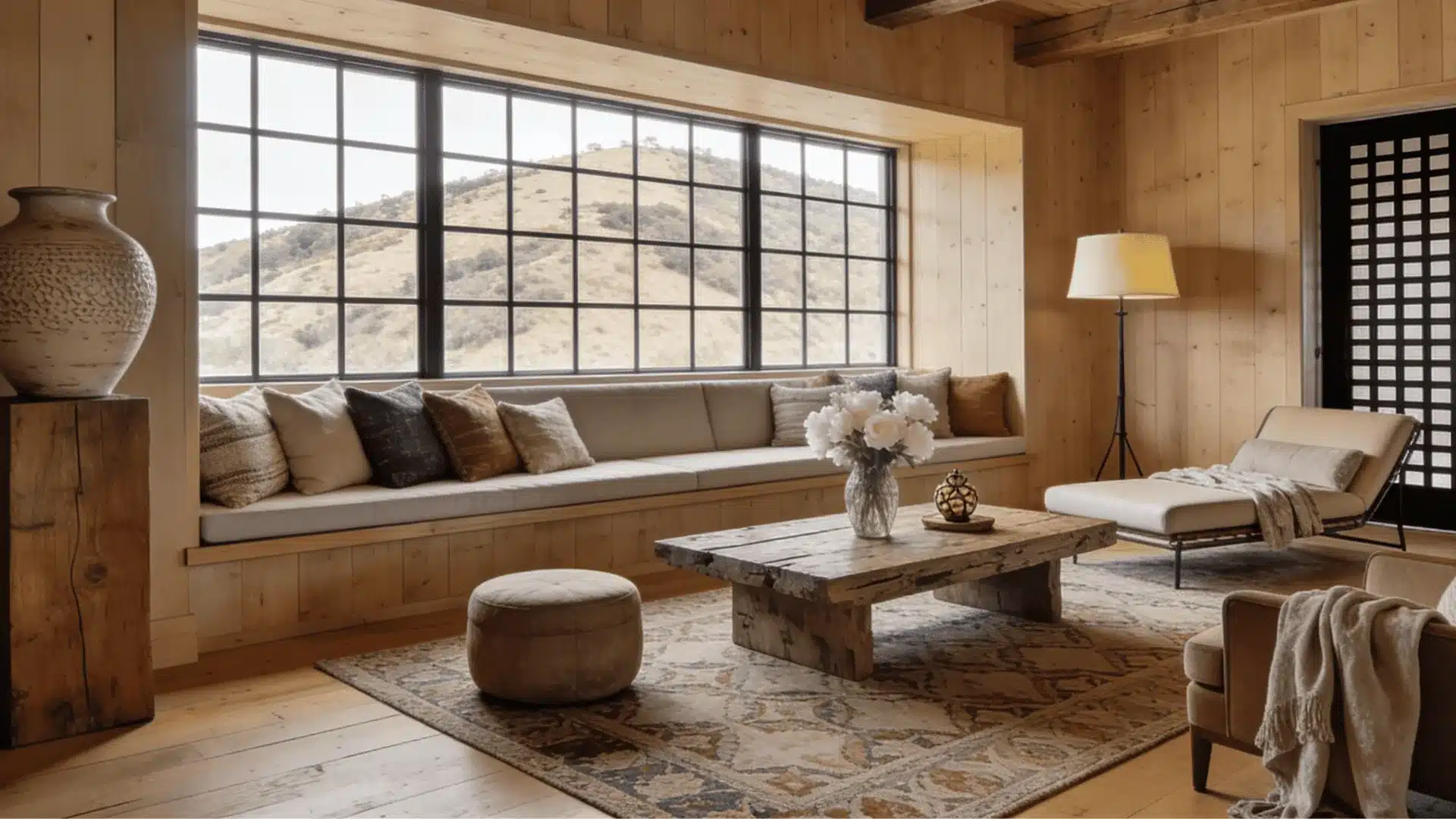
Wooden accents are my favorite part of the rustic decor; they bring warmth and texture that instantly feel like home
Horizontal shiplap in a light, natural finish brings coastal vibes. Vertical planks with varied widths bring vertical appeal.
Reclaimed barn wood arranged in a herringbone pattern adds texture and history. Patterned wood panels work well in modern settings.
3. Defining Architectural Details
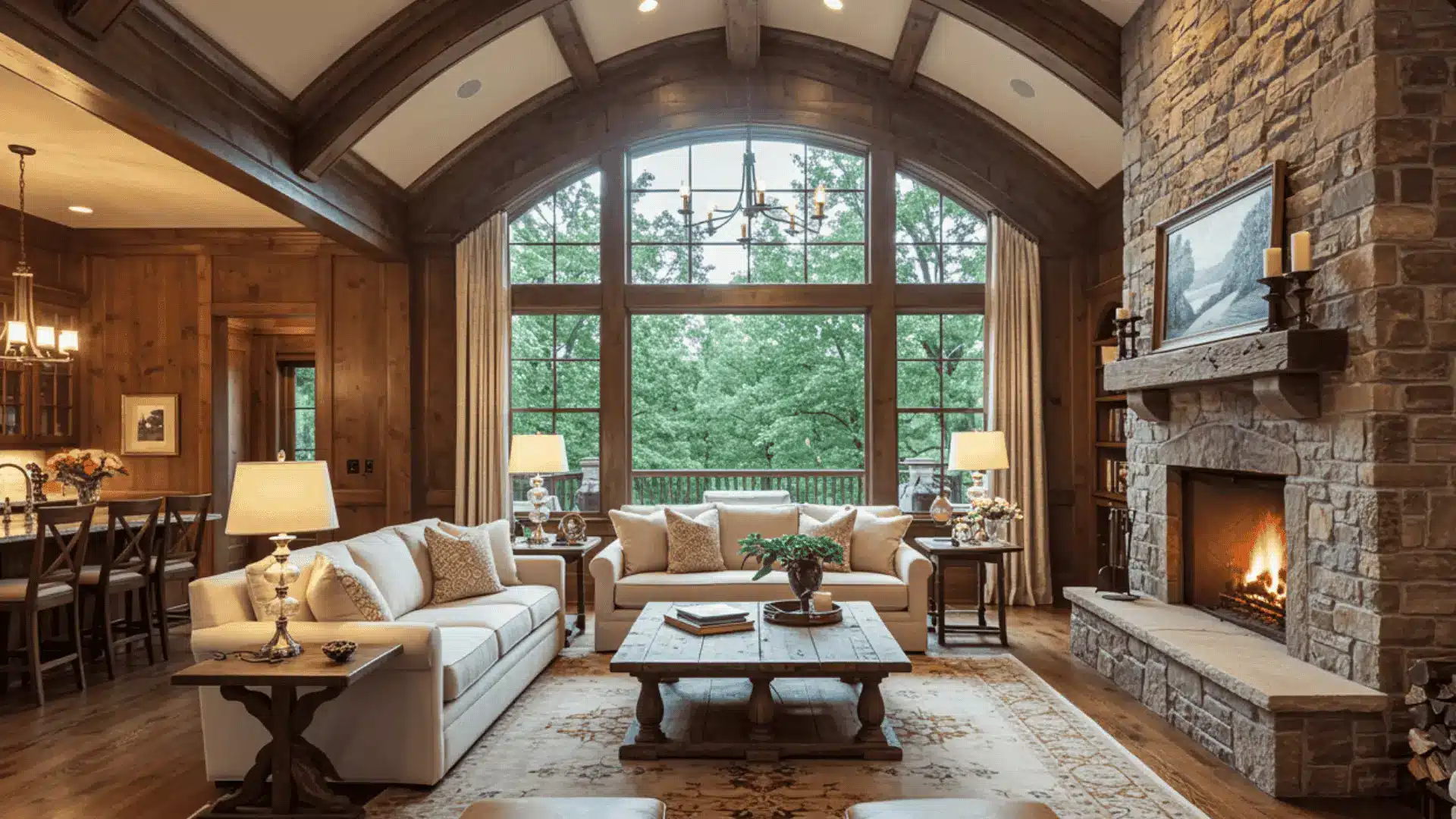
Architectural elements shape the character of rustic interior design.
Major architectural touches include:
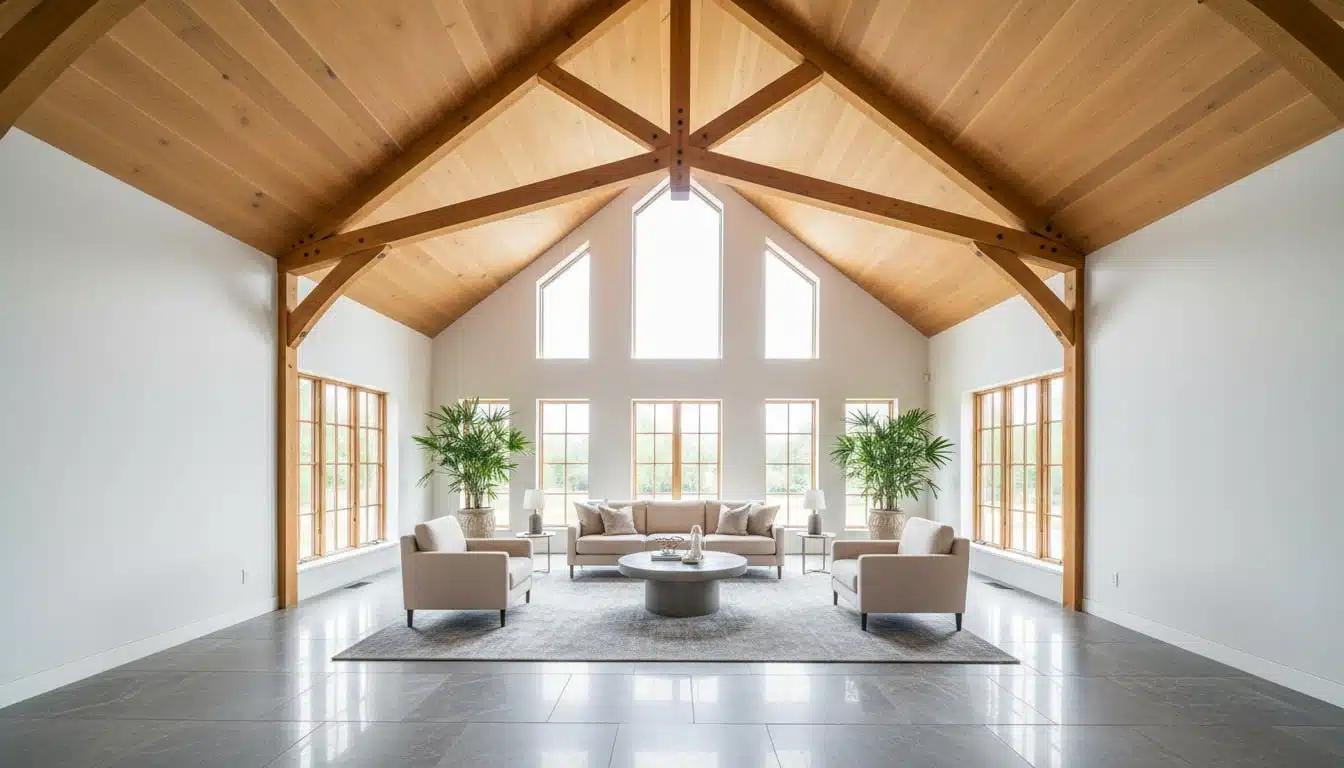
- Exposed beams rank among the most impactful features.
- Window and door trim in natural wood or black metal
- Built-in shelving using mixed materials
- Vaulted ceilings with wood planking
These elements reduce the need for excessive decoration. The architecture becomes the design.
4. Stone Fireplace as a Focal Point
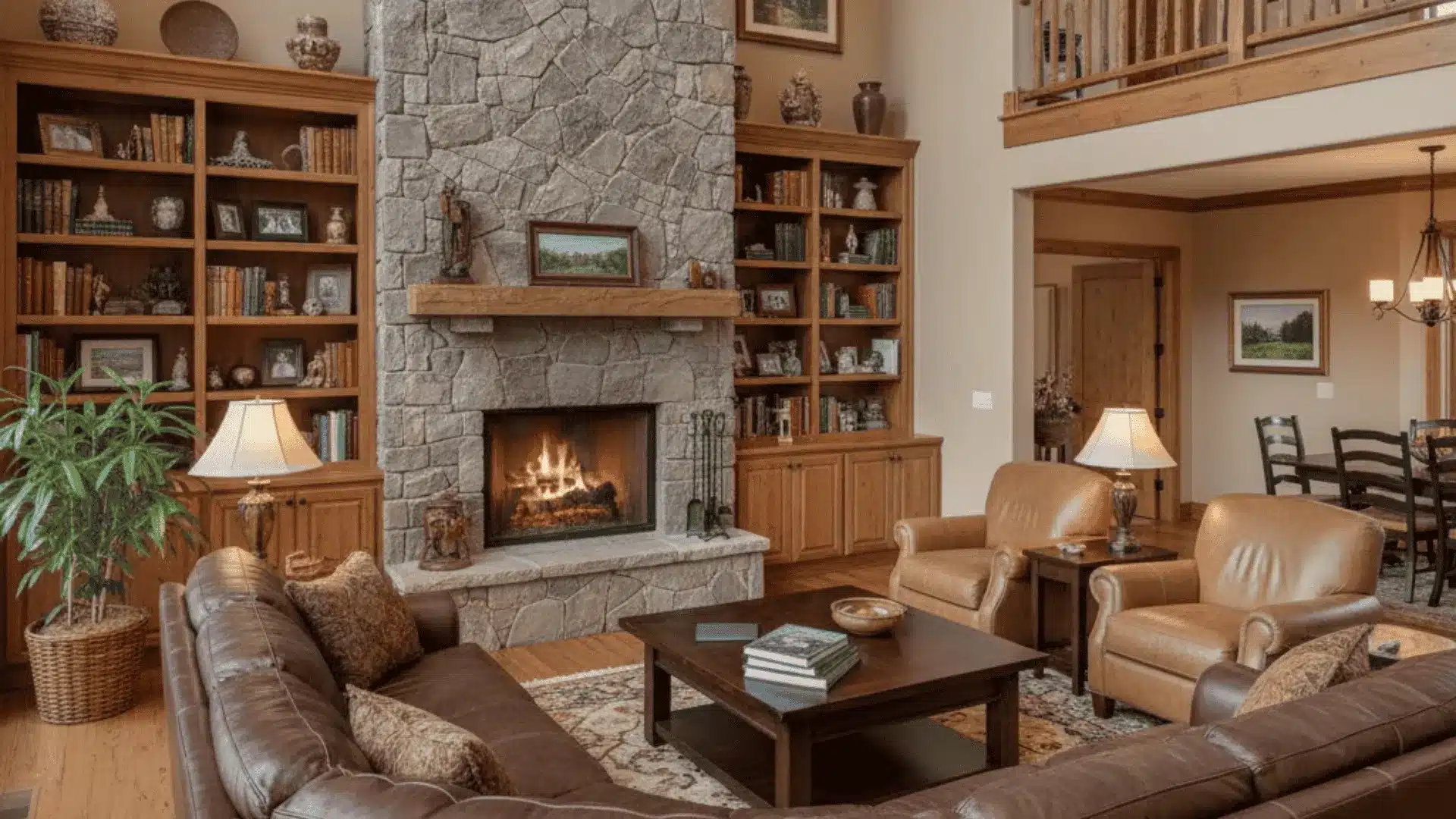
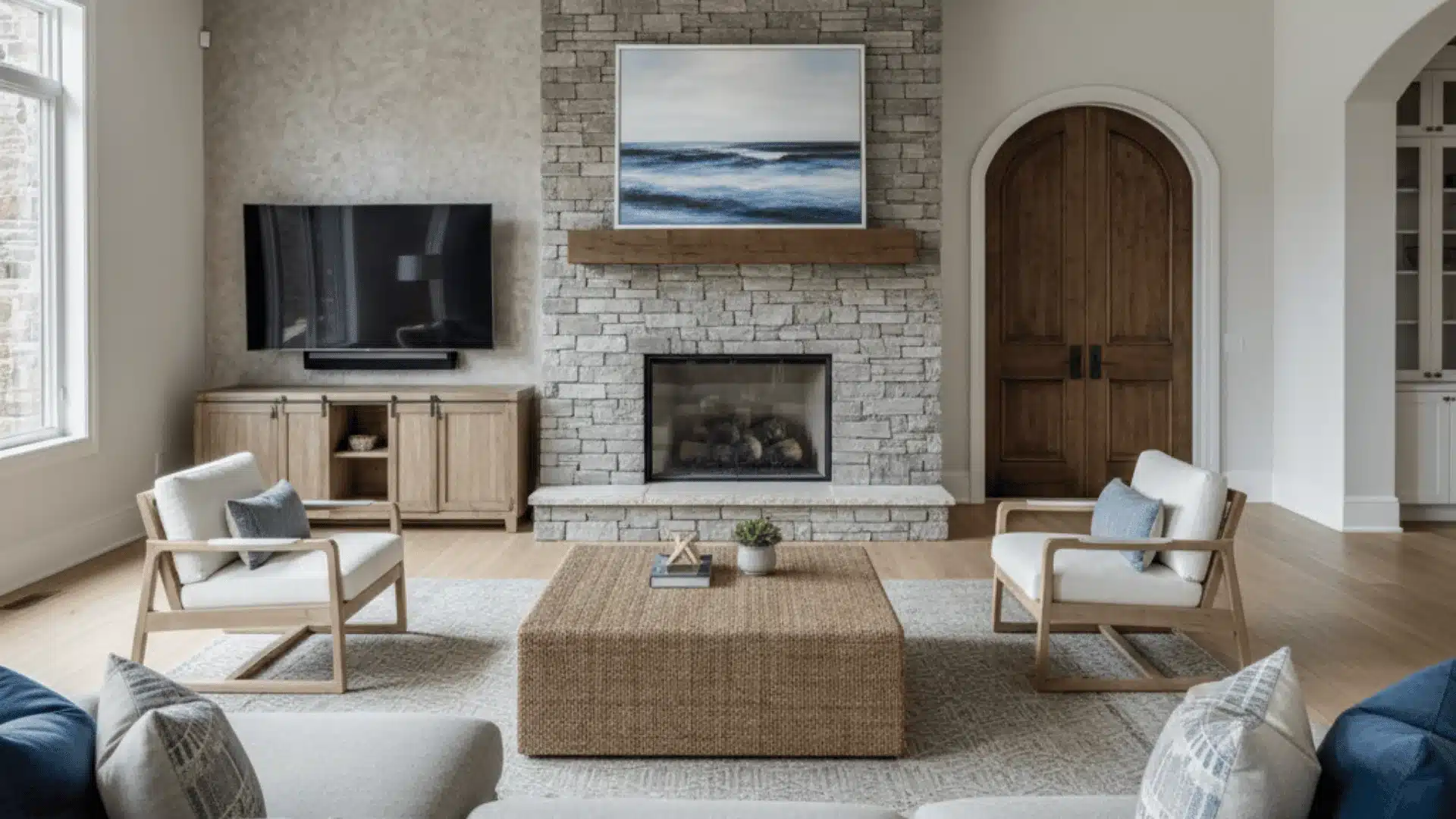
Modern rustic interior design treats the stone fireplaces as a striking centerpiece that anchors the entire room.
My grandmother is fond of fireplaces, so she added one with clean lines to complete the contemporary feel.
If you’re seeking one, then remember these points thoroughly:
Arrange seating to take advantage of the view. Keep the mantel minimal. Let the stone remain the star.
5. Embracing Antique and Artisan Pieces
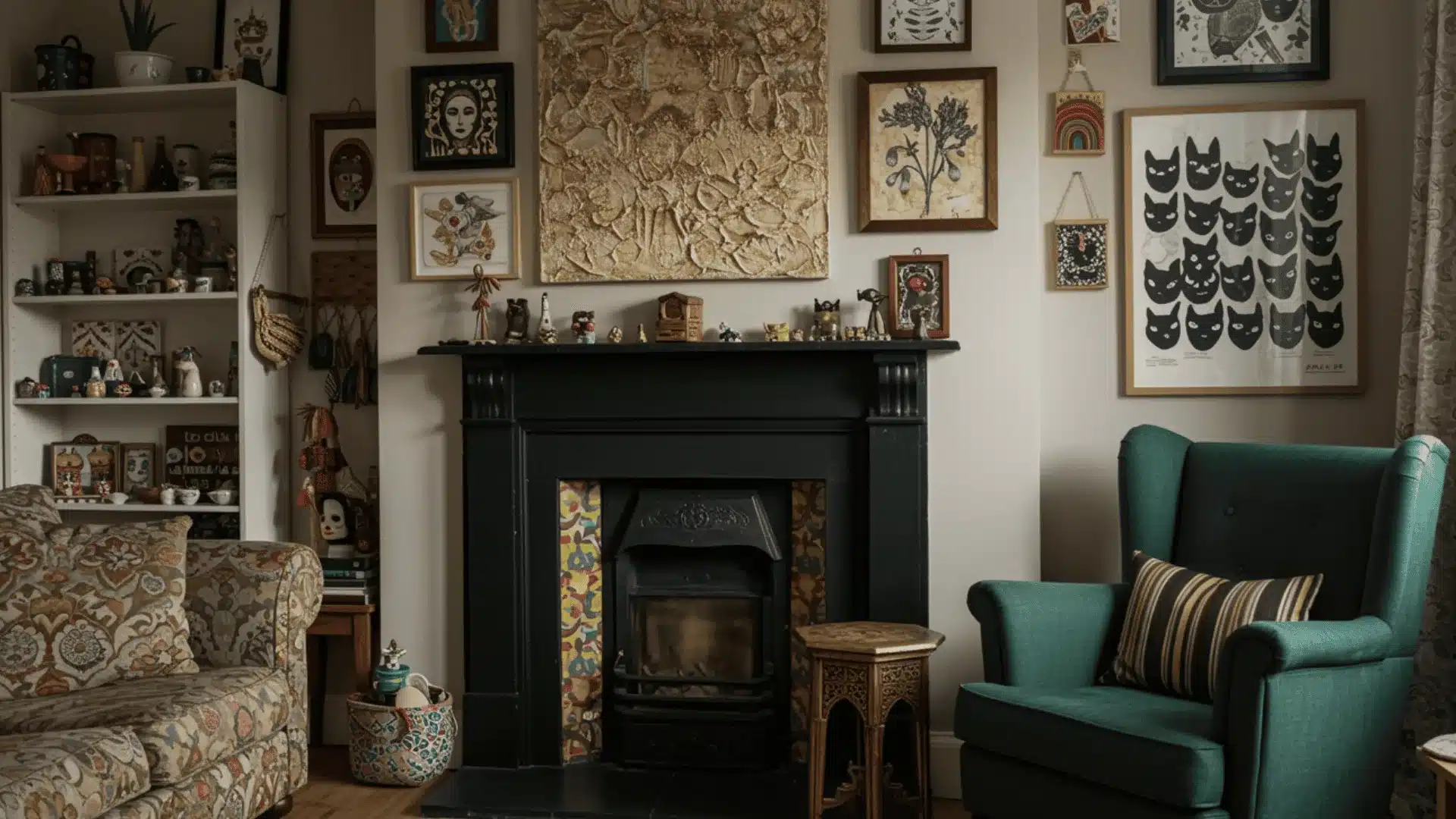
Antique and reclaimed items bring history to rustic designs.
Handmade and artisan pieces add a creative soul to the interior. They offer a uniqueness that mass-produced goods cannot.
Items to incorporate:
- A single antique piece offers a greater impact
- Wooden wall art gives a modern rustic look
- Handcrafted wooden bowls and serving pieces
- Artisan-made textiles like throws and pillows
6. Using Natural Fiber Rugs
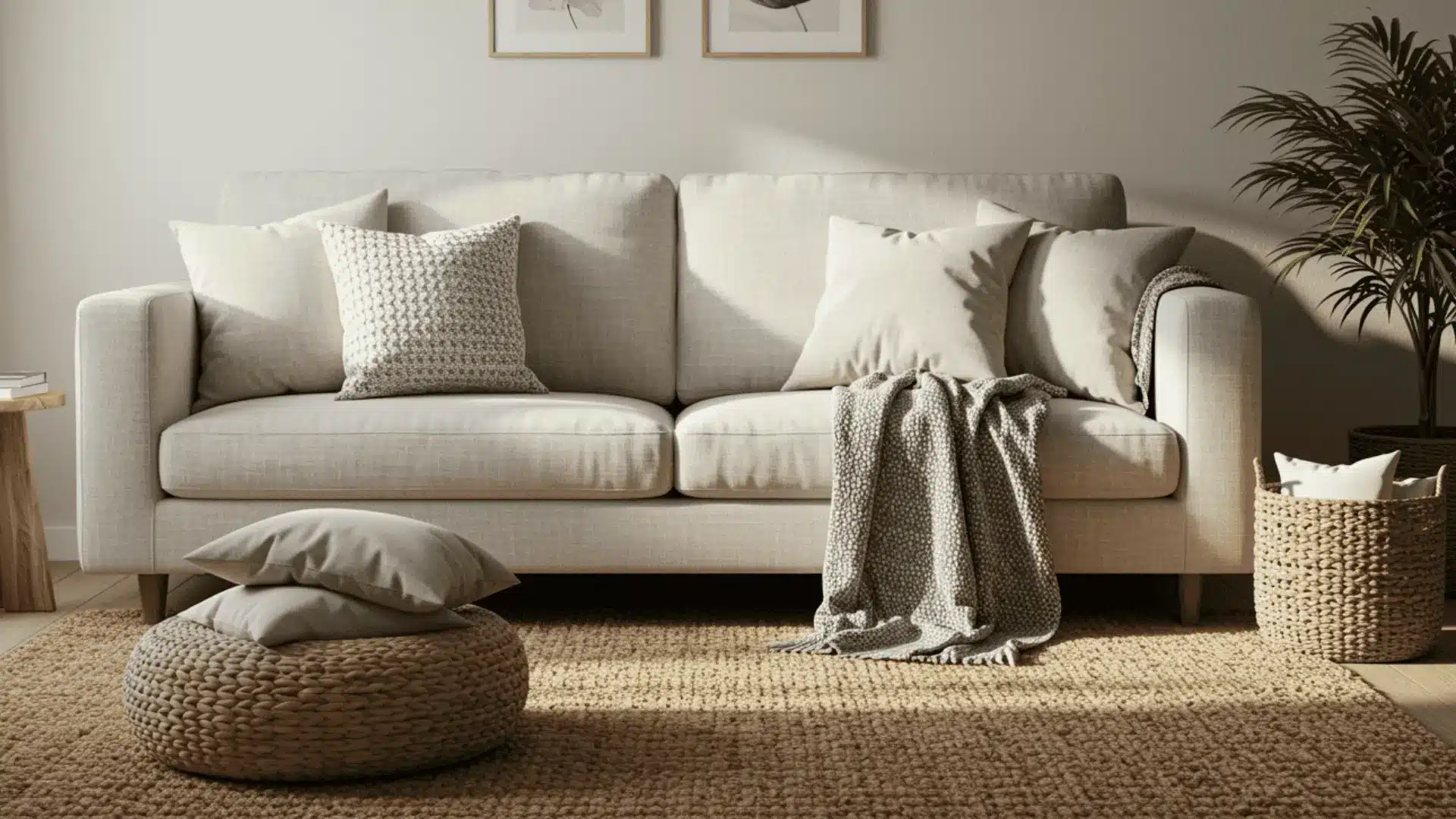
Natural fiber rugs are my favourite part of this design. They provide texture, warmth, and visual interest.
Jute rugs offer durability and neutral color that works anywhere. Sisal plant offers a tighter weave and a more refined look for more formal areas.
Seagrass brings softness and natural variation to high-traffic zones. Wool delivers warmth and comfort underfoot in bedrooms and living spaces.
Modern Rustic vs. Modern Cottage vs. Bohemian Rustic vs. Farmhouse
| Criteria | Modern Rustic | Modern Cottage | Bohemian Rustic | Farmhouse |
|---|---|---|---|---|
| Color Palette | Neutrals with earthy accents | Soft pastels, light and airy | Rich warm tones, jewel colors | Whites and creams with dark accents |
| Materials | Raw wood, stone, and concrete | Painted wood, wicker, linen | Macramé, mixed textiles, reclaimed wood | Shiplap, galvanized metal, distressed wood |
| Furniture | Clean-lined, natural finishes | Light, casual, lived-in feel | Eclectic, vintage, handcrafted | Sturdy, worn, practical pieces |
| Mood | Warm and refined | Cheerful and relaxed | Free-spirited and layered | Simple and homey |
| Decor Focus | Texture and material contrast | Florals and soft natural accents | Layered patterns and collected objects | Functional items as decor |
Rustic Interior Design – Mistakes to Look Out for
When I started adding rustic decor, I kind of went overboard.
Wood beams, stone walls, antler decor, and reclaimed furniture everywhere, my apartment looked like a store room instead of a house.
I removed half the rustic pieces. Finally, the room could breathe.
So, here are my tips for you:
- Overdoing the rustic elements
- Ignoring the modern component
- Using too many colors
- Choosing overly distressed items
- Forgetting about comfort
- Neglecting scale and proportion
Overdoing the rustic elements is something extremely important to watch.
The room ends up looking like a cabin store display rather than somewhere you’d actually want to sit down. One strong rustic anchor piece per room is usually the rule.
Is Modern Rustic Design Still on Trend?
This interior continues to attract people today because it bridges the gap between traditional comfort and contemporary living.
People appreciate how this design philosophy creates warm, inviting spaces. The style works well in various settings.
Walking into a home that blends raw wood, warm textures, and little imperfections feels incredibly inviting to me, and honestly, it isn’t going anywhere.
It feels lived-in yet curated, and that balance is exactly what today’s interiors crave.
Final Thoughts
Modern rustic interior design has taught me that blending warmth with simplicity creates the most comfortable spaces.
The key is avoiding extremes. Overloading spaces with rustic elements feels overwhelming.
Stripping too much away makes rooms feel cold and uninviting.
Starting small worked best for me.
Adding one or two rustic pieces to an existing space and noticing how they shift the entire feel made building gradually from there feel natural.
The beauty of this design is its flexibility.
Try it and let me know if you need any help or suggestions in the comments.
Frequently Answered Questions (FAQ’s)
1. How to Mix Modern and Rustic?
Pair sleek furniture with reclaimed wood pieces. Balance smooth surfaces with natural textures throughout each room for cohesion.
2. What Furniture is Common in Rustic Rooms?
Reclaimed wood tables, leather sofas, wooden benches, and simple metal-framed pieces work best.
3. What Type of Flooring Suits a Rustic Style?
Hardwood planks, stone tiles, and distressed wood floors suit rustic spaces perfectly