
Key Takeaways
Stress affects everyone differently, but the right relaxation methods can help you manage it effectively.
Different situations require different approaches what works at home might not work at school or before bed.
Consistency matters more than perfection when building a stress relief routine.
What you Need to Know About Stress Relief
Stress triggers your body’s fight-or-flight response. Cortisol floods your system. Your heart races. Muscles tense up.
Relaxing activities reverse this process. They activate your parasympathetic nervous system. This tells your body it’s safe to rest.
Blood pressure drops. Breathing slows. Muscles release tension.
Your brain shifts from survival mode to calm mode. That’s when healing happens.
Relaxing Activities for Adults
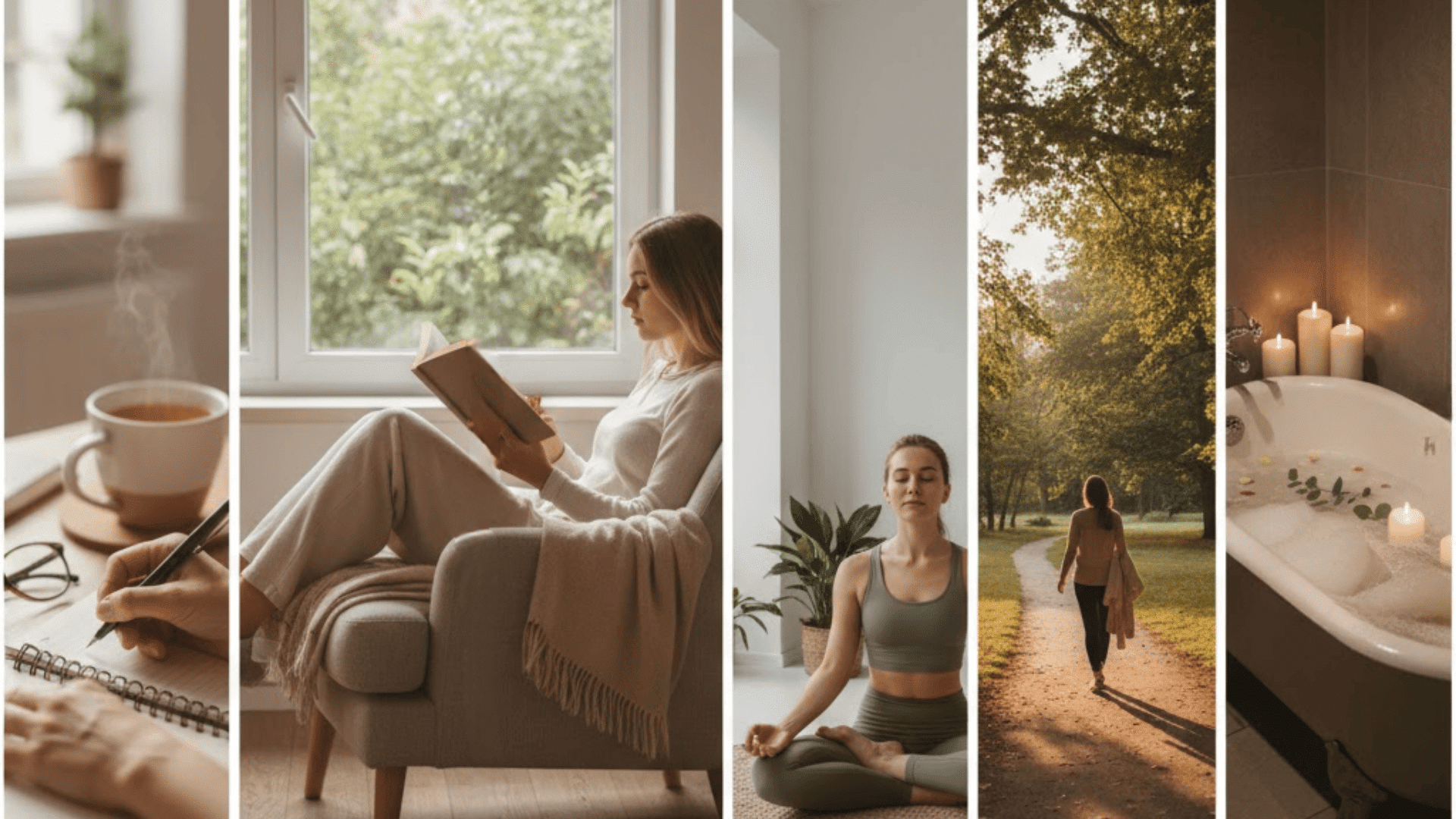
Life as an adult can feel like a constant race. Work deadlines pile up. Bills need paying. Responsibilities never seem to end.
But you deserve moments of peace, too.
1. Morning coffee ritual: Sit quietly with your coffee. No phone, no TV. Just you and your thoughts for ten minutes.
2. Evening walks: A 20-minute walk after dinner clears your head. Fresh air does wonders for stress.
3. Journaling: Write down three things from your day. Good or bad, it helps process emotions.
4. Listening to music: Put on your favorite songs. Let the melodies wash over you.
5. Cooking a new recipe: Focus on chopping, stirring, and creating. It’s meditation through food.
6. Gardening: Dig in the soil. Water your plants. Watch things grow.
7. Reading fiction: Get lost in a story. It takes you away from daily worries.
8. Taking a long bath: Add some salts or oils. Soak for 30 minutes.
9. Stretching exercises: Gentle stretches release muscle tension. Do them while watching TV.
10. Coloring books: Adult coloring books are popular for a reason. They calm racing thoughts.
11. Baking bread: Kneading dough is surprisingly therapeutic. Plus, you get fresh bread.
12. Star gazing: Look up at the night sky. It puts problems in perspective.
13. Organizing a small space: Clean out one drawer or shelf. Order creates mental peace.
14. Calling an old friend: A good conversation lifts your mood instantly.
15. Practicing gratitude: List five things you’re grateful for. It shifts your mindset.
You don’t need fancy equipment or lots of money. Most of these cost nothing at all. Start with one or two that appeal to you. Try them for a week. See how you feel.
Relaxing Activities for Students
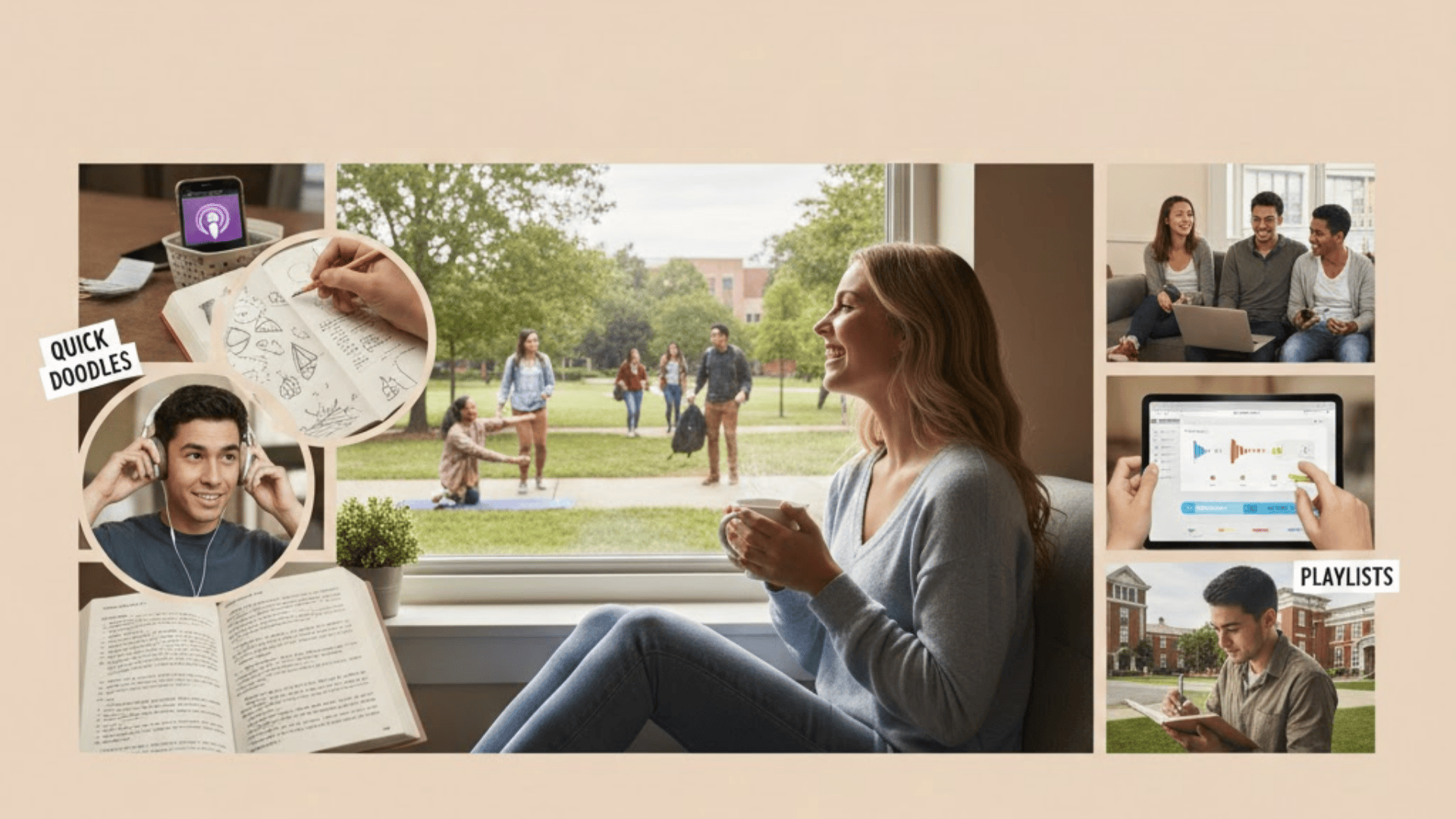
Student life brings unique pressures. Exams loom constantly. Assignments pile up fast. Social dynamics add extra stress.
But students can find relief through simple activities. These fit between classes and study sessions.
16. Quick meditation breaks: Just five minutes between study sessions. Close your eyes and breathe deeply.
17. Doodling in margins: Let your pen wander while listening to lectures. It actually helps focus.
18. Campus walks: Walk around your school or college. Change your scenery for 15 minutes.
19. Study group chats: Talk with friends about non-school topics. Laughter is medicine.
20. Listening to podcasts: Find shows you enjoy. Listen while commuting or doing chores.
21. Quick workout videos: Ten-minute exercise clips on YouTube. They boost energy and mood.
22. Making playlists: Organize music for different moods. Creating them is calming itself.
23. Sketching or drawing: You don’t need talent. Just let your hand move freely.
24. Playing casual games: Simple phone games work. Nothing too competitive or stressful.
25. Watching comfort shows: One episode of a familiar series. It’s like visiting old friends.
26. Making tea or coffee: The process itself relaxes. Pick a flavor you love.
27. Window watching: Stare outside for a few minutes. Watch people, clouds, or trees.
Remember, taking care of yourself isn’t selfish. It’s necessary for success.
Relaxing Activities for Anxiety

Anxiety feels different from regular stress. Your heart races. Thoughts spiral out of control. Everything seems too much at once.
Here are some activities that calm anxious minds:
28. Box breathing: Breathe in for four counts. Hold for four. Exhale for four. Hold for four. Repeat five times.
29. Progressive muscle relaxation: Tense each muscle group for five seconds, then release. Start with your toes and work up.
30. Cold water on wrists: Run cold water over your wrists. It triggers a calming response in your body.
31. Counting objects: Count five things you see, four you hear, three you touch, two you smell, one you taste.
32. Squeezing a stress ball: The physical action redirects nervous energy. Keep one in your bag.
33. Writing worries down: Put anxious thoughts on paper. Seeing them written often reduces their power.
34. Humming or singing: The vibrations calm your nervous system. Pick any tune you like.
35. Gentle yoga poses: Child’s pose, cat-cow, or legs up the wall. Hold each for several breaths.
36. Petting an animal; If you have a pet, spend time with them. Their calm presence helps.
37. Organizing something small: Arrange books by color or sort papers. Simple tasks provide control.
38. Sipping herbal tea slowly: Chamomile or peppermint work well. Focus on the warmth and taste.
39. Looking at calming images: Nature photos or peaceful scenes. Keep some saved on your phone.
40. Repeating a calming phrase: “This will pass” or “I am safe.” Say it slowly several times.
41. Changing your environment: Move to a different room. Sometimes location shift helps reset your mind.
You're not alone in feeling this way. Millions deal with anxiety daily.
Not every activity works every time. Some days, breathing helps most. Other days, ypu might need movement.
Relaxing Activities for Mental Health
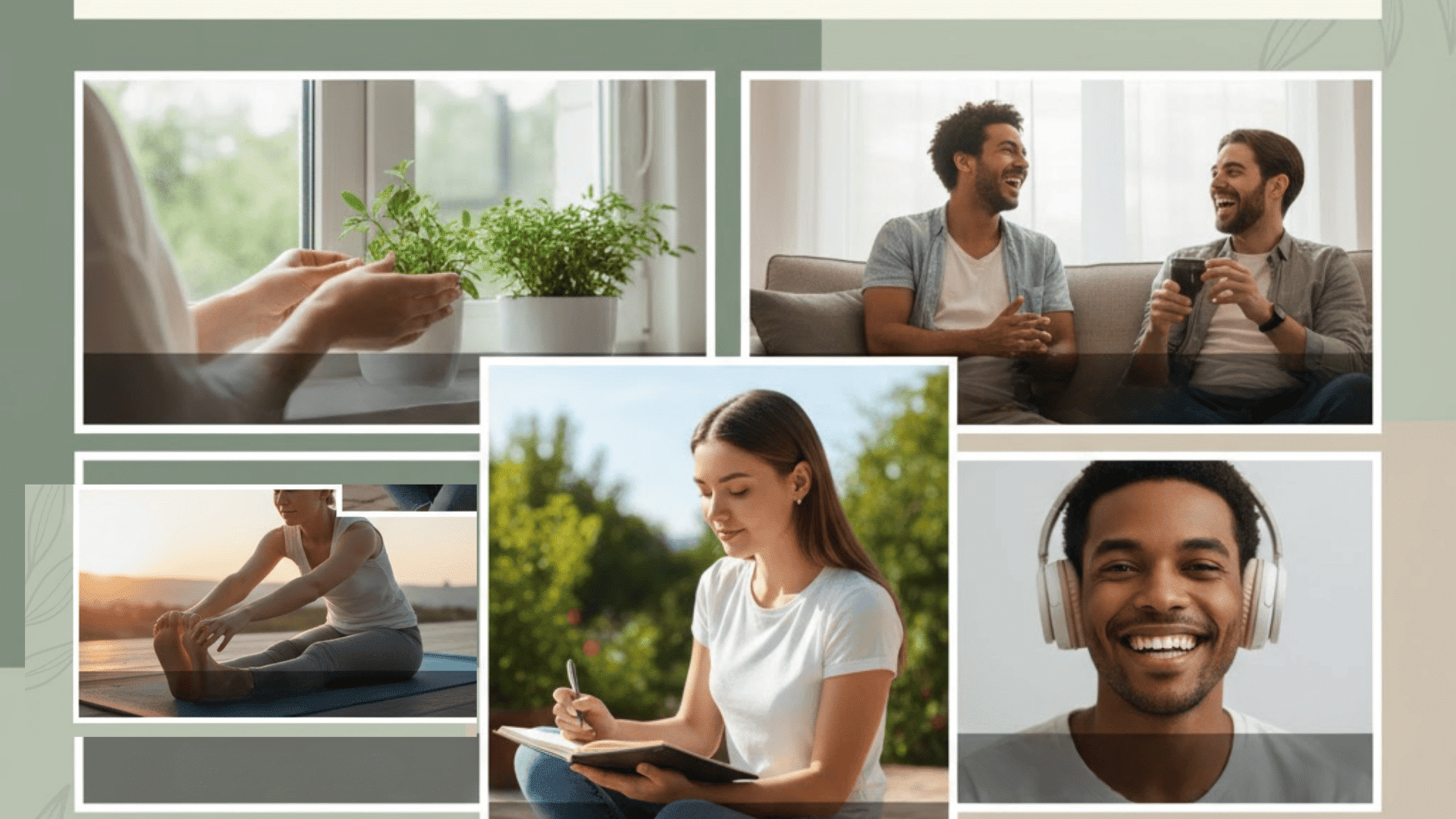
Mental health deserves the same care as physical health. Yet we often ignore it until problems grow big.
Regular relaxing activities protect your mental well-being.
42. Morning sunlight exposure: Stand outside for ten minutes each morning. Natural light regulates your mood and sleep.
43. Gratitude practice: Write three specific things you appreciate daily. It rewires your brain toward positivity.
44. Phone-free time: Set aside one hour without screens. Let your mind rest from constant information.
45. Creative expression: Paint, write, dance, or craft. Creating something helps process emotions.
46. Talking to someone: Call a friend or family member. Connection is vital for mental health.
47. Mindful eating: Eat one meal without distractions. Notice textures, flavors, and how food makes you feel.
48. Setting boundaries: Say no to things that drain you. Protecting your energy is self-care.
49. Nature time: Spend 20 minutes outside daily. Trees, parks, or even your backyard work.
50. Laughing intentionally: Watch comedy or remember funny moments. Laughter releases feel-good chemicals.
51. Helping others: Small acts of kindness boost your own mood. Hold a door or compliment someone.
52. Physical movement: Any exercise counts. Dancing in your room works as well as the gym.
53. Sleep routine: Go to bed at the same time nightly. Good sleep is foundational for mental health.
54. Limiting news intake: Check news once daily, not constantly. Endless negativity harms mental wellbeing.
These activities create stability in your daily life. They’re preventive measures, not just emergency fixes.
Relaxing Things to do for Kids

Kids and students face more stress than many adults realize. School pressure starts young now.
Social situations create worry. Technology overstimulates developing brains.
55. Bubble blowing: The deep breaths required naturally calm nerves. Plus, bubbles are just fun.
56. Building with blocks: Legos, magnetic tiles, or wooden blocks. Creating structures focuses the mind.
57. Playing with playdough: Squishing and molding is incredibly soothing. Make your own at home cheaply.
58. Coloring mandalas: Circular patterns are especially calming. Print free ones online.
59. Listening to audiobooks: Stories transport kids away from worries. Let them close their eyes while listening.
60. Dancing freely: Put on music and move however feels good. No rules, just movement.
61. Blowing pinwheels: Similar to bubbles, this teaches breath control. Kids love watching them spin.
62. Nature scavenger hunts: List simple items to find outside. It combines activity with focus.
63. Finger painting: Messy art releases tension. Cover the table and let them create.
64. Reading comics: Light, visual stories are less demanding than chapter books. They still provide escape.
65. Playing with sensory bins: Fill containers with rice, beans, or water beads. Add scoops and small toys.
66. Doing simple puzzles: Age-appropriate puzzles engage without overwhelming. Start with the easier ones.
67. Making friendship bracelets: Repetitive knotting is meditative. They can gift them to friends.
68. Blowing Bubbles in Milk: Use a straw in a glass of milk. Silly and calming at once.
69. Cloud watching: Lie on the grass and find shapes in clouds. Encourages imagination and stillness.
70. Gentle Stretching: Teach simple yoga poses through animal names. Cat, dog, butterfly, tree.
Keep supplies accessible. A drawer with coloring books, playdough, and bubbles helps kids self-soothe.
Don't force activities during high stress. Offer choices instead. "Would you like to blow bubbles or color?".
Relaxing Things to do at Home
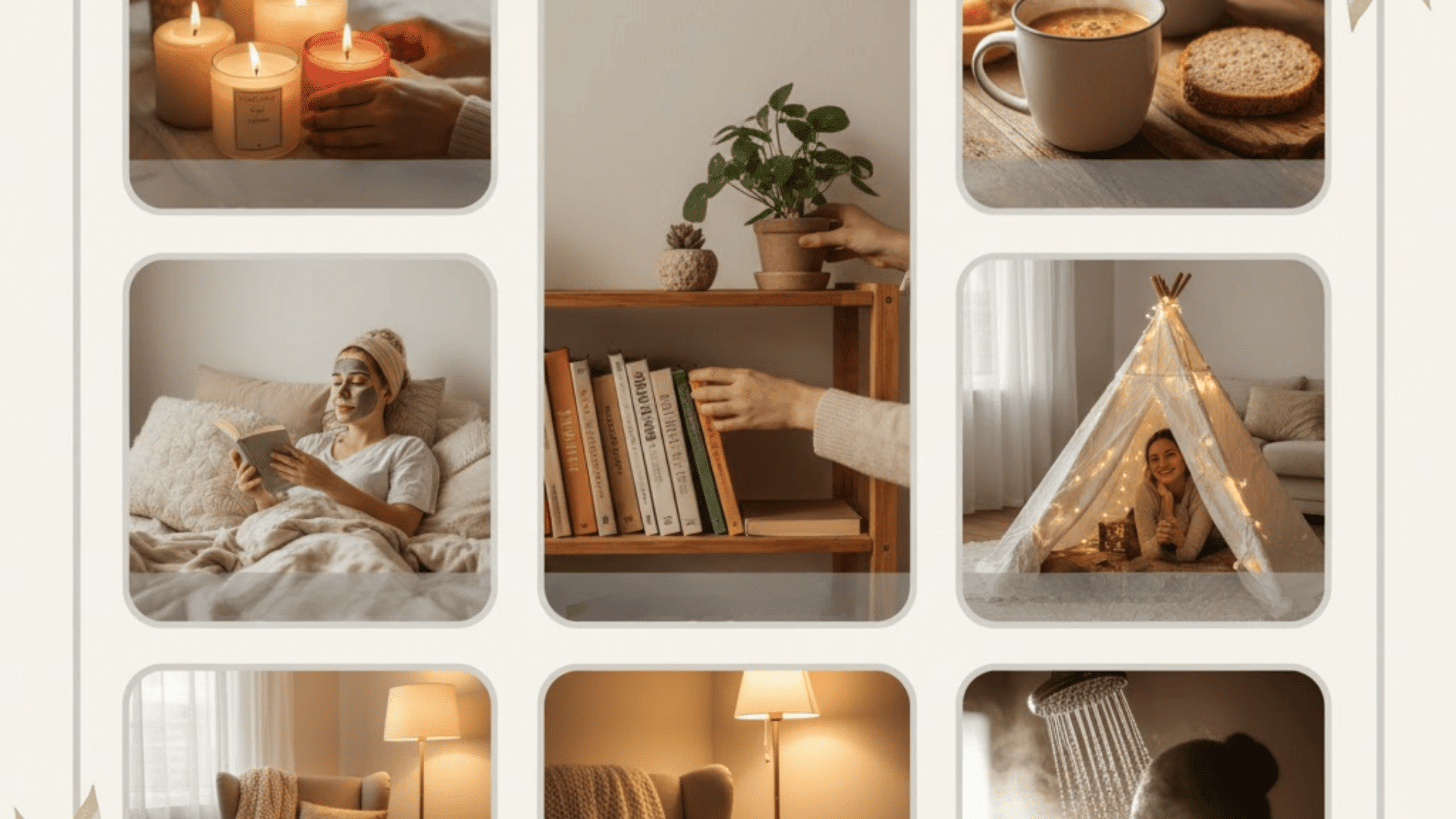
Home should be your sanctuary. It’s where you unwind after long days. Where you feel safest and most yourself.
But sometimes, home feels boring or restless.
71. Rearranging Furniture: Moving things around refreshes your space. Even small changes make a difference.
72. Lighting Candles: The flickering flame and gentle scent create instant calm. Choose fragrances you love.
73. Making Comfort Food: Cook something nostalgic from childhood. The smells and tastes bring peace.
74. Taking a Long Shower: Let hot water wash away tension. Play music if that helps you relax more.
75. Doing a Face Mask: Pamper yourself with skincare. Lie down while it works for extra rest.
76. Building a Blanket Fort: Yes, even as an adult. Create a cozy space within your space.
77. Watching the Rain: Sit by a window during storms. The sound and view are naturally soothing.
78. Folding Laundry Mindfully; Turn a chore into meditation. Focus on the warmth and texture of each item.
79. Playing Board Games: Solo or with family. Games engage your mind without screens.
80. Doing Gentle Houseplants Care: Water, prune, and talk to your plants. It’s surprisingly therapeutic.
81. Making a Photo Album: Organize digital or physical photos. Reliving good memories lifts your mood.
82. baking Simple Treats: Cookies or brownies from a mix. The process and results both bring joy.
83. Laying on the Floor: Sounds odd, but lying flat on the ground releases back tension. Try it for ten minutes.
84. Creating a Comfort Corner: Designate one spot with pillows, blankets, and soft lighting. Your personal retreat space.
Relaxing Activities Before Bed
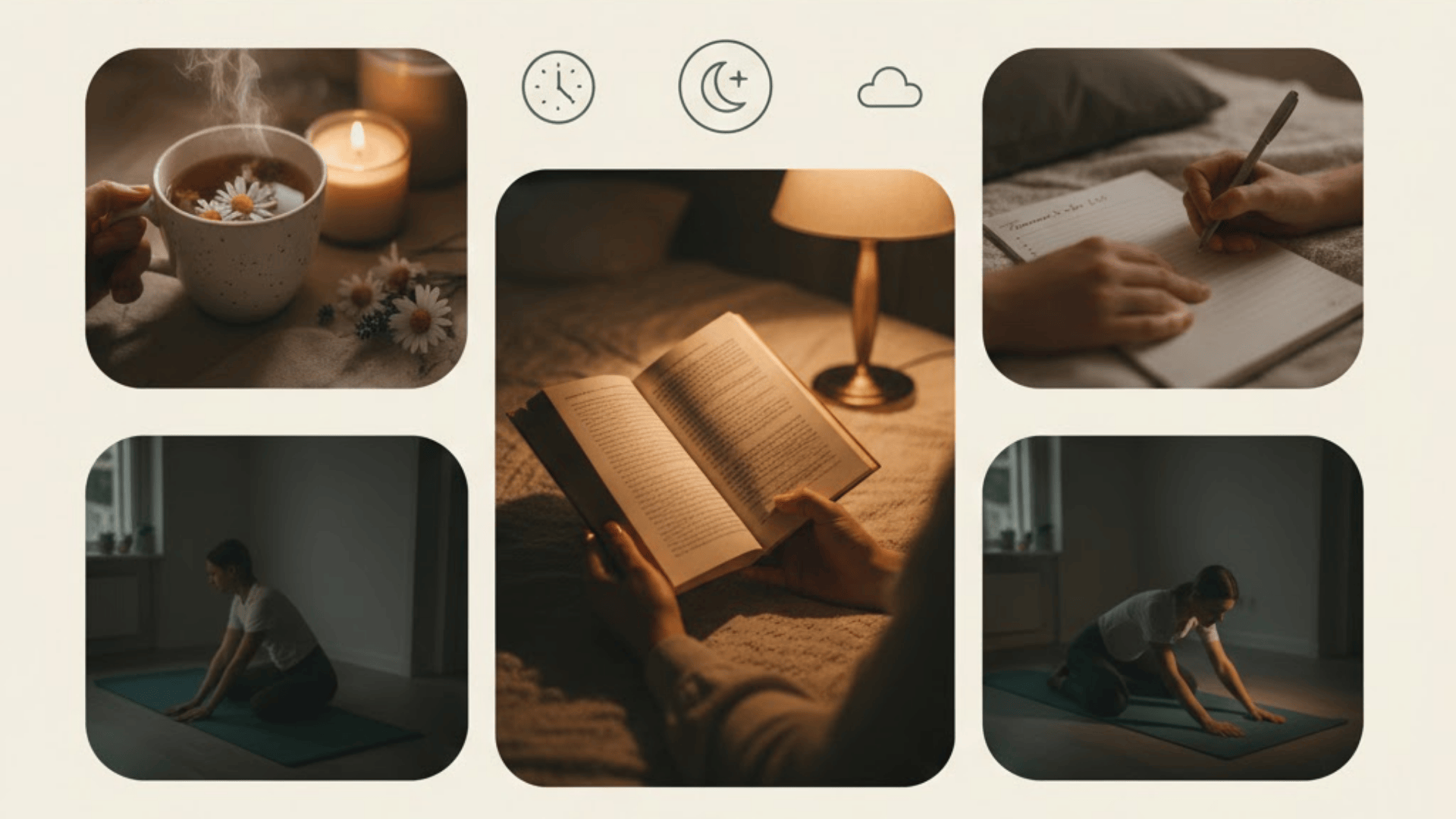
Sleep quality depends heavily on what you do before bed. Racing thoughts keep you awake. Screens mess with your brain chemistry.
Then I find that pre-sleep relaxing activities make all the difference. They signal your body that rest time is coming.
85. Reading Physical Books: Paper books don’t emit blue light. Read something calm, not thrilling mysteries.
86. Writing Tomorrow’s To-Do List: Get worries out of your head and onto paper. This frees your mind.
87. Doing Light Stretches: Gentle movements release physical tension. Focus on neck, shoulders, and legs.
88. Drinking Herbal Tea: Chamomile or lavender tea work best. The warmth itself relaxes you.
89. Dimming All Lights: Start lowering light levels an hour before bed. This triggers melatonin production.
90. Taking a Warm Bath: The temperature drop after bathing makes you sleepy. Add Epsom salts for extra relaxation.
91. Practicing 4-7-8 Breathing: Breathe in for four counts, hold for seven, exhale for eight. Repeat four times.
92. Listening to Sleep Stories: Adult bedtime stories exist now. Apps offer them specifically for sleep.
93. Using Lavender Scent: Spray your pillow or use a diffuser. Lavender naturally promotes drowsiness.
94. Massaging Your Feet: Rub the arches and heels gently. This old trick really works.
95. Journaling Three Good Things: End your day with positivity. Write brief notes about what went well.
96. Cooling Your Room: Lower the thermostat. Cooler temperatures support better sleep quality.
Avoid screens for at least 30 minutes before bed. I know this feels impossible in our world. Start tonight. Pick two activities from this list.
Relaxing Activities for Couples

Relationships need intentional calm moments together.
Daily life gets hectic. Work, responsibilities, and routines create distance. Stress affects how you treat each other.
97. Evening Walks Hand-in-Hand: Walk slowly through your neighborhood. Talk or stay silent, both work.
98. Cooking Together: Choose a new recipe and prepare it as a team. Share the tasks and laugh at mistakes.
99. Giving Each Other Massages: Trade back rubs or foot massages. No training needed, just gentle touch.
100. Watching Sunsets: Find a good spot and sit together. The colors and quiet create natural peace.
101. playing Card Games: Simple games like Go Fish or Rummy. Keep it light, not competitive.
102. Reading Aloud: Take turns reading a book to each other. It’s surprisingly intimate and relaxing.
103. Doing Puzzles Together: Work on a jigsaw puzzle over several evenings. The shared focus is meditative.
104. Taking Baths Together: If your tub allows it, soak together. Add candles and soft music.
105. Stargazing in Your Yard: Lay on a blanket and look up. Point out constellations or just enjoy the view.
106. practicing Couples Yoga: Try partner poses from online videos. Gentle stretching and connection combined.
107. Making Playlists for Each Other: Share songs that remind you of your partner. Listen together.
108. Having Device-Free Dinners: No phones at the table. Just conversation and food you both enjoy.
109. Slow Dancing in the Kitchen: Put on one slow song and hold each other. Movement optional.
These activities require presence, not money or fancy plans. Just being together without distractions.
I recommend scheduling these relaxing activities weekly. Put them on the calendar like any other commitment.
Benefits of Relaxing Activities
You might wonder if these activities actually matter. Does taking ten minutes to breathe really change anything?
The answer is yes.
Science backs up what many of us feel intuitively.
- Blood pressure and heart rate drop to healthier levels
- You fall asleep faster and stay asleep longer
- Your immune system fights off illness more effectively
- Brain processing and memory retention sharpen noticeably
- Mood swings decrease and emotional reactions balance out
- Stress hormones drop while feel-good chemicals increase
- Patience grows and communication with others improves
- You accomplish more work in less time
- Creative solutions and new ideas appear more readily
- Body-wide inflammation decreases measurably
- Chronic pain becomes more manageable
- Your digestive system functions properly-
Conclusion
Choosing the right relaxation activities can transform how you handle daily stress.
Start by picking a few that appeal to you and try them this week. Notice how you feel. Stay consistent progress matters more than perfection.
Start small, be patient, and build your own stress-relief routine.