Key Takeaways
Core stretches target more than just your abs; they work your entire midsection.
Beginners can start with basic moves that require no equipment.
Different stretches serve different purposes, from warm-ups to pain relief.
Regular stretching builds flexibility and prevents injuries over time.
What are Core Stretches and Why Does it Matter?
Your core isn’t just your abs. It includes all the muscles around your trunk and pelvis.
It covers your stomach, lower back, hips, and even your pelvic floor. These muscles work together like a natural support belt.
They keep you stable and help you move in every direction.
Why It Matters:
- Supports your spine and reduces back pain.
- Improves your balance and prevents falls.
- Makes everyday movements easier, like bending and lifting.
- Improves your performance in sports and exercise.
- Protects you from injuries during physical activities.
- Helps you maintain good posture throughout the day.
Simple Core Stretch Exercises
You don’t need fancy equipment or complex moves. These simple stretches require the least effort.
Core Exercises for Beginners
These easy-to-follow stretches are perfect for beginners just starting a flexibility routine.
1. Wall Angels

Stand with your back against a wall. Slide your arms up and down like making a snow angel.
Keep your back, shoulders, and arms touching the wall. This stretch opens your chest and engages your core stabilizers. It corrects rounded shoulders, too.
Beginner Bonus: Do 10 repetitions to instantly improve posture.
2. Knee Hug Stretch
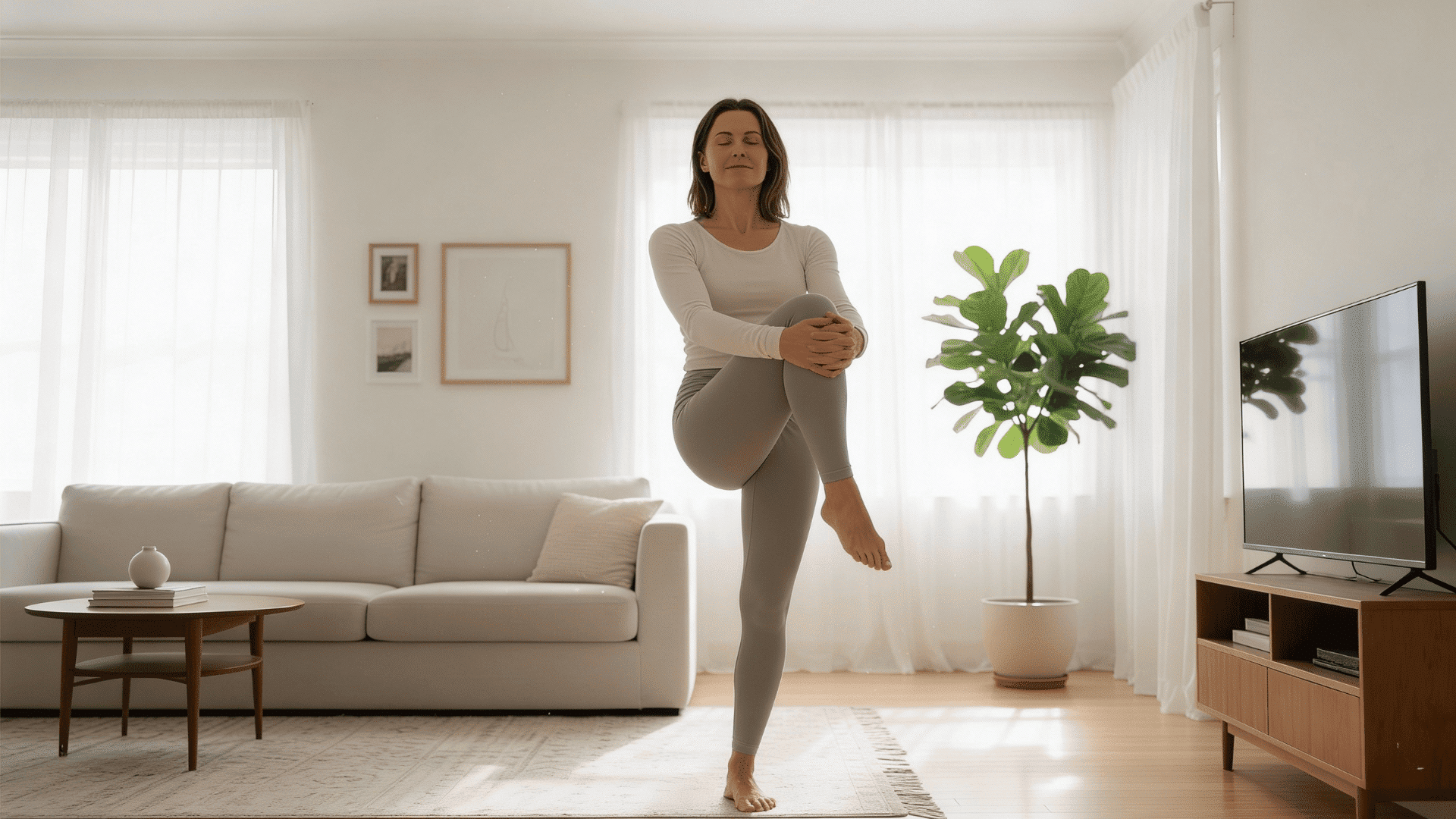
Stand on one leg and hug the other knee to your chest. Hold it close and squeeze gently.
This simple move stretches your lower back and glutes. It also helps with balance and core activation.
Stability Secret: Hold for 15 seconds on each leg for better balance.
3. Gentle Backbend
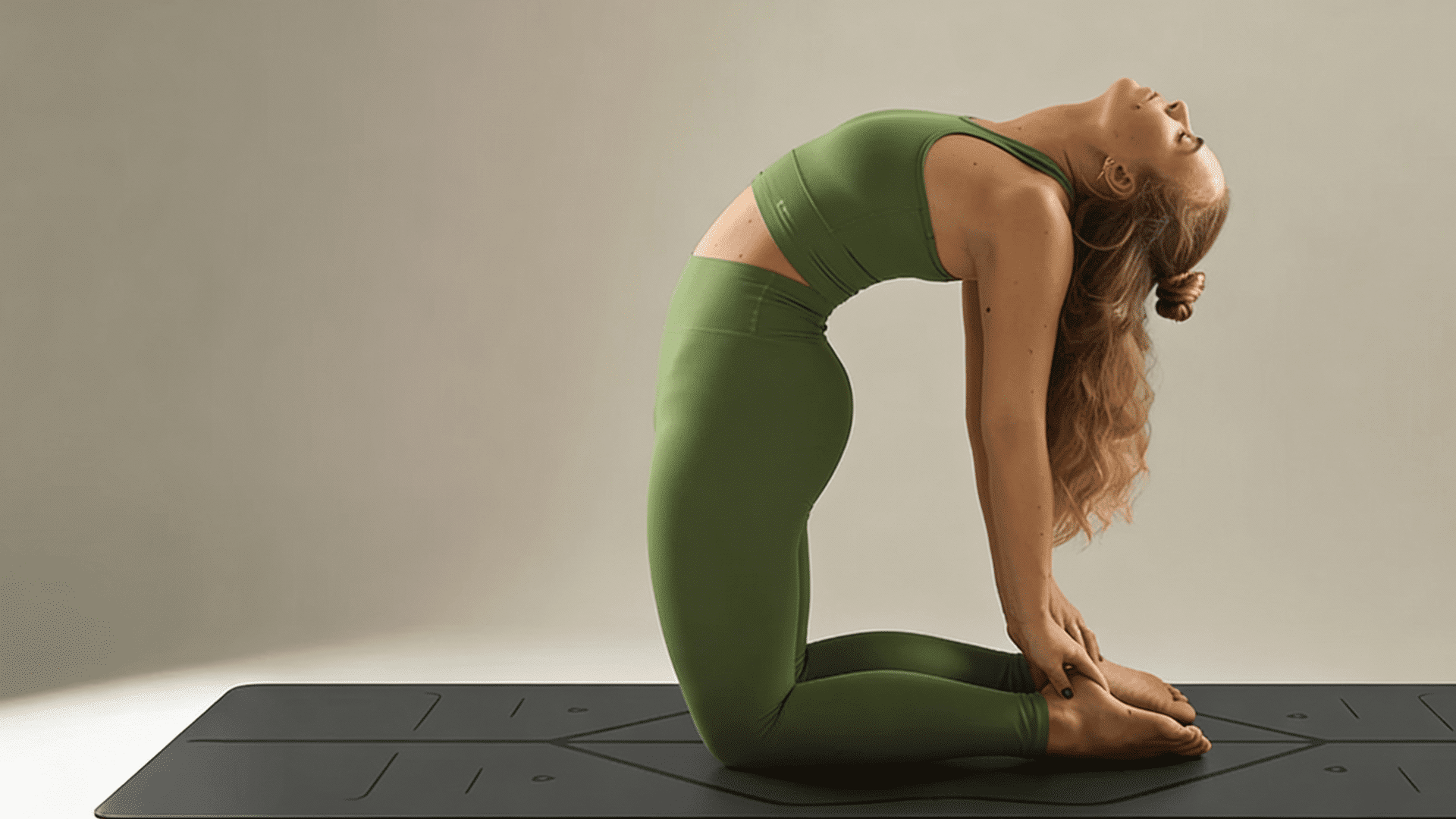
Stand with your hands on your lower back for support. Lean back slightly and look up.
Don’t overdo it, just a gentle arch. This counters all the forward bending we do daily. It opens your abs safely.
Safety Note: Keep the bend small and controlled for protection.
4. Windmill Stretch
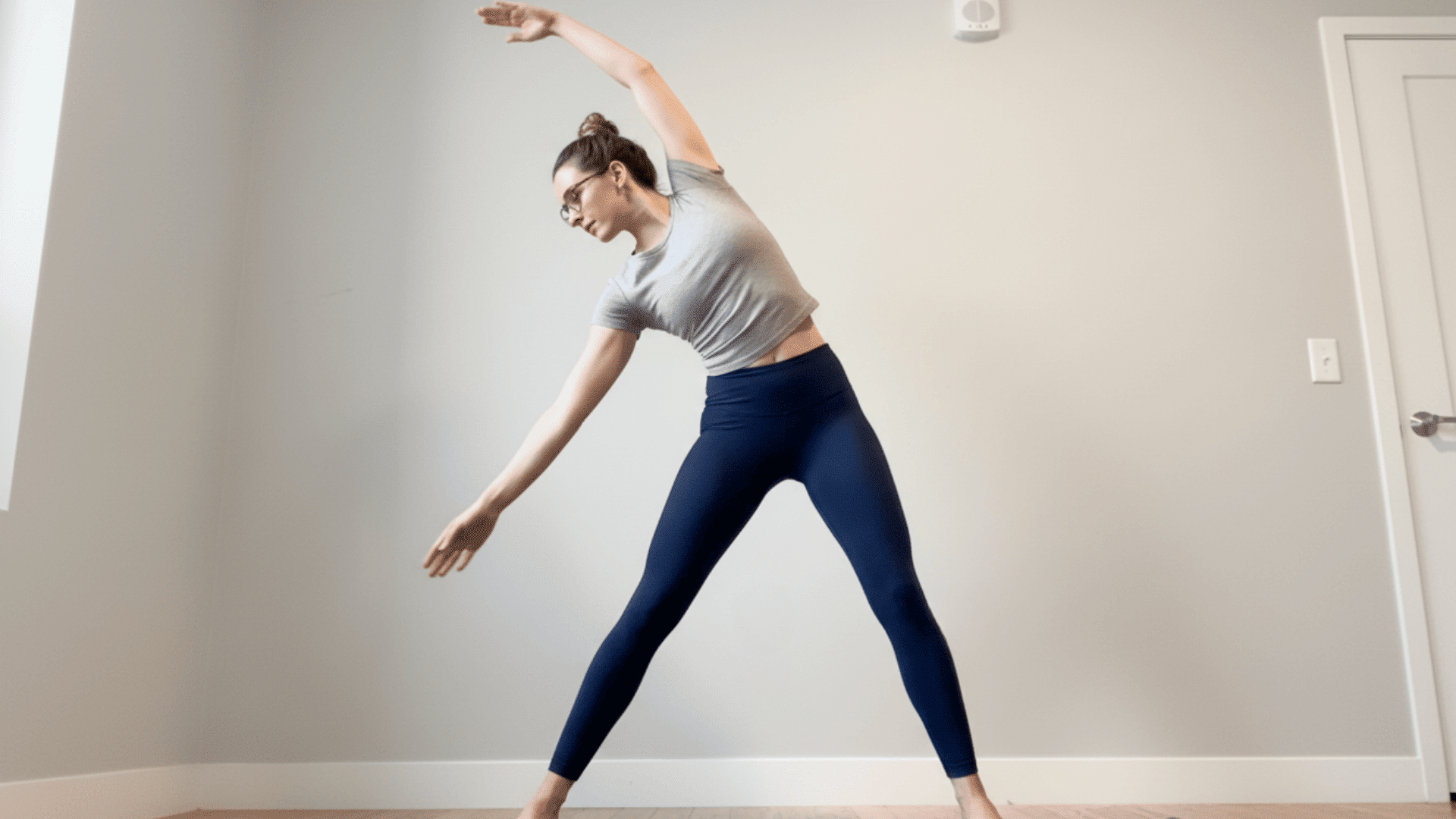
Stand with feet wide and arms extended sideways. Reach one hand toward the opposite foot.
Alternate sides in a slow, controlled motion. This stretch works your obliques and hamstrings together. It’s simple but highly effective.
Movement Mastery: Do 8 alternating reaches for better mobility.
Core Stretches for Flexibility
Build overall core flexibility with these specific exercises that anyone can do.
5. Butterfly Stretch
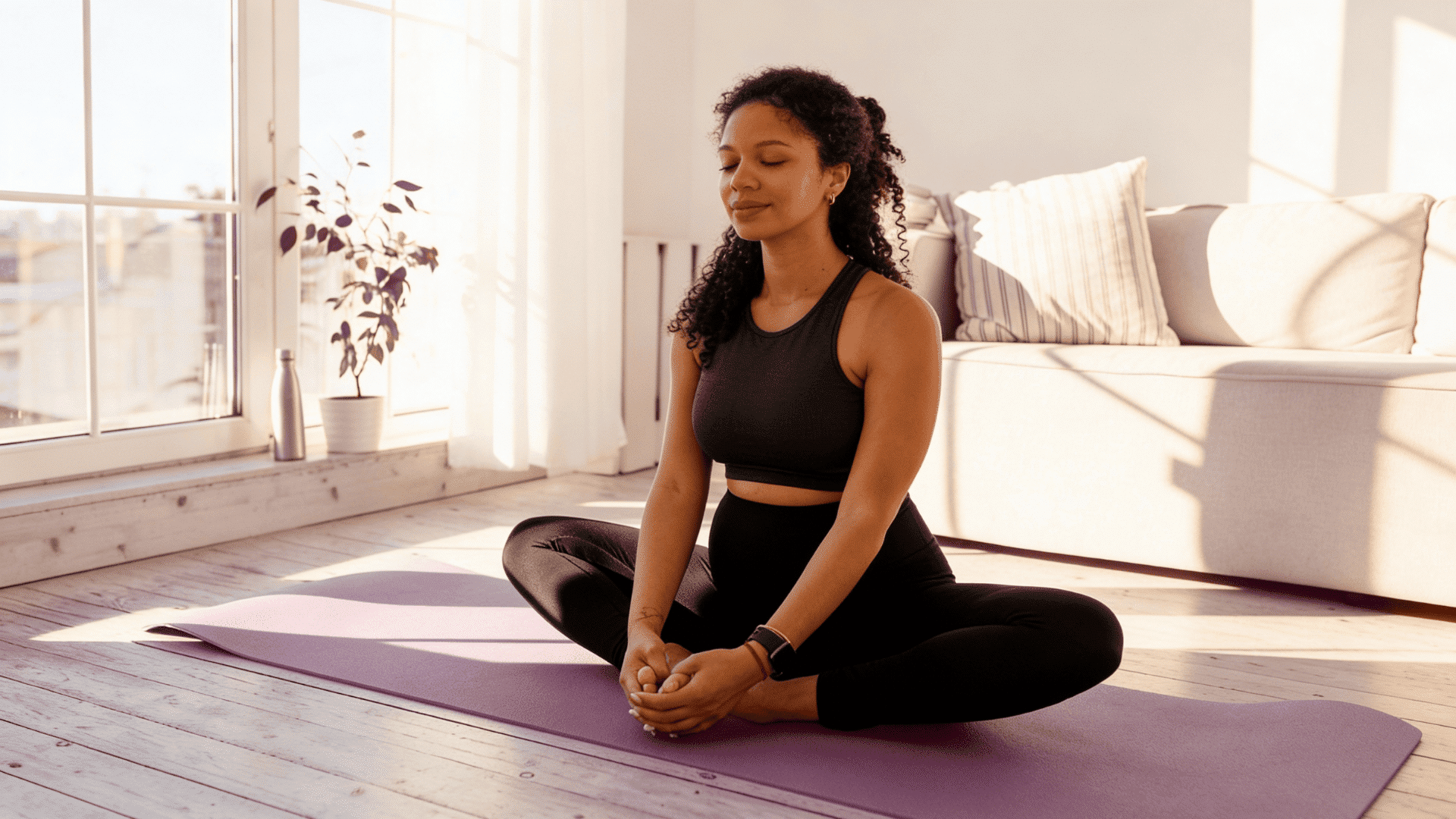
Sit and bring the soles of your feet together. Let your knees fall to the sides. Lean forward gently if you can.
This stretch opens your hips, which connect directly to your core. Tight hips restrict core movement.
Hip Helper: Hold for 30 seconds to release hip tension.
6. Rolling Like a Ball
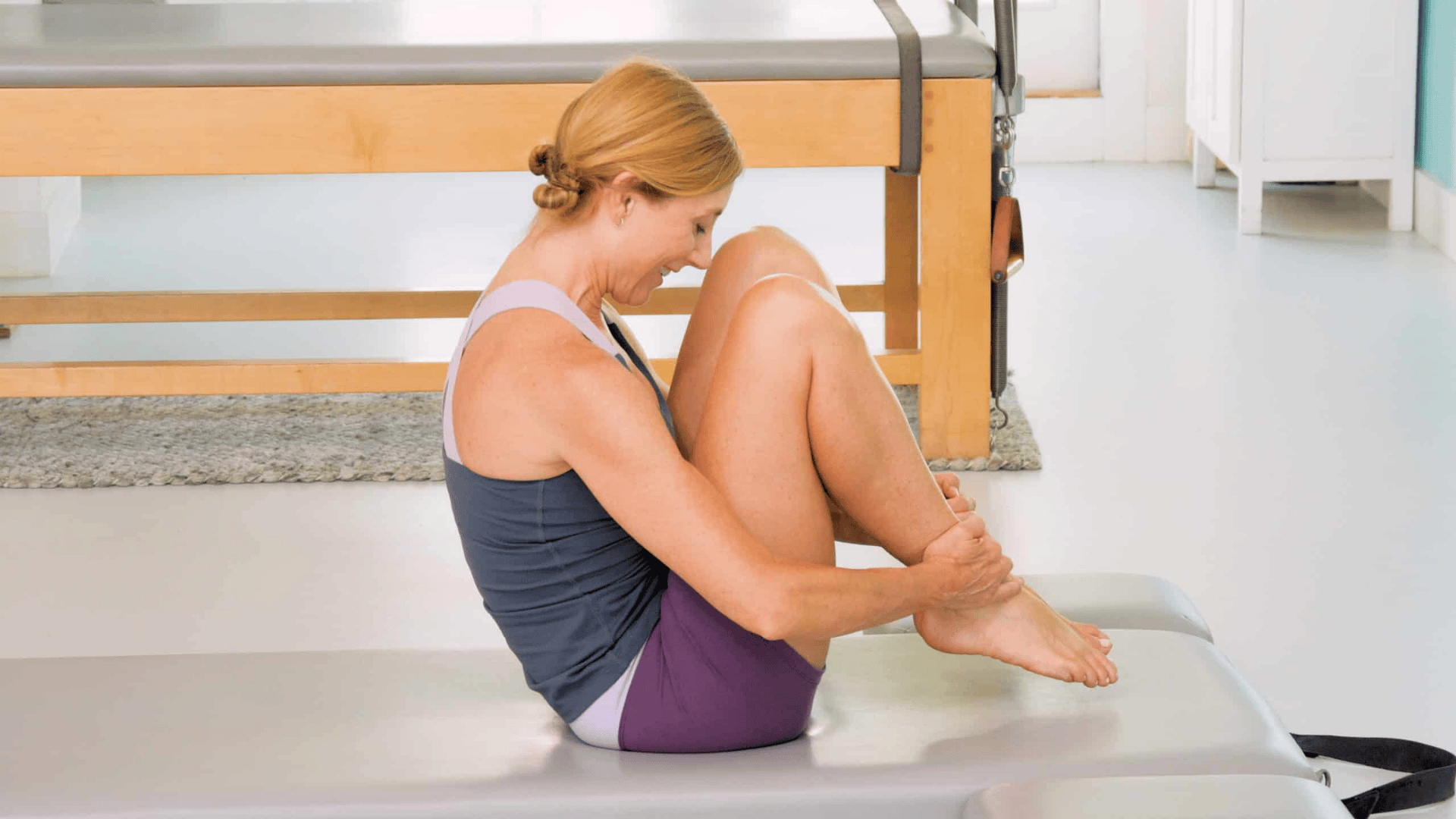
Sit and hug your knees to your chest. Rock gently backward and forward along your spine.
This playful movement massages your back muscles and improves spinal flexibility. It also strengthens your core as you control the motion.
Massage Magic: Roll 8-10 times for a spine massage.
7. Toe Touch Progression
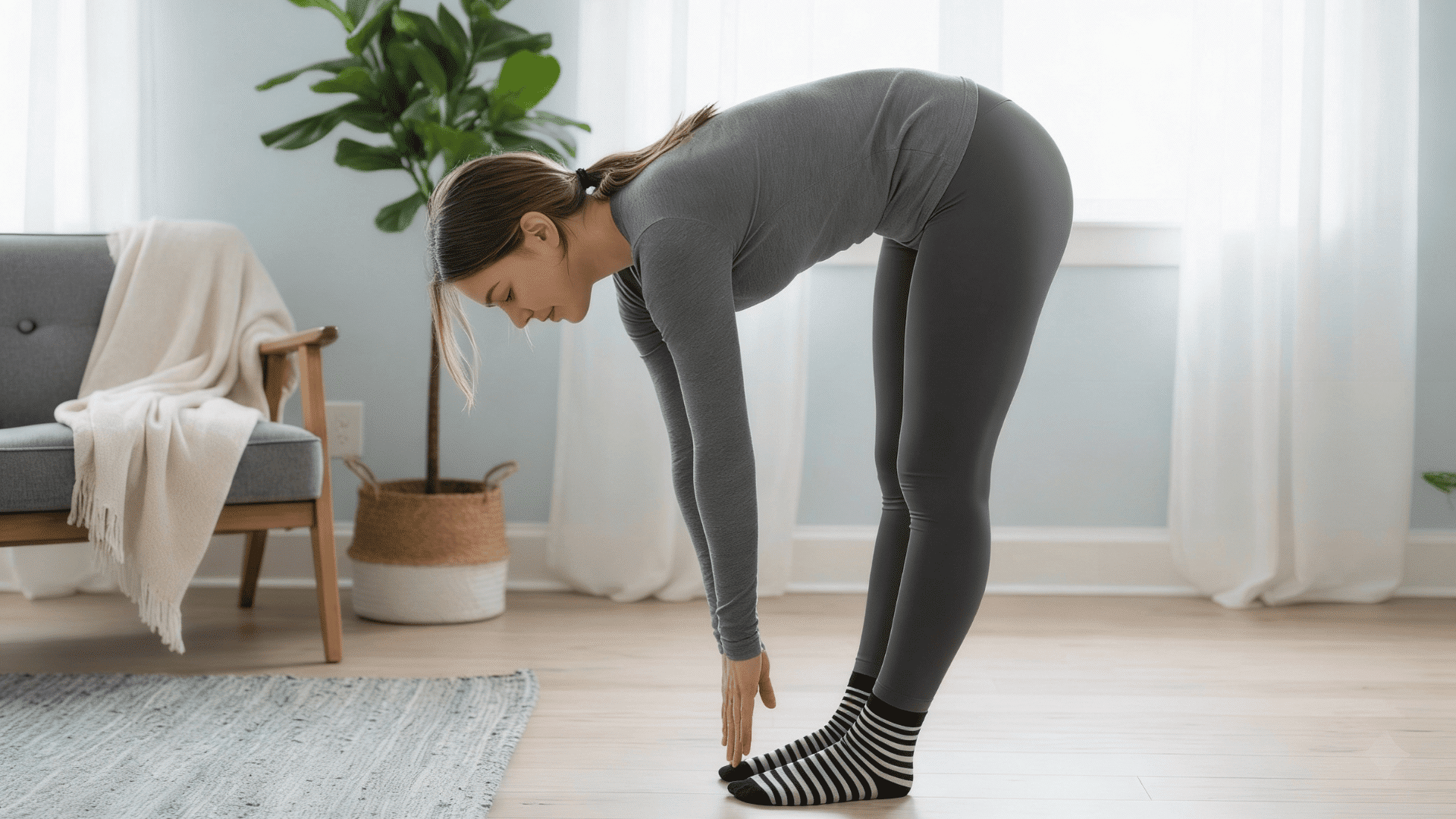
Stand and reach toward your toes. Bend your knees as much as needed. Don’t force it.
This classic stretch works your entire posterior chain. Over time, you’ll reach further as your flexibility improves.
Progress Principle: Hold for 20 seconds and go a bit deeper daily.
8. Quadruped Limb Lifts
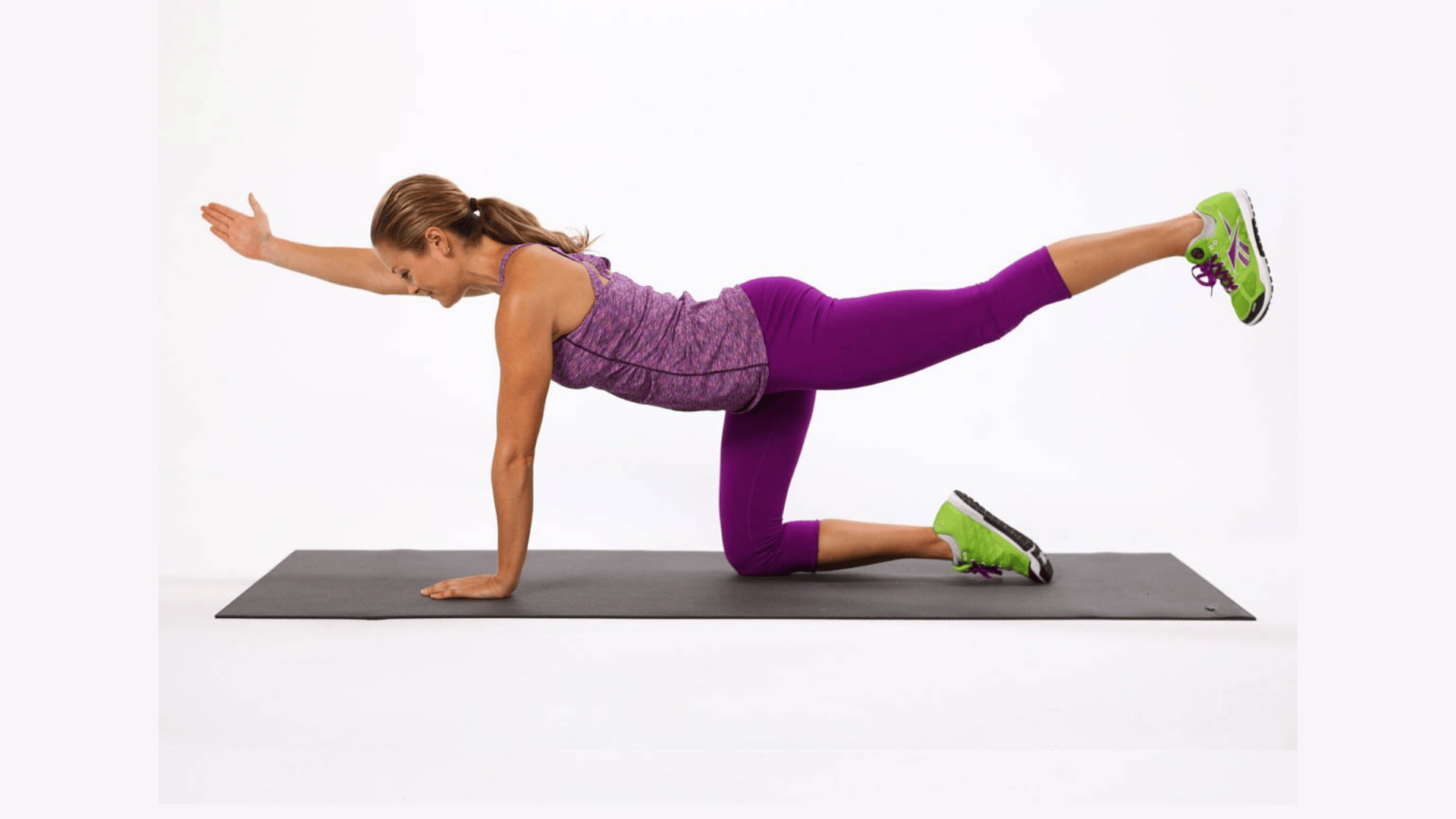
Start on hands and knees. Extend one arm forward and the opposite leg back.
Hold steady. This stretch challenges your core stability while lengthening your body. It improves coordination and balance simultaneously.
Balance Booster: Hold each side for 10 seconds without wobbling.
Core Stretches for Abs
Target your abdominal muscles with these simple stretches that release tension in your front body.
9. Standing Abs Opener
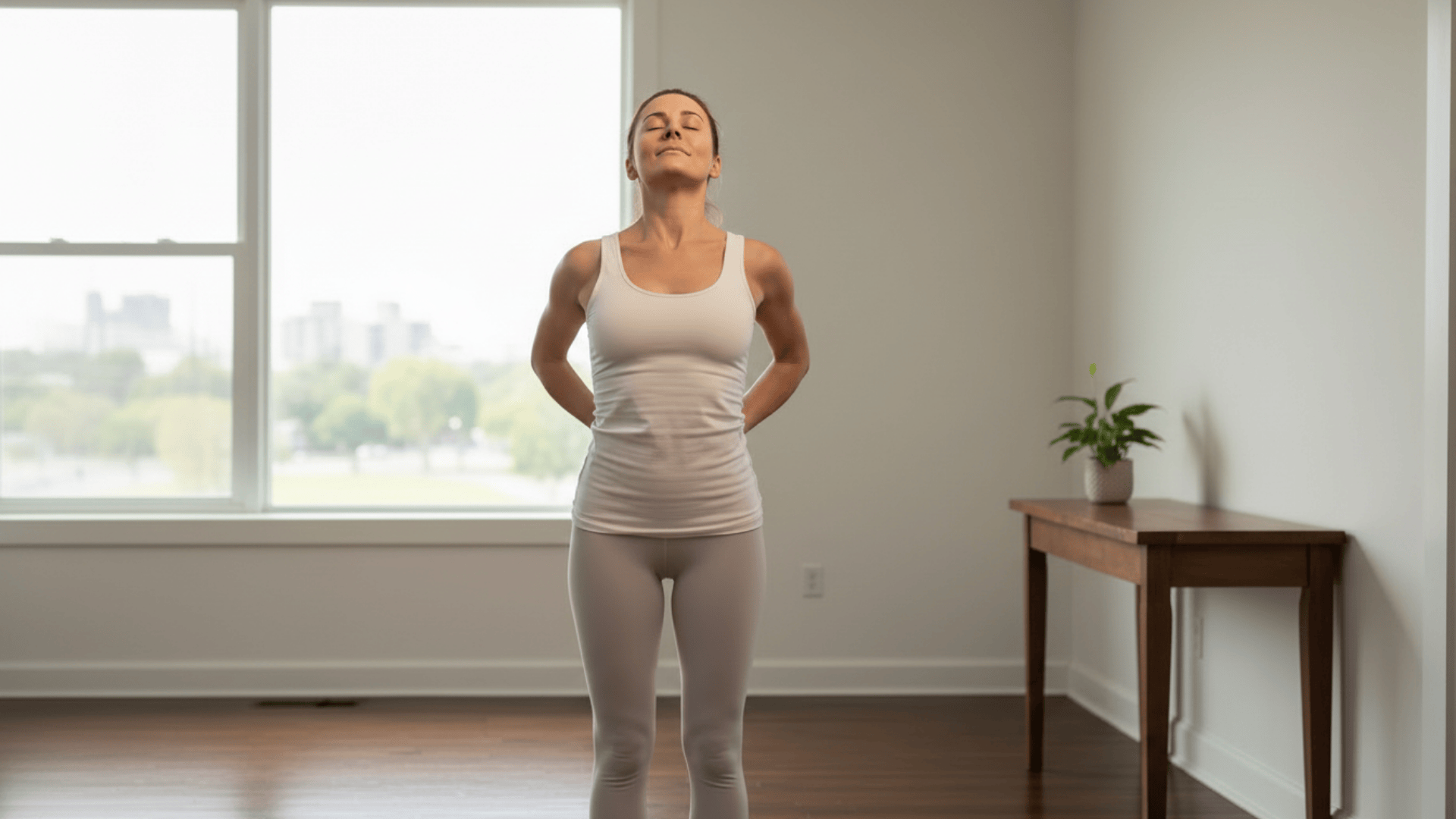
Stand and clasp your hands behind your back. Lift your chest and squeeze your shoulder blades together.
This opens your abs and chest. It counteracts hunching and releases tension from sitting all day.
Posture Power: Hold for 15 seconds to open your front body.
10. Kneeling Reach Back
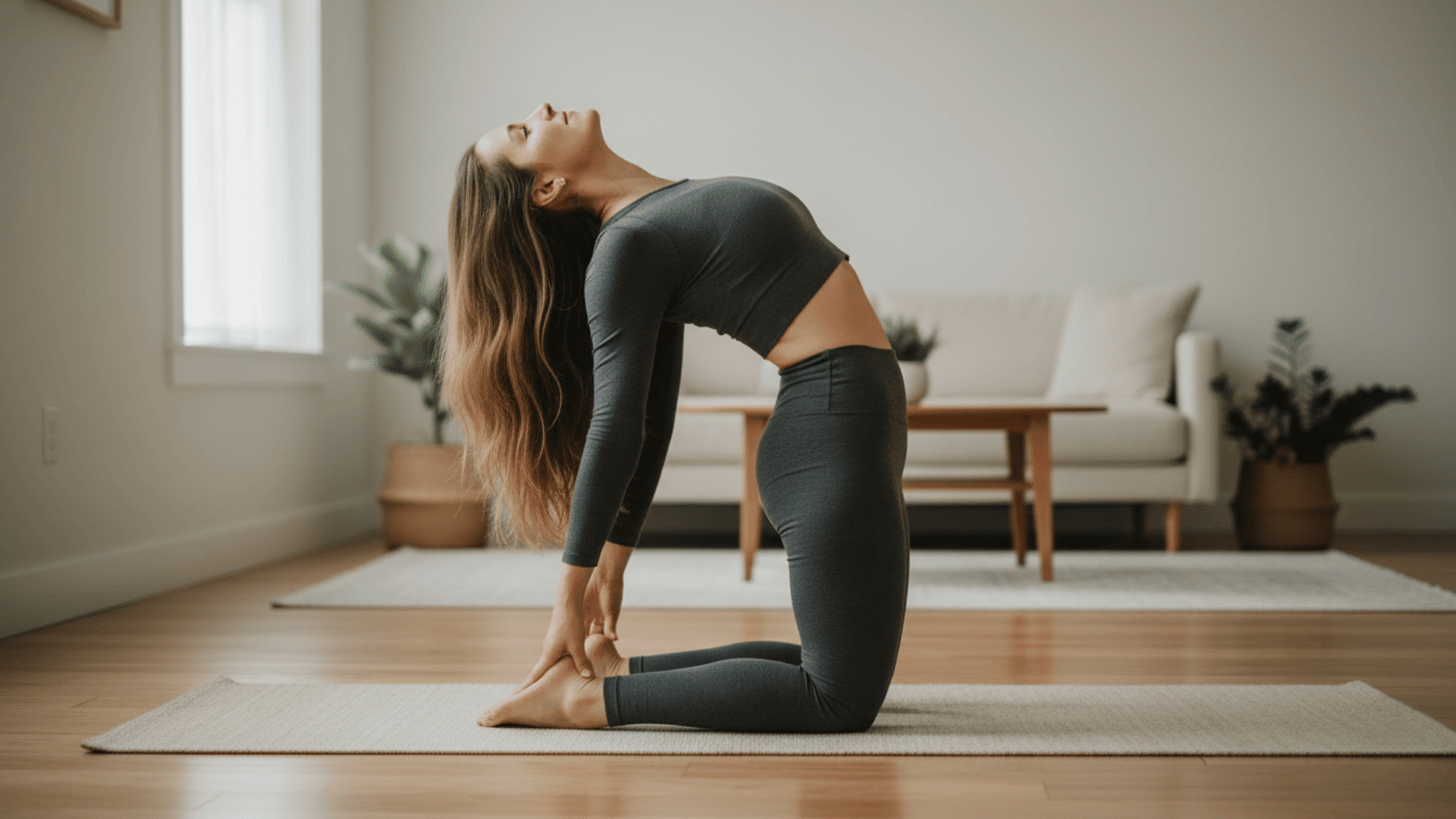
Kneel upright and slowly reach your hands back toward your heels.
Arch your back gently. This opens your abs, hip flexors, and quads. It feels liberating after being curled forward.
Opening Opportunity: Hold for 12 seconds without straining your neck.
11. Supine Arm Overhead
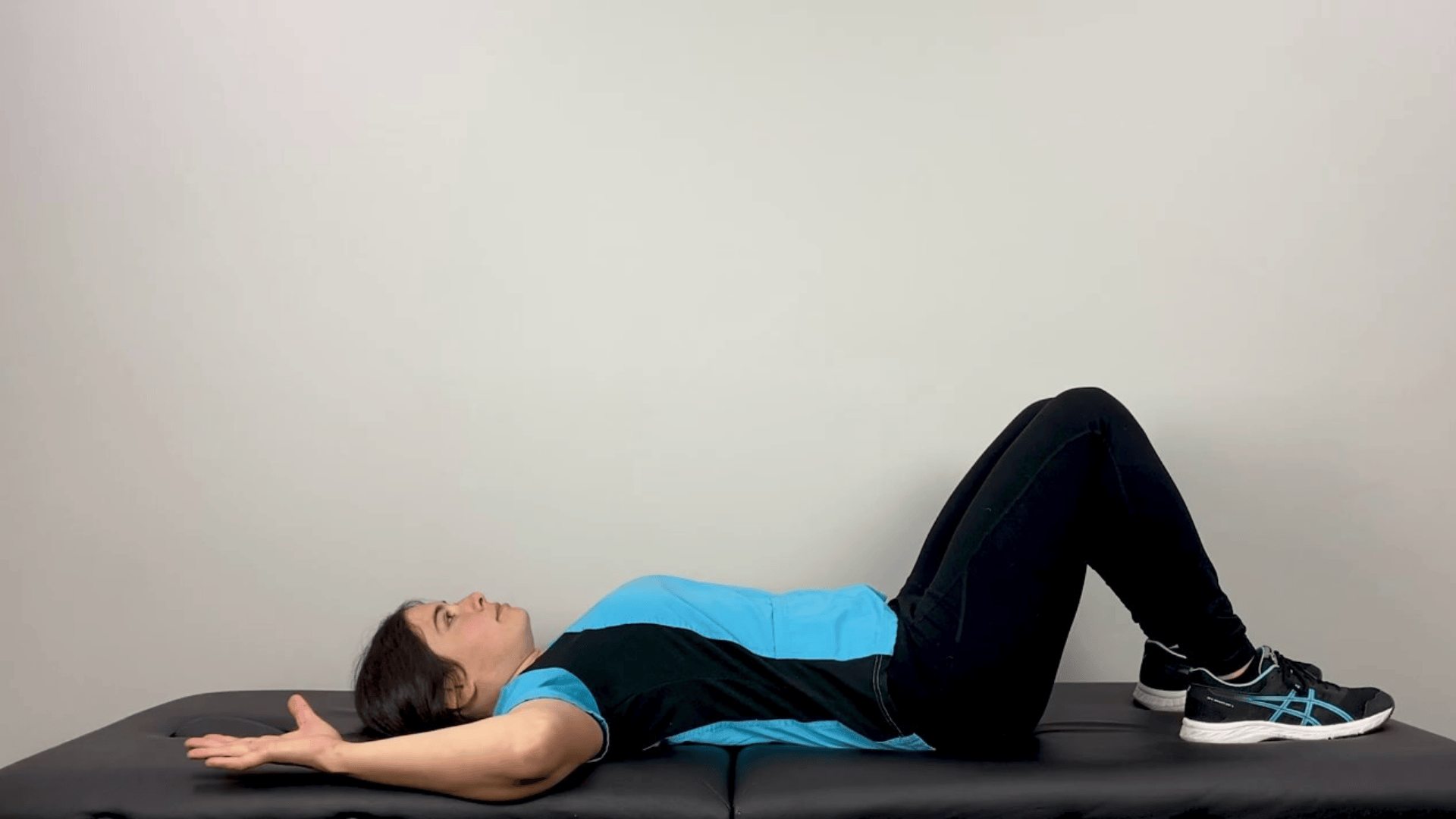
Lie flat and extend both arms overhead. Point your toes and stretch long.
Make yourself as tall as possible. This full-body stretch lengthens your abs and decompresses your spine. It’s refreshing first thing in the morning.
Morning Motivator: Stretch for 10 seconds as soon as you wake up.
12. Side Plank Stretch
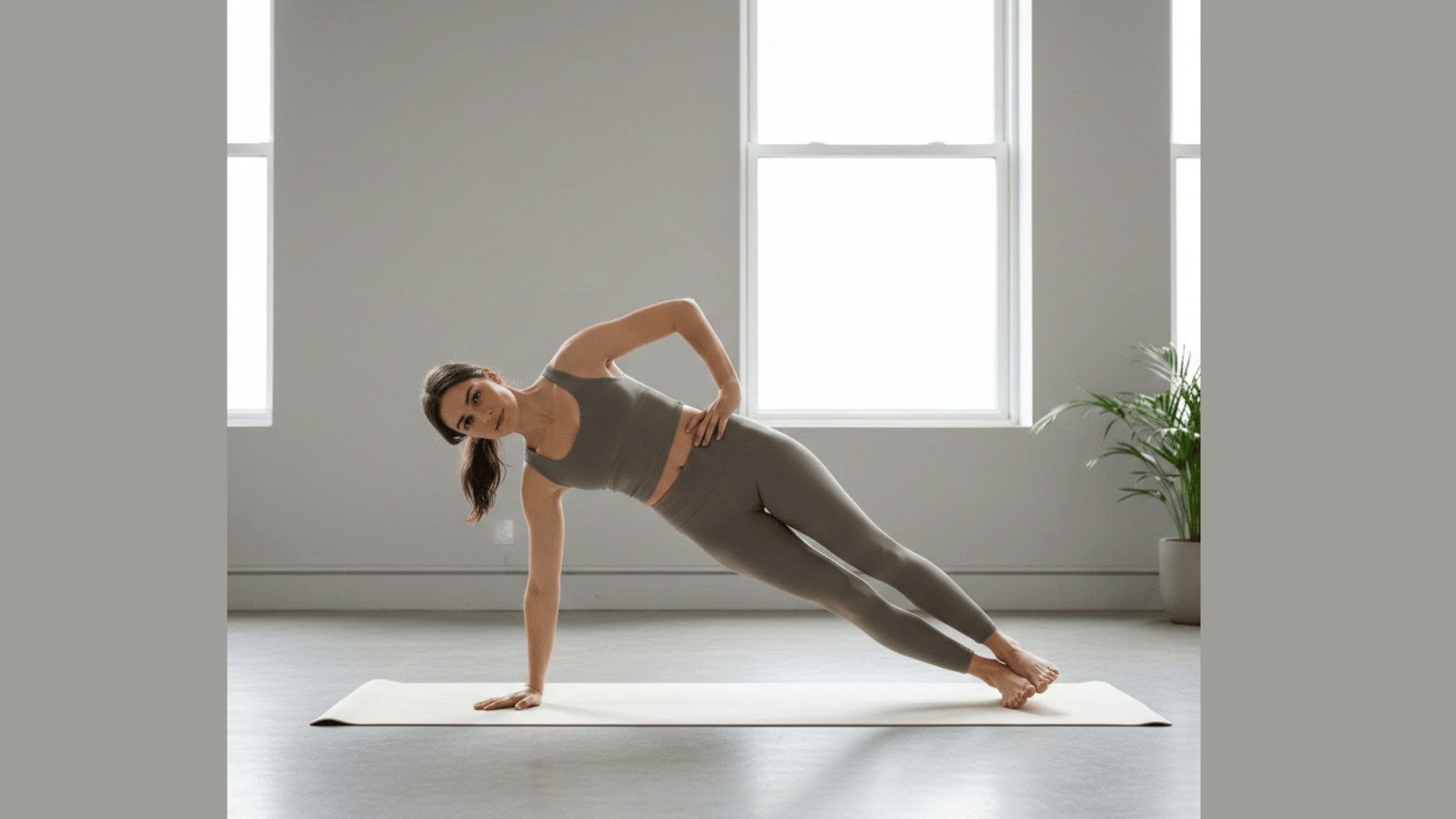
Get into a side plank, but let your top hip drop slightly. Feel the stretch along your side body. This active stretch works your obliques while opening them up. It builds strength and flexibility together.
Dual Benefit: Hold 8 seconds each side for strength and stretch.
13. Reverse Plank
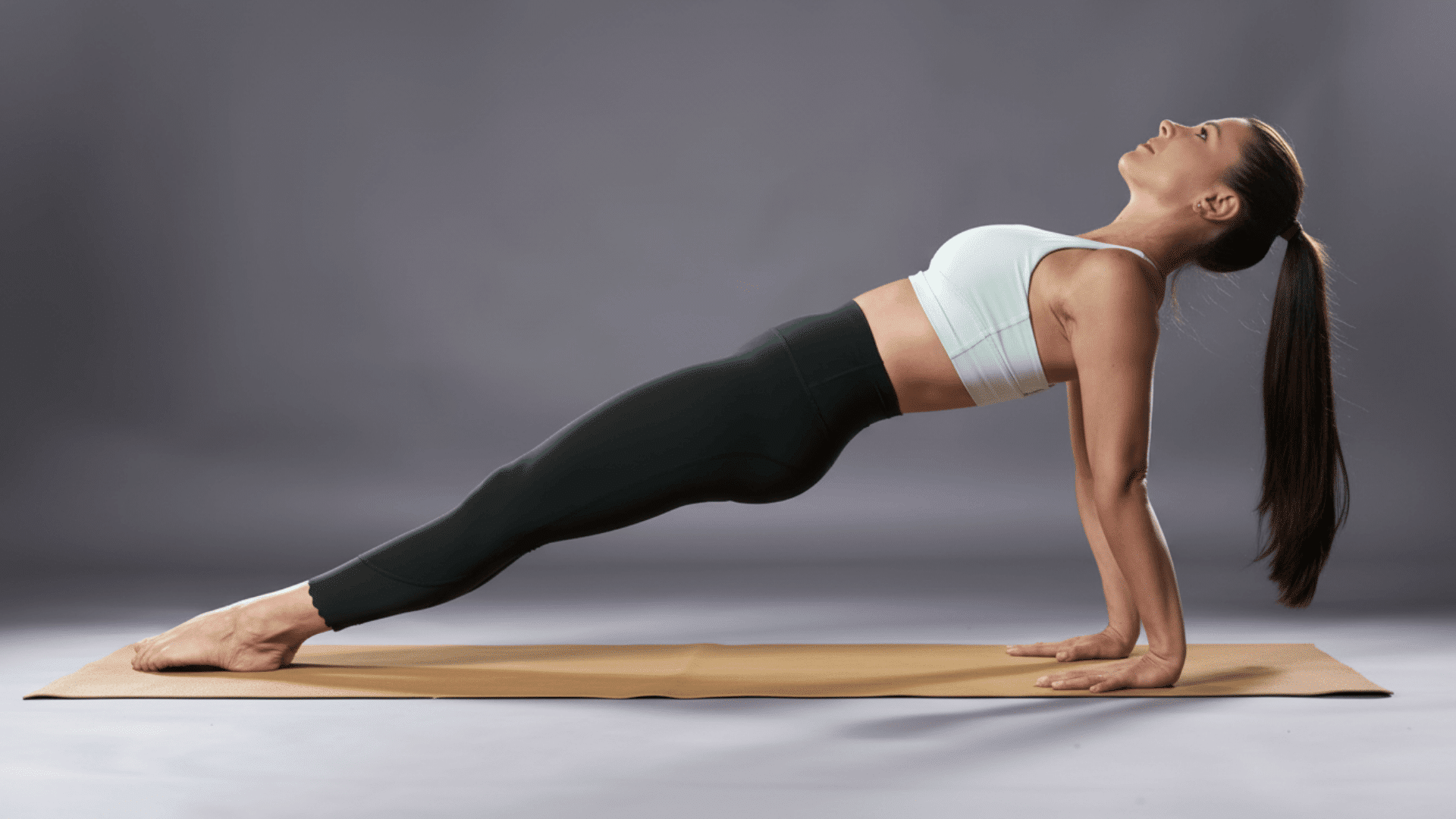
Sit with legs extended and hands behind you. Lift your hips toward the ceiling. Your body forms a reverse tabletop.
This stretch opens your entire front body powerfully. It also strengthens your back muscles.
Full-Front Formula: Hold for 10 seconds to open chest and abs.
Core Stretches for Back Pain Relief
Ease back discomfort with these simple, pain-relieving stretches that require no special skills.
14. Wall Sit Stretch
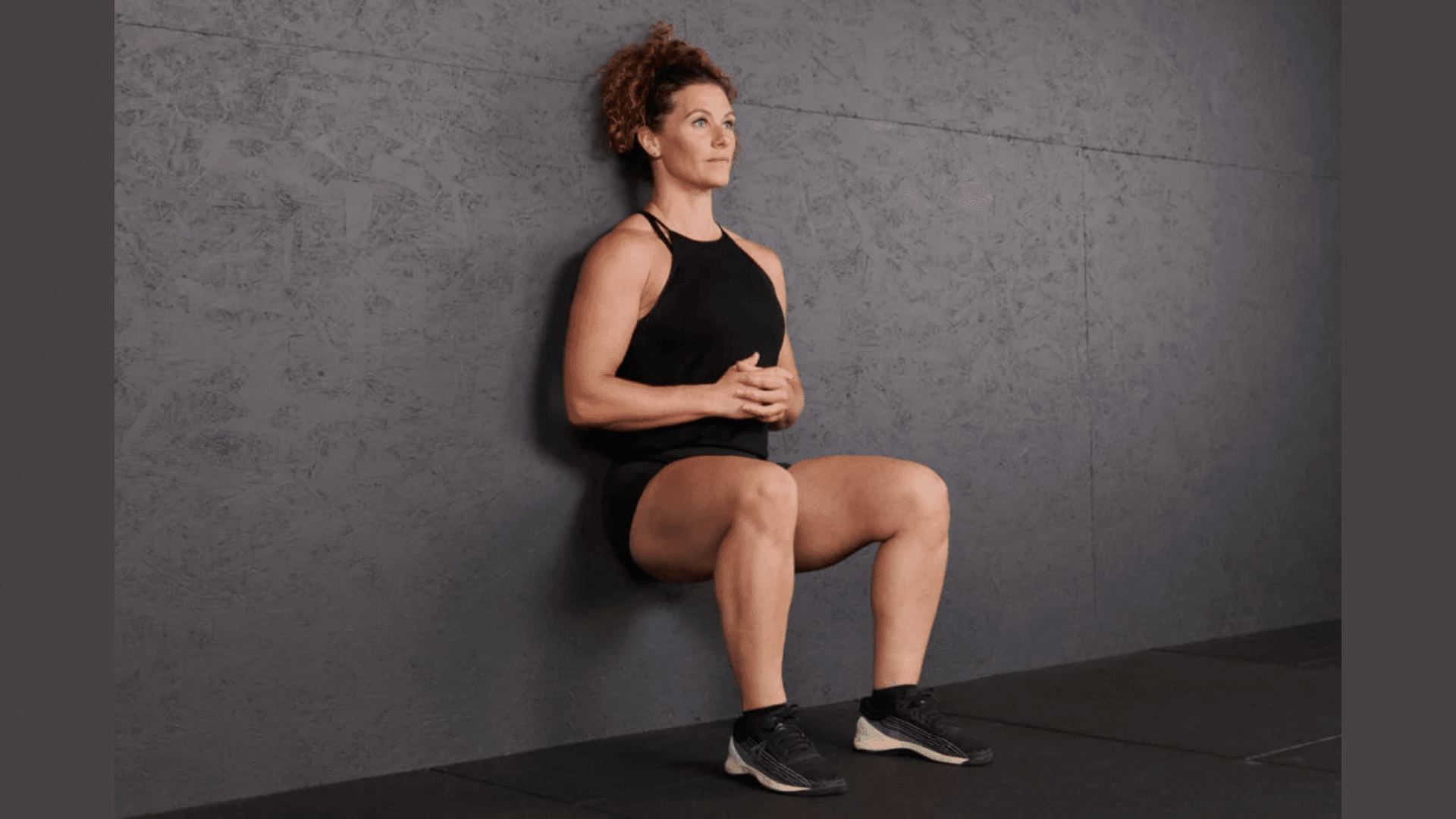
Sit against a wall with knees bent at 90 degrees. Slide down until you feel your back flat against the wall.
This position decompresses your spine while gently engaging your core. It provides relief and strength.
Back-Saver Benefit: Hold for 20 seconds for spinal decompression.
15. Figure-4 Stretch
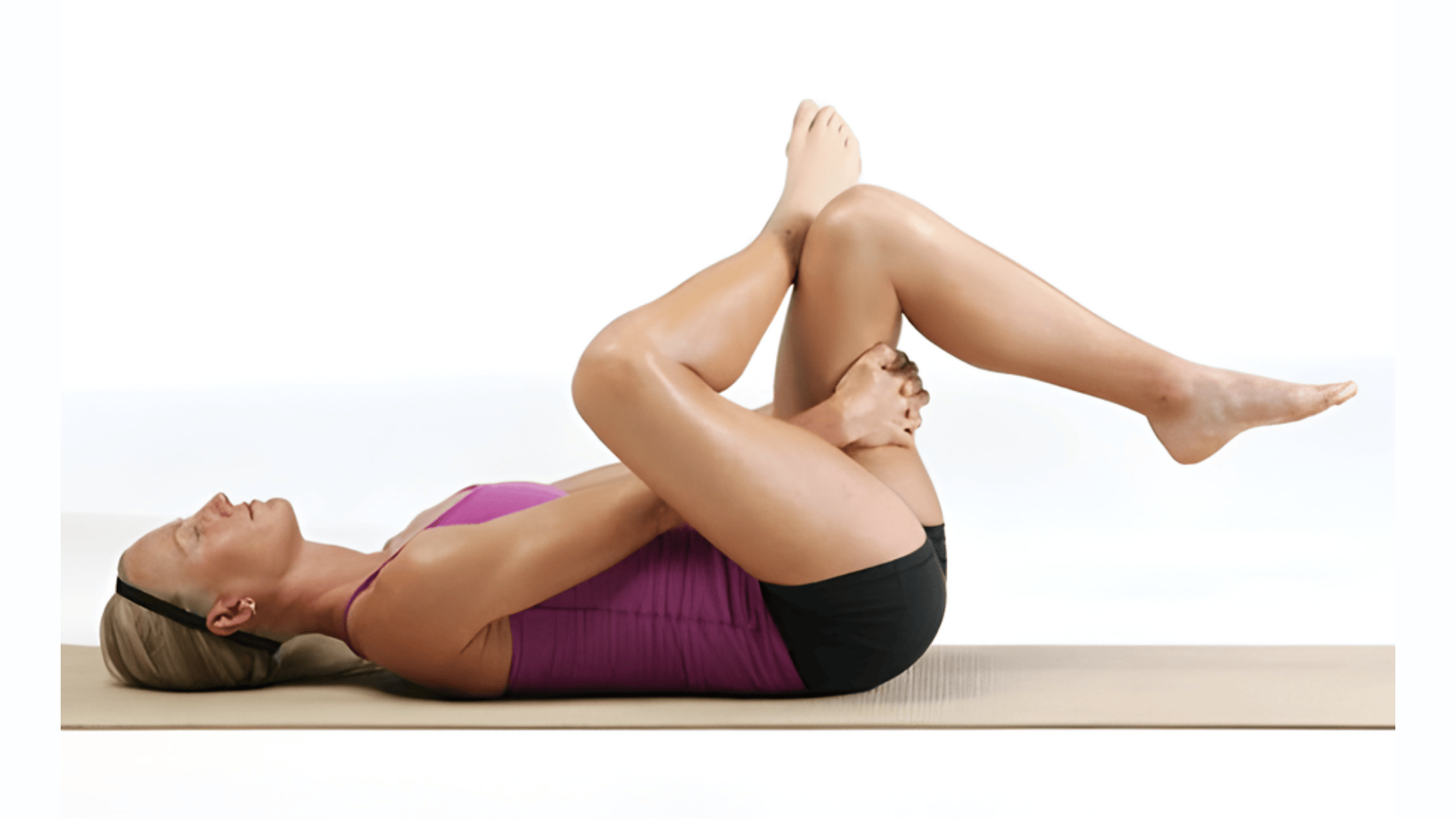
Lie on your back and cross one ankle over the opposite knee.
Pull the bottom leg toward you. This stretches your glutes and piriformis muscles. These muscles often contribute to lower back pain when tight.
Pain-Relief Plan: Hold 30 seconds on each side for sciatic relief.
16. Happy Baby Pose
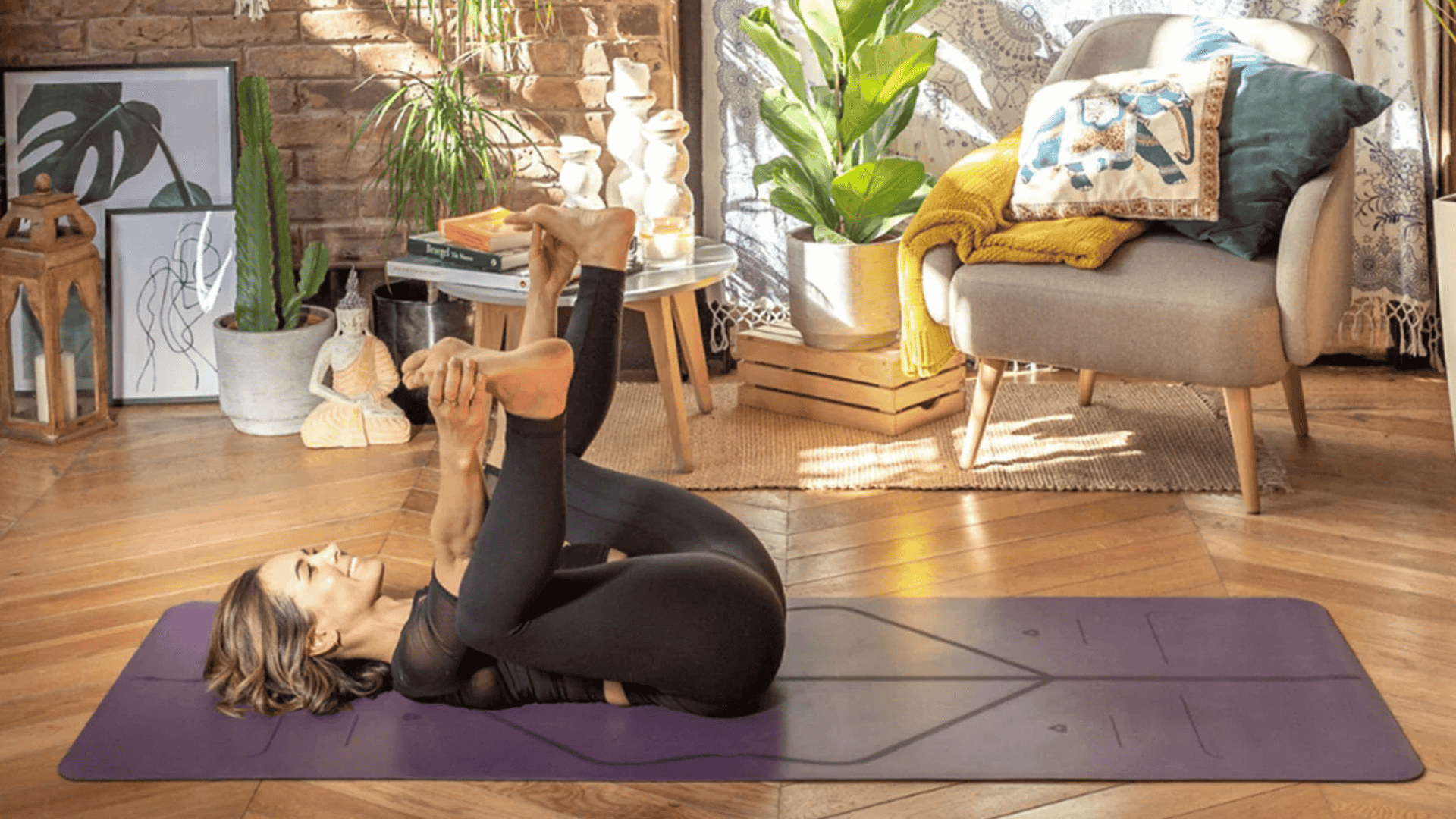
Lie on your back and grab the outsides of your feet. Pull your knees toward your armpits.
Rock gently side to side if it feels good. This stretch releases your entire lower back and hips. It’s calming and therapeutic.
Soothing Strategy: Rock gently for 30 seconds for back relief.
17. Modified Pigeon Pose
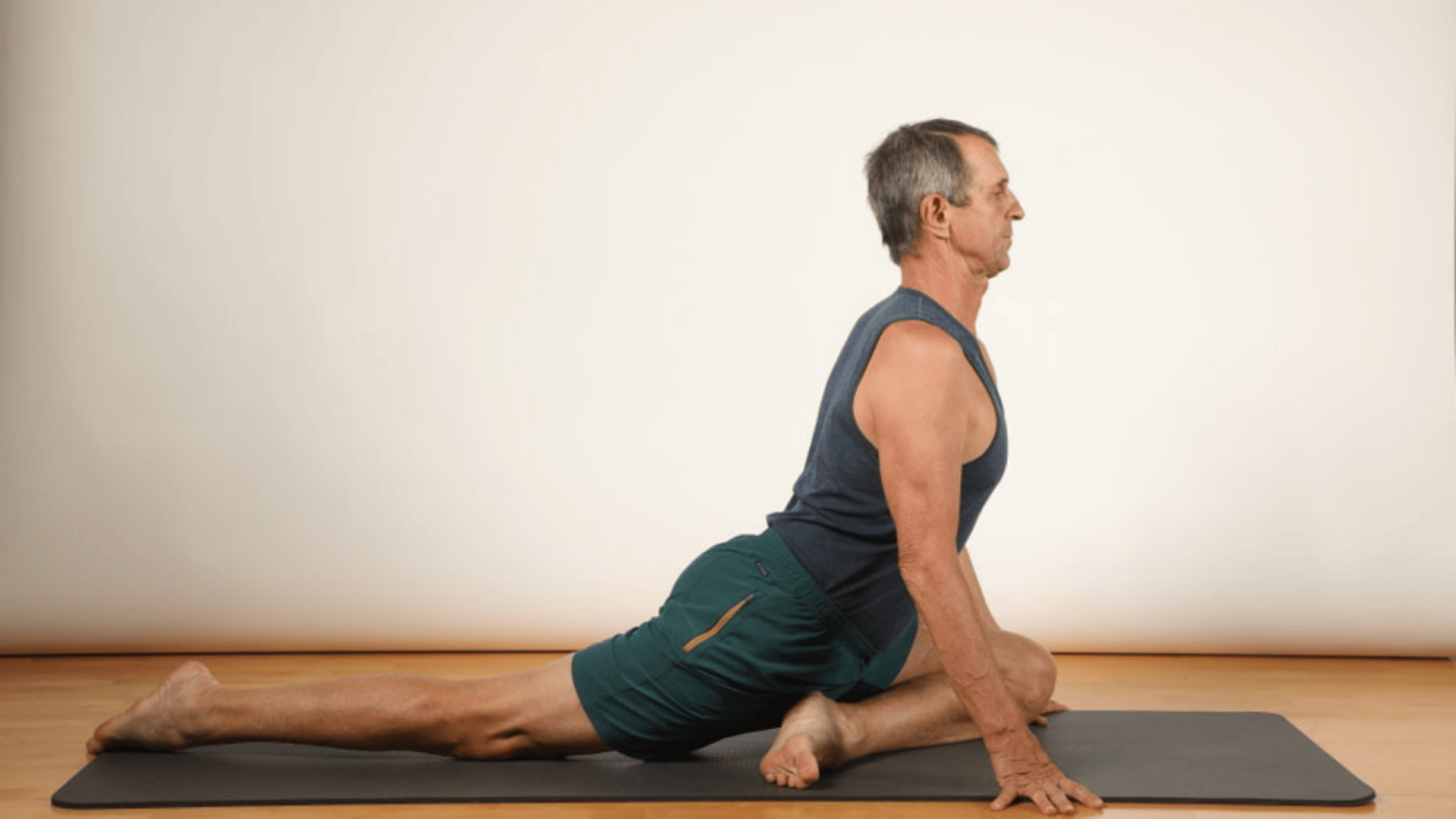
Sit in a chair and cross one ankle over your opposite knee.
Lean forward gently. This seated version of the pigeon stretch is accessible for everyone. It opens your hips and relieves lower back tightness.
Chair Champion: Hold 25 seconds each side while sitting anywhere.
18. Pelvic Clock
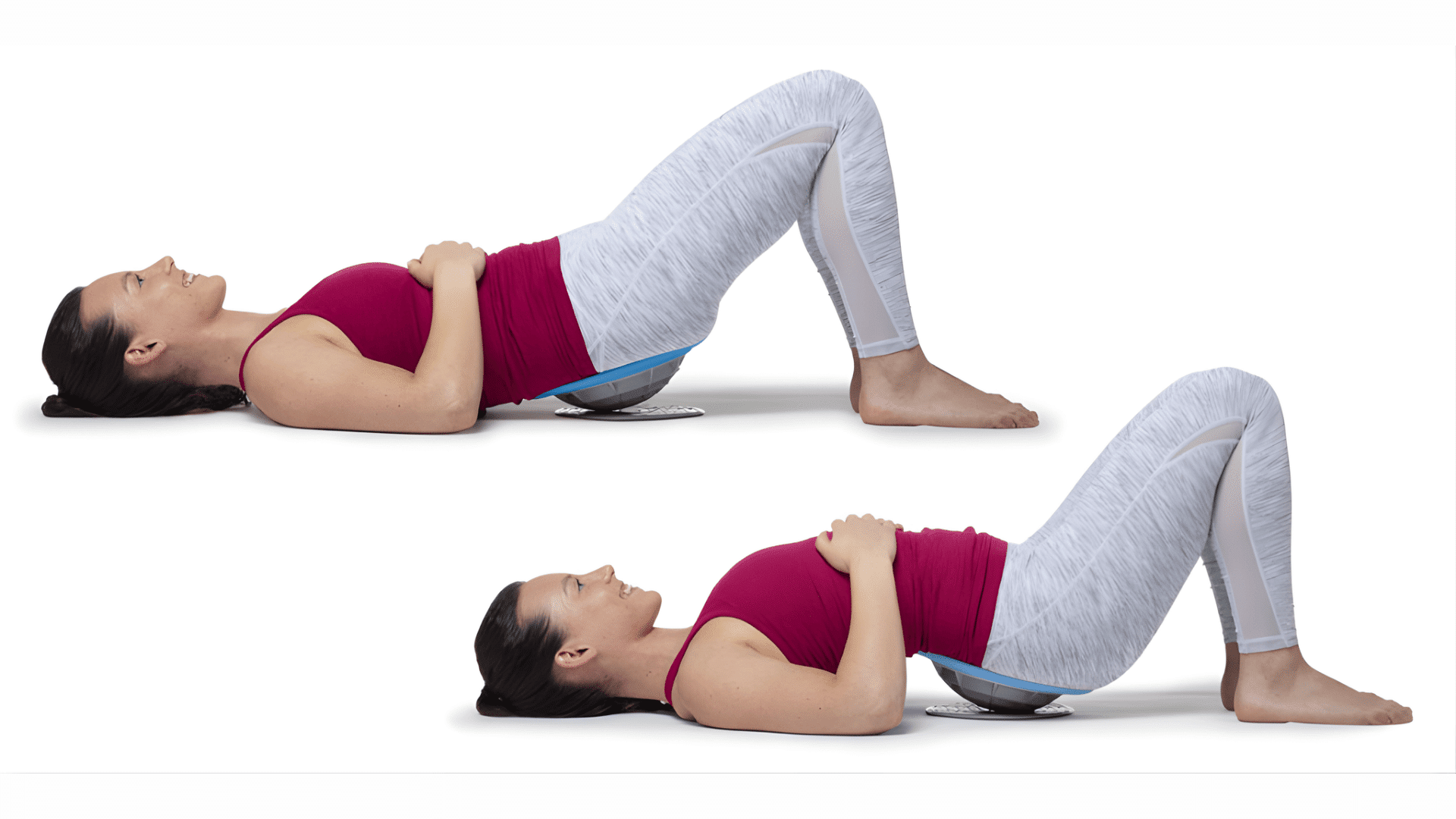
Lie on your back with knees bent. Gently rock your pelvis in all directions like a clock.
Move to 12 o’clock, 3, 6, and 9. This subtle movement lubricates your lower back joints and eases stiffness.
Lubrication Logic: Circle 5 times each direction for joint health.
Core Stretches to Reduce Muscle Soreness
Speed up recovery and reduce that post-workout soreness with these simple stretches.
19. Gentle Twist and Hold
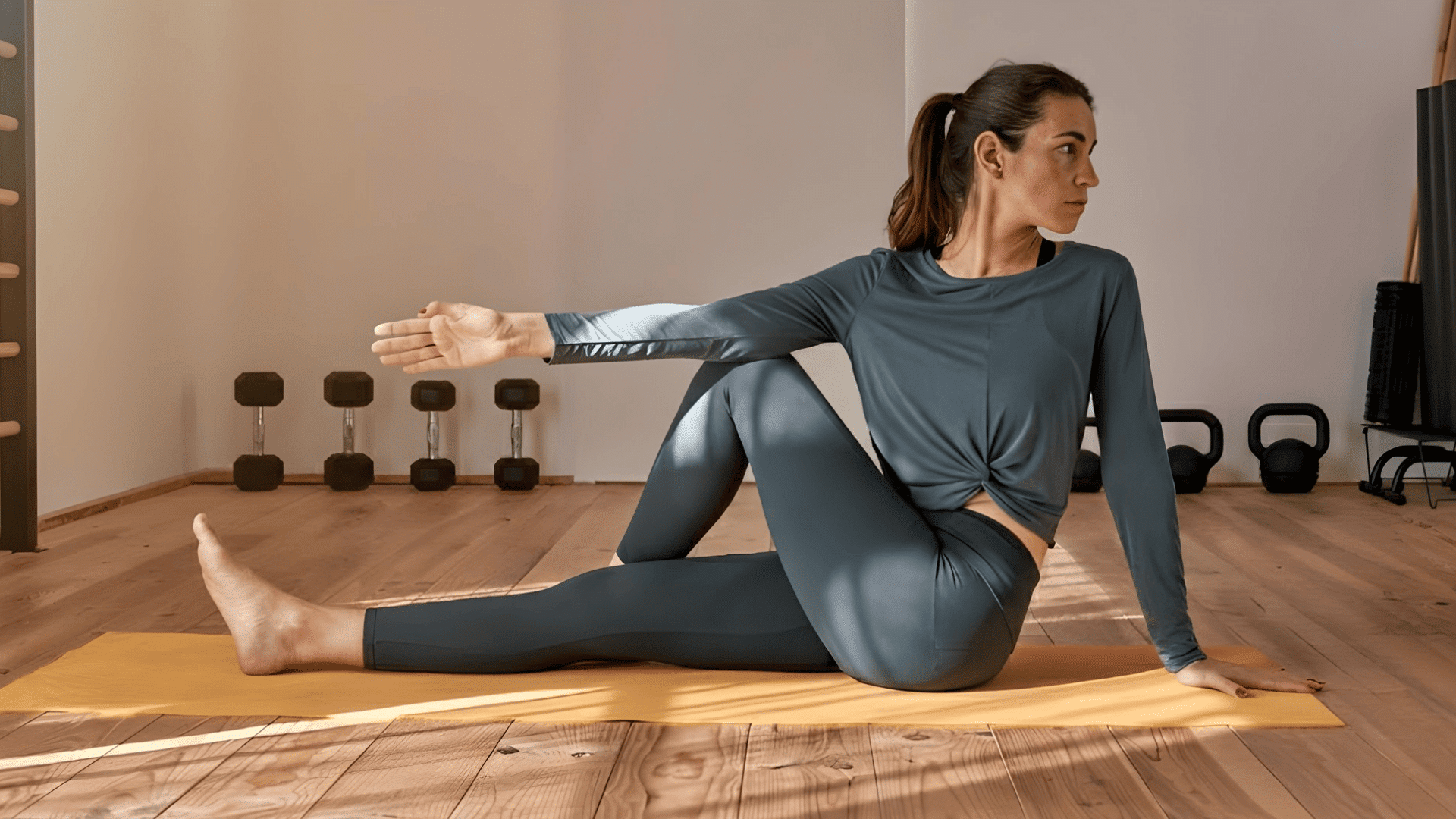
Sit with one leg straight and the other crossed over.
Twist toward the bent knee and breathe. This gentle twist wrings out sore muscles like a towel. It helps flush metabolic waste from tired tissues.
Recovery Recipe: Hold 30 seconds each side after training.
20. Prone Quad Stretch
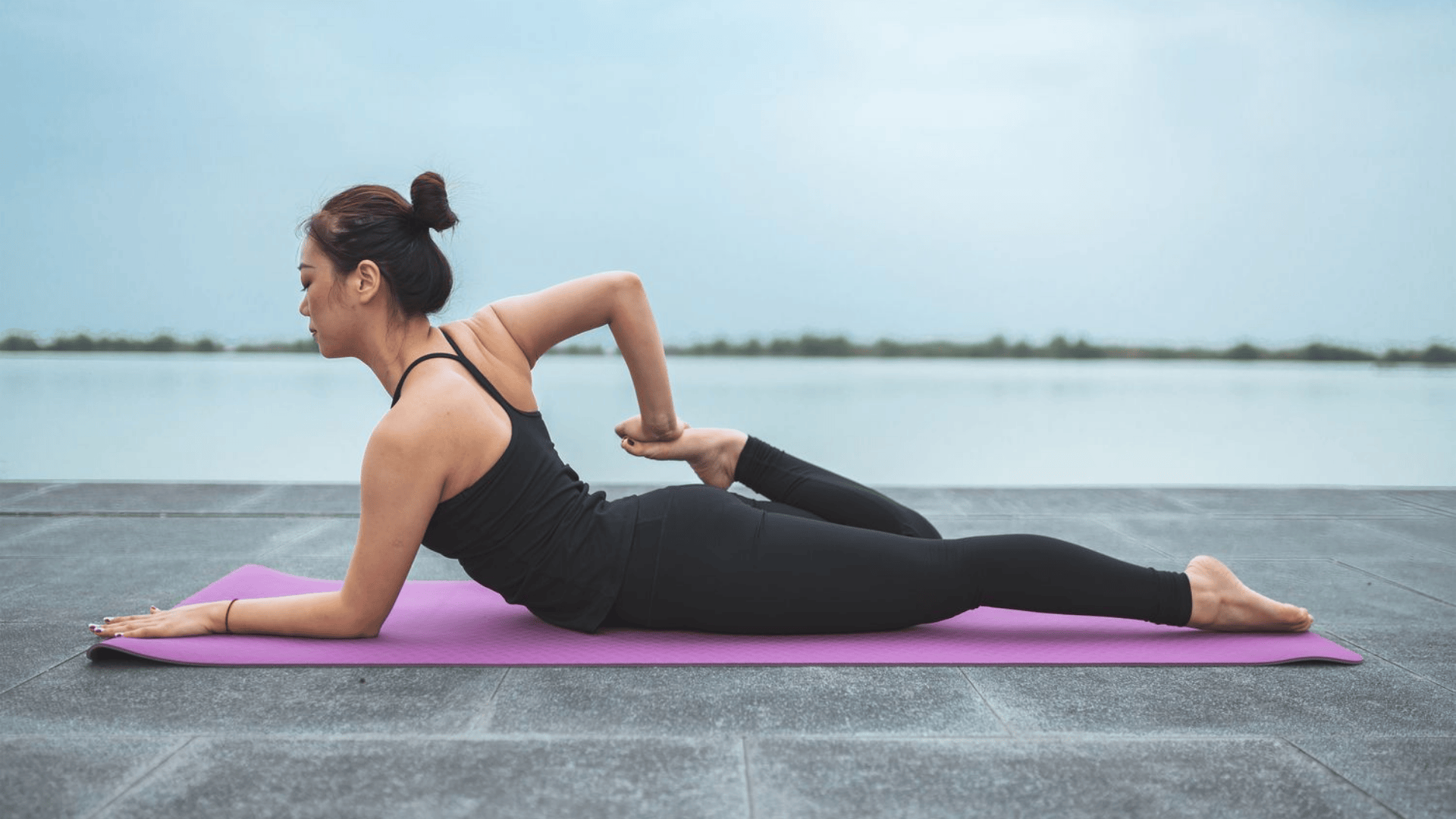
Lie face down and bend one knee. Grab your ankle and pull gently toward your glutes.
This stretches your hip flexors and quads. These muscles connect to your core and often get sore together.
Connection Cure: Hold 15 seconds each leg after leg day.
Core Stretch Exercises for Before and After a Workout
Prepare your muscles before training and help them recover afterward with these universal stretches.
21. Arm Circles
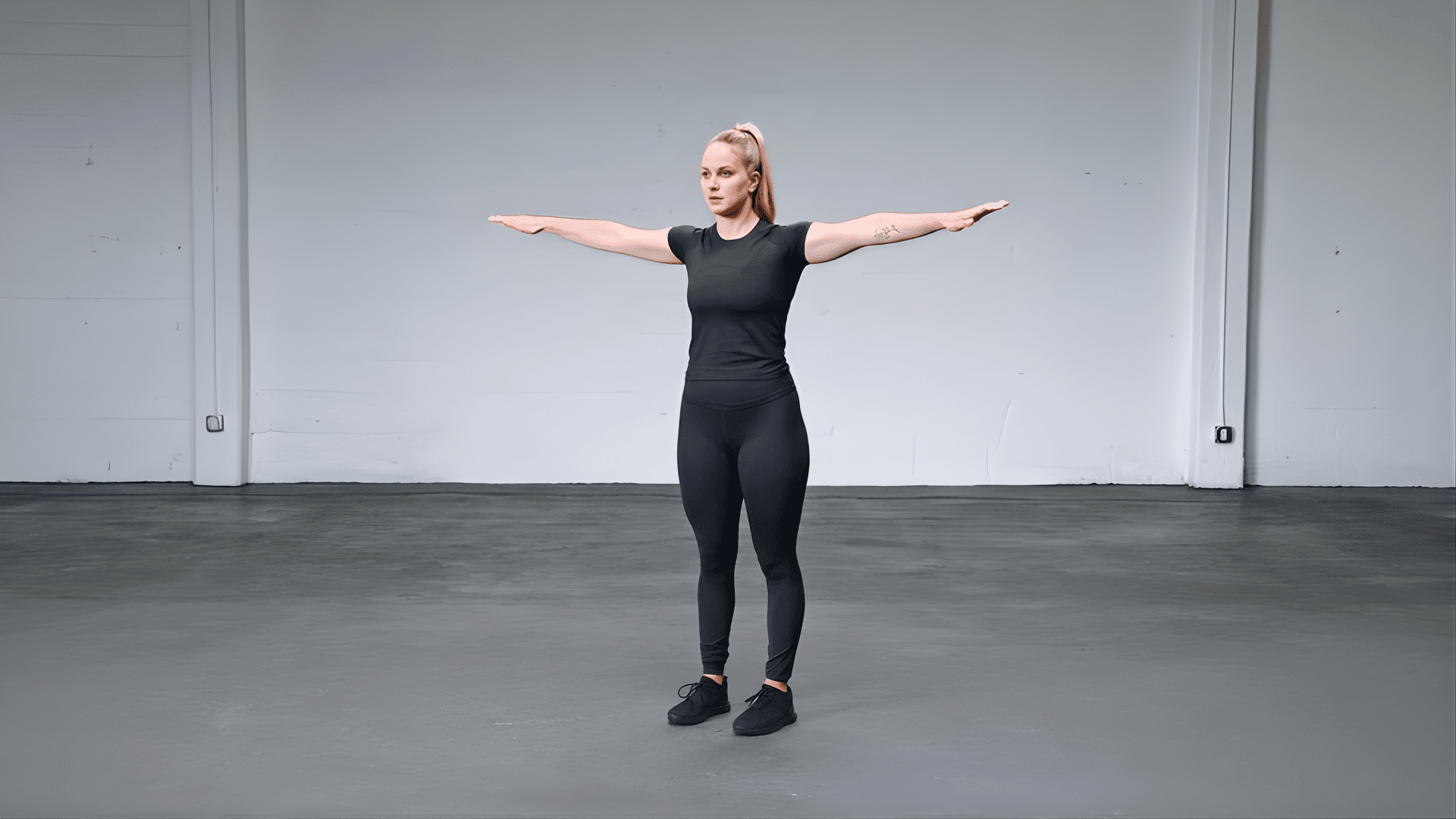
Stand and make large circles with your arms. Go forward, then backward.
This dynamic warm-up prepares your shoulders and upper core. After your workout, do them slowly to cool down.
Circulation Catalyst: Do 10 circles in each direction for blood flow.
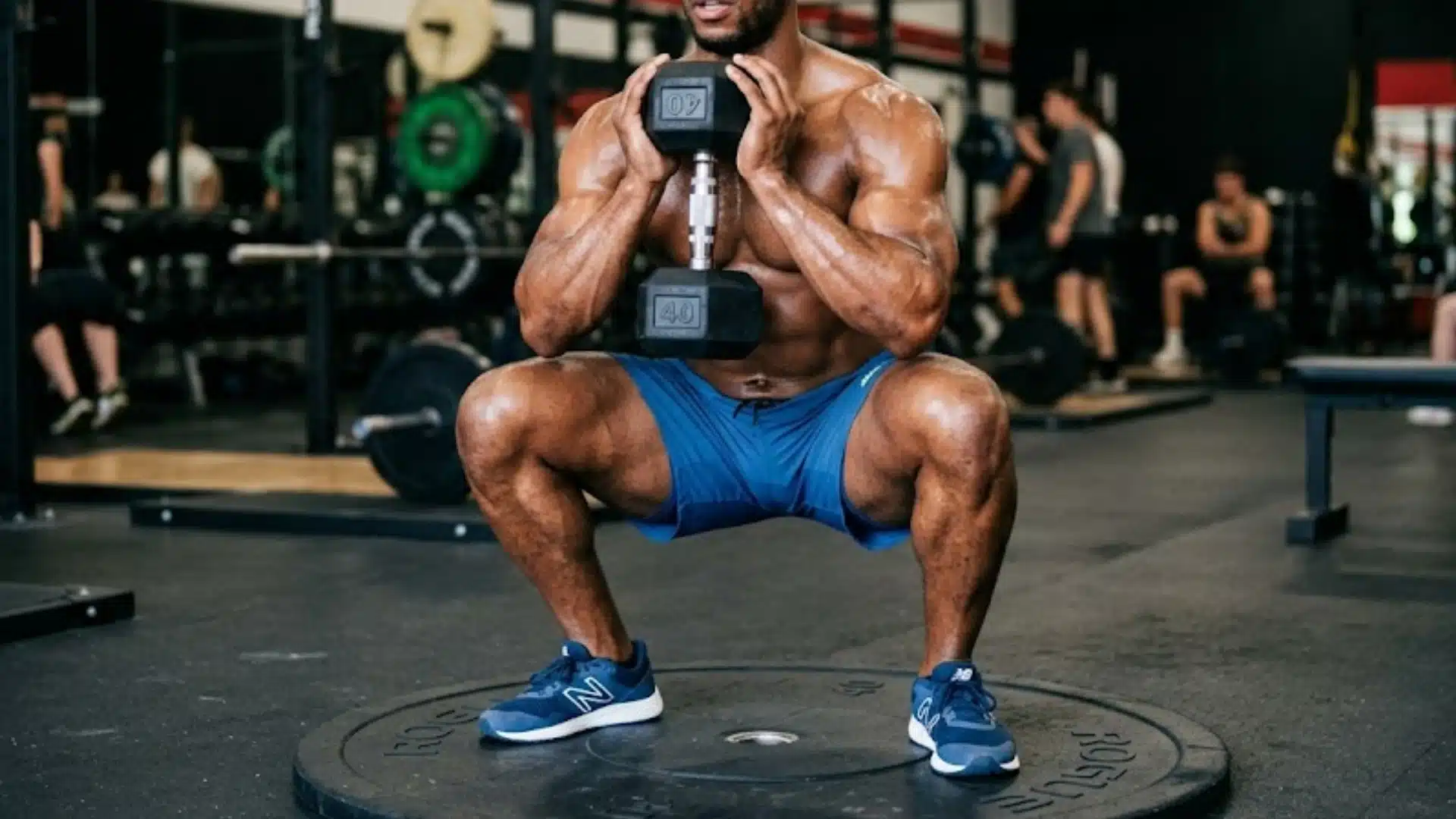
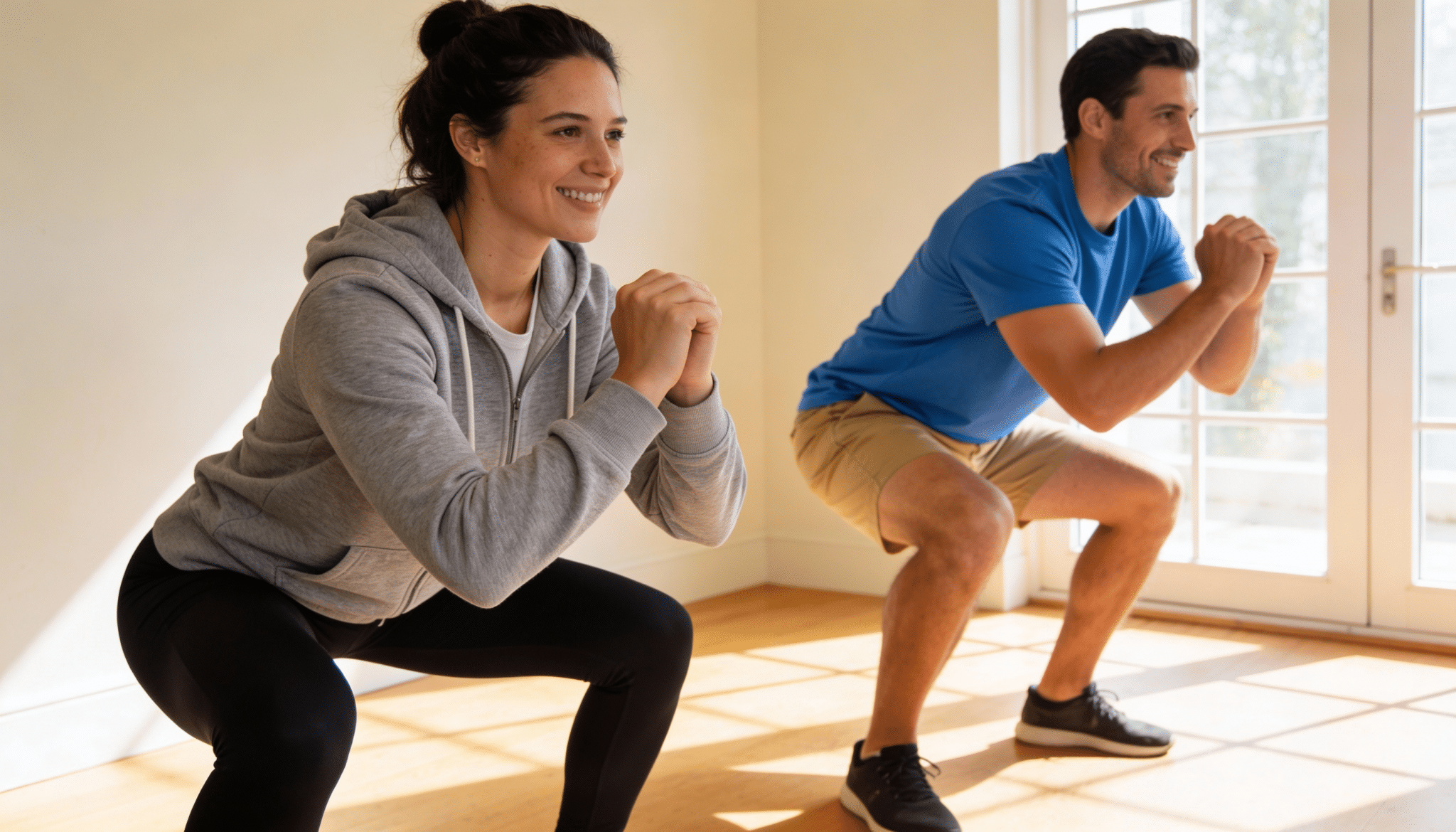
22. Bodyweight Squats
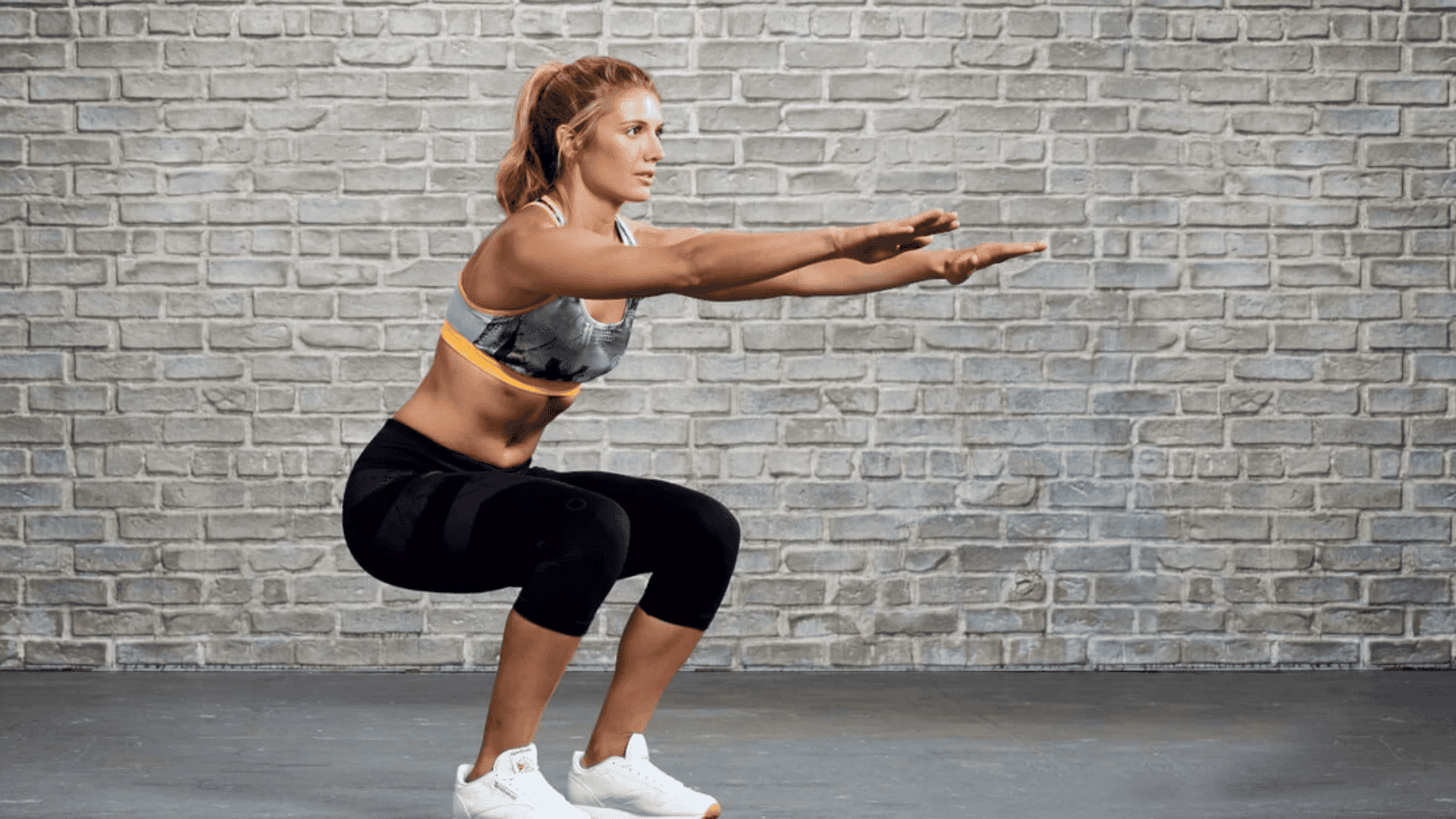
Do slow, controlled squats without weight. This heats up your entire lower body and core.
Your abs work to stabilize you during each squat. After workouts, slow squats help flush lactic acid from muscles.
Flush Factor: Do 10 slow squats to clear metabolic waste.
23. Torso Twists with Arms
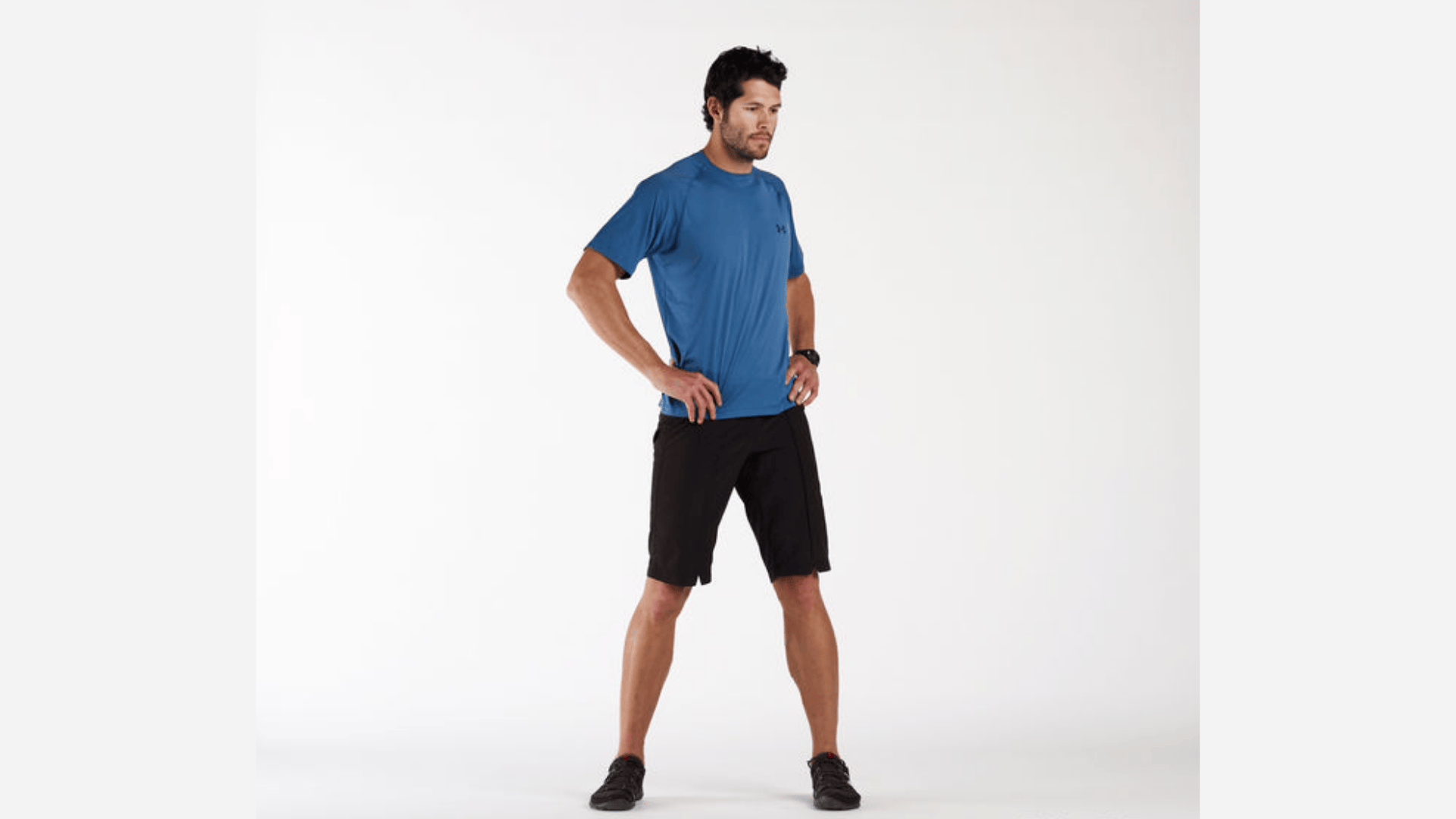
Stand with arms extended forward. Twist your torso side to side. Let your arms swing naturally.
This prepares your obliques for rotational movements. Post-workout, it helps them relax and release.
Relaxation Routine: Twist 15 times each way to wind down.
Who Should Avoid Certain Core Stretches?
- Pregnant women should avoid deep twists and face-down stretches.
- People with herniated discs need to skip deep backbends.
- Those with osteoporosis should avoid forward folds and spinal flexion.
- Recent surgery patients must wait for the doctor’s clearance before stretching.
- People with sciatica should modify or avoid certain twisting movements.
- Those with hip replacements should avoid extreme hip flexion.
- Heart condition patients need a doctor’s permission before intense stretching.
- People with arthritis should avoid stretches that cause joint pain.
Frequently Asked Questions
1. What are the Signs of A Weak Core?
Poor posture, frequent back pain, difficulty balancing, and trouble lifting objects properly.
2. What are the Top 3 Core Exercises?
Planks build overall core strength, dead bugs improve stability, and bridges strengthen back muscles.
3. How do You Stretch out Your Core?
Lie face down, push up gently, and arch your back to open your abs.