Key Takeaways
These two words mean different things depending on where you live
Knowing when to use each term helps you shop and dress better
The confusion comes from how British and American people use these words
Trousers vs. Pants: Overview
Here’s the simple truth. Where you live changes what these words mean.
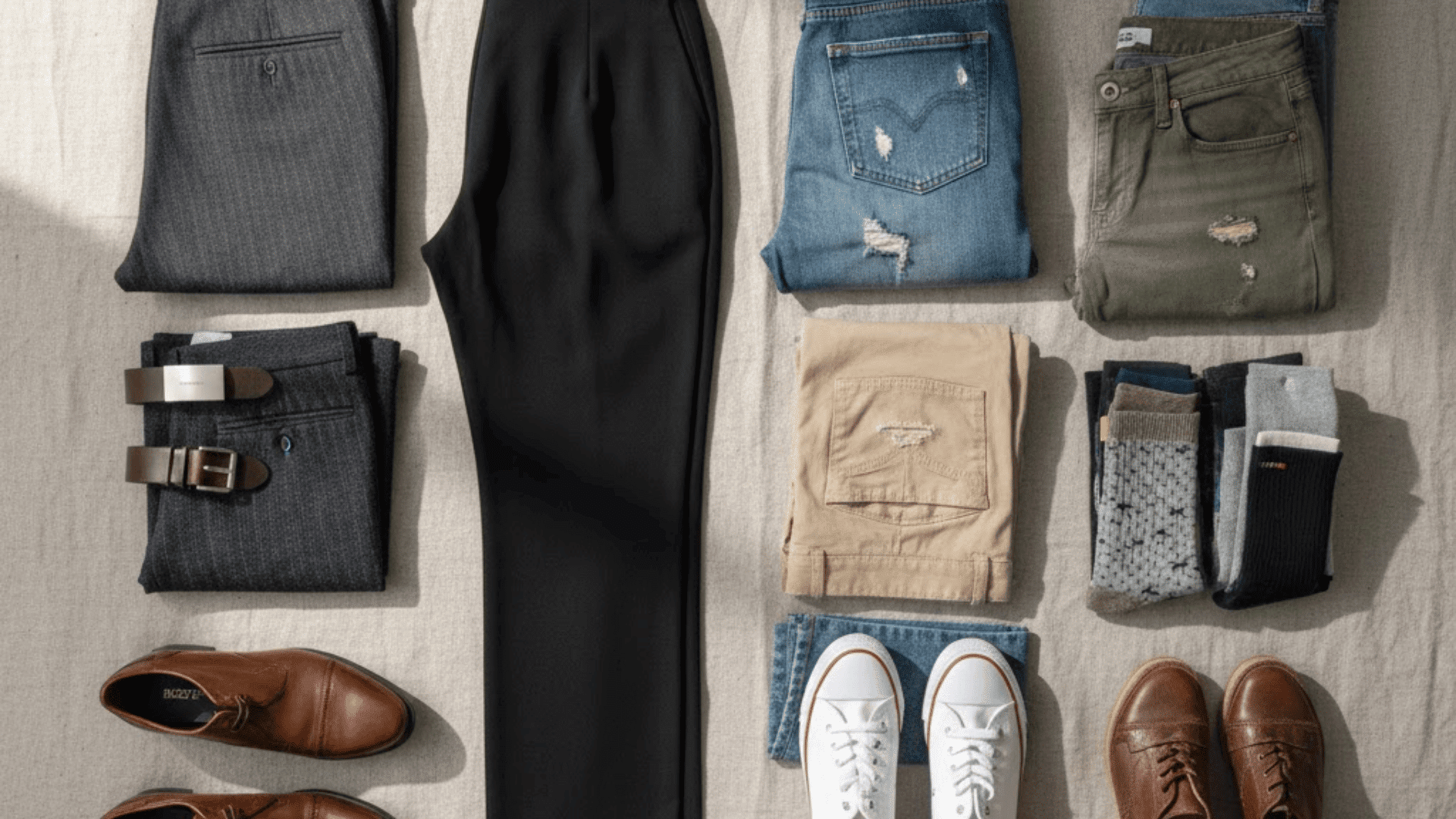
In America, “pants” means any clothing that covers your legs. All of it. Jeans are pants. Dress clothes are pants. Even shorts can be called pants sometimes.
In Britain, “pants” means “underwear.” That’s it. So telling a British friend you love their pants might sound really weird to them.
Trousers work differently. This word usually means nicer, dressier leg clothing. The kind you wear to work or formal events.
How they compare:
| Aspect | Trousers | Pants |
|---|---|---|
| How dressy | Formal, nice | Casual or formal |
| In America | Work clothes | All leg clothes |
| In Britain | All leg clothes | Underwear only |
| Look | Neat, pressed | Any style |
| Material | Wool, nice cotton | Anything |
| When to wear | Work, special events | Anytime |
Trousers vs Pants for Different Occasions
The occasion often decides which word people use.
For office or formal events, people are more likely to say trousers, especially in professional settings.
For casual wear, travel, or daily use, pants is more common in American conversations.
In online fashion shopping, both words are used. Many brands list items as “pants (trousers)” to avoid confusion for global buyers
What are Trousers?
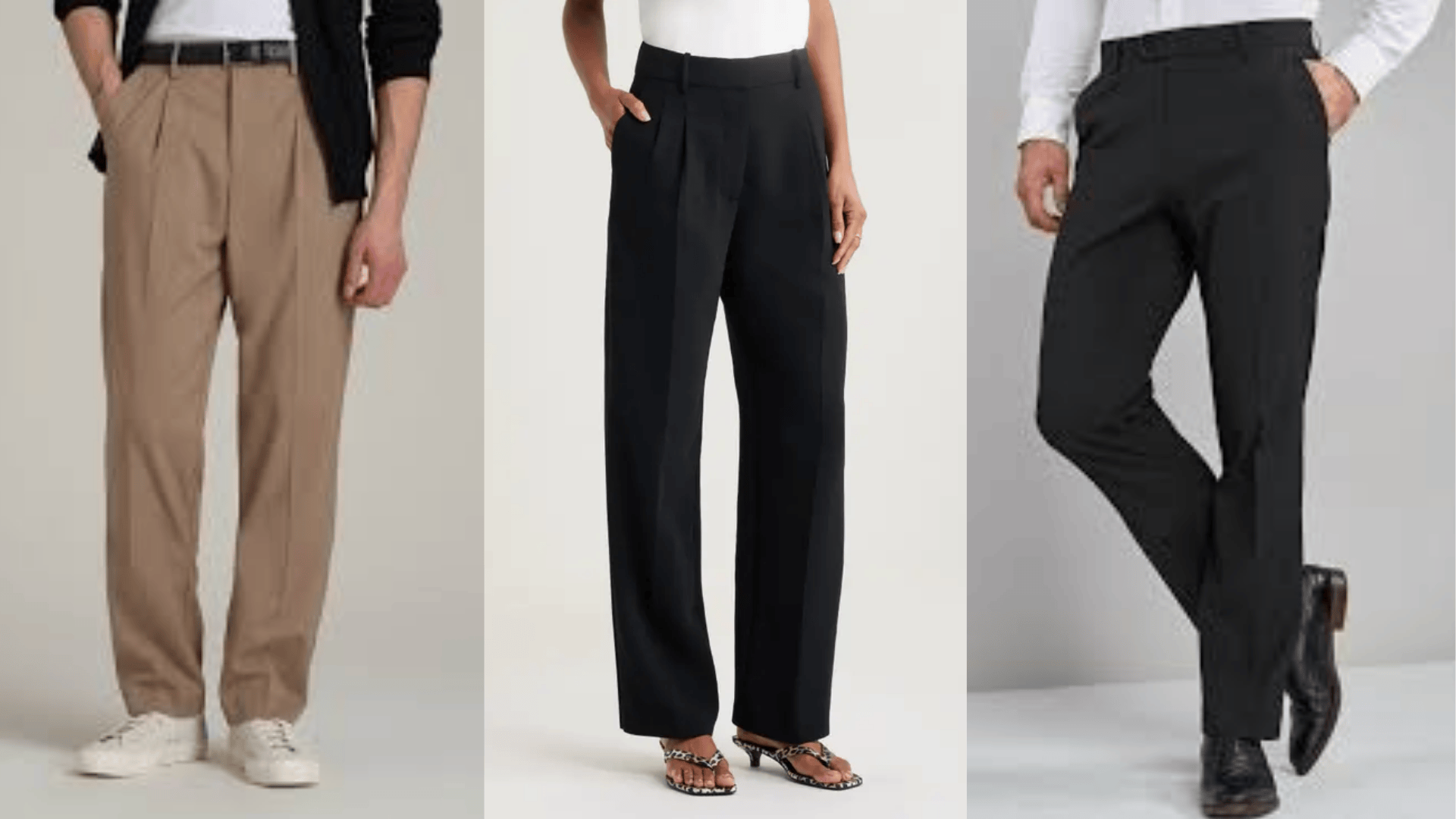
Trousers cover you from waist to ankles. Each leg has its own tube of fabric.
The word started in Ireland and Scotland long ago.
People there wore different leg coverings back then. By the 1800s, trousers became the standard for men’s formal wear.
Fashion has evolved, including 80s retro revivals with modern pieces.
Women began wearing trousers often in the 1900s. Before then, dresses and skirts were normal. Today, both men and women wear them to work and nice events.
Characteristics of Trousers
Trousers have specific features that set them apart from other legwear. Here are the details.
Key characteristics include:
- Structured fit: Trousers sit properly at the waist and fall straight down
- Quality fabrics: Made from wool, cotton blends, or synthetic dress materials
- Front crease: A sharp line runs down the front of each leg
- Belt loops: Usually have loops for belts, though some have side adjusters
- Pockets: Come with front and back pockets, sometimes hidden side pockets
- Ankle length: Typically end at or just above the ankle
- No elastic waist: Have button or hook closures with zippers
Types of Trousers
Trousers come in different styles for different times. Mentioned below are the main ones.
Dress Trousers
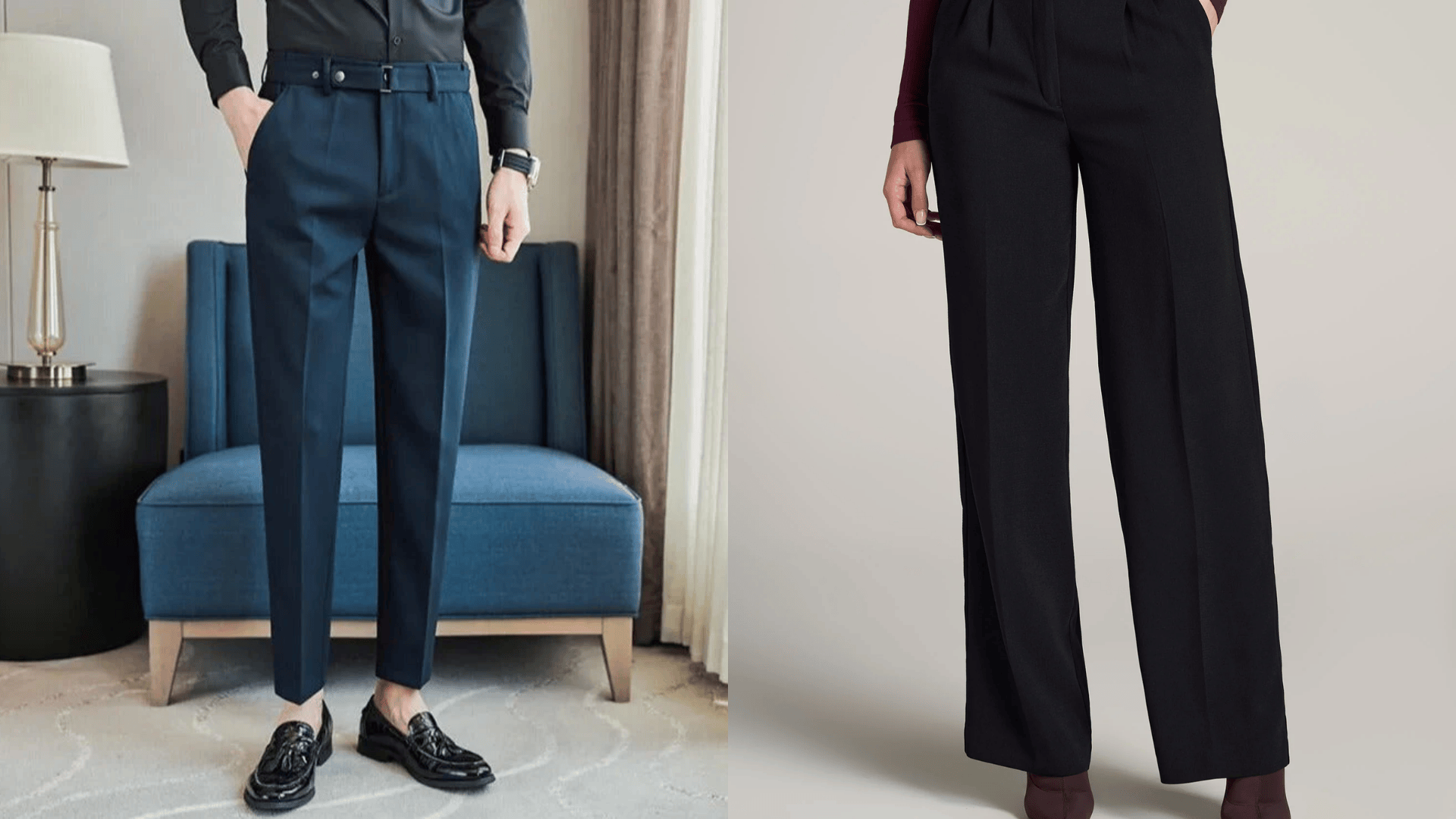
These are the most formal option, with sharp creases and a polished look.
Perfect for job interviews, business meetings, and professional settings where you need to make a strong impression.
Usually made from wool or high quality cotton blends.
Flat-Front Trousers
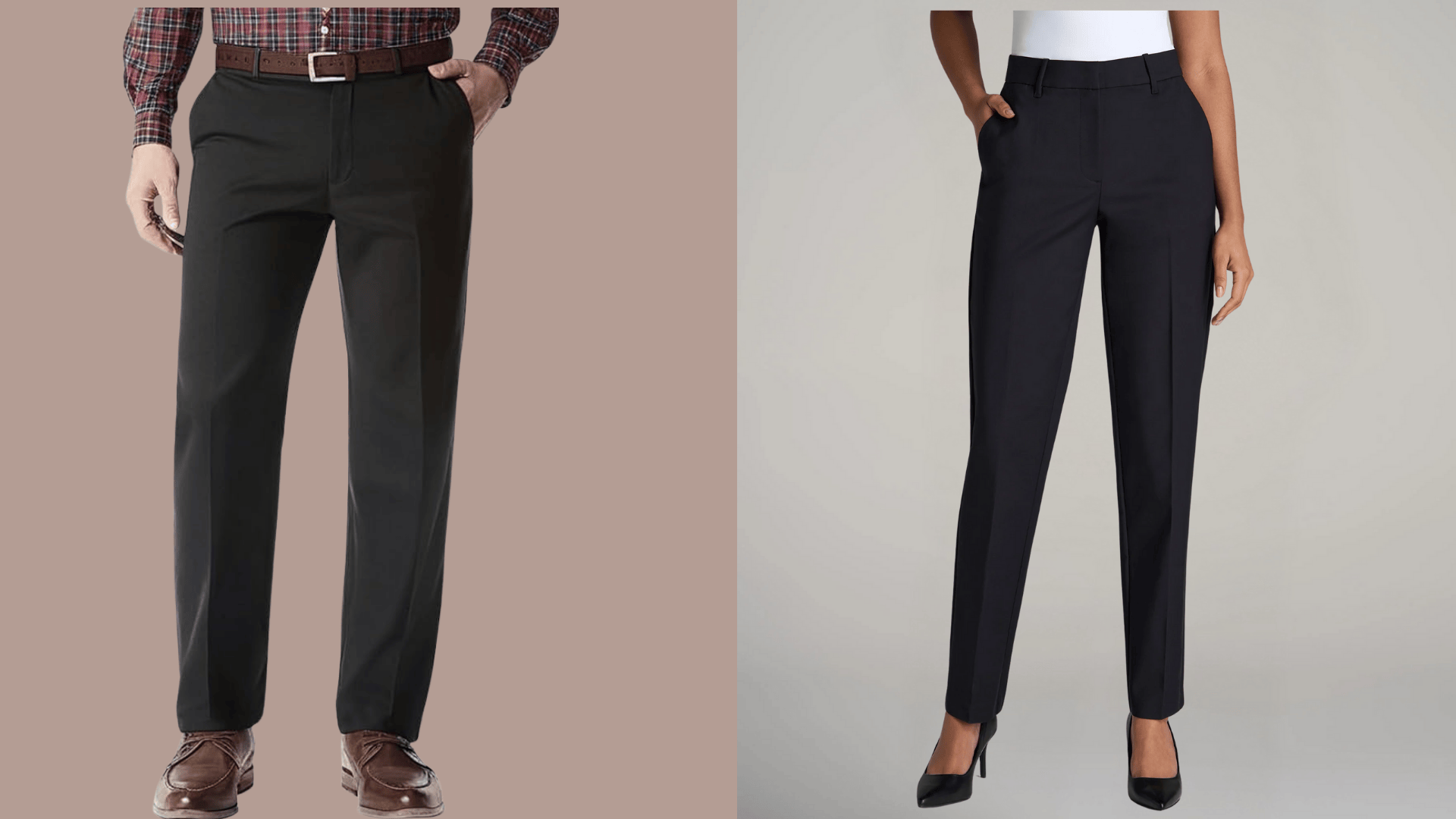
Feature a smooth front without any folds or pleats, creating a modern slim appearance.
They look sleek, making them popular for younger professionals and anyone who prefers a streamlined silhouette in their work wardrobe.
Pleated Trousers
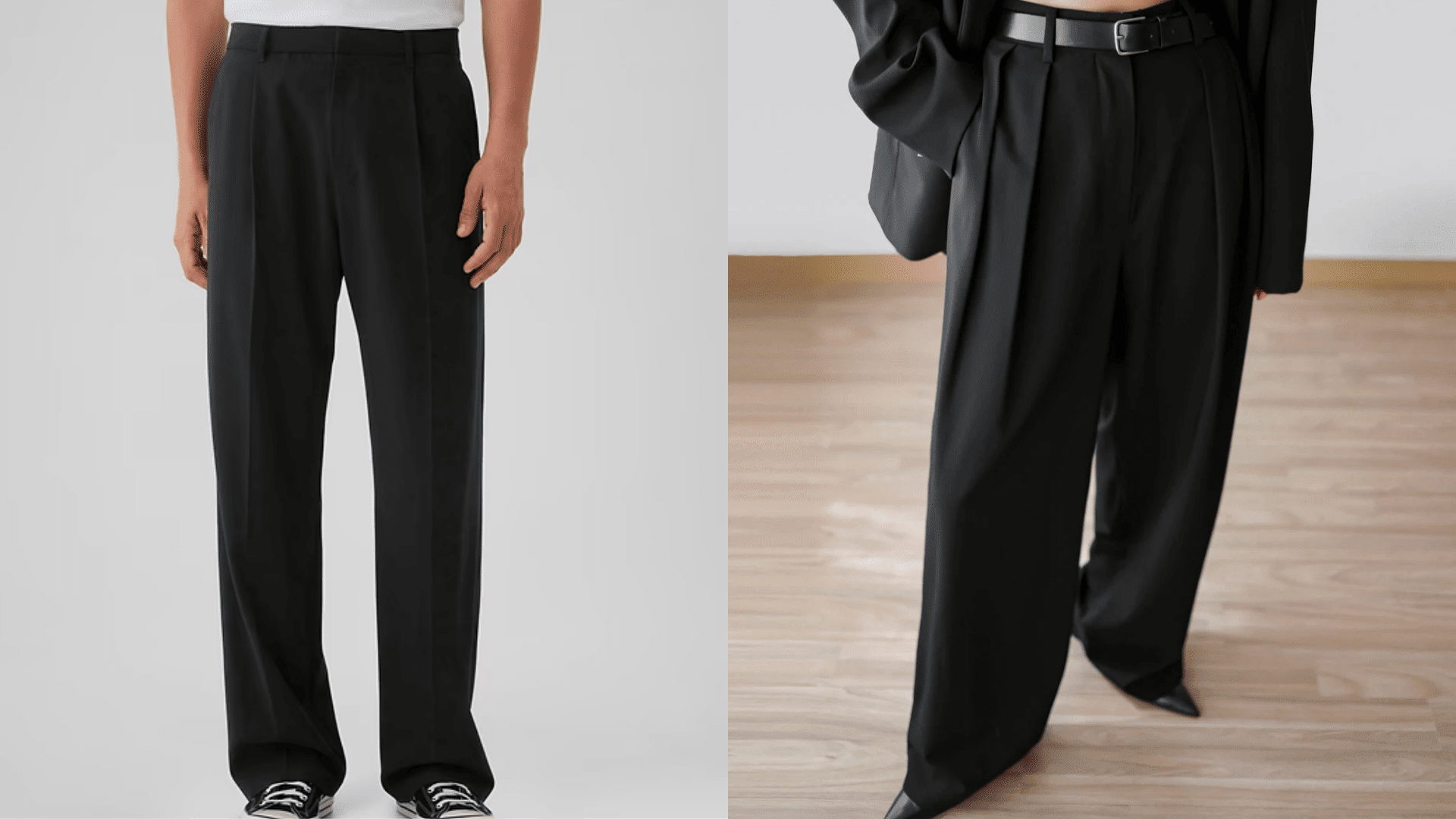
Have folds sewn into the fabric at the waistband that provide extra room and comfort.
These offer a classic, traditional style that’s been around for decades. The pleats allow more freedom of movement, especially when sitting for long periods.
Wool Trousers
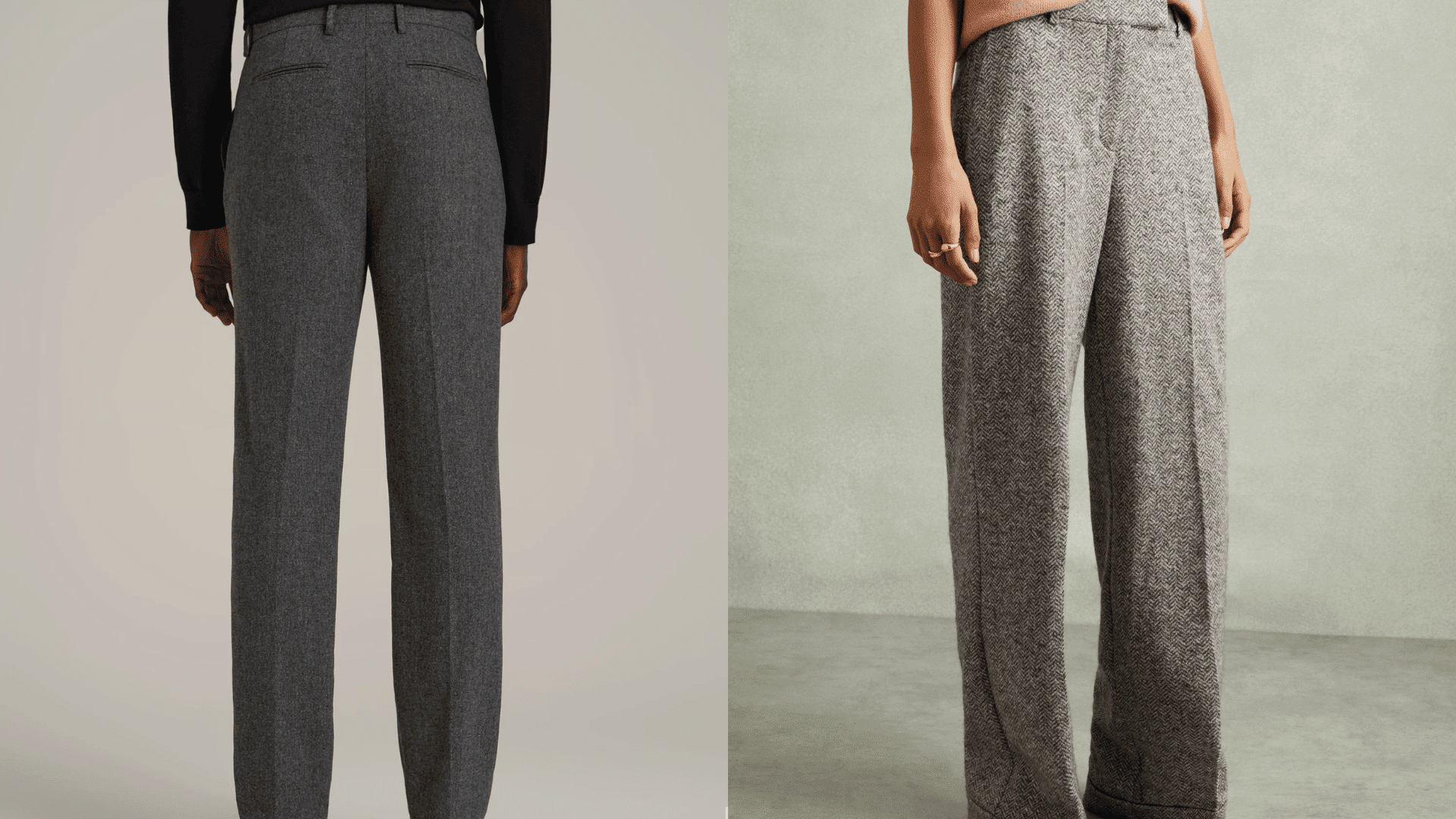
Made entirely from wool fabric, these are ideal for colder months and professional environments.
They’re durable, naturally wrinkle resistant, and keep you warm.
Wool also breathes well, so you won’t overheat indoors with the heating on.
Cotton Trousers
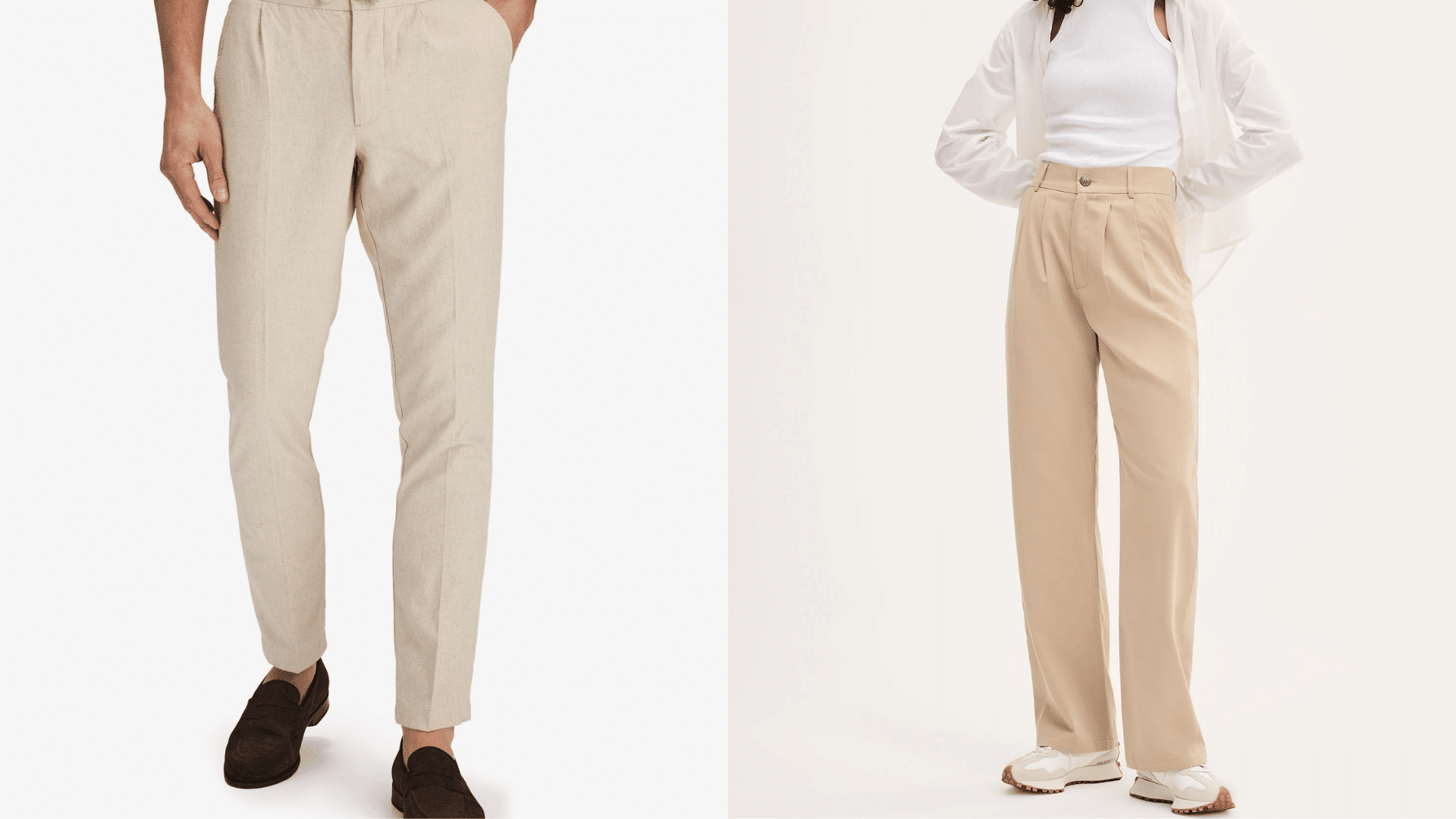
A lighter-weight alternative to wool, perfect for spring and summer wear.
They still maintain the formal trouser look but feel cooler and more breathable in warm weather.
Corduroy Trousers
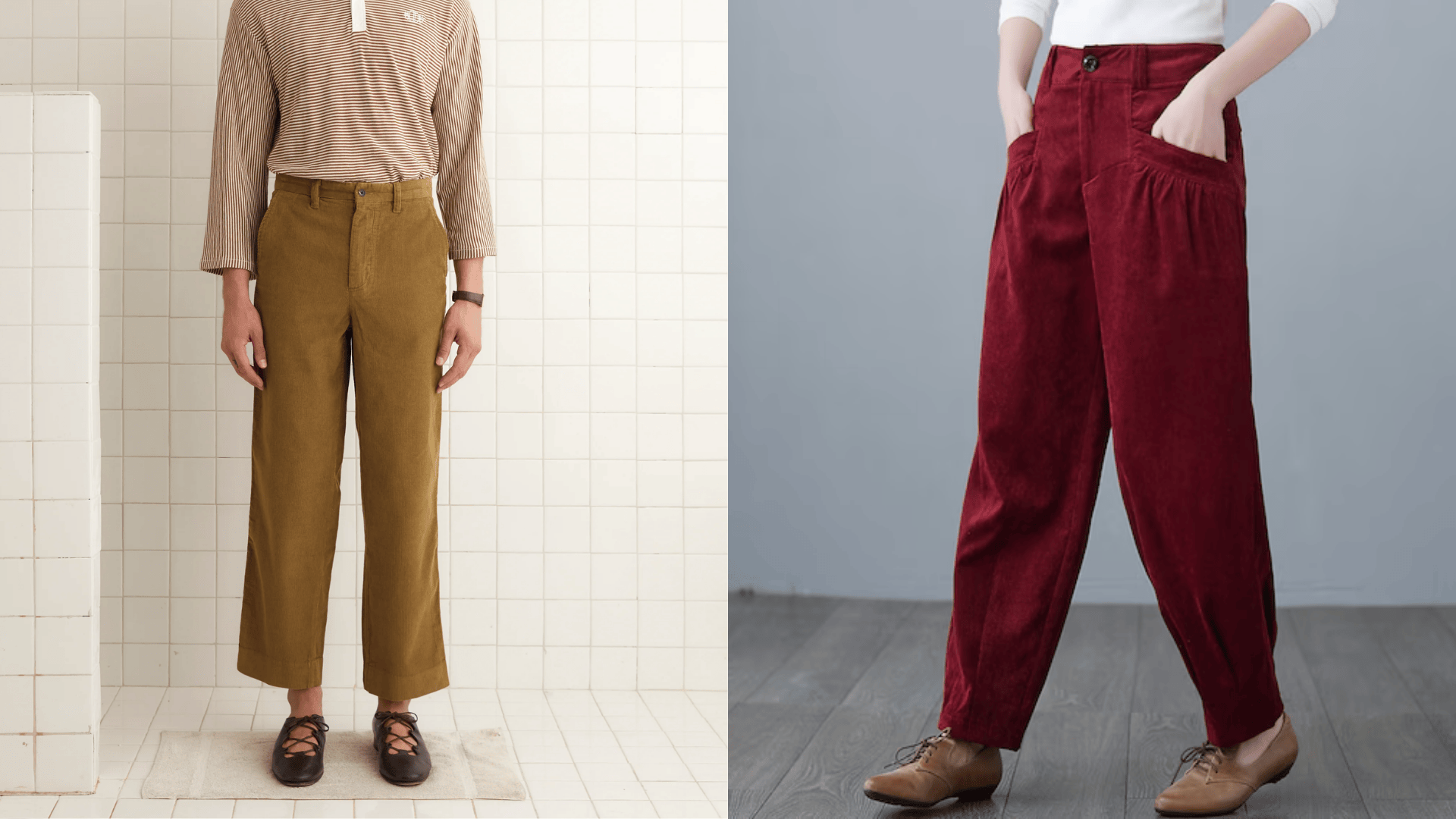
Feature distinctive vertical ridges in the fabric that create texture and visual interest.
These work well for smart casual occasions where full formal wear isn’t required. T
hey bridge the gap between dress trousers and casual pants nicely.
Cropped Trousers
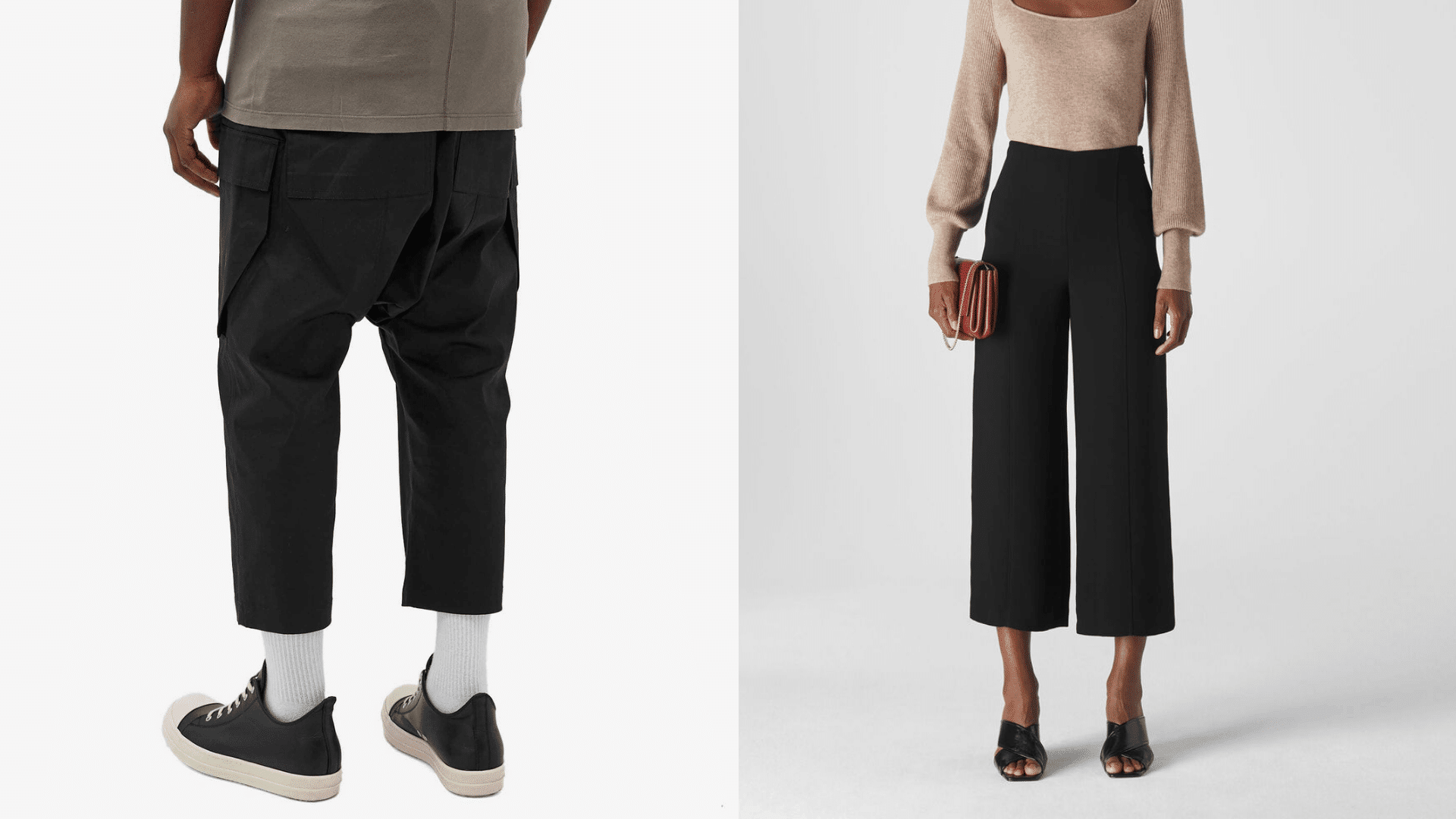
End above the ankle rather than at it, showing a bit of sock or ankle. This style brings a fresh, current twist to traditional trousers.
Popular in fashion-forward workplaces and for warmer weather professional dressing
What are Pants?
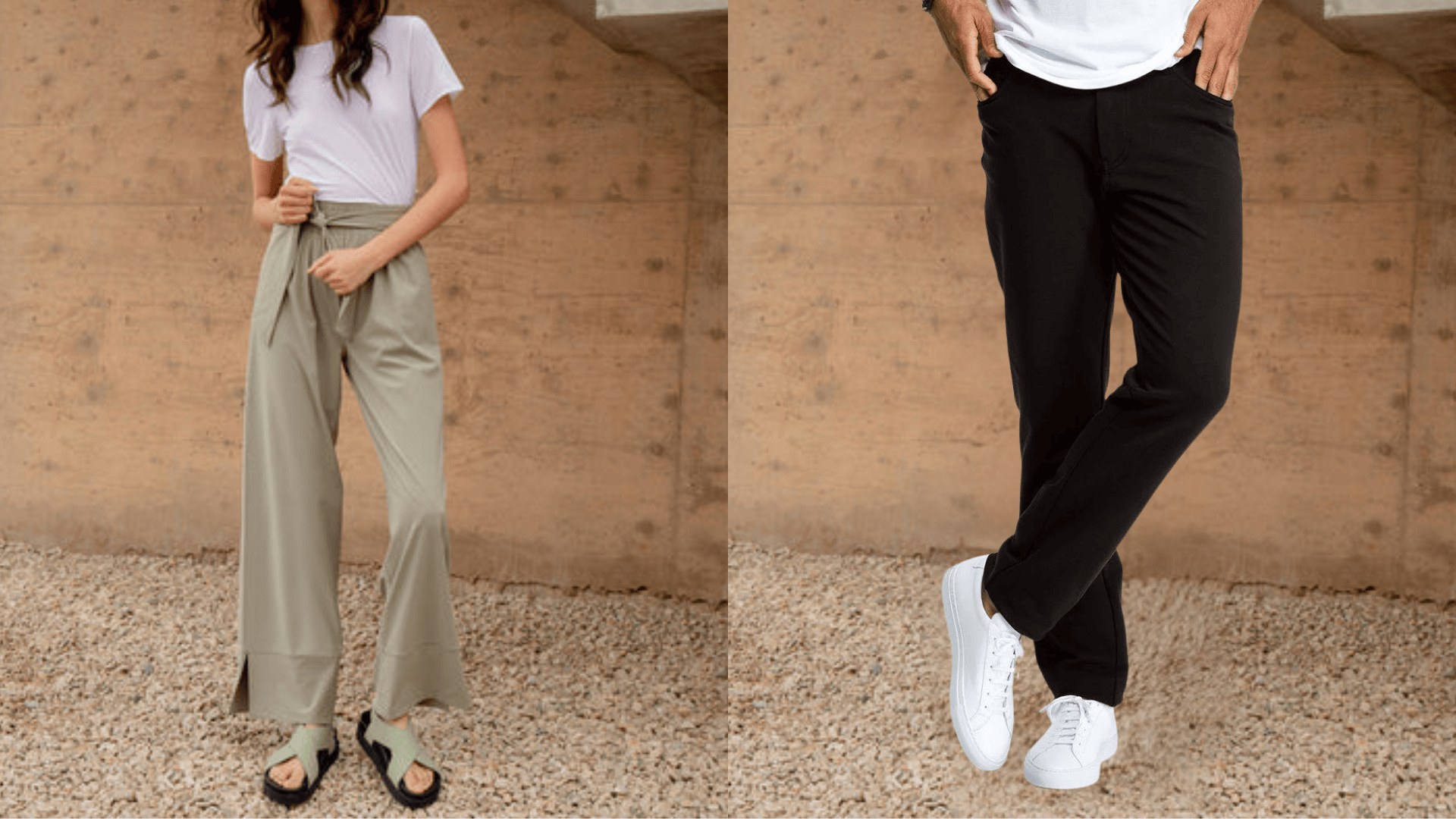
“Pants” is a broader term for any clothing that covers your legs. In America, this word fits almost everything worn below the waist.
The word “pants” comes from “pantaloons.” ” Those were loose trousers people wore in the 1600s.
As time passed, the name grew shorter and came to cover more types.
Here’s the thing. Pants include every style of legwear. Jeans count as pants. Sweatpants count.
Even nice trousers are called “pants” in American English.
Characteristics of Pants
Pants come in so many varieties that listing them all would take forever. But here are the main characteristics and types, clearly broken down.
General characteristics:
- Versatile styles: Range from tight to loose fits
- Various lengths: Full length, cropped, shorts, capris
- Different rises: Low rise, mid rise, high rise options
- Closure types: Buttons, zippers, drawstrings, elastic waists
- Material variety: Cotton, denim, polyester, spandex blends.
Types of Pants
Pants are versatile legwear available in countless styles, fabrics, and fits, ranging from casual to formal, with different lengths, waist heights, and closure types to suit any activity or occasion.
Jeans
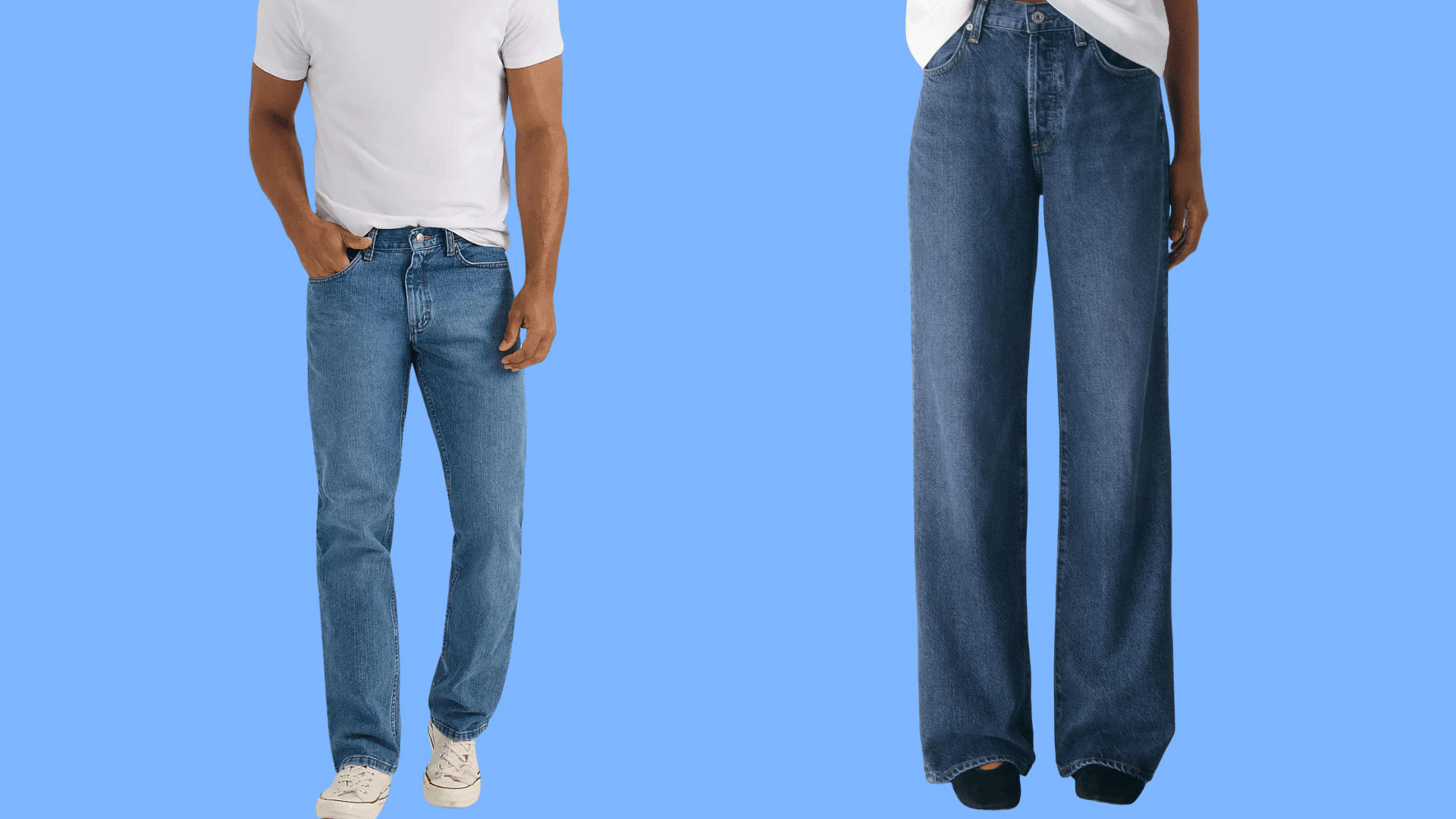
Made from durable denim fabric, these suit everyone from teens to adults for casual outings.
They come in various washes and fits, from skinny to relaxed.
Style them with t-shirts for weekend looks or button-downs for smart casual vibes.
Chinos
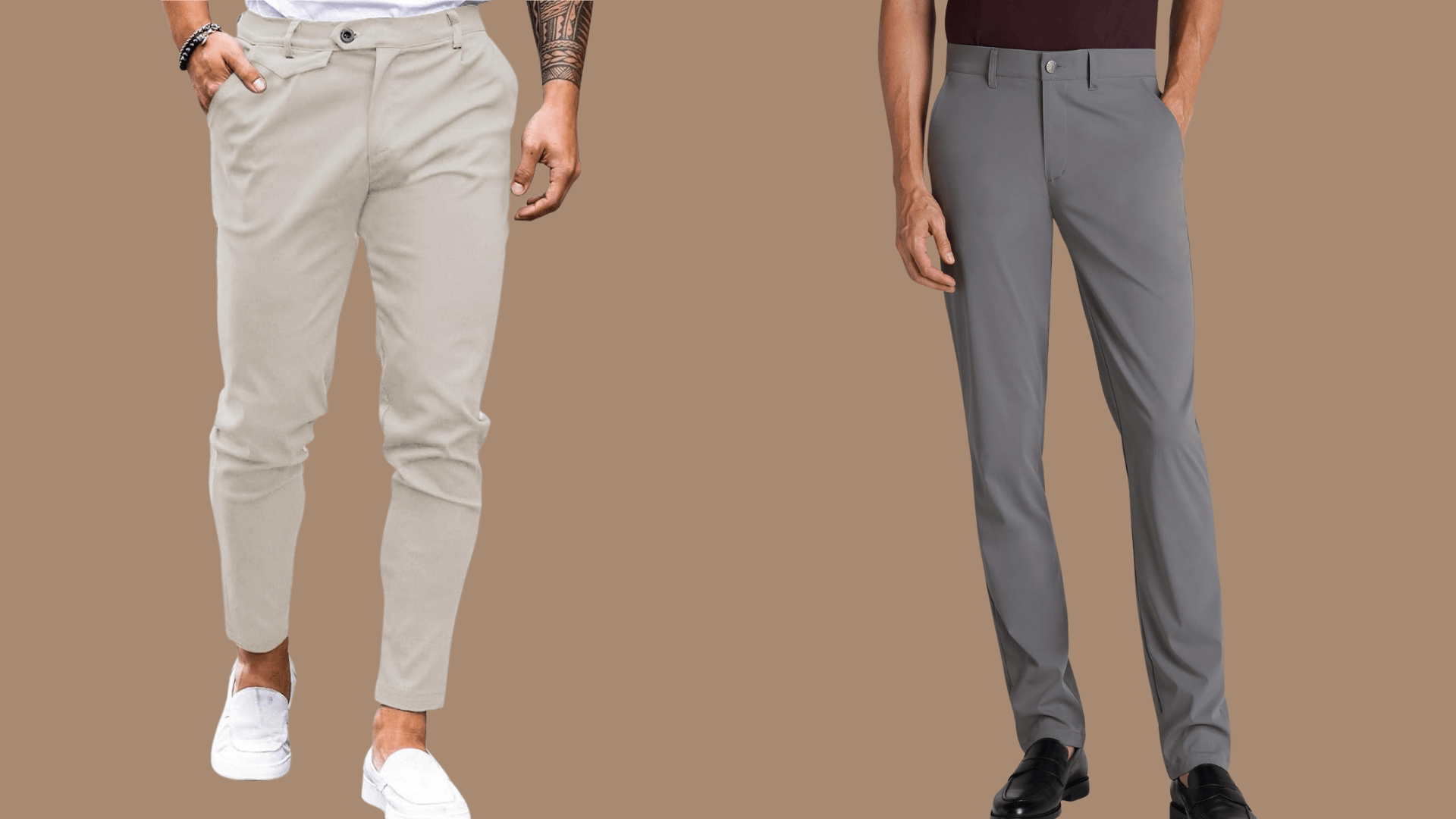
Lightweight cotton twill pants are perfect for office workers and college students who need something between casual and formal.
Pair them with polo shirts or casual button ups for a clean look.
Leggings
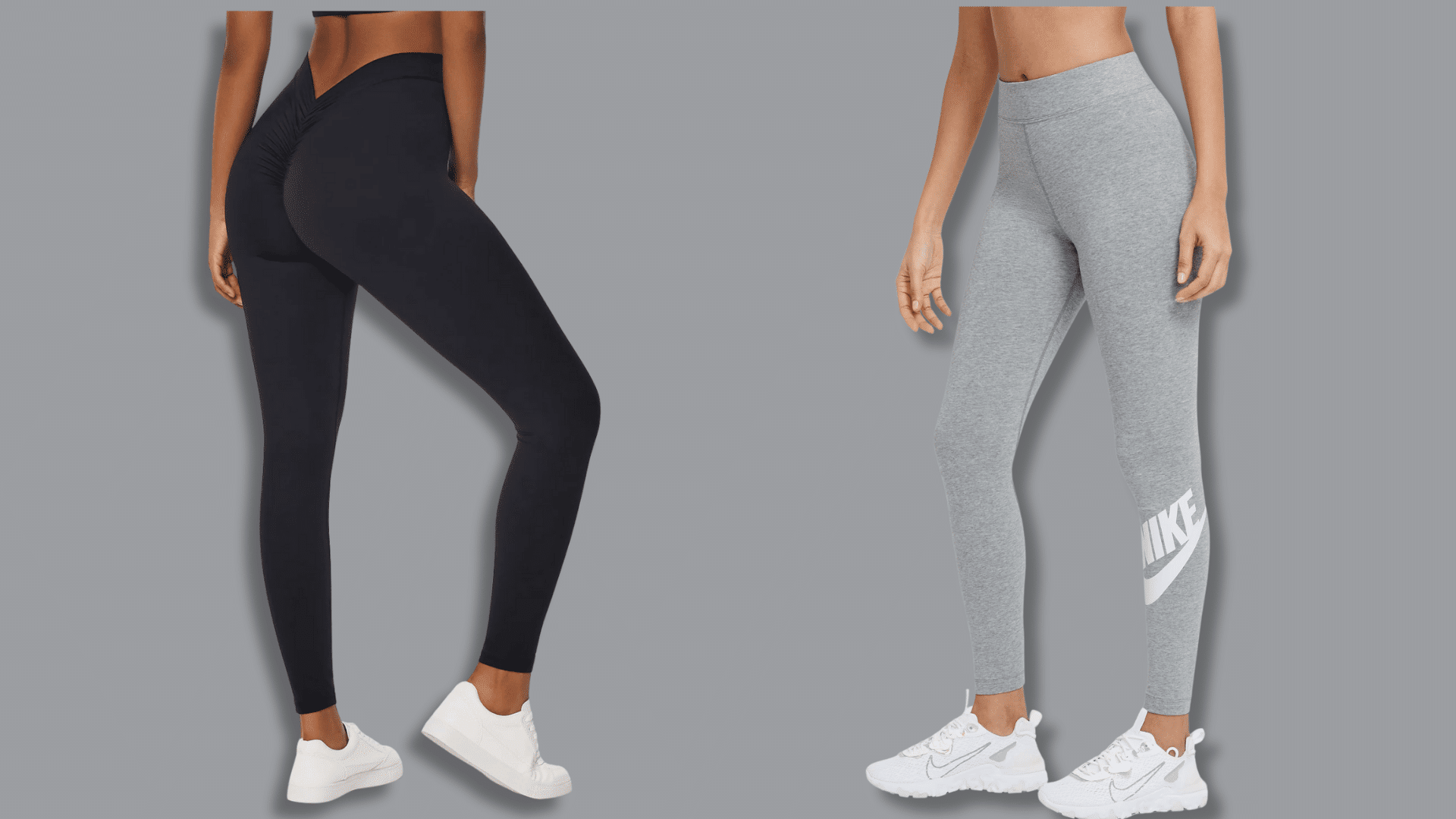
Tight-fitting, stretchy pants ideal for fitness enthusiasts, yoga lovers, and anyone prioritizing comfort.
Style them with oversized sweaters, long tunics, or athletic tops.
Popular among women and girls for gym sessions or casual errands
Cargo Pants
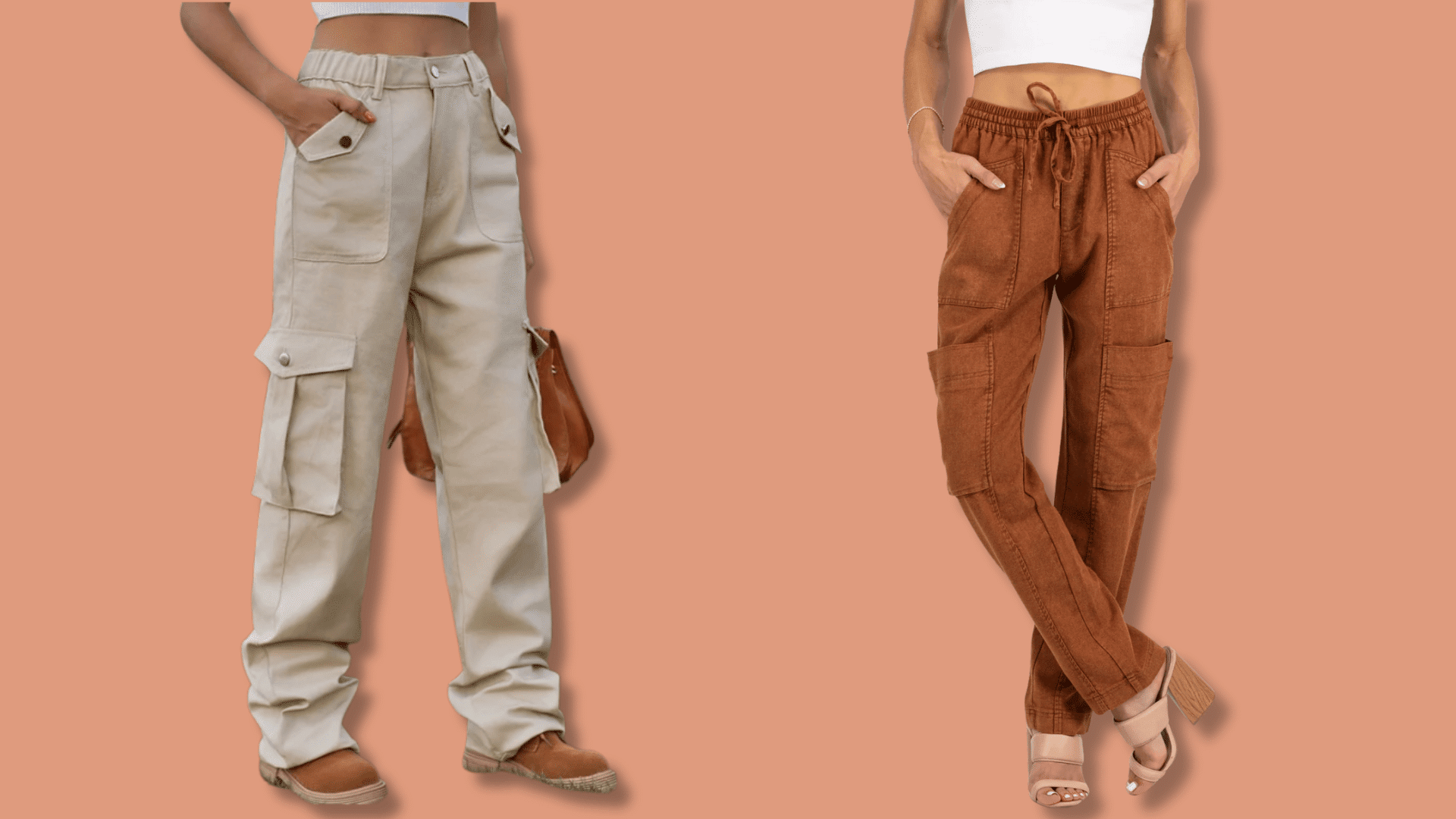
They feature large side pockets, making them perfect for outdoor lovers, hikers, and travelers who need extra storage. Popular among men and women who enjoy camping or hands on work.
Pair them with hiking boots and casual tees.
Sweatpants
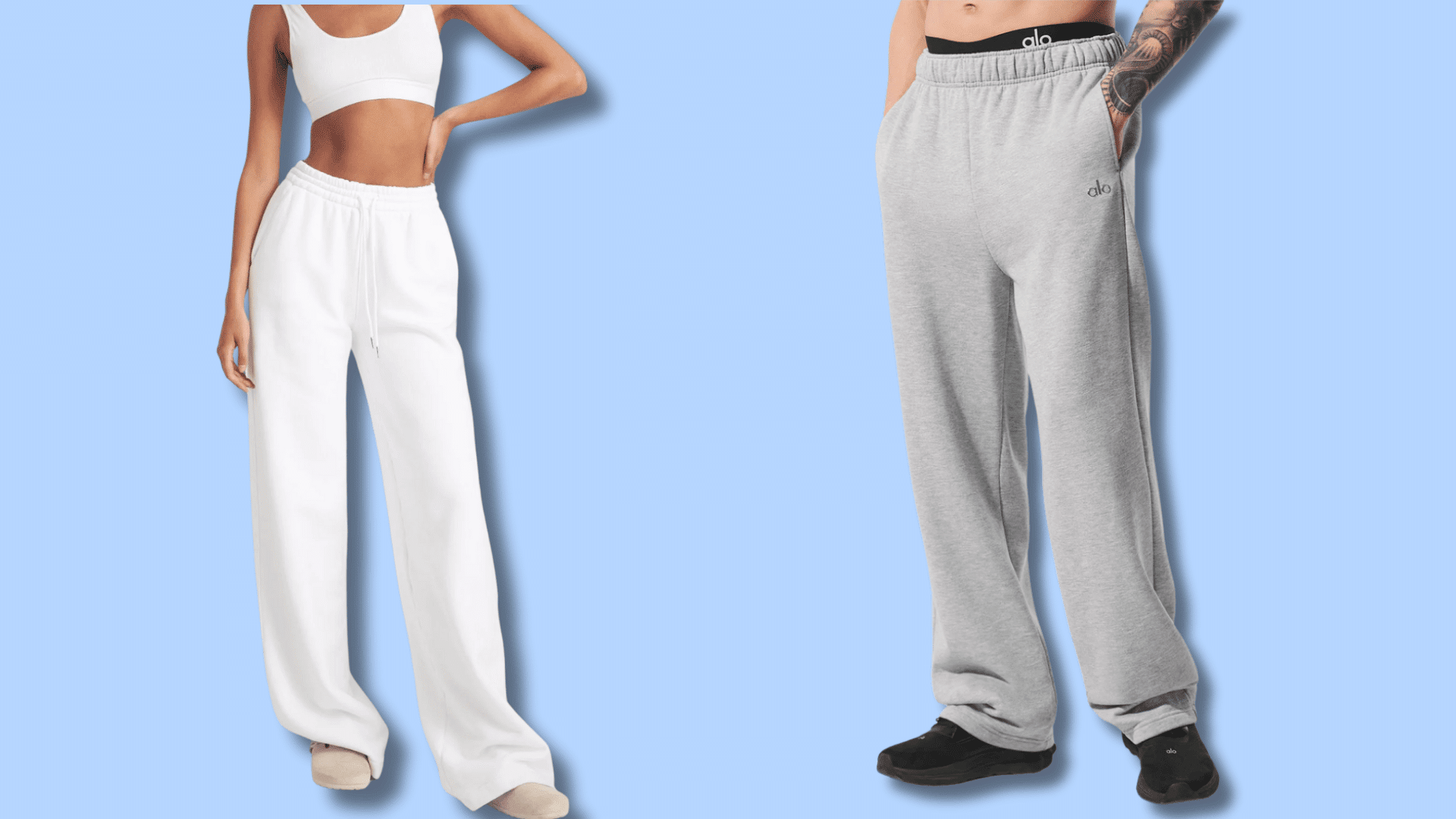
Soft, loose pants designed for ultimate relaxation, ideal for students, work-from-home folks, and anyone unwinding after a long day.
They suit people of all ages who prioritize comfort over appearance during downtime or lazy weekends.
Style them with hoodies or simple t-shirts for maximum coziness.
Joggers
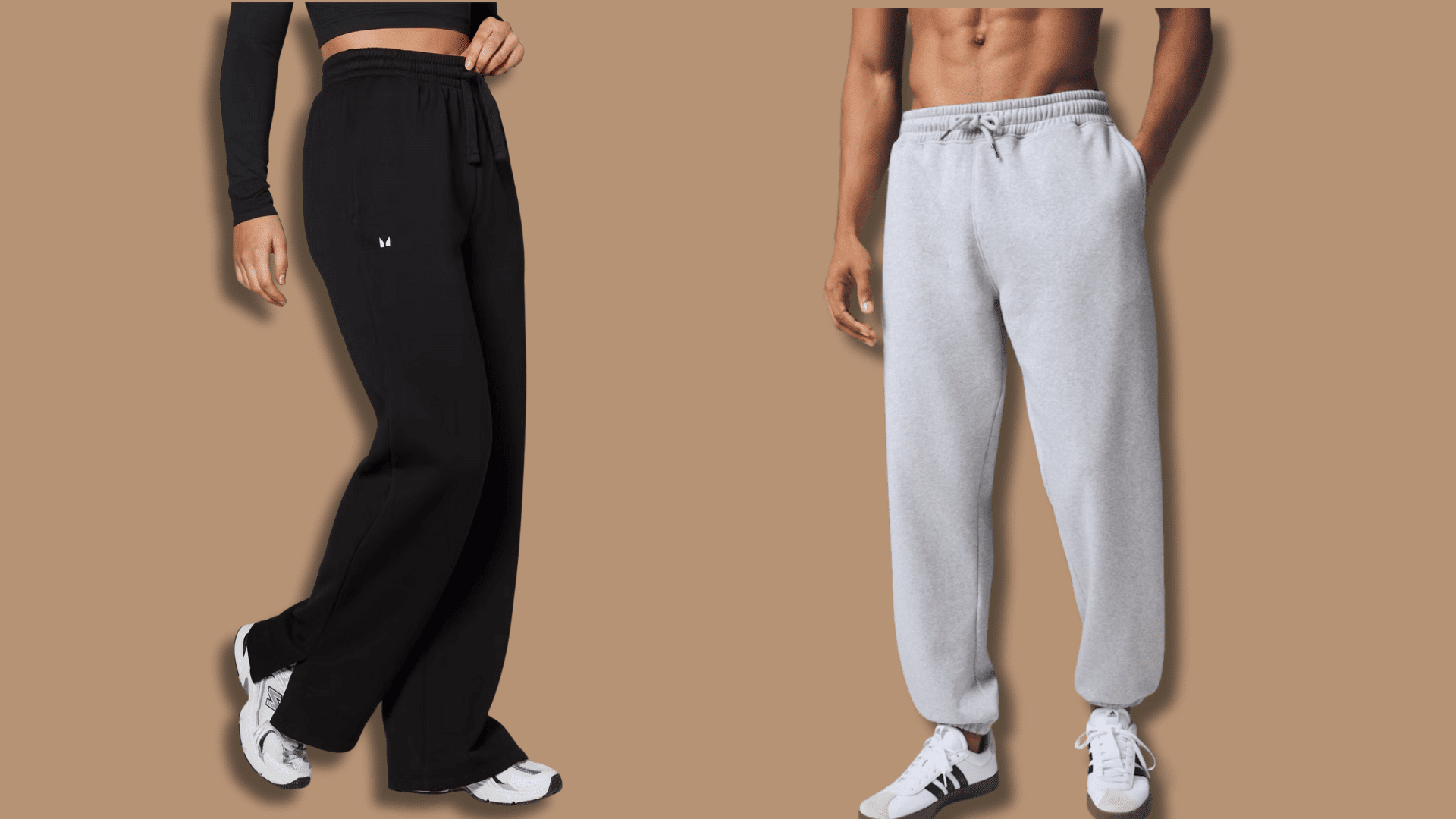
Similar to sweatpants but with a tapered, modern fit that suits younger adults and fitness conscious people.
They look sportier than regular sweatpants. Pair them with sneakers and fitted tops for an athleisure look.
Wide-Leg Pants
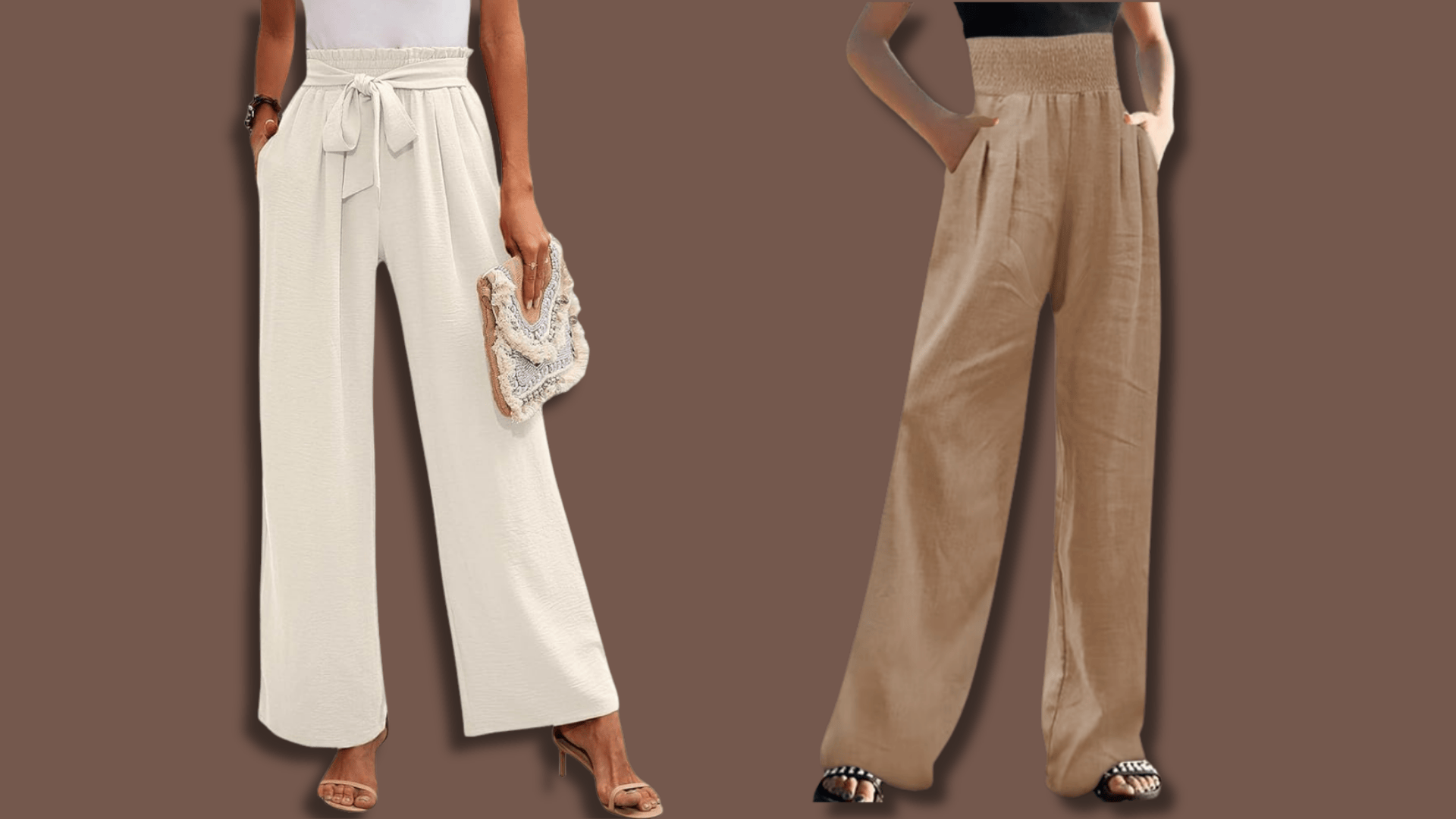
Featuring a loose, flowing fit from hips to ankles, perfect for fashion forward individuals and those who dislike tight clothing.
They suit people of all body types and ages. Ideal for warm climates and for people wanting a stylish, comfortable alternative to skinny fits.
Pair them with fitted tops to balance the silhouette.
Trousers vs. Pants vs. Jeans: Comparative Table
Here’s how all three match up.
| Feature | Trousers | Pants (General) | Jeans |
|---|---|---|---|
| Material | Wool, nice cotton | Changes a lot | Denim |
| How fancy | Formal, professional | All types | Casual |
| How they fit | Fitted, straight | Any way | Regular or slim |
| Where to wear | Work, events | Anywhere | Casual times |
| Cleaning | Dry clean or iron | Machine wash | Machine wash |
| Cost | More money | Low to high | Medium |
| Comfort level | Medium | Changes | High |
| How long they last | Long time | Changes | Very long |
| Colors | Neutral shades | All colors | Blues, blacks, colors |
This table shows when to wear each kind. Pick what fits your needs and where you’ll be
Conclusion
Understanding trousers vs pants helps you shop smarter and dress better for any occasion.
The difference comes down to regional language and formality levels.
Now that you know what is pants and how trousers differ, pick the right style for your needs and rock your look confidently.
Frequently Asked Questions (FAQ’s)
1. Are Pants and Trousers the Same Thing?
Not exactly. In America, “pants” covers all legwear, while “trousers” refers to formal styles. In Britain, “trousers” means all legwear, and “pants” means underwear only.
2. What is the American Version of Trousers?
Americans call them dress pants or slacks. Both terms refer to formal legwear for professional settings. Some people still use ‘trousers’ for the same meaning, too.
3. Can Women Wear Trousers?
Yes, absolutely. Women have been wearing trousers since the 1900s. Today, they’re a wardrobe staple for professional and casual settings for all genders.
4. Are Chinos and Trousers the Same?
Not quite. Chinos are a type of casual trouser made from cotton twill. Trousers are generally more formal and made from dressier fabrics like wool.