Key Takeaways
The body’s automatic response to eating is a normal function in healthy individuals.
Food choices and beverages significantly influence digestive timing and urgency patterns.
Understanding the difference between normal responses and health concerns prevents unnecessary worry.
Tracking personal patterns helps identify specific triggers that cause uncomfortable moments.
The Gastrocolic Reflex Explained
The gastrocolic reflex is the body’s automatic response to eating.
When food enters the stomach, it stretches the stomach walls.
This stretching sends signals through the nervous system. These signals travel to the colon. The colon then starts contracting and moving.
It pushes existing waste toward the exit. This whole process happens within minutes of eating.
The body prepares space for new food by clearing out old waste. It’s an efficient system that keeps digestion flowing smoothly.
Common Reasons Why You Need to Poop After Eating
Several factors can make the urge stronger or more frequent. Knowing these reasons helps identify what’s triggering the response in the body.
High-Fat Foods
Fatty meals create stronger contractions. The body works harder to digest fats.
This extra effort stimulates the colon more.
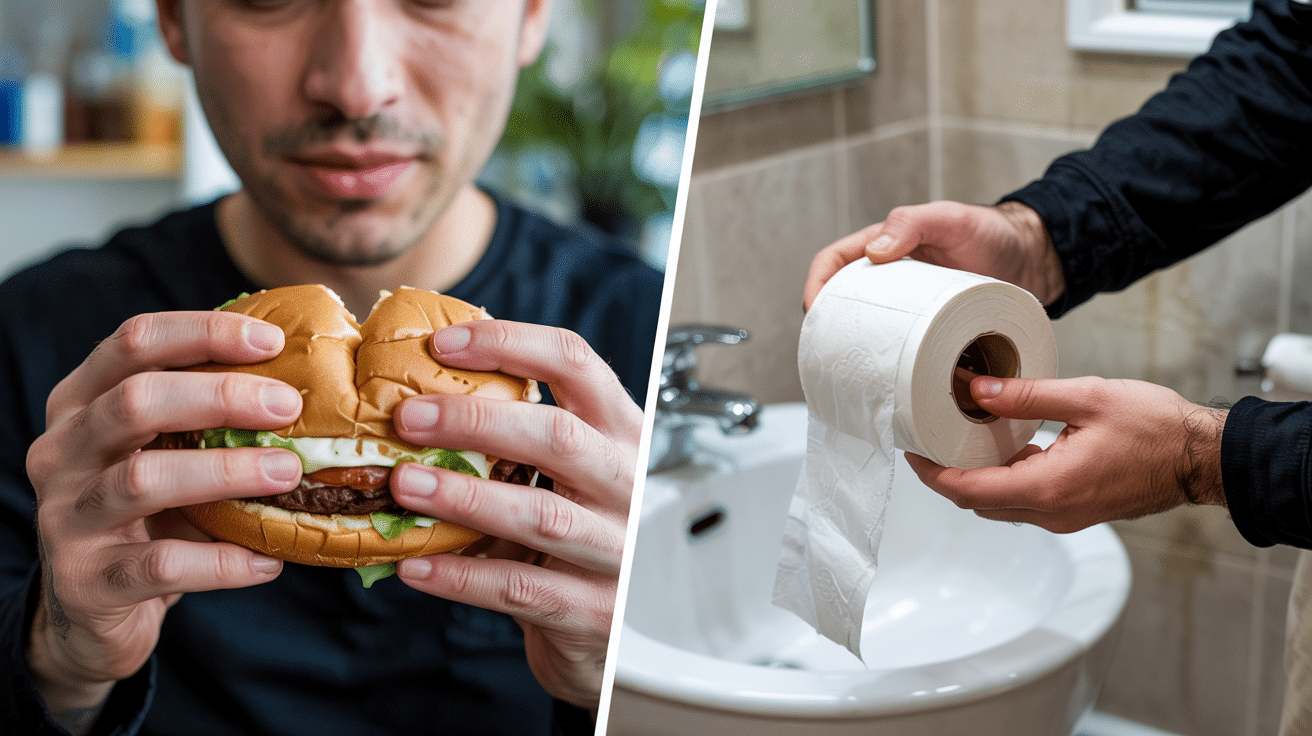
Foods like burgers, fried items, and creamy dishes trigger this. The fat content signals the digestive system to move things along faster.
Fiber-Rich Foods
High-fiber foods and meals add bulk to stool and stimulate movement.
Beans, whole grains, and vegetables push things through faster.
Fiber absorbs water and expands in the digestive tract. This expansion triggers the colon to contract and move waste along more efficiently.
Coffee and Caffeine
Coffee is a powerful stimulant. It increases colon contractions by up to 60%. Caffeine isn’t the only factor, though.
Coffee contains acids and compounds that speed digestion.
Even decaf coffee can trigger the urge. Hot temperature also plays a role in stimulation.
Food Intolerances
Some people can’t properly digest certain foods. Lactose intolerance is common. Gluten sensitivity affects many others.
When the body rejects these foods, it rushes them through the digestive system. This causes urgent bathroom trips.
The timing is usually quick after eating the trigger food.
Stress and Anxiety
The brain and gut are directly connected. Stress hormones affect digestion immediately.
Nervous feelings like anxiety can trigger bowel movements.
This is why people feel it before big events. The gut reacts to emotional states just like the mind does.
Spicy Foods
Capsaicin from peppers irritates the lining of the digestive tract. The body speeds up movement to get rid of the irritant quickly.
Spicy meals trigger faster contractions than mild foods.
The colon responds by pushing everything through more rapidly than usual.
Large Portion Sizes
Eating too much at once overloads the stomach.
The digestive system kicks into high gear to handle the volume.
Big meals stretch the stomach walls more. This stretching sends stronger signals to the colon to make room for incoming food.
Artificial Sweeteners
Sugar substitutes like sorbitol and xylitol aren’t fully absorbed. They pull water into the intestines, speeding up transit time.
These sweeteners act like mild laxatives in many people. Foods labeled sugar-free often contain these compounds that trigger quick bathroom visits.
Is Pooping After Every Meal a Sign of High Metabolism?
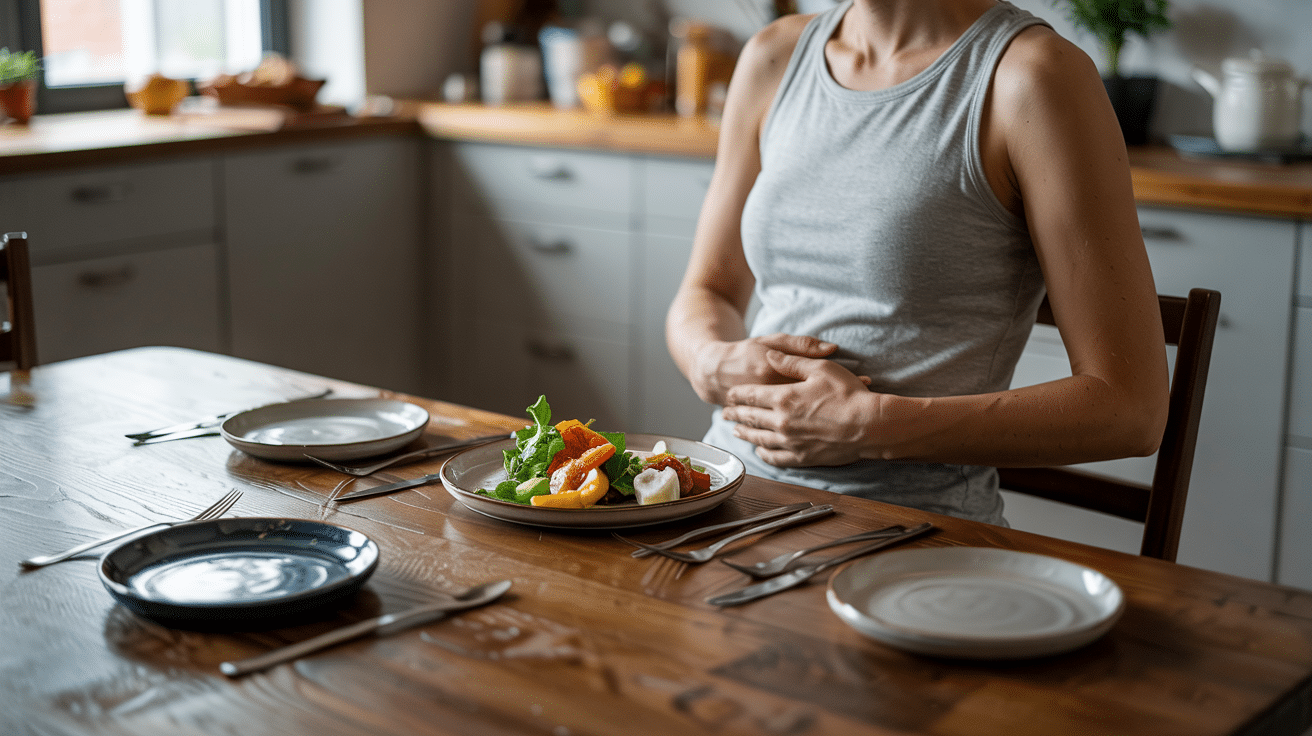
Frequent bowel movements don’t necessarily indicate a high metabolic rate. Metabolism refers to how the body burns calories for energy.
Pooping after meals is related to digestive transit time rather than to the meal itself. Fast digestion doesn’t equal fast metabolism.
Weight, energy levels, and how the body processes nutrients better reflect metabolism.
Frequent pooping simply means food moves through the system efficiently.
It’s not a reliable measure of calorie burning.
What Medical Professionals Say About Post-Meal Bowel Movements?
Doctors consider post-meal bowel movements completely normal for most people. The gastrocolic reflex is a normal sign that the digestive system is functioning properly.
Medical professionals note that timing varies widely between individuals.
Some people respond within minutes, while others take hours.
Doctors recommend tracking symptoms if the urge disrupts daily life. Most cases don’t indicate serious problems.
Simple dietary adjustments usually help manage the response effectively without medical intervention needed.
Could it be a Sign of an Underlying Health Issue?
Most of the time, pooping after eating is harmless. But sometimes it signals a health problem that needs attention.
Irritable Bowel Syndrome (IBS)
IBS affects how the gut processes food. People experience cramping, bloating, and urgent bowel movements.
Stress makes symptoms worse. A doctor can confirm IBS through symptoms and tests.
Inflammatory Bowel Disease (IBD)
IBD includes Crohn’s disease and ulcerative colitis. These cause inflammation in the digestive tract.
Symptoms include frequent diarrhea, blood in stool, and stomach pain.
It requires medical treatment and ongoing care.
Food Allergies or Sensitivities
The body rejects foods it can’t tolerate. Lactose intolerance affects dairy.
Celiac disease triggers reactions to gluten. Symptoms include cramping, gas, and urgent bathroom needs.
Overactive Thyroid (Hyperthyroidism)
An overactive thyroid speeds up all body processes, including digestion. Food moves through the system much faster than normal.
The gastrocolic reflex intensifies as metabolism increases. Bowel movements become more frequent throughout the day.
Certain Medications
Antibiotics, antacids with magnesium, and some blood pressure medications affect digestion.
They can amplify the gastrocolic reflex as a side effect.
The colon becomes more reactive to normal eating patterns. This usually resolves when the medication stops.
Symptoms That Should Not Be Ignored
- Blood in the stool or black, tarry stools.
- Severe abdominal pain that doesn’t go away.
- Unexplained weight loss over a short period.
- Constant diarrhea lasting more than a few days.
- Fever along with digestive symptoms.
- Vomiting that won’t stop or contains blood.
- Extreme fatigue that interferes with daily life.
How to Reduce the Urge to Poop Immediately After Eating?
A few simple changes can help calm an overactive digestive response.
Eat Smaller, More Frequent Meals Instead of Large Portions
Big meals stretch the stomach and trigger stronger signals.
Split meals into smaller portions throughout the day. This keeps digestion steady and reflexes milder.
Avoid High-Fat and Greasy Foods That Trigger Strong Reflexes
Fatty foods create intense colon contractions. Fried items and heavy creams speed things up. Switch to grilled proteins and steamed vegetables for gentler digestion.
Limit Coffee and Caffeinated Beverages, Especially in the Morning
Coffee increases colon activity by 60% within minutes. Cut back gradually or switch to herbal tea.
Drink coffee with food, not alone.
Identify and Eliminate Foods That Cause Sensitivities or Intolerances
Food intolerances rush items through quickly.
Keep a food diary for two weeks. Note triggers and remove suspected foods one at a time.
Manage Stress Through Breathing Exercises or Meditation
Stress hormones trigger bowel movements directly.
Practice deep breathing before meals. Inhale for four counts, exhale for six. This calms the nervous system effectively.
Differentiating Poop After Eating vs Diarrhea
| Aspect | Normal Post-Meal Poop | Diarrhea |
|---|---|---|
| Frequency | Once after meals | Multiple times daily |
| Consistency | Normal, formed | Loose, watery |
| Timing | Predictable | Random, urgent |
| Pain | Little discomfort | Cramping, pain |
| Duration | Brief | Hours or days |
| Cause | Gastrocolic reflex | Infection, illness |
When Should You Consider a Healthcare Professional?
Occasional urgency after meals is normal. But certain situations require medical attention.
See a doctor if symptoms persist beyond two weeks. Ongoing issues need evaluation and proper diagnosis.
Severe pain is always a red flag. Sharp pain that disrupts daily activities needs immediate attention.
Consider visiting a professional when:
- Bathroom trips interfere with work or social life
- Blood or mucus appears in the stool
- Weight drops unexpectedly
- Fever accompanies digestive problems
Family history matters too. People with relatives who have digestive diseases face higher risks. Early screening catches problems before they worsen.
Listen to Your Body
Digestive habits can feel awkward, but they’re just the body sending clear signals.
Knowing the reason behind pooping after every meal makes the experience less concerning and more informative.
Noticing patterns, food choices, and stress levels helps build confidence.
Found this helpful? Share it with someone who needs answers about their digestive health and take control of your gut wellness today.
Frequently Asked Questions (FAQs)
1. Is it Normal to Poop Multiple Times a Day After Each Meal?
Yes, for some people. If stools are formed and there’s no pain, it’s likely just an active gastrocolic reflex.
2. Does Pooping Right After Eating Mean Food Isn’t Being Digested?
No. The food just eaten isn’t what comes out. The gastrocolic reflex pushes previously digested waste through the colon to make room for new food.
3. Can Certain Eating Positions or Postures Reduce the Urge?
Sitting upright while eating helps. Slouching or lying down after meals can intensify the reflex. Wait at least 30 minutes before reclining to minimize urgency.