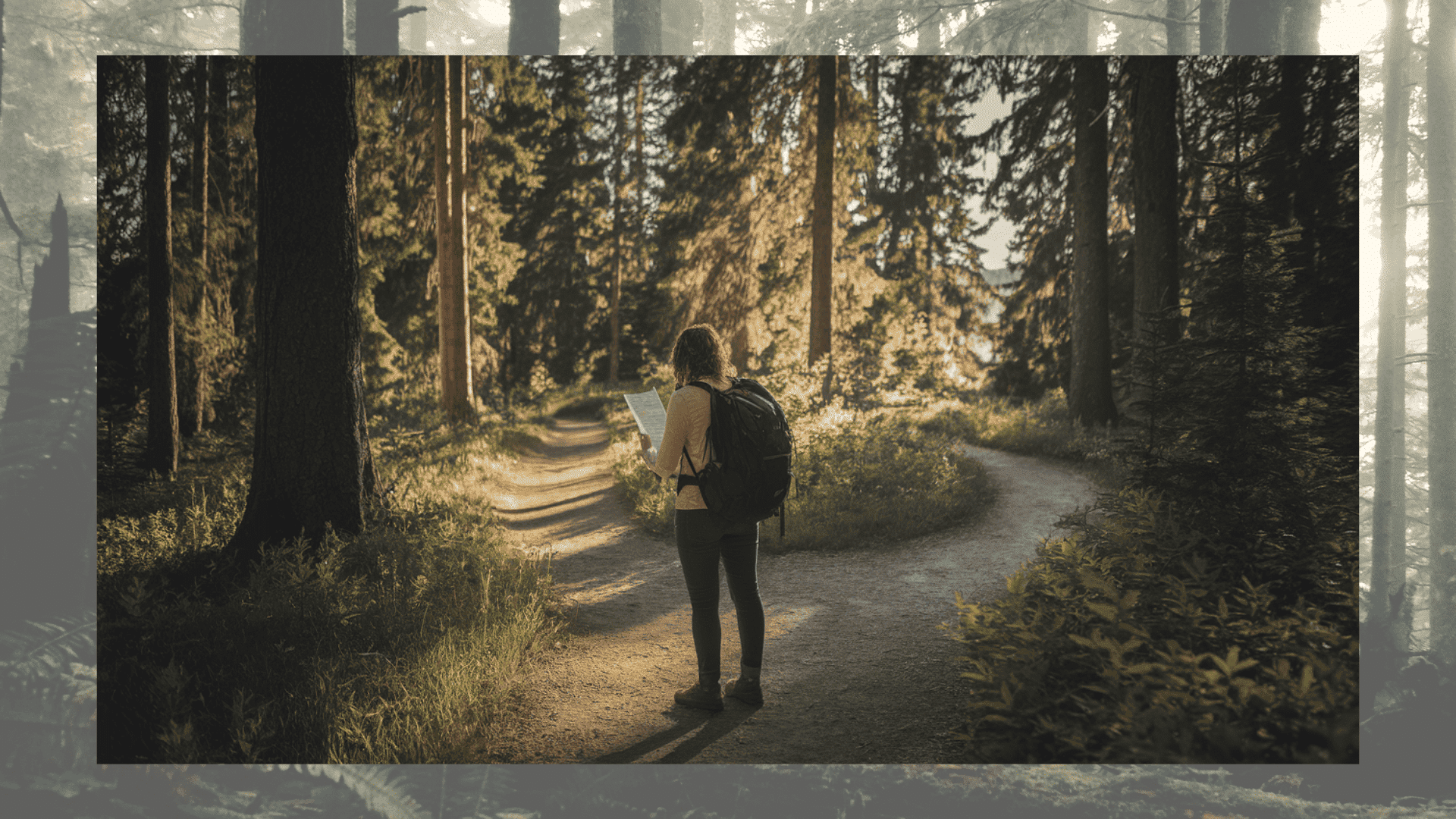
Ever felt that rush of panic when you realize you’re lost in the woods? Your phone has no signal.
The sun is setting fast.
You have no idea which way leads back to safety. It’s terrifying, right? But here’s the thing: wilderness survival isn’t some mysterious skill only experts possess.
I’m going to show you the basic techniques that could save your life.
And trust me, they’re simpler than you think.
What is Wilderness Survival?
Wilderness survival is about staying alive when you’re stuck in nature without help. You need to find water, build shelter, and keep warm.
That’s the core of it. It teaches you to use what’s around you to stay safe until rescue comes.
It’s about making smart choices. Do you stay put or try to find your way out? How do you signal for help? Where do you sleep tonight?
The beauty of wilderness survival skills is this: anyone can learn them. You don’t need fancy gear or years of training.
Just basic knowledge and a calm mind can make all the difference.
Wilderness Survival Rules
Survival in the wild follows some simple rules. I call them the basics that keep you alive. Let me break them down for you.
| Rule | What to Do | Why It Matters |
|---|---|---|
| Stay Calm and Think Clearly | Take deep breaths. Assess your situation before you act. | Panic kills faster than cold or hunger. |
| Stay Where You Are | If you’re lost, don’t wander. Rescuers can find you easier when you stay in one place. | Moving around wastes energy and gets you more lost. |
| Make Yourself Visible | Use bright colors, make noise, and create signals. | Rescuers need to see or hear you. |
| Protect Your Core Temperature | Build a shelter first. | Hypothermia is a real threat, even in mild weather. Your body needs to stay warm. |
| Find Water Within 24 Hours | Locate a stream or collect rainwater. Make this a top priority. | You can survive weeks without food but only days without water. |
| Never Eat Unless You’re Sure it’s Safe | When in doubt, skip it. | Unknown plants or berries can poison you. |
These rules apply everywhere. Mountains, forests, deserts. Master them and your chances of survival go way up.
7 Priorities of Wilderness Survival
Survival experts talk about seven key priorities. They’re ranked by urgency. I’m going to walk you through each one.
1. First aid comes first: Treat injuries immediately. A bleeding wound or broken bone needs attention before anything else. You can’t survive if you’re hurt badly.
2. Shelter is priority number two: Exposure kills fast. Build something to protect you from wind, rain, and sun. Even a simple lean-to works.
3. Fire ranks third: It keeps you warm, purifies water, and signals rescuers. Plus, it boosts your morale when things feel hopeless.
4. Signaling for rescue is fourth: Make three of anything. Three fires, three whistle blasts, three piles of rocks. It’s the universal distress signal.
5. Water is your fifth priority: Find a stream or collect rainwater. Boil it if possible. Dirty water can make you sick, but no water will kill you faster.
6. Shelter again at number six: Wait, didn’t we cover this? Yes, but now you improve it. Make it warmer, drier, and more comfortable for the long haul.
7. Food is last: Surprised? Most people think food comes first. But you can survive three weeks without eating. Focus on the other six priorities before you worry about your next meal.
Remember these seven things. They form the backbone of wilderness survival strategy. Get them right and you dramatically increase your odds.
What is the 3-3-3 Rule for Survival?
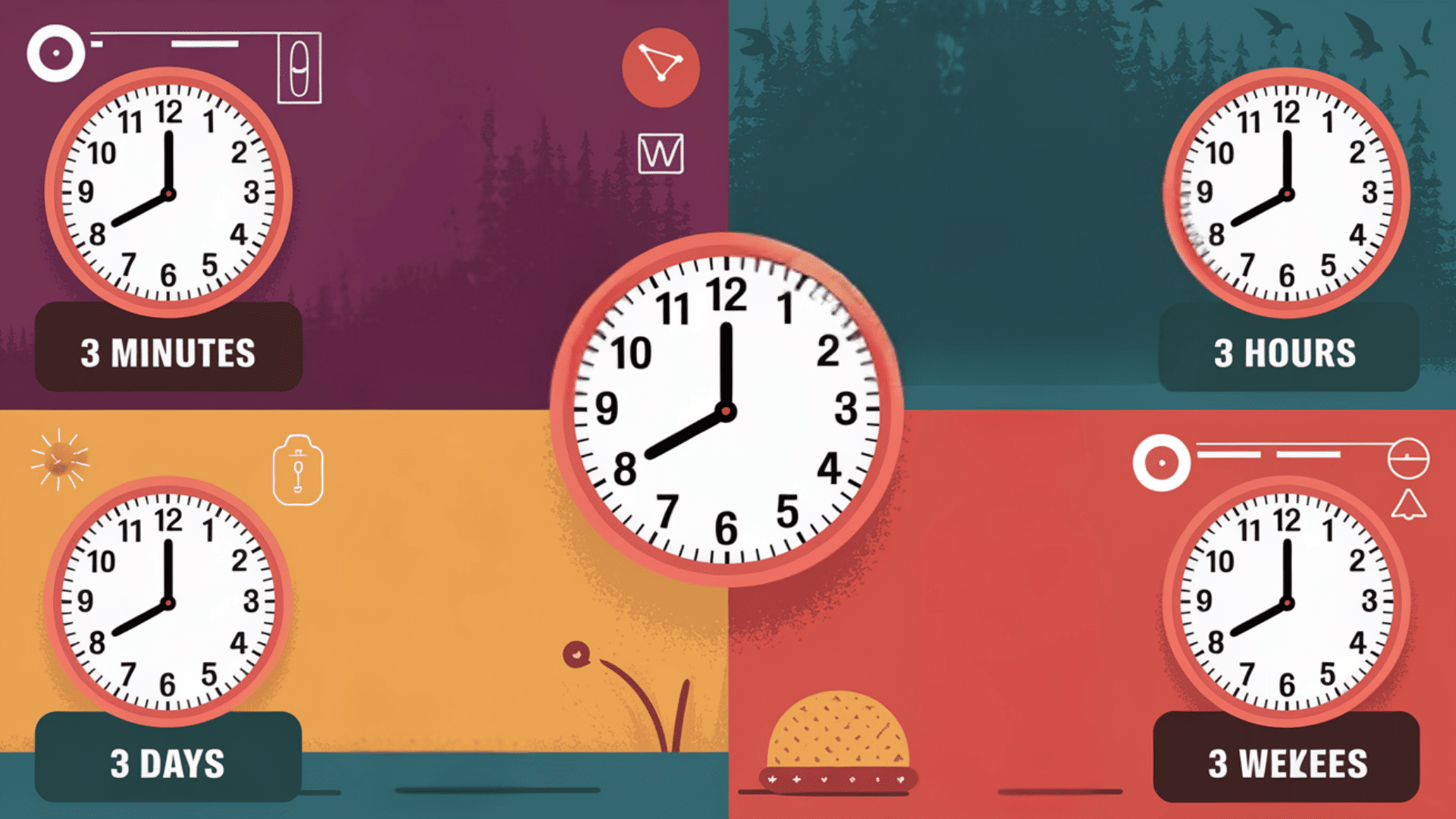
The rule of threes is simple math that could save your life. It tells you how long you can survive without essentials.
You Can Survive Three Minutes Without Air
If you can’t breathe, nothing else matters. Clear your airway first. Tip: Tilt your head back and lift your chin to open airways.
Remove any blockage with your fingers.
Stay calm and breathe slowly to conserve oxygen in dangerous situations.
You Can Survive Three Hours Without Shelter
Cold, heat, wind, rain. These elements will kill you fast. Get protected quickly.
Insulate yourself from the ground using leaves or pine needles. Your body loses heat faster through contact with cold earth than through air.
Tip: Look for natural caves or build a lean-to against a tree
You Can Survive Three Days Without Water
Dehydration shuts down your body. Find water before this deadline hits. Follow animals at dawn or dusk.
They always head toward water sources. Look for green vegetation and listen for running water.
Never drink stagnant water without boiling it first.
You Can Survive Three Weeks Without Food
Yes, you’ll be miserable and weak. But hunger won’t kill you as fast as you think.
Don’t waste energy hunting unless you’re sure of success.
I use this rule to prioritize. When everything feels overwhelming, I remember: air, shelter, water, food. In that order. Tip: Focus on shelter and water first.
It’s not perfect for every situation, but it gives you a framework.
Wilderness Survival Skills: Modern and Primitive Techniques
You want the full picture, right? Both old-school methods and new tools. Let me give you both.
Modern Techniques Make Survival Easier:
• GPS devices help you track location and call for help. But batteries die, so don’t depend on them alone.
• Water purification tablets kill bacteria fast. Toss one in your bottle and wait 30 minutes.
• Emergency blankets reflect body heat. They fold tiny but save lives in cold weather.
• Flashlights with solar charging never run out of power. Keep one in your pack always.
Primitive Techniques Work when Gear Fails:
• Friction fire using a bow drill takes practice. But it works with just sticks and cord.
• Natural shelters use branches, leaves, and debris. Our ancestors survived this way for thousands of years.
• Rock boiling purifies water without containers. Heat rocks in fire, drop them in water held by bark or hide.
• Plant identification helps you find food and medicine. Learn five edible plants in your area.
Here’s my take: learn both approaches. Use modern gear when you have it. Know primitive methods when you don’t.
Wilderness Survival TV Shows and Films

Want to learn survival skills from your couch? TV shows and movies can teach you a lot. But remember: entertainment isn’t always accurate.
Shows Worth Watching:
• “Survivorman” with Les Stroud is solid. He films himself alone in remote locations. No camera crew, no safety net. It’s real.
• “Alone” drops people in the wilderness with minimal gear. They film themselves. Last person remaining wins. You see actual survival struggles here.
• “Man vs. Wild” with Bear Grylls is entertaining but controversial. Some techniques are dangerous. Watch it for ideas, not instructions.
Films that Get It Right:
• “127 Hours” shows real survival decision making under pressure.
• “The Revenant” depicts harsh wilderness conditions accurately.
• “Into the Wild” teaches what NOT to do. It’s a cautionary tale.
These shows can inspire you. They demonstrate techniques visually. But don’t rely on them alone. Combine TV knowledge with actual practice and proper training.
Essential Tips for Wilderness Survival
Let me share the tips that matter most. These are practical things you can actually use.
Tip 1: Always tell someone your plans.
Where you’re going and when you’ll return. If you don’t come back, they’ll know where to search.
Tip 2: Carry the basics every time.
Water bottle, knife, fire starter, whistle, and a small first aid kit. These five items fit in any pack.
Tip 3: Learn to read nature’s signs.
Moss grows on the north side of trees. Animals travel to water sources at dusk. Clouds moving fast mean weather changes are coming.
Tip 4: Make noise while hiking.
It warns animals you’re coming. Most want to avoid you as much as you want to avoid them.
Tip 5: Stop and rest regularly.
Exhaustion leads to poor decisions. Sit down, drink water, and think clearly.
Tip 6: Trust your gut, but verify with facts.
That path might look familiar, but check your compass. Feelings lie, tools don’t.
Conclusion
So what did we cover today?
Wilderness survival boils down to priorities and preparation.
You learned the rule of threes, the seven survival priorities, and practical tips that work.
Now it’s your turn to act practice these skills, and pack the basics before your next outdoor trip. Don’t wait until you’re lost to start learning.
Your life might depend on what you do right now.